Get to now your footbeds!
The footbed or insole or sockliner, whatever you call it is important to the fit, feel, performance and cost of your shoe design. Footbeds come in all shapes, sizes and materials, It’s important to make the right selection to compliment your shoe design.
When a shoe is in development it’s important to have plan for the footbed. Each shoe last will have a “sock allowance” build into the bottom, this creates the space inside the shoe, in can be 4 mm or 6mm or more. You have the get this right or you shoe won’t fit quite right, then again a little extra foam in your footbed can be used to fine tune and fitting issues.
The footbed is also key to the lifespan of your shoe. A thin footbed made of too soft, cheap foam can collapse after just a few days leaving the shoe fitting loose and your customer with tired feet. The ability for a foam to survive being placed underfoot is called it’s compression set or compression resistance. Not all foams are suitable for long lasting footbed service! Shoe companies are now putting in better footbeds, in the past you could find a cheap $.65 footbed in a pair of $100.00 running shoes!
Common shoe footbed types.
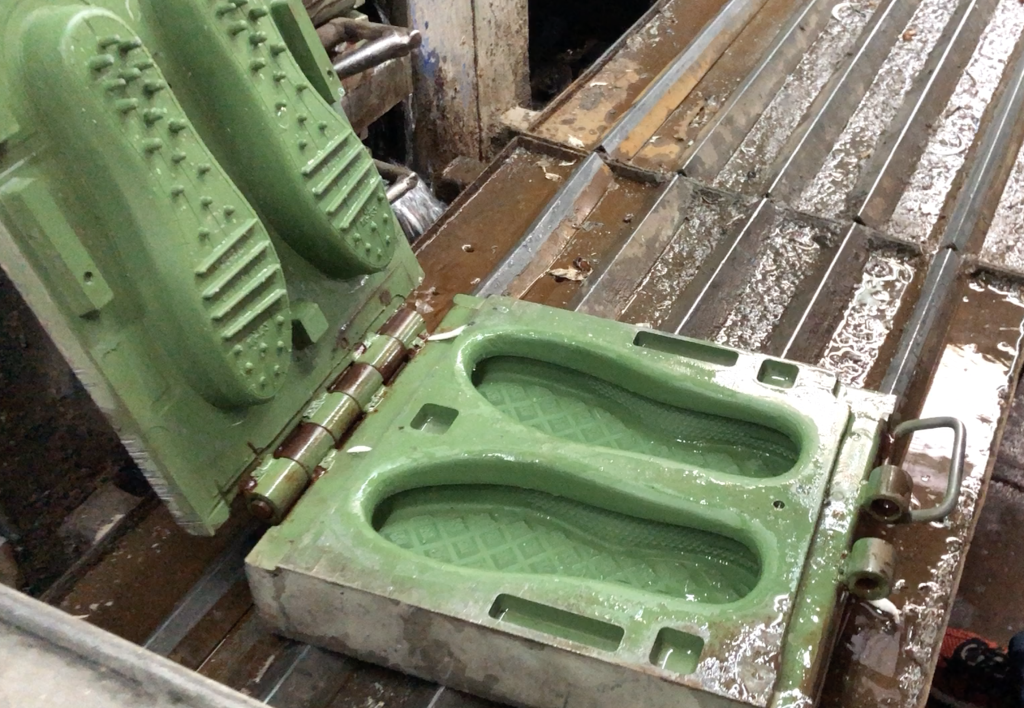
Footbeds basically come in two construction types. Molded or die cut. The molded footbeds are made of Compression molded EVA, Poured PU (polyurethane foam), Latex & Cork, sponge rubber or PE (polyethylene) foam. You can add to the molded footbed other features like Injection molded stiffeners, support frames, gel pods or air bags. The sky is the limit! But you need to remember a $4.00 footbed will add almost $20.00 to the retail price of your shoe!
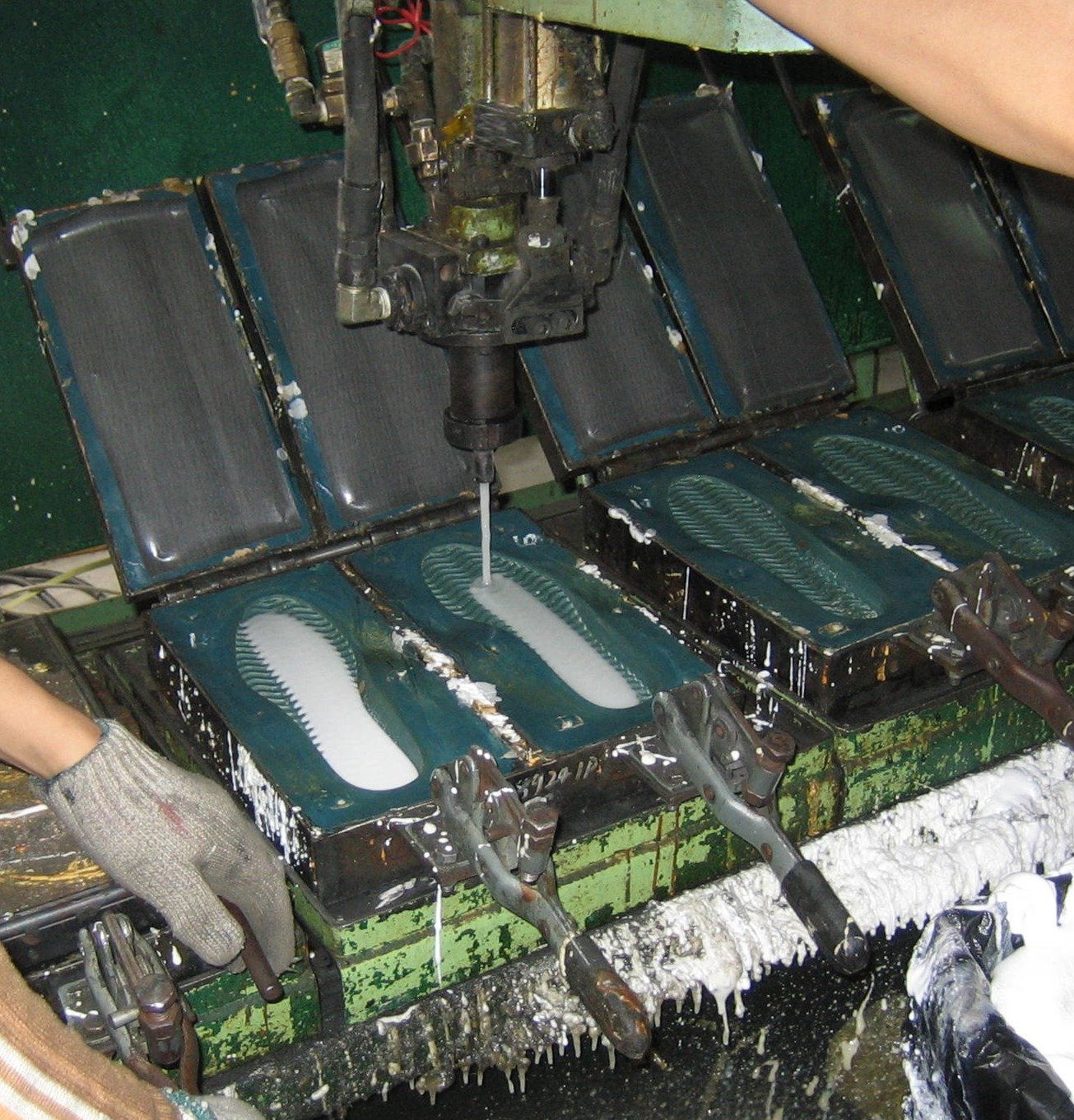 The molded footbed is a must for performance athletic shoes, the contours will support the foot and hold the foot in place. Hiking, hunting and military boots need a molded footbeds. The strobel shoes may be a thinner as the inside of the shoe will have more contours from the last and molded midsoles. Stiffer board lasted boots should have a molded footbed to provide support and fill up the square corners near the edges.
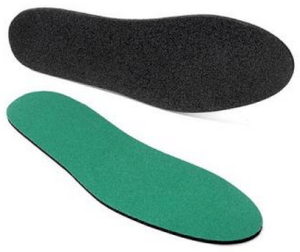 The die cut footbed can the the cheapest piece of junk or it can be really plush. Die cut does not have to mean cheap. Yes the most basic shoes will have thin die cut footbeds made of soft
 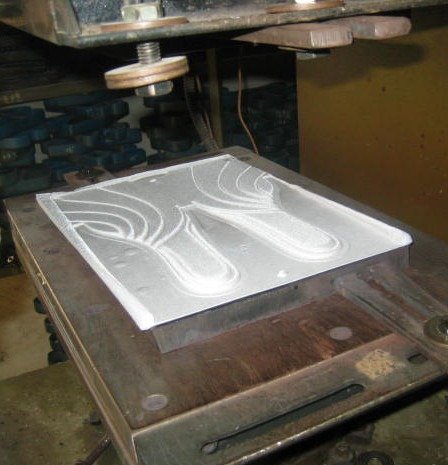 EVA foam that will last just a few weeks. High end shoes can have really nice leather-covered die cut footbeds made with multiple layers of high quality long lasting PU foam, neoprene rubber or gel sheet. Fashion
and casual shoes can have die cut footbeds. Soccer cleats, the even expensive ones, often have thin die cut footbeds.
Footbed cover fabric.
Footbeds can come with making different cover fabrics or linings. The best fabrics have enough grip to hold your feet in place. Too smooth will not be stable, to grippy will ruin your socks. Running shoes, hiking boot footbeds need abrasion resistant materials to last for miles and miles. The footbed material must resist crocking (crocking is color transfer by friction or rubbing). Your shoes should not discolor your socks. Leather footbeds are nice, but maybe not the best for athletic shoes.
Other footbed features.
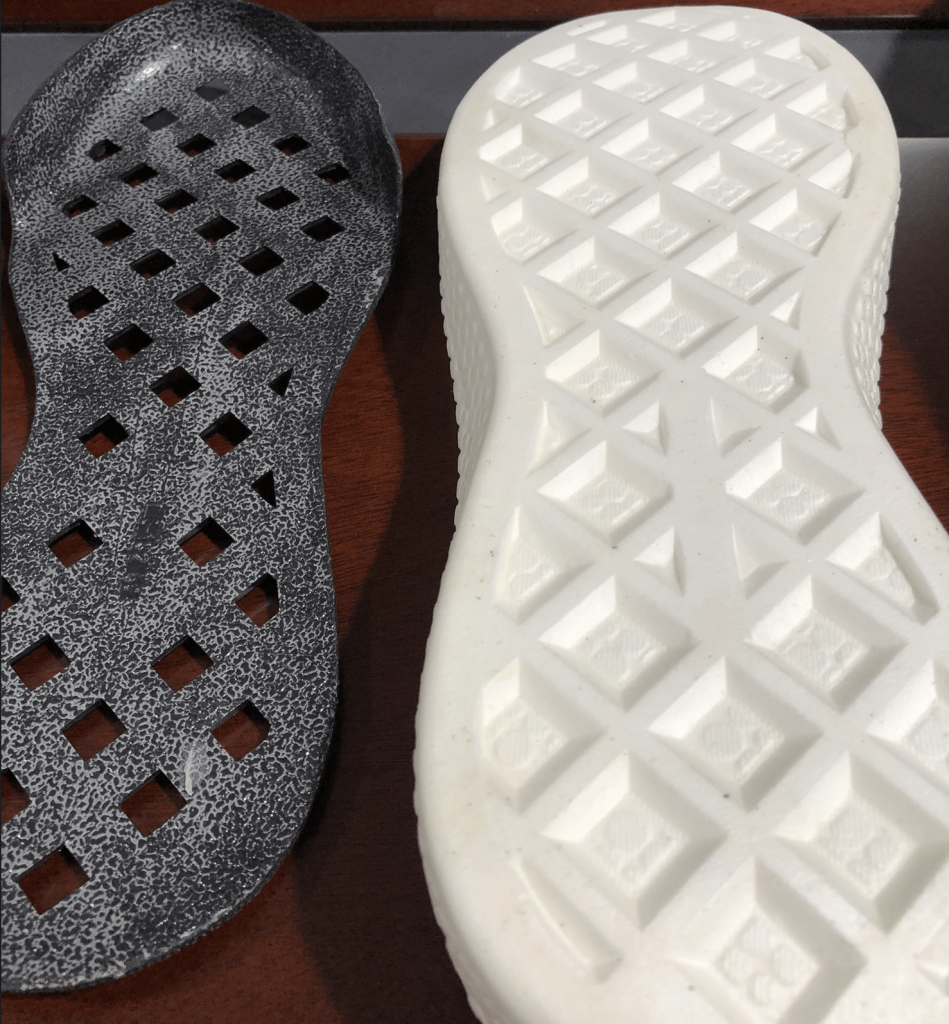
Footbeds can be multiple densities of foam. They can have perforations or other venting features. Moisture wicking fabric covers or bright graphics are a nice touch. Most companies will have their own molds with refined shapes and molded in logos. Another trick companies use is a very soft latex foam wedge under the heel, this latex will last for a while but after a few days or a week it will be crushed flat. This is done to improve the “try on” or “in store” feeling. For winter boots or hunting boots you will find insulated footbeds with heat reflecting coatings.
Shop around, try on many different styles of shoes, you will find lots of options. Let price, performance and comfort be your guide!




 How Designer Handbags are Made


