Posted on

Foam for Making Shoes

What is the right foam for shoes?

what is EVA

There are many types of foam used to make shoes. We are going to review the foam found in the uppers and outsoles of shoes.

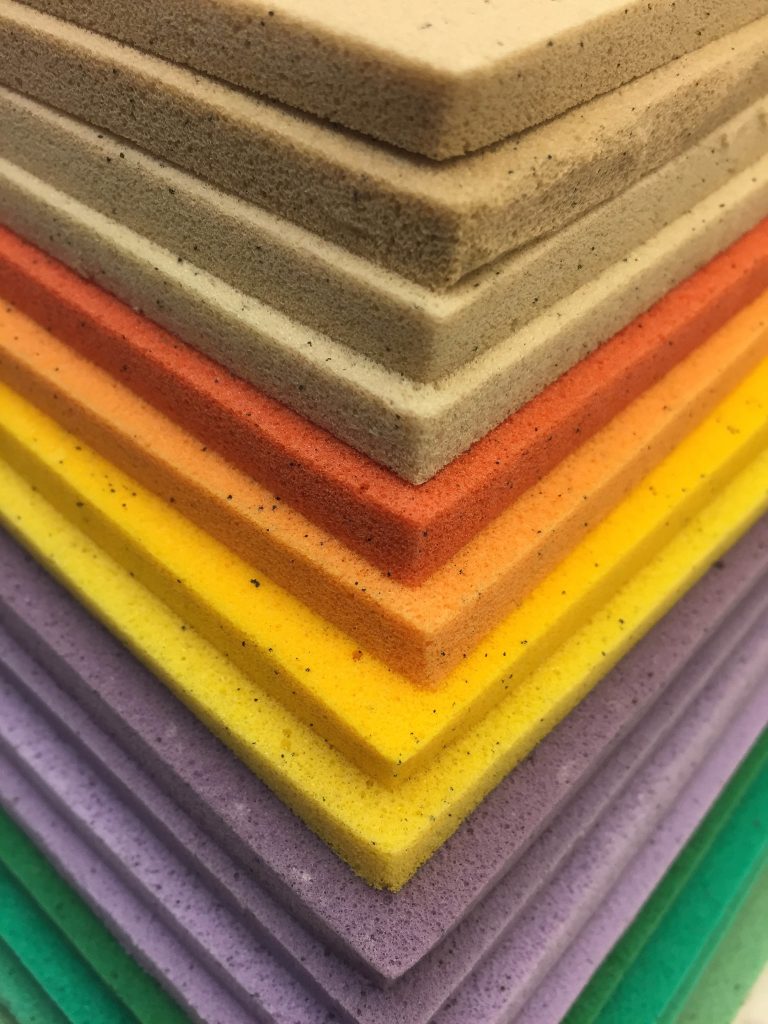
First, what is foam? Foam is a soft plastic that is filled with air bubbles. The properties of different foams are created by using different types of plastic, controlling the size, and controlling the character of the air bubbles.

Generally, foam is divided into two types; “Open Cell” and “Closed Cell” foam. Each foam’s density, compression set, resistance, and breathability are important attributes to understand when selecting foam for your shoes.

Density and Compression Set

Density or Durometer is simply how firm or stiff the foam is. For EVA foam, a density of 25″C” is okay for upper padding but way too soft for the midsole.

Compression set resistance is simply the foam’s ability to bounce back after it’s compressed. A foam with a poor compression set will be crushed flat after just a few days.

Open Cell Foam:

open cell foam for shoes shutterstock_179846381-Cropped
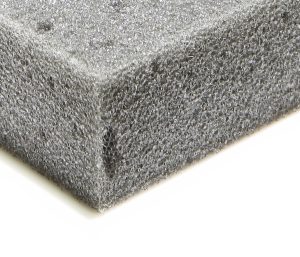
Open cell foam is exactly what it sounds like! The plastic compound that makes up the foam cells is open, so air and water are free to enter and exit the foam just like a sponge.

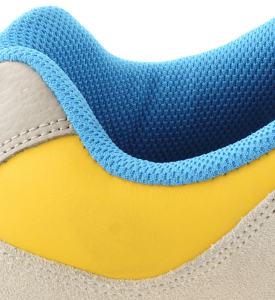
Open cell foam is generally soft and can be made from Polyurethane plastic. This type of foam is commonly known as “KF” or “KFF” foam. This foam is available in different densities and in almost any thickness and color. This foam is used in the tongues and collars of shoes. Thin sheets of PU foam are used to back fabric in most shoe uppers. The PU foam allows the stitches to sink in and gives mesh some extra support while reducing wrinkles.

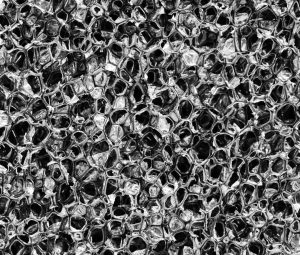
Reticulated foam for shoes

Closed Cell Foam:

Closed cell foam is exactly that; the individual cells are closed or sealed, not allowing the foam’s internal gas to escape.

Closed cell foam is generally denser than open cell foam. The stretchability and hardness of the plastic material, combined with the size of the cells, determines the density of the foam. Midsoles of shoes are all made from closed cell foam. (midsole foam is covered further in our article Outsole Design.) The most common closed cell foams include EVA (ethyl vinyl acetate), PE (Polyethylene), SBR (Styrene butadiene rubber), PU (Polyurethane), Latex, and Neoprene. Each has its own useful properties and will be explained below. EVA foam is used for backing mesh materials. A 2mm sheet of EVA will make the fabric waterproof. Neoprene and SBR are used when elastic properties are required. Latex is common for collar linings. PE foam is very light, but not so durable, so its use is limited.

How to Pick Shoe Materials

Start with In-depth reviews of material types available in modern shoemaking. Learn the Technical details of shoe material specification. 195 pages or 300 color photos.

Learn more

on sale $39.99

How to Measure Foam Density:

Measuring the density of very soft foams can be difficult. For soft foam, the density is measured in Lbs Per square foot. Very soft open cell foam is 1.2 Lbs per Sq. Foot. For denser foam, a Durometer tester is needed.

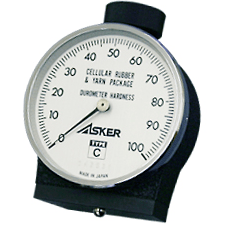
how to measure EVA harnessAn Asker “C” scale Durometer tester is used to test the hardness of any foam components in your shoe. The Durometer tester will give you a reading of the density of the material. Try to test in flat spots and take several readings for each shoe part you are checking. For foam, try to cut the parts so you can test the center of the foam. EVA foam skin may give you a harder reading. A standard EVA midsole may be  55˚, a soft footbed 35˚. You can see the testing problem on the bottom is larger for softer foam.

Durometer SHore A Tester- Very important for shoe testingWhen testing the hardness of rubber and plastic shoe parts you need a Shore scale “A” Durometer tester. The Durometer tester’s bottom measuring pin is simply pressed against the material. The Durometer tester will give you a reading of the density of the material. Try to test in flat spots and take several readings for each shoe part you are checking. You can see the testing problem is very small.

Shoemaking Material Kit

All the hard find parts for your DIY shoemaking project are here in one place. Lasting board, strobel material, lining mesh B&W, collar foam and all the reinforcing parts you need for one pair.
Learn more
On sale $39.99

Common Foam in Shoes:

EVA (ethyl vinyl acetate): The most common midsole material for sports shoes. EVA is lightweight, durable, easy to form, and resists compression set. EVA can be hot pressed, cold pressed, die cut, injected, and machined to make midsoles or inserts. Available in a wide range of densities and formulations, EVA can be soft and flexible or rock hard and stiff and be made in almost any color. It can be found in all different styles of shoes. EVA is also used to make footbeds, padded Stroble socks, and is often laminated as a fabric backing.

Closed cell PU (Polyurethane):  Also a common foam for shoes. PU foam is “blown” into molds. The liquid compound expands and foam air cells fill the molds. PU foams are used to make durable midsoles for hiking boots and can be made into entire sole units, tread, and midsole all in one. Many women’s fashion shoe high heel outsoles are made from high-density PU. Very soft PU is used for footbeds due to its resistance to compression set.

PE (Polyethylene): Expanded into sheets, PE foam is easily die cut and laminated. Parts are then pressed into shape for internal pads and tongues. Due to its weakness in compression set, PE foam is not used underfoot, but
PE foam is closed cell and waterproof.

Other common foams for shoes:

SBR (Styrene butadiene rubber): A very soft foam, often laminated between two layers of fabric. SBR is closed cell and is used to make parts waterproof. SBR foam is often used as a lightweight replacement for Neoprene rubber but is not as stretchable.

Open Cell PU (Polyurethane): This may be the most common foam used in sports shoe footwear construction. This PU foam is open cell so you must be careful that it does not absorb the glue. Thin layers of PU are laminated to fabric to provide backing substance. PU foam is also used to make tongue foam and collar foam. Due to its softness, open-cell PU foam cannot be used underfoot.

Latex Rubber foam: Latex foam is easily formed into complex shapes in open-top molds. Latex is used for upper padding but not as a midsole material. High-density latex foam sheets are often used to make die cut footbeds.

New Course!
Shoemaking for Designers & Brand Builders

Created for footwear beginners and career changers alike, this course delivers the basic shoemaking knowledge you need to get you career in the shoe trades started.
Learn more
On sale $99

Posted on

Textiles for Shoe Design

Textiles for Shoe Design:

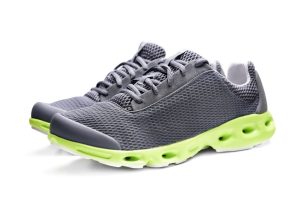
A High Duty Textile Shoe 20% +.90 Ouch!If you want to learn how to design shoes you must have an understanding of fabrics.  Fabrics, or textiles, are a miracle material for footwear designers!  With an infinite variety of weaves, knits, colors, patterns, and special features, textiles have a special place in footwear design. You will find fabric inside and outside on footwear, even on shoe bottoms. The polymer fibers such as nylon and polyester are lightweight and durable. Lycra is stretchable and cotton canvas is a must for vulcanized construction and has a look all its own.

When considering any textile for your shoe design there are five things to consider.
The thread size, fiber composition, weave pattern, backing material, sizing, and surface treatments.

Thread Size:

The basic building block for fabric is…of course, thread!  Denier is how thread weight is measured. 1 denier = 1 gram per 9000 meters of thread. Typical deniers are 110D for very lightweight fabric, 420D to 600D are common in shoes, 1000D for boots and bags.

Fiber Types:

Footwear textiles come in many fiber types including cotton, wool, nylon, polyester, polypropylene, rayon, and lycra.  Each has their own look and physical properties like water absorption, stretchability, UV resistance, and colorfastness.
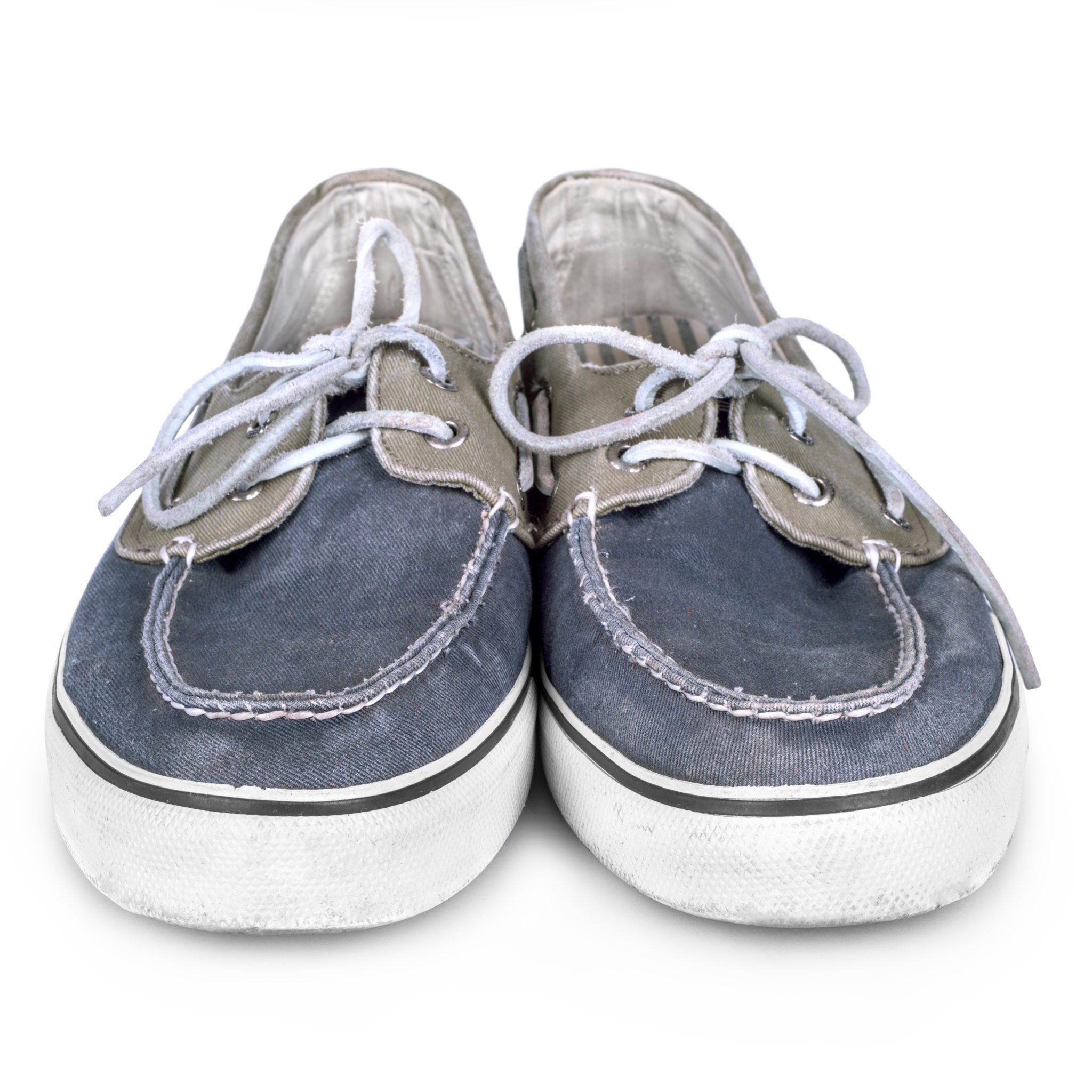
For shoe design, polyester and nylon are very common. Stretchable lycra is often used for bindings and linings.  Cotton is a must for vulcanized shoes as synthetic fibers tend to melt. Natural fibers like cotton or wool will accept finishing treatments. Cotton canvas shoe uppers can be salt or stone washed before assembly to give the shoes a special character. Cotton can also accept an oiled or waxed finish, but this must be done after the shoe is assembled. Oily or waxed canvas cannot be easily bonded to the shoe outsole during assembly.

Stone-Washed-Cropped-shutterstock_309248771Stone-washed-Shoes-tank

How to Pick Shoe Materials

Start with In-depth reviews of material types available in modern shoemaking. Learn the Technical details of shoe material specification. 195 pages or 300 color photos.

Learn more

on sale $39.99

Fabric Weaves:

shutterstock_279936593-ModThere are many ways to “weave” the fibers
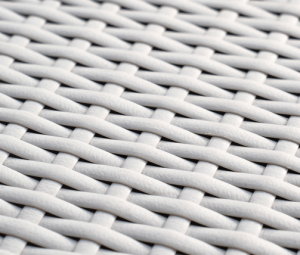
together. In a woven pattern, two fibers cross each other. The fibers running the length of the fabric are called the “warp”. The fibers running across the fabric side to side are called the “weft”.  The more typical “plain” square weave has an equal number of fibers in the warp and weft. There are many weaves: plain, twill, satin, basket, doddy, and ripstop.

Shutter-Stock_mod
The “knit”  is the other common way fibers are joined. In knitted fabrics, the thread follows a meandering path forming symmetric linked loops. These linked and meandering loops can be easily stretched in different directions giving knit fabrics more elasticity than woven fabrics. Depending on the fiber type and knitting pattern, a knit fabric can stretch as much as 500%.
Common knits types are jersey, interlock, double knit, and ribbed.
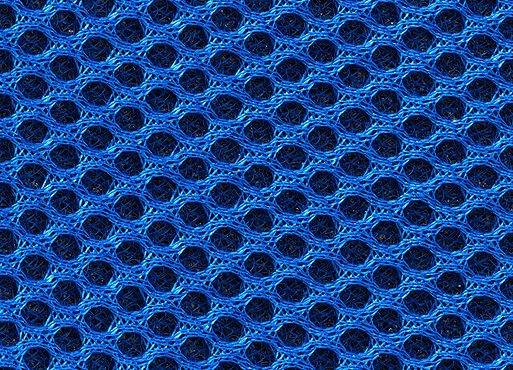
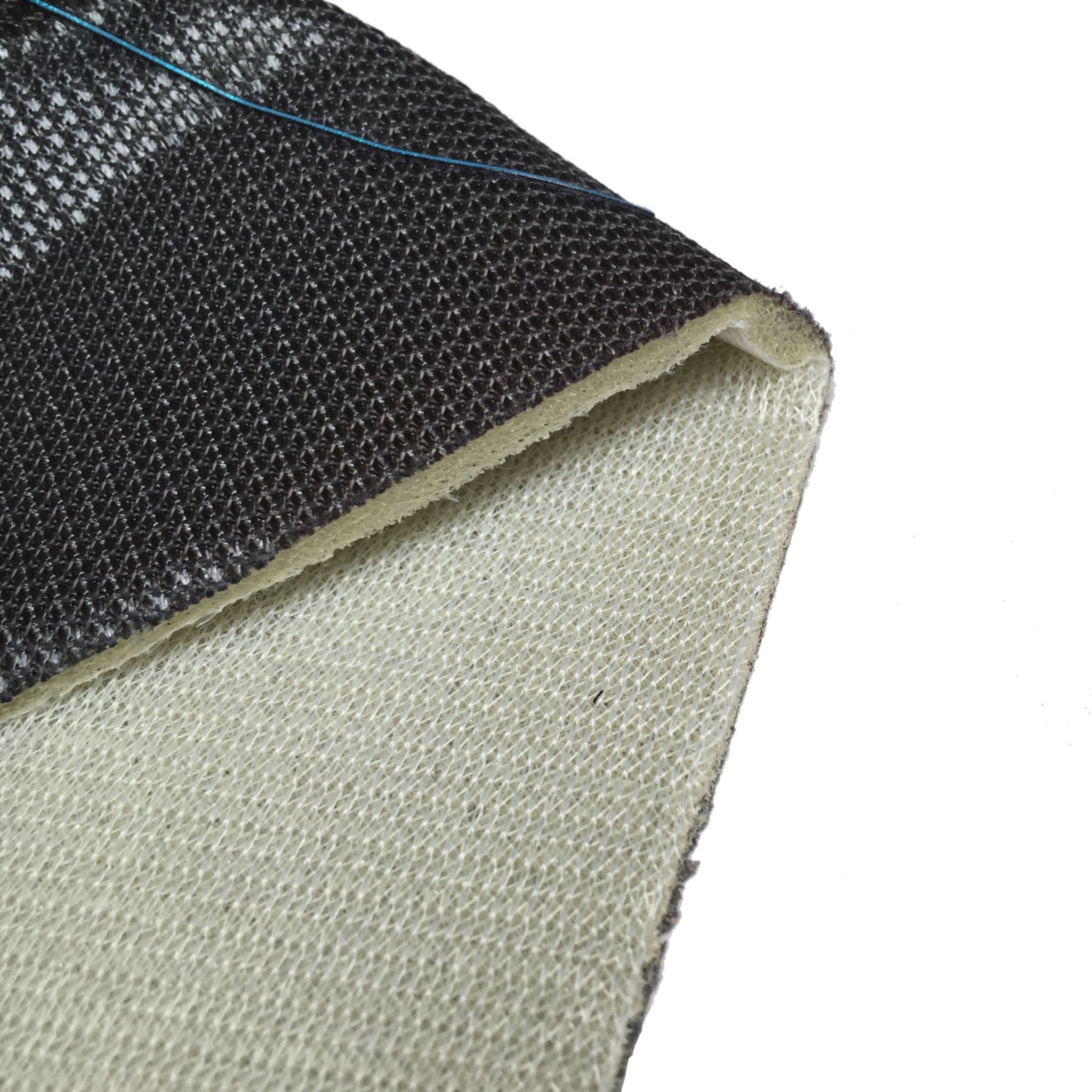
shutterstock_177273620High-tech “air” mesh or 3D mesh is made by knitting. Also known as sandwich mesh, the inner surface can be smooth and act as the shoe lining.

Fabric Backing and Sizing:

Once the fibers are knit or woven, the fabric must be dyed, sized, and backed before it can be used in shoes. The freshly made fabric is soft and shapeless, not suitable for use in shoes. It’s the sizing and backing treatments that give fabric the toughness and body to make it useful. Sizing is a liquid resin treatment applied to the fabric. The fabric is stretched, heated, and treated with the sizing resin, this holds the fibers in place.
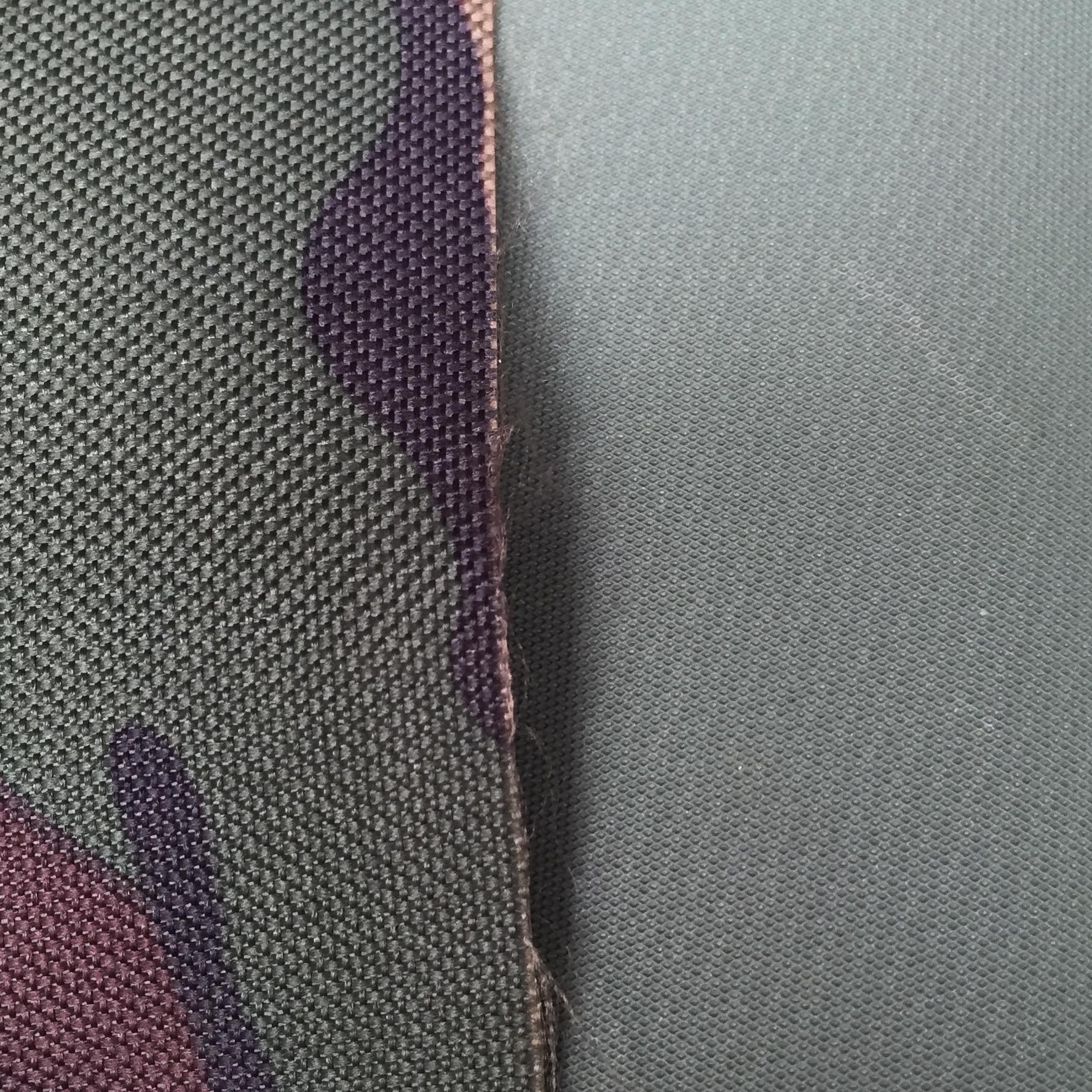
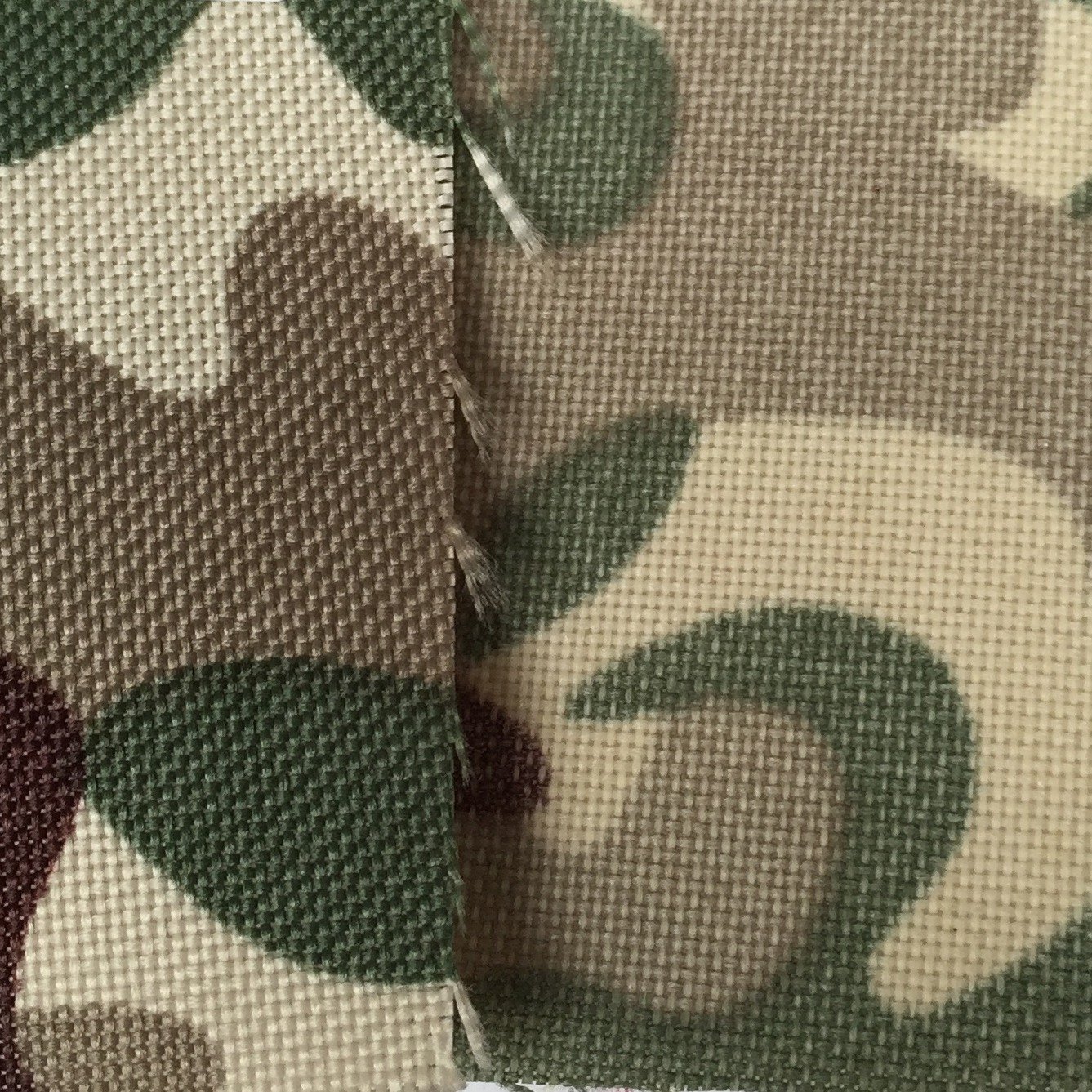
The backing material is critical to the character of the fabric. There are two common backing types. The thinner clear coating called PU; this is the cheaper, lighter, less waterproof coating. You can see the fiber under the coating. Next, we have PVC backing which is more solid; you cannot see the fibers through the backing. PVC is used to make a very sturdy waterproof fabric.
Solid PVC Backing Solid PVC BackingMesh-PU-Backing Thin PU Backing

Shoemaking Material Kit

All the hard find parts for your DIY shoemaking project are here in one place. Lasting board, strobel material, lining mesh B&W, collar foam and all the reinforcing parts you need for one pair.
Learn more
On sale $39.99

Fabric Surface treatments:

Screen Shot 2015-10-17 at 11.28.07 AMThere are many treatments for fabric.  DWR or (Durable Water Resistant) coating is common. Another treatment is called brushing. Nylex and Visa, or Visa Terry, are knit products where one side is brushed to tease up the soft fibers. These are the most common shoe lining materials for sports shoes.
Mesh-Foam_backing+TricotFabric Lamination:  When the fabric is assembled into shoes it is often laminated with a thin layer of PU foam. The foam backing controls wrinkles and makes the fabric easier to handle during assembly. The foam also prevents inner layers from x-raying through the thin fabric. The fabric shown here has tricot material laminated to the back of the foam.

Import Duty for textile shoes:

shutterstock_195179909Textiles often incur a high import duty rate. Shoes made with 51% textile surface area are assessed for 20% duty. A textile shoe which costs less than US$12.50 will be charged 20% +.90 duty! (depending on the country of origin). However, there is a trick, by molding textile on the sole of the shoe you can avoid the high duty rates!  Be sure to check the import rules for your shoes’ planned country of origin and destination.
Textiles really are a miracle material for shoes!  With a rainbow of colors, patterns, and special features; textiles have a special place in footwear design. They are lightweight, strong, and flexible.  There are so many options for your design.
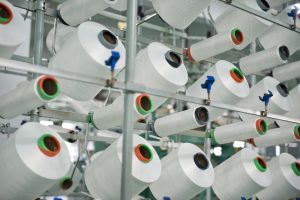
Textiles can be as classic as waxed canvas or as high-tech as patterned 3D air mesh with the inside backing surface included. Let your imagination run wild. If you care to see how the fiber weaving and color dying process works it’s worth the time to visit the mesh factory.
Learn more about textiles and other shoe materials in our book the Shoe Material Design Guide. 

New Course
How to Select Shoe Materials

14 Shoe material lessons.
Over 4 1/2 hours of video instruction.
In-depth study of leather, textiles, synthetics and plastics.
Material Design Guide Text Book included.
Learn more
enroll now $399

Posted on

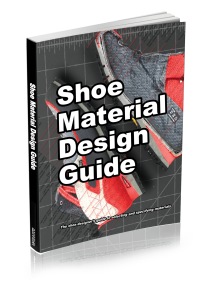
The Shoe Material Design Guide – Our newest book!!

Shoe Material Design Guide

Do you want to be a professional shoe designer? You must learn how to select and specify each shoe material correctly. Our newest book, The Shoe Material Design Guide, details all the shoe materials you will need to make modern athletic, classic casuals, and high fashion footwear. You will learn about all the materials used to make shoes.

Each chapter covers a specific shoe material type. You will learn how each material is made, the options available, and how to specify the material correctly. We have chapters on shoe leather, textiles, synthetics, shoelaces, glue, reinforcements, hardware, logos, midsoles, outsoles, a complete shoe materials list and more!

Shoe Material Design GuideWe have included annotated cross sections of over 30 different shoe types. You can see exactly how each shoe materials are used inside real production shoes. Look inside basketball shoes, running shoes, track spikes, hiking boots, work boots, high heels, cowboy boots and many more!

You will also find information on topics such as shoe material testing, sustainable production, exotic materials and more. Written as a companion to our best selling How Shoes Are Made, The Shoe Material Design Guide digs deep into the world of footwear materials and design. Softcover, 330 color photos,  28 chapters, 195 pages.

The Shoe Material Design Guide
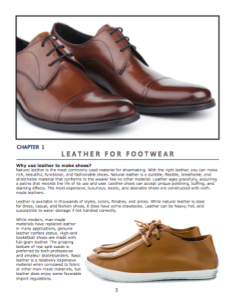
 

Chapter 1: Leather for footwearChapter 1: Leather for footwear

How leather is made and how to use leather in your shoe designs.
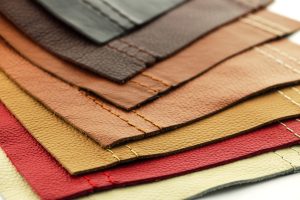
What materials are shoes made out of? Leather is the most commonly used material for shoemaking. It is durable, flexible, breathable, stretchable and conforms to the wearer like no other material. Study the character, color, grain, thickness, temper and the production steps such as curing, soaking, liming, tanning, etc. Next, we look at the finishing operations, final grading and main types of shoemaking leather like aniline, nubuck, pigmented, top-grain, crazy horse, split leathers, patent leather, action leather and many more. Finally, we cover leather import duty and tariffs, price per square foot and how to specify shoe leather.


The Ultimate Shoe Material Textbook

Start with an in-depth study of material types available for modern shoemaking. Learn the technical details of material specifications. 195 pages and 300 color photos.

Buy Now

on sale $39.99
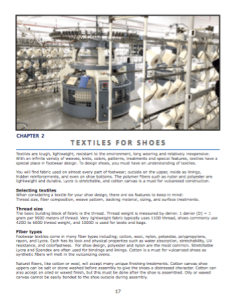
Textiles for Shoes - Shoe Fabrics

Chapter 2: Textiles for Shoes – Shoe Fabrics

Fabric options for footwear. Shoe material types and shoe fabrics such as textiles are tough, lightweight, resistant to the environment, long wearing, and relatively inexpensive. What is the best sneaker material or the best basketball shoe material? Review footwear fabrics such as nylon, polyester, Kevlar, linen, Rayon, wool and their processing, weaves, backing, treatments, and other special features. Study the environmental factors, import duty, lasting and test standards for textiles.
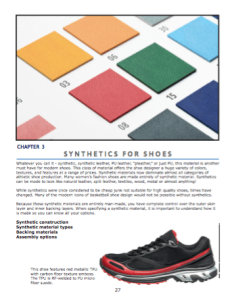
Synthetics for shoes Man-made materials for the modern shoe.

Chapter 3: Synthetics for shoes

Man-made materials for the modern shoe.
Synthetic, synthetic leather, PU leather, pleather, or PU; whatever you call it, this class of shoemaking material offers an immense variety of colors, textures, and features at a range of prices. What are sports shoes and athletic shoes made of? What are basketball shoes made of? Synthetics! What is a synthetic upper? This shoe material can be made to look like natural leather, split leather, textiles, wood, metal or almost anything. Many of the modern icons of basketball shoe design would not be possible without synthetics. When specifying synthetics you have complete control over the outer skin layer and inner backing layers so it is important to understand how it is made and know all your shoemaking material options.
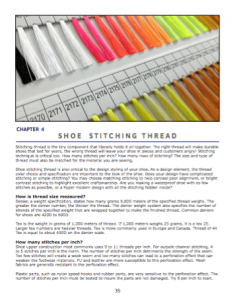
Shoe Stitching Thread Thread and stitching hold it all together.

Chapter 4: Shoe Stitching Thread

Thread and stitching hold it all together.
Shoe stitching thread is also an important shoe designing material. As a design element, the thread color choice and specification are important to the look of the shoe. You may choose matching stitching for your sneaker materials list to help conceal poor alignment, or bright contrast stitching to highlight exceptional craftsmanship and your shoe print fabric. Are you making a waterproof shoe with as few stitches as possible or a hyper-modern design with all the stitching hidden inside? Learn about this tiny component that holds it all together.
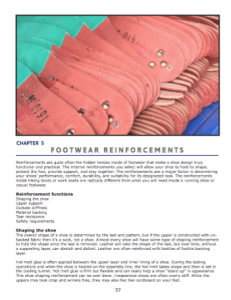
Footwear Reinforcements How to create, support, and fix the shape of shoes.

Chapter 5: Footwear Reinforcements

How to create, support, and fix the shape of shoes.
The internal reinforcements you select will allow your shoe to hold its shape, protect the foot, provide support, and stay together. Reinforcements are a significant factor in your shoes’ performance, comfort, durability, and suitability for its designated task. Look at heel counters, heat-molded plastic sheets, vulcanized rubber, backing materials and outsole reinforcements.
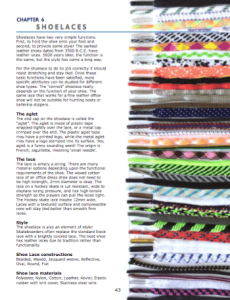
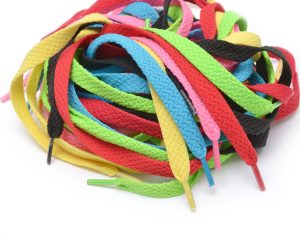
Shoelaces Options for shoe closure systems. Shoelaces hold the shoe onto your foot and provide some style

Chapter 6: Shoelaces

Options for shoe closure systems.
Shoelaces hold the shoe onto your foot and provide some style. Study the construction, materials, lacing systems. The “correct” shoelace depends on the function of your shoe. The same lace that works for a fine leather office shoe will not be suitable for hunting boots or ballerina slippers.
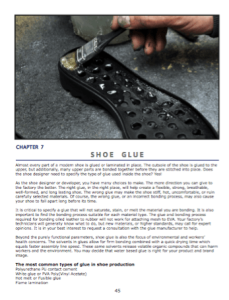
Shoe glue The use and application of adhesives in shoes. Almost every part of a modern shoe is glued or laminated in place.

Chapter 7: Shoe glue

The use and application of adhesives in shoes.
Almost every part of a modern shoe is glued or laminated in place. It is critical to specify a glue that will not saturate, stain, or melt the material you are bonding. It is also important to nd the bonding process suitable for each material type.
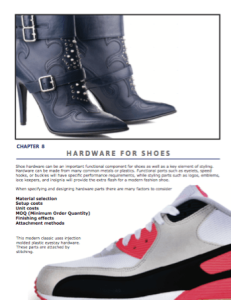
Hardware for shoes Metal and plastic parts for shoes. Functional parts such as eyelets, speed hooks, or buckles will have specific performance requirements.

Chapter 8: Hardware for shoes

Metal and plastic parts for shoes.
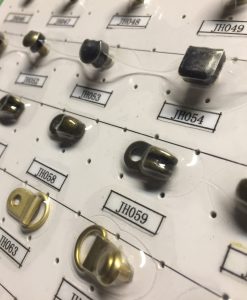
Functional parts such as eyelets, speed hooks, or buckles will have specific performance requirements. When specifying and designing hardware parts for your shoes, there are many factors to consider such as material selection, setup costs, unit costs, MOQ (Minimum Order Quantity), finishing effects, testing, and attachment methods.
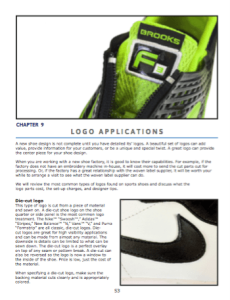
Logo applications for shoes Techniques for branding shoes.

Chapter 9: Logo applications for shoes

Techniques for branding shoes.
A new shoe design is not complete until you have detailed its logos. We will review the most common types of logos found on sports shoes like die cuts, screen printing, embossed, embroidery, woven labels, molded logos, PVC gel bubbles and discuss what the logo parts cost, the setup charges, and designer tips.
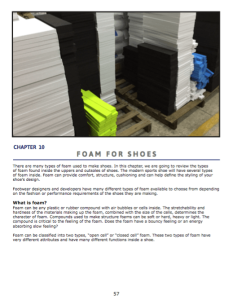
Foam for shoes How to specify foam. What is foam? The modern sports shoe will have several types of foam inside.

Chapter 10: Foam for shoes

How to specify foam. What is foam? The modern sports shoe will have several types of foam inside. It is important to know what foam is appropriate for the shoe upper and what is appropriate for cushioning the shoe outsole. When specifying foam, it is critical to understand the performance attributes such as density, durometer, compression set, impact resistance, energy return conformability, breathability, and more.
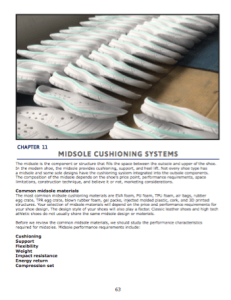
Midsole cushioning systems A review of 14 different midsole types.

Chapter 11: Midsole cushioning systems

A review of 14 different midsole types. The midsole provides cushioning support, and heel lift. Not every shoe type has a midsole, and some sole designs have the cushioning system integrated into the outsole components. We cover various types such as Cup, cut, and buff sole, injection molded EVA, airbags, and Polyurethane foam, advising the tooling cost and unit price for these and many more.

Shoemaking Material Kit

All the hard find parts for your DIY shoemaking project are here in one place. Lasting board, strobel material, lining mesh B&W, collar foam and all the reinforcing parts you need for one pair.
Learn more
On sale $39.99
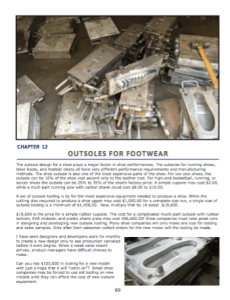
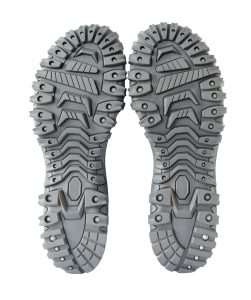
Outsoles for footwear A study of 8 different outsole constructions.

Chapter 12: Outsoles for footwear

A study of 8 different outsole constructions.
The shoe outsole is one of the most expensive parts of the shoe and a set of outsole tooling is by far the most expensive equipment needed to produce a shoe. Rubber cupsoles, compression molded EVA soles, injection molded outsoles and 5 others are uncovered and analyzed.
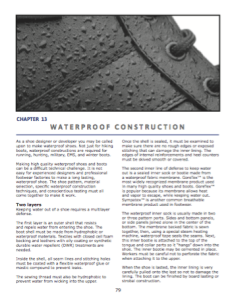
Waterproof constructions An overview of waterproof construction techniques.

Chapter 13: Waterproof constructions

An overview of waterproof construction techniques.
Making high-quality waterproof shoes and boots can be a difficult technical challenge. See inside a waterproof boot. The shoe pattern, material selection, specific waterproof construction techniques, and conscientious testing must all come together to make it work.
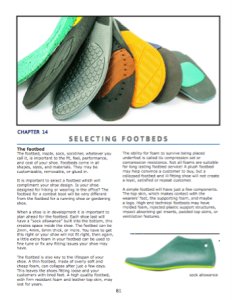
Footbeds Picking the right footbed, ten options to study. Footbeds come in all shapes, sizes, and materials.

Chapter 14: Footbeds

Picking the right footbed, ten options to study.
Footbeds come in all shapes, sizes, and materials. They may be customizable, removable, or glued in. It is important to select a footbed which will compliment your shoe design. Will it be molded or die cut? Multi-density, hybrid, or crystallized PU?  What material will cover it, what other features will you need for your shoe?
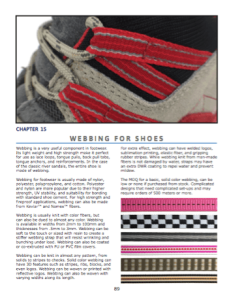
Webbing For Shoes Options and uses of webbing.

Chapter 15: Webbing For Shoes

Options and uses of webbing.
Its light weight and high strength make webbing perfect for use as lace loops, tongue pulls, back pull tabs, tongue anchors, and reinforcements. Webbing for footwear is usually made of nylon, polyester, polypropylene, or cotton. It can be knit with colors or dyed and comes in various widths, thicknesses, and even 3D features such as ribs or logos.
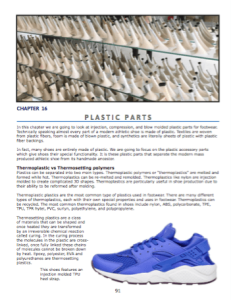
Plastic parts A quick study of plastic molding for shoe parts. Almost every part of a modern athletic shoe is made of plastic,

Chapter 16: Plastic parts

A quick study of plastic molding for shoe parts.
Almost every part of a modern athletic shoe is made of plastic, we will look at injection, compression, and blow molded plastic parts for footwear. Technically speaking, textiles are woven from plastic fibers, foam is made of blown plastic, and synthetics are actually sheets of plastic with plastic fiber backings. We are going to focus on the plastic accessory parts which give shoes their special functionality.
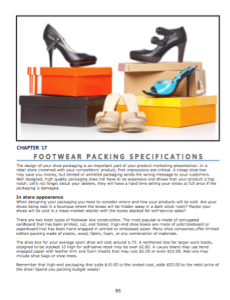
Footwear Packing Specifications How to design and specify packing materials for shoes.

Chapter 17: Footwear Packing Specifications

How to design and specify packing materials for shoes.
Shoe packaging is a significant part of your product marketing presentation. It is also important to consider where and how your products will be sold. The shoe box for your average sports shoe may cost anywhere from $0.75 to $10 for high-end packaging. Learn how the corrugated board is specified by the weight of the skin papers and the size of the flute pattern and get the details on inner box vs. case box, graphics effects, die lines, etc.
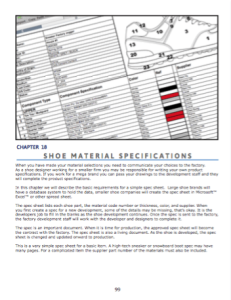
Shoe material specifications How to create a footwear specification.

Chapter 18: Shoe material specifications

How to create a footwear specification.
A detailed specification sheet is absolutely critical to your success. We will describe the requirements for your specification sheet, material maps, header details, how to specify the outsole unit and we will show you samples. The best materials used in basketball shoes.
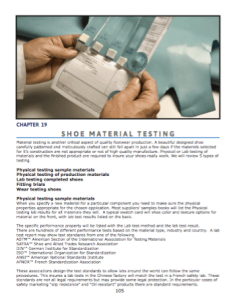
Shoe material testing Testing requirements for shoes and shoe materials.

Chapter 19: Shoe material testing

Testing requirements for shoes and shoe materials.
Physical testing and lab testing of materials and the finished product are required to ensure your shoes work. We will review five types of testing including tests for waterproof shoes and bonding trials. How is a waterproof shoe made? Shoe designing materials and shoe fabric review.
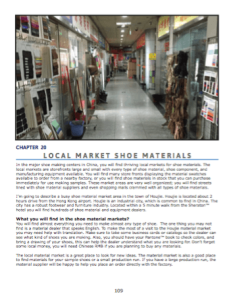
Local market shoe materials Using locally available stock materials.

Chapter 20: Local market shoe materials

Using locally available stock materials.
Local markets are storefronts large and small with every type of shoe material, shoe component, and manufacturing equipment available to buy. What will you find and how can you get the most out of your visit? Also, you must be careful when purchasing shoe materials from the local market. The supply factory’s contact information may not always be available, and there may not be material physical test data reports ready.
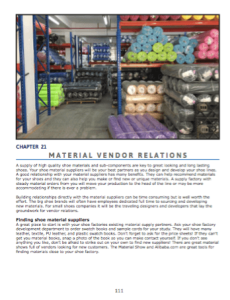
Material vendor relations How to get the most from your material vendors.

Chapter 21: Material vendor relations

How to get the most from your material vendors.
Your shoe material suppliers can be your best partners as you design and develop your shoe lines. How to find suppliers, develop materials, and what it means to nominate a supplier. Shoe material vendors and shoe material suppliers uncovered.
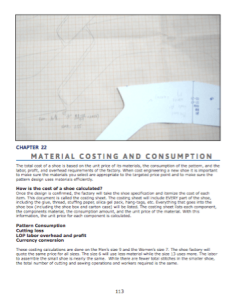
Material costing and consumption How to calculate the cost of shoe components. Pattern consumption, cutting loss, labor, overhead, and profit and currency conversion are all important factors which make up the cost of a shoe.

Chapter 22: Material costing and consumption

How to calculate the cost of shoe components.
Pattern consumption, cutting loss, labor, overhead, and profit and currency conversion are all important factors which make up the cost of a shoe. See our infographic on the cost breakdown of the materials and a sample costing sheet. What are women’s shoes made of? See what sneakers are made out of? What are men’s shoes made of? We’ll break down the costs.
Shoe material supply chain The challenges of sourcing footwear materials.

Chapter 23: Shoe material supply chain

The challenges of sourcing footwear materials.
When looking at the supply chain for a specific material, there are four main factors to consider which include the country of origin and the vendor purchase terms. These factors along with others will be different for every material you specify. What are the materials used to make shoes?  Shoe fabrics, shoe leather, synthetic mesh, what materials are basketball shoes made of, and more. Remember, even a simple shoe can have materials from over a dozen different shoe material suppliers.
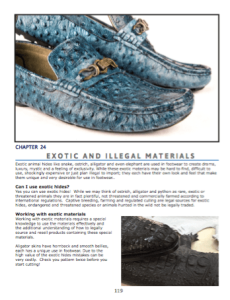
Exotic and illegal materials How to know if rare materials are safe and legal to use.

Chapter 24: Exotic and illegal materials

How to know if rare materials are safe and legal to use.
Exotic animal hides like snake, ostrich, alligator, and even elephant are used in footwear to create drama, luxury, mystique and a feeling of exclusivity. What do they cost and how do you work with them?
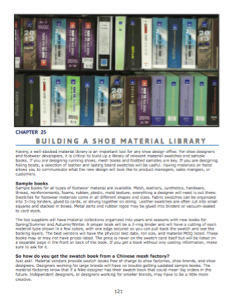
Building a shoe material library Tips and techniques for collecting material swatch books.

Chapter 25: Building a shoe material library

Tips and techniques for collecting material swatch books.
It is critical to build a library of relevant material swatches and sample books. Having materials on hand allows you to communicate what the new design will look like to product managers, sales managers, or customers. How to get the most from shoe material vendors, shoe material suppliers, and shoe material manufacturers.
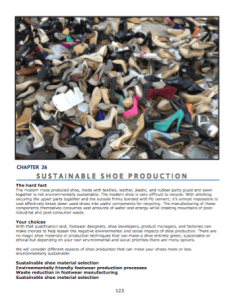
Sustainable shoe production How to reduce the environmental impact of your shoes.

Chapter 26: Sustainable shoe production

How to reduce the environmental impact of your shoes.
Footwear designers, shoe developers, product managers, and factories can make choices to help reduce the negative environmental and social impacts of shoe production. We will consider different aspects of shoe production that can make your shoes more or less environmentally sustainable.
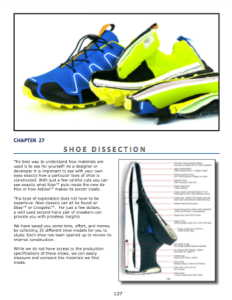
Shoe dissections Cross section views of popular shoe styles. The best way to understand how materials are used is to see for yourself!

Chapter 27: Shoe dissections

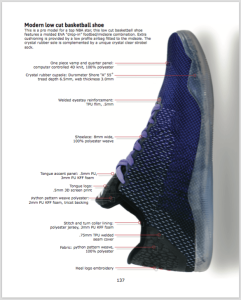
Cross section views of popular shoe styles. The best way to understand how materials are used is to see for yourself! We have saved you some time, effort, and money by collecting 35 different shoe models for you to study. Each shoe has been photographed, opened up, and labeled to expose and review its internal construction.  See what Nike Shoes are made out of, what Vans shoes are made out of, what women’s shoes are made out of, how a running shoe is made, what are the best materials for shoes,  what hiking boots are made out of, how a basketball shoe is made and more. You’re going to love this!
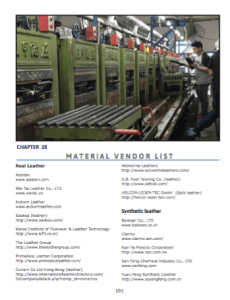
shoe materials supplier sneaker materials list Shoe material vendor list

Chapter 28: Shoe material vendor list

Where to find top quality shoe materials. A listing of our favorites and their websites. Shoe material makers. Shoe material vendors. Shoe material suppliers. Shoe materials supplier information and sneaker materials list are listed in detail.

New Online Course
How to Select Shoe Materials

14 Shoe Material lessons. Over 4 hours of video instruction. In-depth study of leather, textiles, synthetics, and plastics for footwear. Material Design Guide Textbook included.
Course Details
enroll now $399

Posted on

Shoe Dissection: Inside the Nike Kobe XI Elite Low

see inside the Nike Kobe Elite XI, How are shoes constructed? Types of shoe construction

Shoe Dissection: See Inside Nike Kobe XI Elite Low
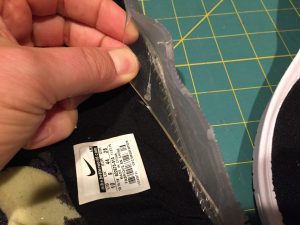
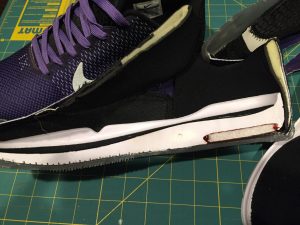
Today we have a pair of the Nike™ Kobe XI Elite Lows in the Sneaker factory teardown lab. The color is Hyper Grape, Black with a clear gel sole. Sorry to all you Nike and Kobe Fans but we are cutting this shoe apart right now! If you like the youtube channel The Sneaker Chop you will like this.

The Kobe XI Elite Low is made by force lasting or stobel lasting. This is the most common construction technique for Air Jordan and Nike basketball shoes. One unique thing about the Kobe XI Elite bottom unit is the clear rubber sole and clear stobel sock. These allow you to see through the bottom and into the shoe. The assembly process for the Kobe XI is conventional except the shoe cement must be clear and have a UV stabilizer to prevent the sole from yellowing. The glue is carefully applied to maximize the see-through effect.

Kobe XI Elite low outsole with clear rubber and stobel

The rubber sole part is made by conventional rubber compression, but the tooling has some special features. The inside of the Kobe IX bottom tooling has a smooth polished finish instead of rough texture designed for maximum bonding. During disassembly we found this did cost Nike some bonding strength, the Strobel was easy to pull off – the bond was not to the standard 4KG per square cm.

The Strobel sock material is a blue-tinted clear nylon plastic sheet. This is a unique Strobel material, most shoes have stitch bonded polyester fabric. The Strobel stitching thread is clear nylon mono cord thread. Mono cord thread is much like fishing line.

Kobe XI Elite low drop midsole  the sneaker chop
Kobe XI Elite low drop midsole the sneaker chop

The Kobe XI Elite Low also features a drop in combination midsole/footbed. Rather than trapping the midsole between the Strobel sock and the rubber outsole, the midsole is molded with footbed contours on top. The stated benefit is that this allows the foot to be closer to the floor. The downside is the midsole and footbed are now a single density of the foam. In this case, the standing surface has a higher density than a conventionally made basketball shoe. The cost is a reduced “try on” comfort in stores.

The Nike Kobe XI Elite upper is 4K computer knit fabric. The fabric is reinforced with a welded TPU eyestay and non-woven internal eyestay. The tongue lining, internal gussets, and the toe lining are constructed with 3mm air mesh.

If you want to see more check out the book Shoe Material Design Guide 

Shoe Material Design GuideDo you want to be a professional shoe designer? You must learn how to select and specify shoe materials correctly. Our newest book, the Shoe Material Design Guide, details all the shoe materials you will need to make modern athletic, classic casual, and high fashion footwear.
Each chapter covers a specific shoe material type. You will learn how each material is made, the options available, and how to specify the material correctly. We have chapters on shoe leather, textiles, synthetics, shoelaces, glue, reinforcements, hardware, logos, midsoles, outsoles, and more!

 The Sneaker Chop
Shoe Material Design Guide

We have included annotated cross sections of over 30 different shoe types. You can see exactly how each material is used inside real production shoes. See inside basketball shoes, running shoes, track spikes, hiking boots, work boots, high heels, cowboy boots, and many more!
Do you want to see sneaker chops?

You will also find information on topics such as material testing, sustainable production, exotic materials, and more. Written as a companion to our best selling How Shoes Are Made, the Shoe Material Design Guide digs deeper into the world of footwear materials and design. Softcover, 330 color photos,  28 chapters, 195 pages.

Posted on

4D Knit Flyknit™ Shoe Construction

how to make nike flyknit

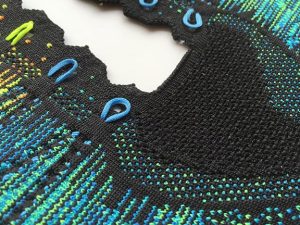
nike flyknit shoe materials Introduced in 2012, Nike™ Flyknit™ technology, also called 4D knitting is changing the way athletic shoes are made.
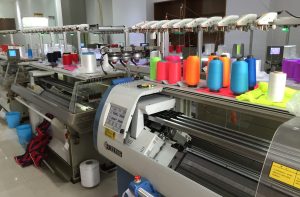
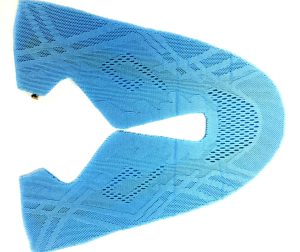
A one-piece upper design is produced by a CNC knitting machine then assembled with the tongue, lining materials, and reinforcements. This knitting technology once found only on expensive shoes is rapidly expanding to lower-priced shoes.  You can find running shoes made by Nike™, Tubular X Knit Soccer shoes, Hyper Boost™ from Adidas™, and even Chinese local market casual shoes are now being made with 4D knitting technology.  In the major shoemaking areas of China, the CNC kitting machine is becoming a common sight.
shoe making machine flyknit factory

Flyknit Construction

To construct the one-piece upper, the knitting machine is loaded with polyester, nylon, or spandex fibers. The newest knitting machines can handle a mix of fibers and up to 10 colors at one time. The machine can be programmed to knit one upper at a time or 3 uppers with a maximum width of 90cm.
Depending on the programming and fibers selected, the upper can be thin and stretchable or thick and stretch resistant. The design opportunities are nearly infinite with fiber options, colors choices, knit densities, and openings configurations.
shoe making machine flyknit factory

4D Knitting Cost

The cost depends on the number of colors and fiber types. A single color polyester fiber design may cost $2.50, while a multi-color, polyester spandex combination can cost $7.50 per upper.
Flyknit_shoe_construction3
MOQ (Minimum Order Quantity) is around 1000 pairs, with a setup fee per design of $300. Sample development is fast – just 7 to 10 days, this may take longer if custom color fibers are required. Once the design is confirmed the automated production can run around the clock. 1000 parts can be done in 7 to 10 days, less depending on how many knitting machines are deployed.

Flyknit Construction and Design

While these shoes look like they are entirely constructed with the knit material, the internal linings, reinforcements, and padding are exactly what you will find on a conventionally cut and stitched shoe.

There are many firms in China that now offer one piece knit shoe uppers.

Guoyao Technology Co., Ltd.
Prima Knit
nike flyknit shoe materials Introduced in 2012, Nike™ Flyknit™ technology, also called 4D knitting is changing the way athletic shoes are made.
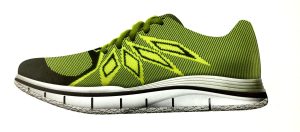
A one-piece upper design is produced by a CNC knitting machine then assembled with the tongue, lining materials, and reinforcements. This knitting technology once found only on expensive shoes is rapidly expanding to lower-priced shoes.  You can find running shoes made by Nike™, Tubular X Knit Soccer shoes, Hyper Boost™ from Adidas™, and even Chinese local market casual shoes are now being made with 4D knitting technology.  In the major shoemaking areas of China, the CNC kitting machine is becoming a common sight.
shoe making machine flyknit factory

How to Pick Shoe Materials

Start with In-depth reviews of material types available in modern shoemaking. Learn the Technical details of shoe material specification. 195 pages or 300 color photos.

Learn more

on sale $39.99

Flyknit Construction

To construct the one-piece upper, the knitting machine is loaded with polyester, nylon, or spandex fibers. The newest knitting machines can handle a mix of fibers and up to 10 colors at one time. The machine can be programmed to knit one upper at a time or 3 uppers with a maximum width of 90cm.
Depending on the programming and fibers selected, the upper can be thin and stretchable or thick and stretch resistant. The design opportunities are nearly infinite with fiber options, colors choices, knit densities, and openings configurations.
shoe making machine flyknit factory

4D Knitting Cost

The cost depends on the number of colors and fiber types. A single color polyester fiber design may cost $2.50, while a multi-color, polyester spandex combination can cost $7.50 per upper.

How to Pick Shoe Materials

Start with In-depth reviews of material types available in modern shoemaking. Learn the Technical details of shoe material specification. 195 pages or 300 color photos.

Learn more

on sale $39.99
Flyknit_shoe_construction3
MOQ (Minimum Order Quantity) is around 1000 pairs, with a setup fee per design of $300. Sample development is fast – just 7 to 10 days, this may take longer if custom color fibers are required. Once the design is confirmed the automated production can run around the clock. 1000 parts can be done in 7 to 10 days, less depending on how many knitting machines are deployed.

Flyknit Construction and Design

While these shoes look like they are entirely constructed with the knit material, the internal linings, reinforcements, and padding are exactly what you will find on a conventionally cut and stitched shoe.


New Course
How to Select Shoe Materials

14 Shoe material lessons.
Over 4 1/2 hours of video instruction.
In-depth study of leather, textiles, synthetics and plastics.
Material Design Guide Text Book included.

Learn more
enroll now $399

Posted on

The Designers Guide to Shoe Material Suppliers

Shoe Material Suppliers

A supply of high-quality shoe materials and subcomponents is key to great looking and long lasting shoes. Your shoe material suppliers will be your best partners as you design and develop your shoe lines.  A good relationship with your shoe material suppliers has many benefits. They can help recommend materials for your shoes and can also help you make or find new or unique materials.  A supply factory with steady material orders from you will move your production to the head of the line or may be more accommodating if there is ever a problem.

Finding Shoe Material Suppliers:

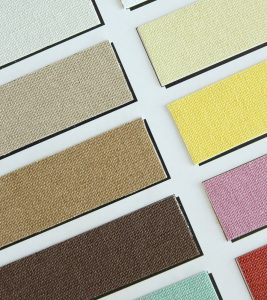
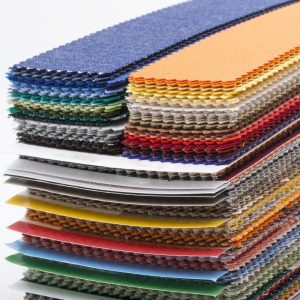
A great place to start is your shoe factory’s existing material supply partners.  Ask your shoe factory development department to order swatch books and sample cards for your study.  They will have many types of leather, textile, PU leather, and plastic swatch books. Don’t forget to ask for the price sheets!  If they can’t get you material books, snap a photo of the book so you can make contact yourself.  If you don’t see anything you like, don’t be afraid to strike out on your own to find new suppliers!  There are great material shows full of vendors looking for new customers.  The Material Show and  Alibaba.com are great tools for findings materials close to your shoe factory.

Shoe Material Suppliers Will Come to You:

Once you get started material suppliers will be coming to you.  If you work for a major brand you may need to turn suppliers away!  Longtime relationships with material supply reps is also a great way to get some “inside” information.  “Oh, yea we are making tons of this material for ……….and ………”  Your material rep is also a great source of industry gossip.  “Did you hear that so and so has moved to the new shoe company in Portland?”  Keep your eyes and ears open!

Local Market Shoe Material Suppliers:

Depending on the location of your shoe factory you may be close to local shoe material markets.  These market areas are a great place to seek inspiration, and everything is for sale!  But watch out for the material quality, make sure you test any local market materials before production.

Visiting Your Shoe Material Suppliers:

When traveling overseas make time visit your existing material suppliers to see how they really make their products.  Supplier visits are always a worthwhile use of your time. You will gain insights as to the vendor’s capabilities and processes. You may see something that peeks your imagination!  A new machine, or process, an old machine, a competitors material in production, there is much to see if you are there on the ground with your eyes and ears open.

Here is a short list of the many shoe material suppliers available to you.

Designers Guide to leatherReal Leather for Shoes

Asiatan  

Wolverine Leathers

Auburn Leather

PrimeAsia Leather Company

shutterstock_236482477 Synthetic leather for shoesSynthetic leather for shoes

Clarino

Nan Ya Plastics Corporation   

San Fang Chemical Industry Co., LTD    

shutterstock_204302266 Textiles for Shoe designs Textiles for Shoes

Bu Kwang Textile Co., LTD

Faytex Corporation

Ducksan Co., LTD

Yuan Ling Knitting Ind. Co., LTD

Cosmo

Shutter stock - Lining Fabric for ShoesLining Fabric for Shoes

Trendware

Cosmo

Yuan Ling Knitting Ind. Co., LTD

shutterstock_131262197 Thread for ShoemakingThread for Shoemaking

American & Efird, Inc

Coats Thread

shutterstock_304861562 Lasting board for shoes Lasting Board

Bontex, INC

Texon International

Cosmo  

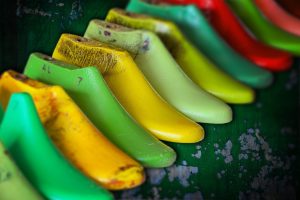
Jones & Vining Shoe Lasts

HardwareMetal Hardware

Dae Sung Co. LTD.

shutterstock_174062552Shoe Laces/Webbing / Trims Etc./Reinforcements
Paiho Group

Unmay Label MFG Corp.

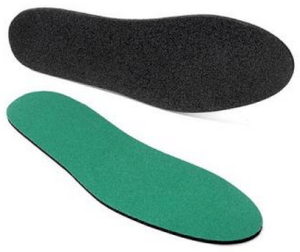
shoe design flat footbedFootbed foam

Rogers Corporation

Ortholite Foam

Ultralon Foam

shutterstock_111577298Lasts

Jones & Vining, Incorporated

Framas

shutterstock_8060026Outsoles

Jones & Vining, Incorporated

Vibram Outsoles

http://www.jonesandvining.com/footwear.html

PU Outsoles

Meramec Group

Water Proof Film For Shoes

SympaTex Technologies, Inc.