Build Your Skills! Articles, Textbooks, Online Video Classes
Selecting suitable materials for your shoe designs is very important.
Your material choices determine the look, quality, price, duty rate, and durability of your footwear project.
Honestly, I have made many material selection mistakes that cost me time and money. It’s common in footwear development to start a project with one material in mind only to find out it’s not going to work as you intended. You will have to spend time contacting new shoe material suppliers and testing new products until you find the right one.
Your shoe material selections impact the cost and import classification of your shoe. Therefore, as a shoe designer, footwear developer, or brand manager, you need to understand how to make material substitutions that don’t compromise the shoe design and improve your profit margins.
Shoe Material Design Skill
Builder
Watch Wade Motawi review the ways to build your skills in selecting and specifying footwear materials. Improve your shoe design skills today.
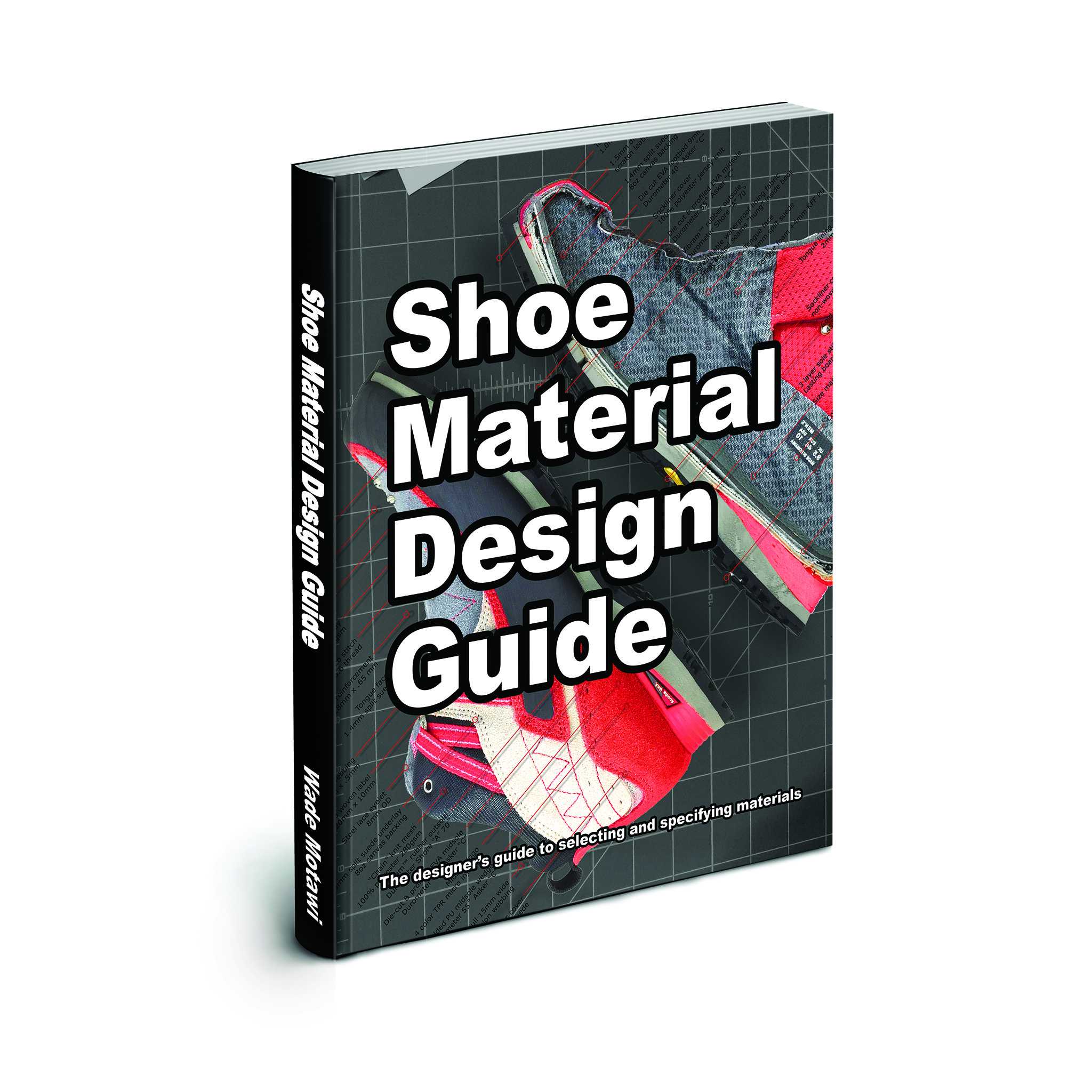
Start with an in-depth study of material types available for modern shoemaking. Learn the technical details of material specifications. 195 pages and 300 color photos.
Buy Now
on sale $39.99
Become a better shoe designer, developer, or brand manager. Solve your footwear material selection and sourcing questions. Learn How To Select Shoe Materials from a pro. Lessons include:
How to select the correct shoe material.
How to create a detailed footwear material specification.
How to source the material from suppliers.
How to calculate the material cost effect on the shoe.
How to ensure the material is import duty efficient.
How to lab test the material’s strength and wear test its durability.
New Online Course How to Select Shoe Materials
14 Shoe Material lessons. Over 4 hours of video instruction. In-depth study of leather, textiles, synthetics, and plastics for footwear. Material Design Guide Textbook included.
Course Details
enroll now $399
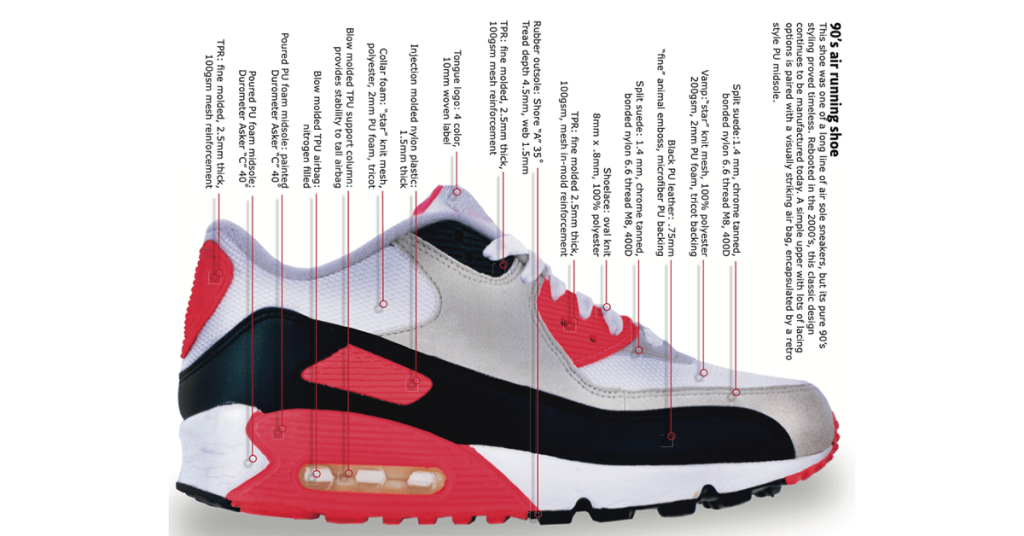
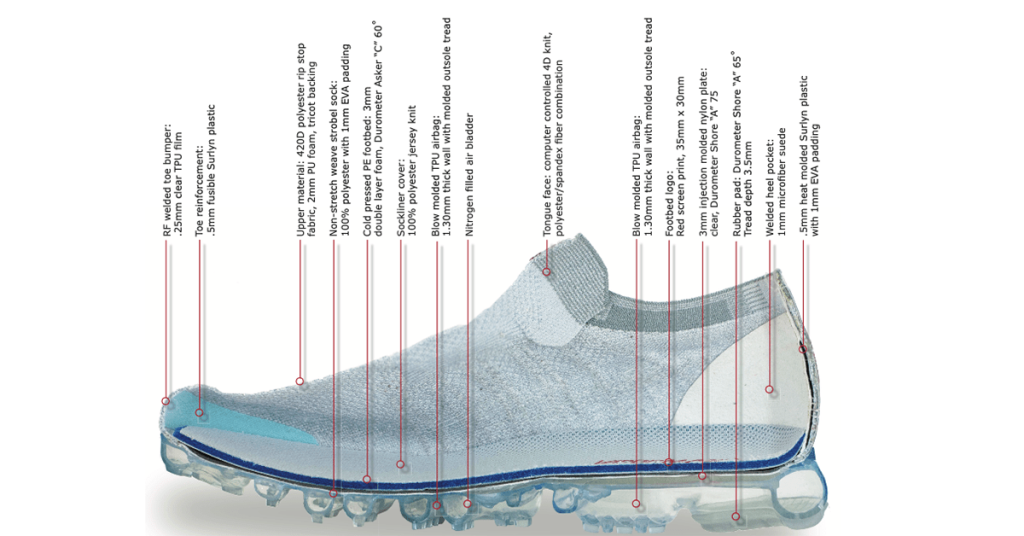
What raw materials does Nike use to make shoes? Here at the Sneaker Factory, we have examined many Nike shoe styles to find out exactly what is inside. We have sectioned The Air Jordan 1, the Nike Vapor Fly, Nike ZoomX Vaporfly Next%, the Air Max 90, Kobe 4, and other popular Nike models to see what is inside. So, what materials will you find inside a Nike shoe?
Nike Shoe Materials
Most Nike shoes use a mix of leather, fabric, foam, and rubber. The Nike classics and deluxe model basketball shoes will have real leather parts. Nike running shoes and modern performance baseball shoes are generally made with lightweight fabric uppers in place of heavier leather.
By weight, rubber is the main component; by volume, foam is the main component.
Does Nike use special shoe materials?
Nike builds their shoes with very high-quality materials, but they are not exactly “special.” Yes, some Nike models, such as the Nike ZoomX Vaporfly Next%, have unique weaves of upper mesh, but any shoe brand can purchase the Pe-bax™ foam midsole material in the Next%.
Start with an in-depth study of material types available for modern shoemaking. Learn the technical details of material specifications. 195 pages and 300 color photos.
Buy Now
on sale $39.99
Are shoes made of plastic?
Are Nike shoes made of plastic? The answer is yes. Almost every part of a Nike shoe is plastic. The EVA (Ethylene Vinyl Acetate) foam inside Nike shoes is soft, flexible plastic filled with air bubbles. Additionally, the nylon and polyester fabrics in Nike shoes are composed of fine plastic fiber threads woven together. The PU foam inside the Nike shoe is plastic, and even the thread used to hold the shoe together is plastic!
The rubber inside the shoe is a mix of real rubber and “synthetic rubber.” Synthetic rubber is an artificial elastomer synthesized from petroleum byproducts. So yes, the rubber inside a Nike shoe is made of plastic.
Yes, this shoe is made of 100% plastic.
Foam in Nike shoes
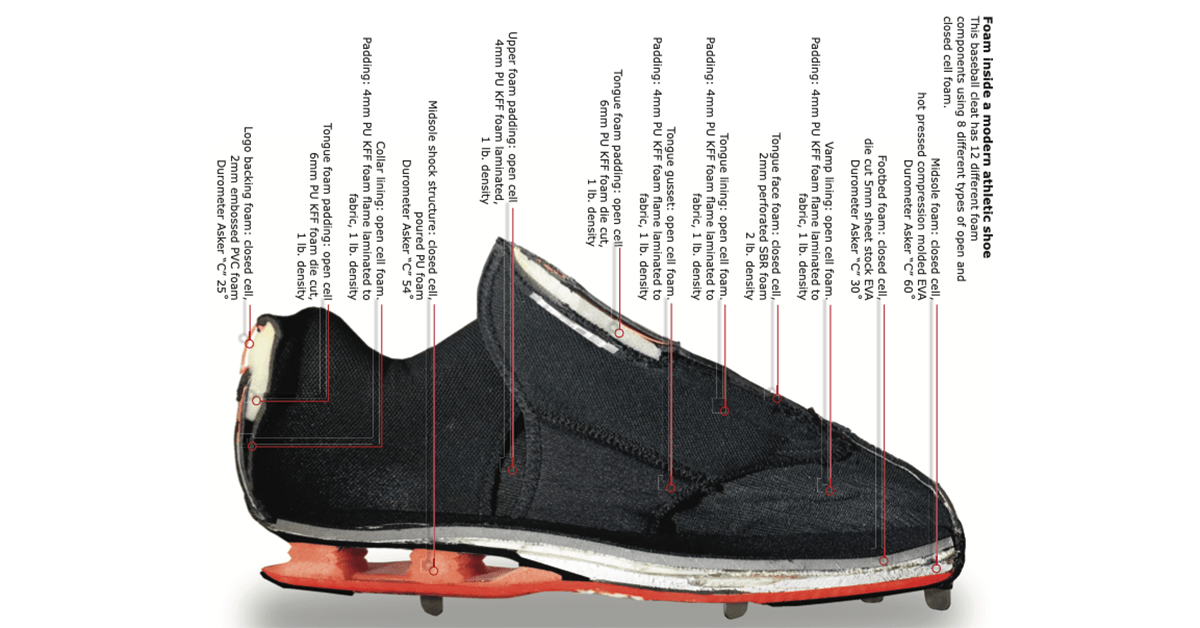
Inside every Nike shoe, you will find several foam types. Both open and closed cell foams provide comfort, cushioning, and structure to a shoe. Nike midsoles are made with closed-cell EVA foam, closed-cell PU foam, and closed-cell Pe-Bax foam. Some outsole bottoms of lightweight Nike shoes are made from closed-cell “blown” rubber foam. Nike sneaker footbeds are made from closed-cell EVA foam and “crystalized” PU foam.
This Nike shoes has six different types of foam inside!
Inside the uppers of most Nike shoes, you will find open-cell PU “sponge” foam. The soft collars and plush tongues of Nike running and basketball shoes are nearly all constructed with open-cell PU foam.
Creating sustainable products is a challenge for everyone on the footwear product team. Footwear designers, developers, marketing managers, and product managers all play a role in creating more sustainable products. Everyone must work together to ensure the product meets sustainability goals.
1. Don’t become trapped by unrealistic sustainability goals
Creating sustainable footwear is a huge challenge. Aim high but remember that sustainability is a process, and every little bit helps. Not every part of a shoe has a workable “green” alternative. If your team can add one sustainable feature, material, technology, or process per season, you are doing great!
2. Don’t tackle product sustainability alone
Creating more sustainable footwear is a team effort. The shoe designer must balance the shoe’s aesthetic quality with sustainable material choices while the product developer examines the hidden materials and processes. For example, it’s the footwear developer’s responsibility to find a water-based glue that will work. Meanwhile, the shoe designer’s challenge is to combine the limited material choices into a pleasing and saleable design.
The footwear product manager needs to make sure the sustainable choices do not break the product budget. There is a limit to the price premium customers will pay for sustainable alternatives. Roughly 80% of people will pay 5% more for the sustainable choice. When that choice costs 15% more, only 40% of customers are willing to purchase the more sustainable option.
The Ultimate Shoe Material Textbook
Start with an in-depth study of material types available for modern shoemaking. Learn the technical details of material specifications. 195 pages and 300 color photos.
Buy Now
on sale $39.99
3. Don’t get stuck on a sustainable “LOOK”
While improved sustainability should be a goal for every shoe company, that does not mean the product aesthetic must tell the sustainable story. Yes, a sexy and sleek high-heel shoe can (and should) have sustainable components, but, most likely, you will not achieve this elegant look with a chopped-up, recycled rubber outsole and organic cotton upper.
High-performance sport or luxury shoes may have sustainable features and internal components, which the product marketing team completely ignores. If it’s not part of your brand image, it’s okay to avoid sustainability in your marketing.
4. Don’t compromise safety or performance for sustainability
Do not compromise the integrity of high-performance products to meet sustainability goals. What does that mean? High-performance products have demanding material specifications for both product function and product safety. There may not be an alternative “green” material that does the job.
5. Don’t forget to read between the lines on your sustainability choices
Be careful, Some “sustainable materials” are not all they seem to be or may have unintended consequences when used. For example, organic cotton production and its high water requirements may not be a great choice for footwear when compared to standard, non-organic cotton growing. Studies suggest it takes twice the amount of water to grow organic cotton. With clean water in short supply, we need to look at close loop water usage.
Ocean plastic or “near ocean plastic” production sounds like a great idea, but…read the material descriptions carefully. Plastic removed from the ocean is a hash of many different plastic compounds. This mixed plastic material is reground and remelted, then remixed with virgin plastic to make a material suitable for reuse. The catch here is the final amount of actual ocean plastic may measure only 2% of the finished product by weight. Yes, 2% is great, but add in the extra energy inputs needed to make the “recycled” material, and it may not be so great anymore. So, what is “near ocean plastic?” Near ocean can mean plastic recovered within a few miles of the ocean. Think of coastal cities like New York, Houston, Miami, and Los Angeles. Everything recycled in these cities would be “near” the ocean. Does this really help keep the oceans clean?….maybe.
As you can see, making your shoes more sustainable is a goal you should keep working toward. But, you need to approach sustainability carefully to ensure your efforts are indeed beneficial and not counterproductive to protecting the environment. Maybe your product can not be sustainably manufactured? This does not mean your company must sit on the sustainable sidelines. Use your sustainability budget to plant trees, install solar, buy green power, or purchase carbon offsets.
Is it possible to design sustainable footwear that is comfortable, fashionable, and helps to reduce global warming? Soléi Sea has found a way! Here are 5 eco-friendly ways they nailed it and 5 more footwear sustainability tips coming next week.
With initial sales soaring, hot, new, sandal brand Soléi Sea gives the simple flip-flop a sustainable makeover and proves that sustainability is indeed in style. Their production and design teams looked at every component in their new Indie flip-flop design and developed a strategy to improve the global footprint of their brand.
5 easy ways Soléi Sea nailed it…we give them a 5/5 in our sustainability update ♻️♻️♻️♻️♻️.
Sustainable Footwear Material Choices
Silk Screen vs. Sublimation Printing
The first thing we notice on the Soléi Sea sandal is the vivid camouflage color scheme. The sublimation process makes this colorful pattern possible. A computer printer deposits ink onto transfer paper; a heat press then transfers this special ink to the shoe material surface. Unlike traditional screen printing processes, there is no messy liquid ink or toxic solvents. Additionally, the sublimation process prints every color at once, reducing the handling required. The sublimation process requires a white base fabric and thus water-intensive chemical dyeing processes can be avoided.
Sustainable footwear lasting boards
The Soléi Sea sandals are made with a recycled paper lasting board. Now common in footwear, sustainable lasting board products are manufactured using recycled post-consumer raw materials and post-production scrap. In some cases, the sustainable, recycled product option can also be less expensive.
Natural vs. Human-made Latex Foam
This sandal is made with a cushioned latex foam. Latex foam for footwear can be made from 100% natural latex rubber sap or human-made synthetic latex. Care must be taken to ensure the natural latex sap is sustainably collected and the many native workers are fairly compensated. For latex, a middle ground is sought that combines both naturally sourced and human-made latex.
Vegan leather in footwear
Vegan leather is a human-made material. In the case of Soléi Sea, recycled polyester is used to make the microfiber backing fabric. The skin surface is a thin machine made film designed to accept the vivid colors of the sublimation printing. By choosing not to use animal leather, Soléi Sea is doing its part to reduce the intensive and negative environmental impacts of bovine leather production.
Organic fibers in shoes
Every single part of this classic sandal can have a sustainable makeover. Even the hidden reinforcements can be made with recycled polyester webbing or organic fiber cordage. In this case, the straps are reinforced with recycled fiber webbing.
ECO TR outsole rubber
Soléi Sea makes their sandal bottom with a recycled ECO TR rubber outsole. Because the factory makes the sole using an injection process, there is almost no manufacturing waste scraps. The Soléi Sea bottom supplier has a unique compound that reprocesses post-consumer and post-production materials into high-quality parts that do not look recycled.
Water-based cement for shoes
The sole unit and foam parts of the sandal are bonded together with water-based cement. Water-based cement is the more sustainable choice because it has no toxic solvents or volatile chemicals. Water-based shoe cement improves the worker’s health and the world’s environment. New advances in water-based bonding technology have improved its strength and reduced the energy required to cure the cement.
Sustainable shoemaking
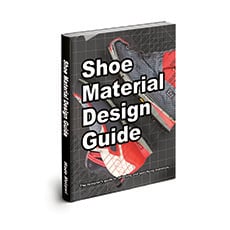
To learn more about sustainable shoe making check out the Shoe Material Design Guide. This book covers all types of shoe materials including leathers, rubbers, fabrics, and sustainable options.
Designing and producing sustainable shoes can be difficult but is an important factor to consider in today’s world of increasing climate change and climate change activism. We must think ahead and start with the design and material selection, to reduce our carbon footprint as consumers and manufacturers in the shoemaking industry. The modern mass-produced shoe, made of textiles, leather, plastic, and rubber parts all glued and sewn together is not environmentally sustainable.
The global footprint of shoemaking
The modern shoe is very difficult to recycle. The shoe factory workers secure the upper parts with stitching, and firmly bond the outsole parts with PU cement. Used shoes and sneakers are almost impossible to break down into useful components for recycling. The manufacturing of these components themselves consumes vast amounts of water and energy while creating mountains of post-industrial and post-consumer waste.
Your choices for sustainable shoe production
With that qualification said, footwear designers, shoe developers, product managers, and factories can make choices to help reduce the negative environmental and social impacts of shoe production. There are no magic shoe materials or production techniques that can make a shoe entirely green, sustainable, or ethical. Depending on your own environmental and social priorities, there are many options available.
We will consider different aspects of shoe production that can make your shoes more or less environmentally sustainable:
1. Sustainable shoe material selection
2. Environmentally friendly footwear production processes
3. Waste reduction in footwear manufacturing
Organic vs. man-made textiles
If your priority is drinking water preservation, then using man-made textiles is a better choice than cotton and other natural textiles. Both cotton and man-made fibers require large quantities of water for dyeing processes. Fortunately, the water in an industrial facility can be recovered, recycled, and reused in a closed-loop system. In Southern China, local governments have forced textile dyeing houses to relocate into industrial estates with controlled water purification facilities.
The process of growing cotton, especially organic cotton, consumes enormous quantities of water that is not reused in a closed-loop. Some studies estimate that more than 700 gallons (2,700 liters) of water is required to make the cotton for one cotton t-shirt! Yes, once we use water in the cotton fields, it does return to nature, but it is no longer available to drink or grow food crops.
On the flip side of cotton and natural fibers, is the production of man-made polymer-based fabrics such and nylon or polyester. The amount of water required to make these fibers is radically less, but the energy requirement is higher, and there is a greater danger of water contamination from petrochemicals.
The Ultimate Shoe Material Textbook
Start with an in-depth study of material types available for modern shoemaking. Learn the technical details of material specifications. 195 pages and 300 color photos.
Buy Now
on sale $39.99
Natural vs. man-made “leather”
Natural leather from animal hides also requires large amounts of water. According to studies done by a major leather producer, raising animals and processing their hides requires over 264 gallons (1,000 liters) of water to produce two square feet of leather. Two square feet of leather is enough to make just one pair of shoes. Raising animals and then processing leather into hides has a two-fold effect on the environment. The contaminated and harmful agricultural run-off plus water containing hazardous tanning byproducts. Water aside, the treatment of animals is a significant concern for vegan customers while the production of human-made imitation leather is not regularly considered a moral hazard.
As with fabrics, the human-made alternatives to natural leather have their environmental costs. Human-made synthetic materials are very often layers of polyester fabric, foams, and fibers that are fused together. These layers are nearly impossible to separate once the shoe has reached the end of its lifespan. Producing synthetic materials also consumes energy, and the danger of water contamination from petrochemicals is high.
Natural vs. synthetic rubber
Again, the choice of rubber compounds comes down to a choice of your environmental priorities. Natural rubber production leads to increased deforestation in Southeast Asia and reduces the amount of land available for food cultivation. Synthetic rubber production requires a combination of Styrene and Butadiene. Both are petrochemicals refined from crude oil. The production of these compounds requires significant energy inputs, and both are byproducts of oil production.
Although there are many material options, each comes with either an environmental or a social cost. When you make sustainable shoes, you need to decide where your priorities lie.
Shoe materials with recycled content
Another way to reduce the overall environmental impact of footwear production is to specify some of the many footwear materials made with recycled content. When reviewing materials for sustainable shoes, it is important to understand the difference between post-consumer and post-industrial waste. Many industrial processes create waste or scrap inside the factories. However, the supply factory will recover and reprocess these materials into the finished materials. For instance, the injection molding supplier will regrind, and re-mold wasted materials. Fabric factories will chop and re-purpose textile fibers. For many factories, this is a simple and smart way to save money. Factories will collect other post-industrial waste and send it out for reprocessing into various other products.
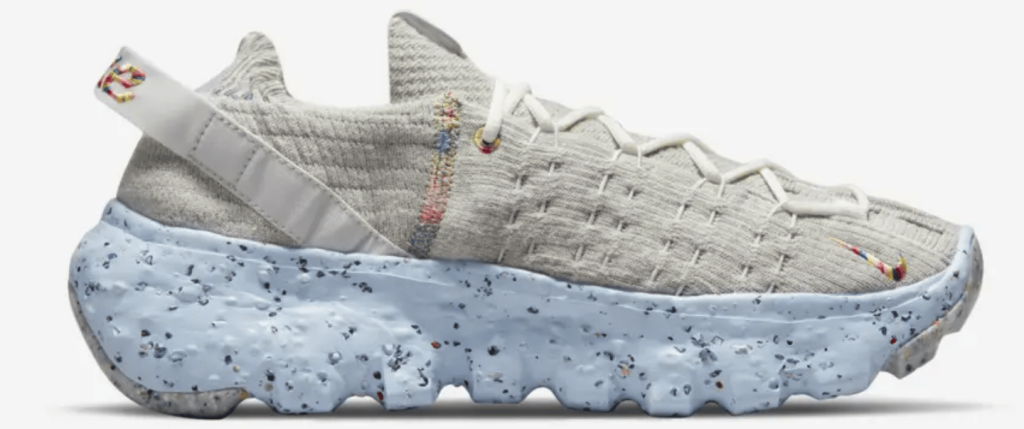
Post-consumer recycled content is produced when the raw materials are recovered from the waste stream after use. These products may cost more, as the materials may require complicated sorting, cleaning, and reprocessing. The amount of post-consumer content in a product depends on the physical properties required. Usually, higher physical test standards will demand lower post-consumer content. Fabrics are now available with 10% to 70% recycled content.
Textile factories now make many woven and knit fabrics made with post-consumer recycled PET plastic fibers. Shoe lasting-board suppliers now produce Strobel materials with both post-industrial and post-consumer waste. Paper fiber-based lasting boards often contain over 50% post-consumer waste.
Additionally, foam factories can now supply shoe footbeds and linings made with post-consumer and post-industrial recycled foam materials and new biodegradable additives are available that allow plastic to degrade in decades rather than centuries.
Sneaker Anatomy #1: Inside The Under Armour Stephen Curry 2.5
This is the first article in our series on shoe anatomy. We will cut-up some expensive shoes made by Nike, Adidas, Converse, Vans, and Under Armour. Slicing open shoes is the best way to see and learn exactly how to make sneakers. We hope you enjoy it. To see more cut-open shoes, check out theShoe Material Design Guide.
The Curry 2.5 is an upgraded version of the Curry 2, Stephen Curry’s second signature shoe with Under Armour. Built for the 2016 NBA Playoffs, the Curry 2.5 debuted on May 28th, 2016, for $135. California’s Bay Bridge, which links San Francisco to Oakland, is the inspiration for the shoe. Let’s see what’s inside this sneaker!
What are the main parts of a shoe?
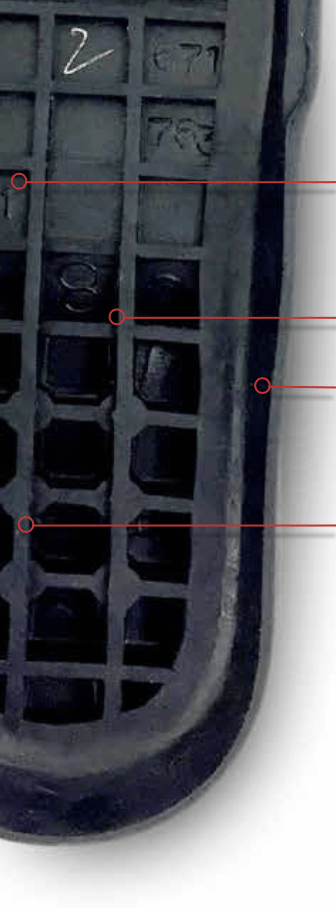
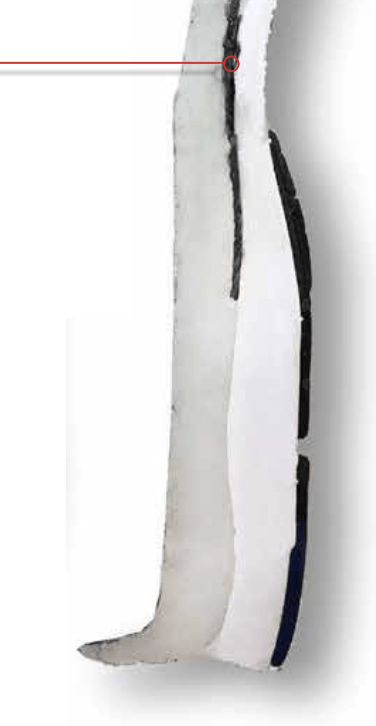
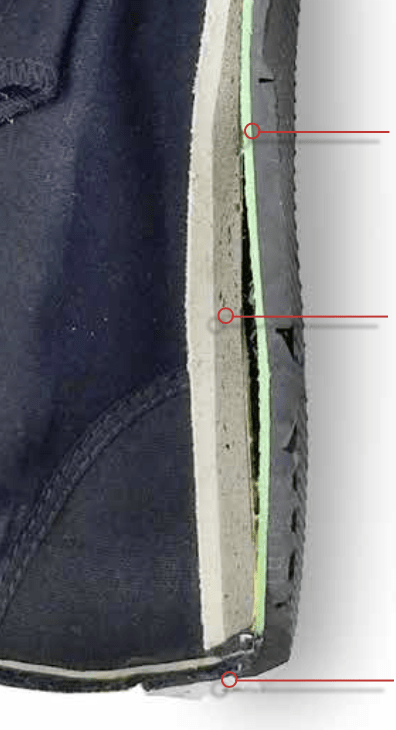
Under Armour loaded the Curry 2.5 with some great shoemaking technology. First, let’s look at the anatomy of the outsole unit. There are three components which make up the Curry 2.5 outsole; an EVA midsole, an injected plastic support shank, and a molded rubber bottom. The rubber bottom part is simple; single color, without any logos. The real technology is in the shank and misdole combination. The shank runs from the forefoot to the heel of the shoe, providing stiffness under the arch, lateral support, and a stable platform for the heel.
From the book : Shoe Material Design Guide
Curry 2.5 Upper Design
Under Armour introduced a very interesting upper mold for the Curry 2.5. As you see here, the plastic lattice that covers the upper looks like plastic injection, but it’s NOT. These fine lines cannot be made by traditional injection as plastic cannot flow into such a thin and complicated structure.
Instead, Under Armour uses a PU open mold process. First, they cut the lattice design into the surface of a metal plate. Then, they pour the plastic material (in a liquid state) over the design. Any extra material is cleared away, leaving just the liquid plastic in the metal plate’s grooves. Next, the upper fabric is pressed down onto the plate using a heated press. The heat allows the plastic to expand and bond to the fabric surface.
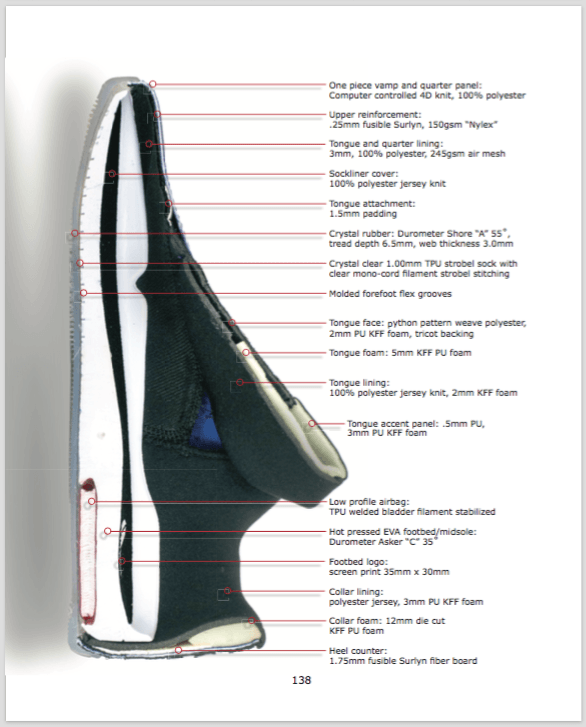
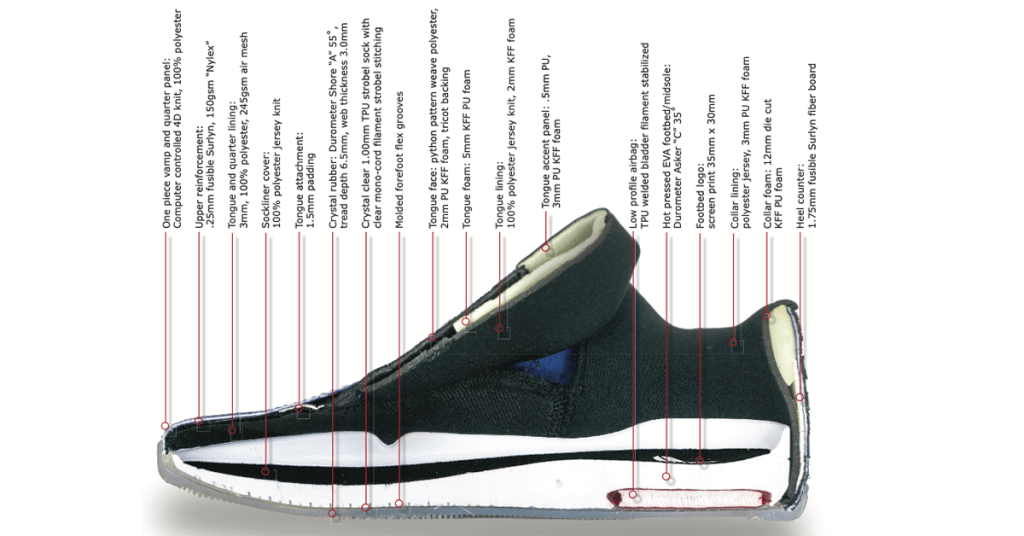
Sneaker anatomy diagram from the book : Shoe Material Design Guide
Do you want to be a professional shoe designer? You must learn how to select and specify each shoe material correctly. The Shoe Material Design Guide details all the shoe materials you need to make modern athletic, classic casuals, and high-fashion footwear. Learn more about the materials used to make shoes.
www.KINNODESIGN.com Today I want to introduce you to Mr. Jordi Montaner and his design firm KINNO DESIGN.
Jordi is an expert in the design and production of 3D knitting technology for shoes, bags, clothing, and accessories. An industrial designer from Barcelona, Spain, Jordi landed in South China, working as a Technical Manager for K-Tech, a top 3D knitting supplier. With access to state of the art 3D knitting machines in his hands, Jordi set out to create revolutionary 3D knit footwear and accessories.
WE ARE KINNO DESIGN
Our 3D knitting consultancy is helping brands to design, develop, and produce innovative textile products.
Kinno Design was born out of experience gathered from developing and producing footwear products in Asia for many industry leaders.
We are the bridge between your brand and the knitting supplier. Through mentoring and guiding your design team and Tier 1 factories, our expertise will save you both development time and production cost on all your high-end, innovative, knitting projects.
We are here to push the boundaries of knitting and focus on meaningful innovation.
Our 3D Knitting Services
Mentoring 3D Knitting Technology
Kinno Design offers made-to-measure learning programs for both the educational and the professional sector.
3D Knitting Development and Production
Kinno Design offers clients consulting services for their knitting projects. Everything from functional pattern design to material research, color interpretation, shoe construction, knitting development, post-processing variables, and mass production management.
Strategic Consulting
The complete package: a relationship that includes a consulting and mentoring agreement for a comprehensive future strategy of innovative knitting production and sustainability guidance.
FLAT KNITTING TECHNOLOGY
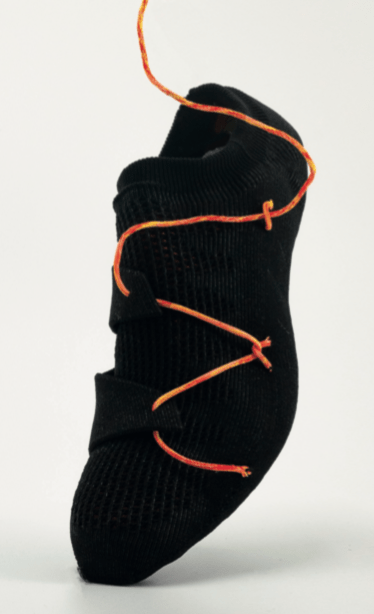
Our primary focus is weft knitting or flat knitting, a method of creating fabric that is also popularly known as 3D knitting or Flyknit.
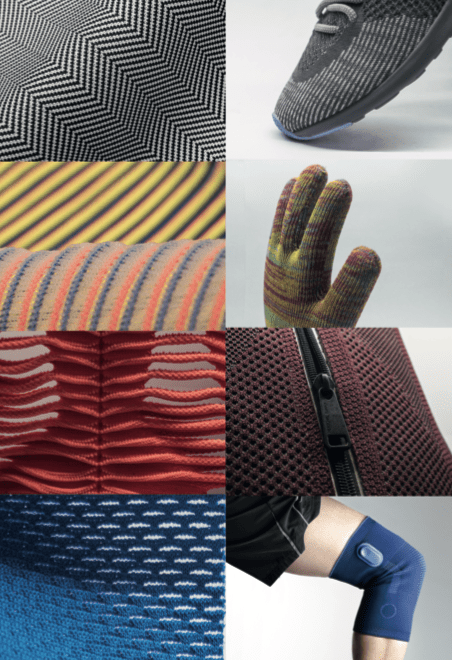
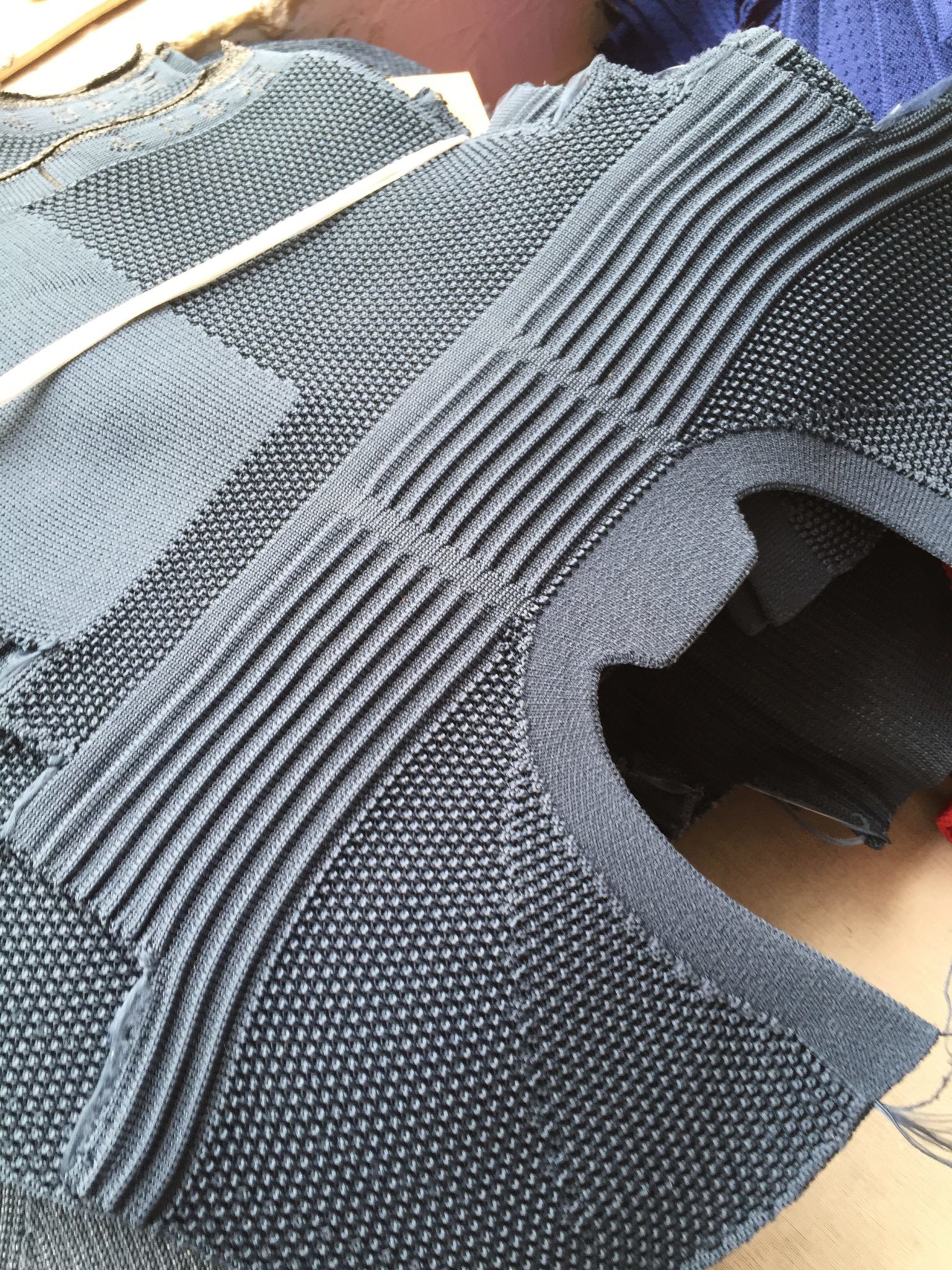
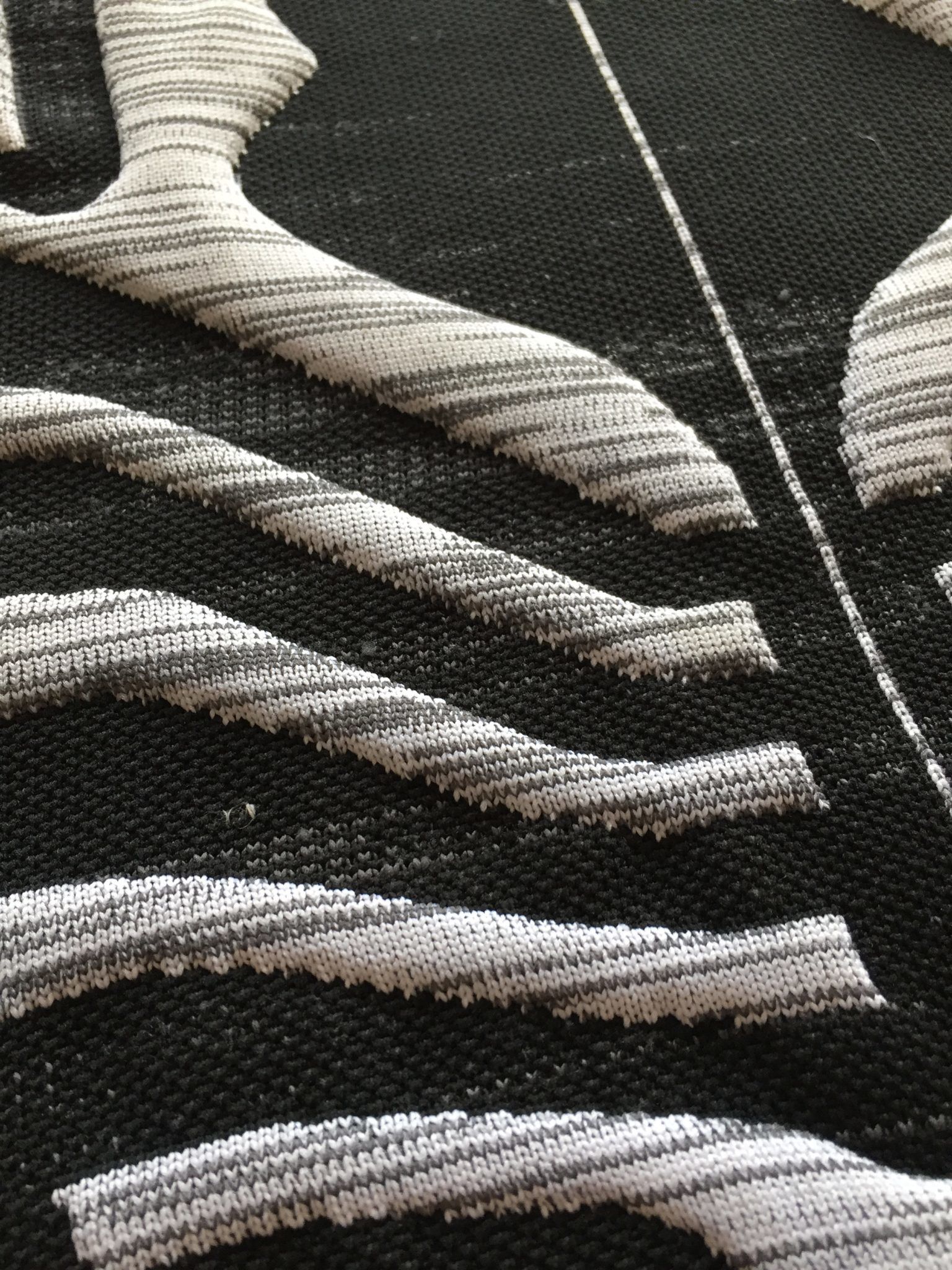
This technique has endless possibilities. Our technicians use specialized software to program the knitting machine with detailed instructions for every section of the upper. Everything from the material, the shape, the patterns, to the thickness, can be fine-tuned in different areas of the upper to get a multifunctional textile, engineered to fulfill any requirement.
VARIETY OF PRODUCTS
Kinno Design has implemented this knitting technology in many different fields, such as lifestyle and performance shoes and boots, women’s footwear, security and medical shoes, backpacks, and accessories such as hats, training gear, gloves, masks, and even sports bras.
MEET THE KINNO DESIGN TEAM
Hi! My name is Jordi Montaner, founder of Kinno Designs. I would like to personally thank you for your interest, as well as encourage you to contact us should you have any questions or requests.
HOW WE INNOVATE
Our innovation comes in many forms: a new idea, new business models, new materials, new processes, or a new knitting structure. It can be viewed as the application of better solutions that meet new requirements. There may or may not be a market for it, and maybe the industry isn’t ready yet.
We always look for meaningful innovation, exploring every direction we can imagine.
THE CREATIVE PATH
Our experience working in China taught us that innovation can come from little changes that have a huge impact on the industry. The kind of improvements that can be easily implemented and mass-produced. This innovation comes with intimate knowledge, everyday experimentation, and trial and error.
In order to innovate, we are continually researching other knitting techniques, different manufacturing methods, and fields other than shoes.
CONTACT US JORDI MONTANER jordi.montaner@kinnodesign.com
The footwear materials you select for your sneaker are what make your kicks come to life! You will find the design pattern is not the critical or special feature; the sneaker materials are. Learning how to specify sneaker materials is critical when you want to make shoes. If you want to learn how to become a sneaker designer, you must know how to specify footwear materials. You have an infinite menu of material choices and colors to create your sneaker masterpiece. Rich leathers, silky mesh, or high-tech synthetics, take your pick.
The sneaker designer must take great care to pick the right materials that can stand up to the demands of production. The demands for sneaker performance and manufacturing must be met. A beautiful material that rips during the lasting operation or fades in sunlight can’t be used. So, let’s learn how to select the right materials for your sneaker design.
Factors for Sneaker Design Materials:
When you select sneaker materials for your design project, the design brief should help guide your choices. The design brief defines the type of sneaker you are making. Kicks for basketball, trainers for chilling? Are these going to be inexpensive or premium sneakers? With your design brief in hand and some background knowledge, you can select the right materials suitable for your sneaker. The most common materials for modern sneakers are leathers, textiles, synthetics, rubber, foam, and plastic. Each has its specific uses in footwear. Depending on your design, each material will have a place in your sneaker. Material selection is one of the fundamentals of shoe design. Let’s take a quick tour of these common materials.
Leather for sneakers
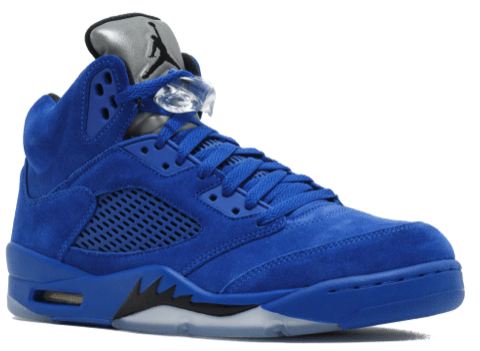
Air Jordan 5 with drum dyed blue suede
Cow leather is the most common material used for making sneakers. It is durable, flexible, stretchable, and is available in many styles, colors, and price points. It is a great material choice, and with cow hide leather, you can make beautiful, functional, and fashionable sneakers.
Real leather is alive! Not really, but the character of leather changes as it wears. A fine leather sneaker breathes and conforms like no other shoe. But, leather does have some drawbacks. It can be heavy, hot, and susceptible to water absorption and damage if not treated. Water-resistant and water-proof treatments add cost. Leather is a relatively expensive material when
compared to fabric or other human-made materials and must be treated with care during shoe manufacturing. Because leather hides are from individual animals, each is a different size, and each will have scars, imperfections, even brands that must be avoided when cutting. This uncut and unusable material is called cutting loss. For leather, the cutting loss is at best 5% of a hide. When making the highest quality shoes, shoe leather cutting loss can be 15%. That’s 15% of the material cost being thrown away.
The smooth white leather on many basketball shoes is actually suede that has been coated with a thin layer of PU plastic. This leather is called Action Leather. It is inexpensive, durable, easy to clean, and looks just like “real” full-grain leather.
The Ultimate Shoe Material Textbook
Start with an in-depth study of material types available for modern shoemaking. Learn the technical details of material specifications. 195 pages and 300 color photos.
Buy Now
on sale $39.99
Textiles for sneakers
Textiles for shoes come in a huge variety of colors, weaves, knits, fibers, and deniers. Denier is how thread weight is measured. 1 denier = 1 gram per 9000 meters of thread. Typical denier is 110D for very lightweight fabric, 420D and 600D are common thread weights for shoe fabrics. Footwear textiles come in many fiber types including cotton, wool, nylon, polyester, polypropylene, rayon, lycra, and more. Each has its own look and physical properties.
What are athletic shoes made of?
Textiles are a miracle material for shoes. With an infinite variety of weaves, colors, patterns, and unique features, textiles have a special place in footwear design. You will find textiles inside, outside, and even on the bottoms of some sneakers. Human-made polymer fibers such as nylon and polyester are lightweight and durable. Lycra is stretchable, and cotton canvas, with a look all its own, is a must for vulcanized construction.
Depending on the import rules for your country, textiles often come with a high duty rate. Shoes made with 51% textile surface area often fall into a 20% duty rate. A textile shoe that costs less than $12.50 may be categorized as 20% +.90 duty! (Depending on the country of origin.) However, there is a trick; by molding textiles on the sole of the shoe, you can avoid the high duty rates! Textiles will be reviewed in-depth in their own article.
Synthetics for sneakers
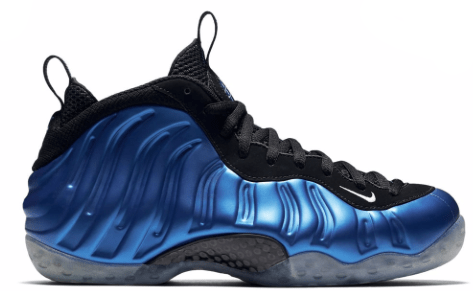
Nike Air Foamposite is molded synthetic leather with foam backing
Whatever you call it, synthetic, synthetic leather, PU leather, or just PU, this material is another must-have for modern sports shoes. This class of material offers the shoe designer a huge variety of colors, textures, and features at a wide range of prices. PU leather was once considered cheap junk and not suitable for high-quality shoes, times have changed! These human-made materials are often a composite made of two layers. A backing layer, made of woven or non-woven polyester fibers. Combined with an external surface layer by “dry” lamination process or by liquid “wet” processes. Many of the least expensive synthetics have a fibrous woven backing with PVC skin made by a wet process. The surface on these may not be 100% smooth, and the shoe will show wrinkles and creases. This material is the cheap stuff found on inexpensive shoes.
High-end leather for sneakers
High-end leather starts with a water-resistant microfiber PU backing. This backing has a smooth surface, cuts cleanly, and can be dyed to match the surface materials. A microfiber style backing can be ordered in .5 to 2.00mm thicknesses, has some stretch, and can have a water-resistant treatment. On top of this backing, the skin can be applied.
Polyurethane plastic film .2 to .5mm thick is made in a separate operation, and the two layers are then rolled together with heat and pressure. PU outer skin is then printed, embossed, scuffed, or polished to create one of the millions of surface options. The largest PU maker has hundreds of different embossing patterns that can be applied to hundreds of different surfaces. If you can meet the order volume required, you can pick any color you want! Synthetics will be reviewed in-depth in their own article.
There are many types of foam used to make shoes, here we are going to review the types of foam found in the uppers of shoes. Generally, foam is divided into two types, “Open Cell” and “Closed Cell” foam. Open cell is exactly what it sounds like; the plastic compound that makes up the foam cells is open. Air and water are free to enter and exit the foam, just like a dishwashing sponge. Closed-cell foam is exactly that; individual cells are closed or sealed, not allowing the foam’s internal gas to escape.
Open-cell foam for sneaker uppers
Open-cell foam is generally softer; these foams are made of Polyurethane plastic. This type of foam is commonly known as “KF or KFF” foam. Open-cell foam is available in different densities and in almost any thickness and color. Open-cell foam is used in the tongues and collars of shoes. Thin sheets of PU foam are used to back fabric in most shoe uppers. PU foam allows the stitches to sink in and gives mesh some extra support while reducing wrinkles.
Reticulated foam is the most open style of foam. This type is often used for ventilation features.
Closed-cell foam for sneaker midsoles
Closed-cell foam is generally denser. Midsoles of shoes are all made from closed cell foam. Midsole foam is covered in the article Outsole Design. Common closed-cell foams include EVA (ethyl vinyl acetate), PE (Polyethylene), SBR (Styrene-butadiene rubber), PU (Polyurethane), Latex, and Neoprene. Each has its own properties. EVA foam is used for backing mesh materials, and 2mm sheet EVA will make fabric waterproof. Neoprene and SBR are used when elastic properties are required. Latex is common for collar linings. PE foam is very light but not too durable, so its use is limited.
When working with foam, it is important to know which foam is appropriate for the shoe upper and which is appropriate for cushioning the shoe outsole. Learn more here.
What is the best material for sneakers?
There is no one best material for shoes. What is best for Air Jordan 5 is not the best for the Nike Foamposite. The sneaker designer, footwear developer, and product manager must work together to pick materials based on the price, performance, durability, duty rates, comfort, and styling. Every shoe will have a different material requirement.
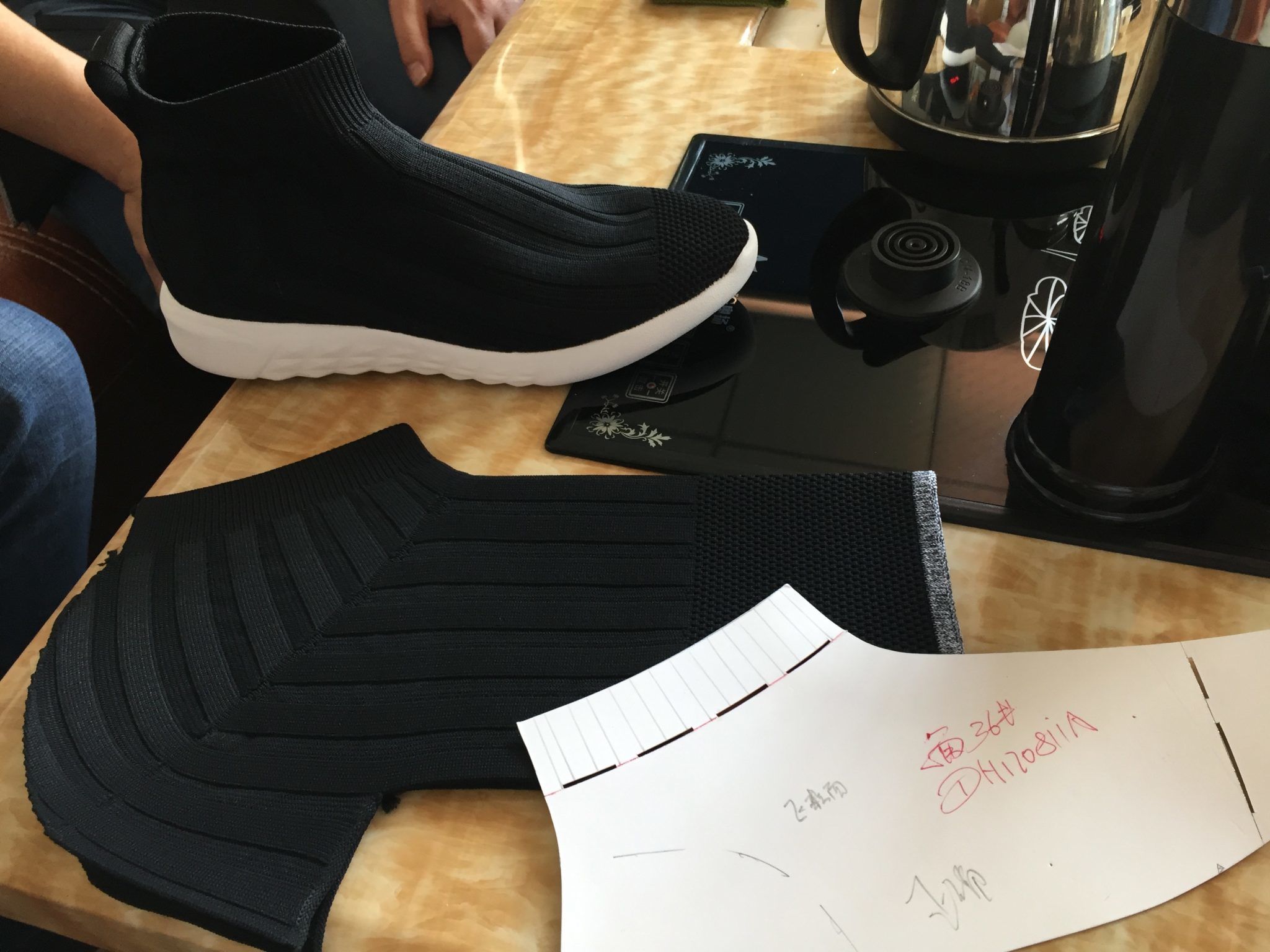
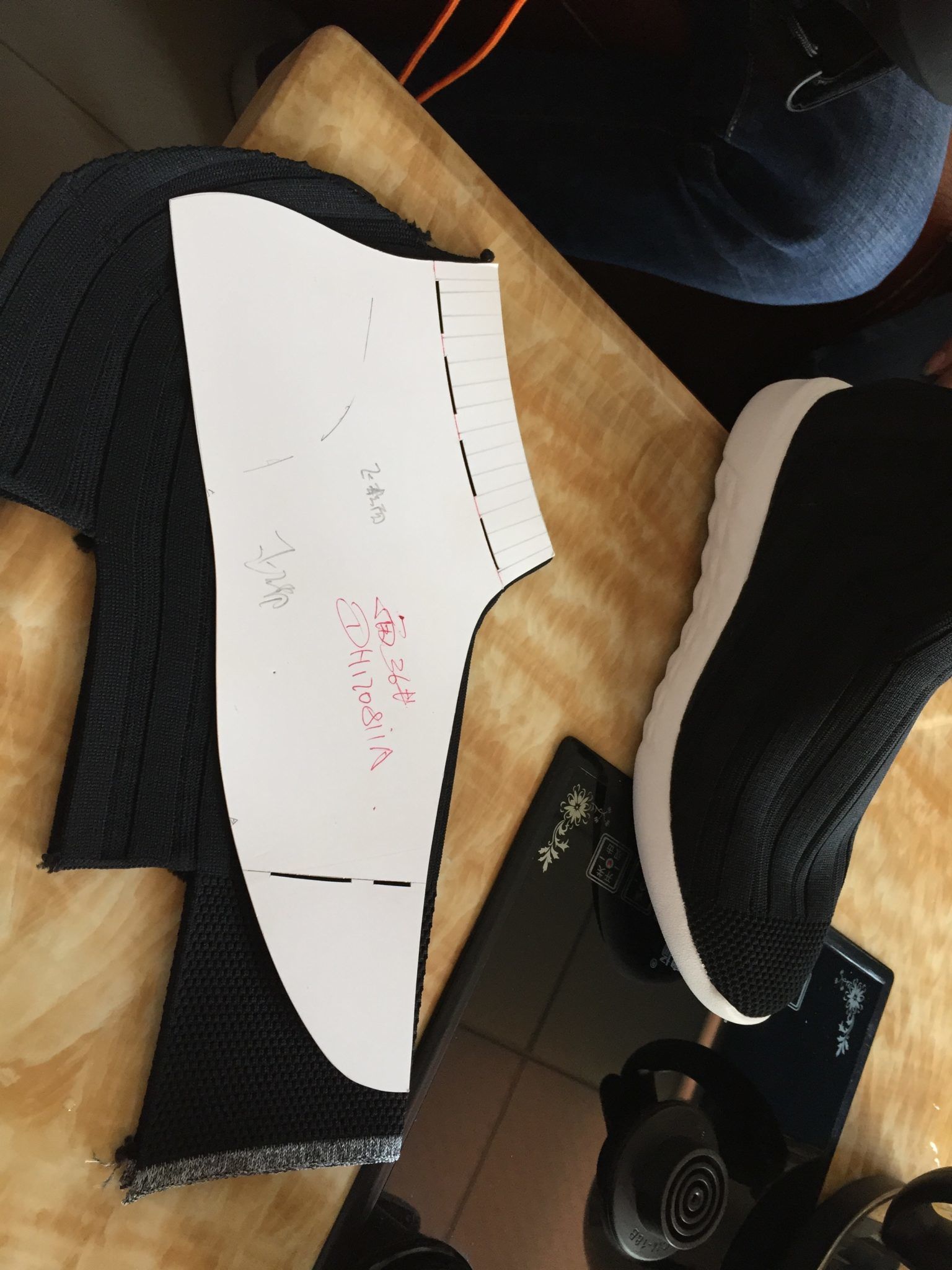
With the explosion of knit construction shoes in the footwear marketplace, it’s time to revisit the design and manufacturing issues of this growing footwear class. Pioneered by Nike™ as FlyKnit™ for high end running in 2014, knit shoe construction has now spread into basketball, soccer, and casual footwear.
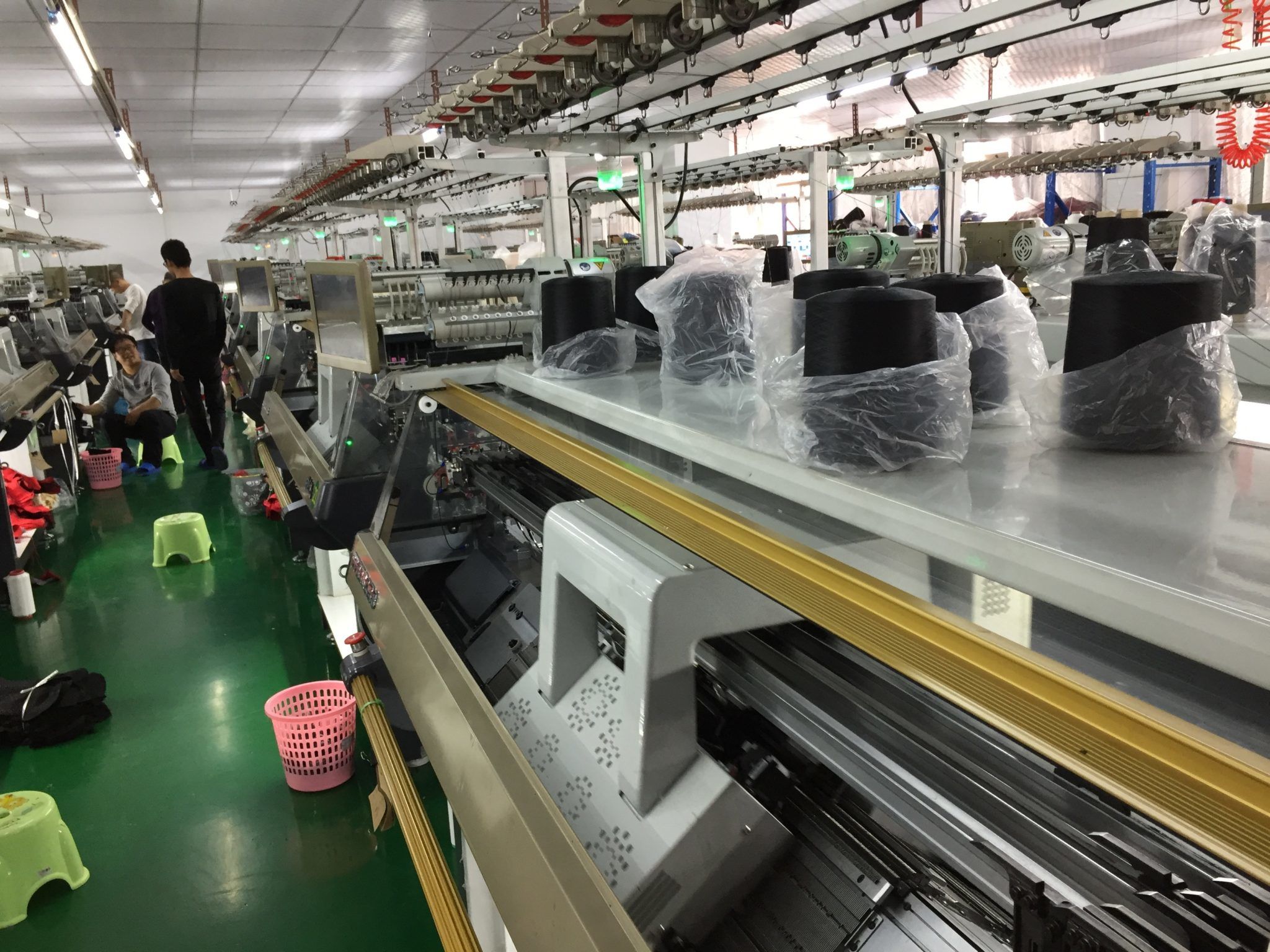
Because knit shoe construction can radically simplify shoe construction, the technique has spread from high-end to price point shoes in just a few years. With rising labor costs in major shoe manufacturing countries like China, the shoe knitting machine, which runs 24-7, is seen as a labor-saving device. Knit shoe construction has also opened the door to new, more sustainable production with less waste.
Of course, the knit upper shoe is now evolving in new directions. The naturally breathable designs combined with stretchable and non-stretchable fibers are creating new opportunities for footwear designers.
Design parameters for knit shoe construction:
Take advantage of knit technology’s strong points. Breathability and elasticity.
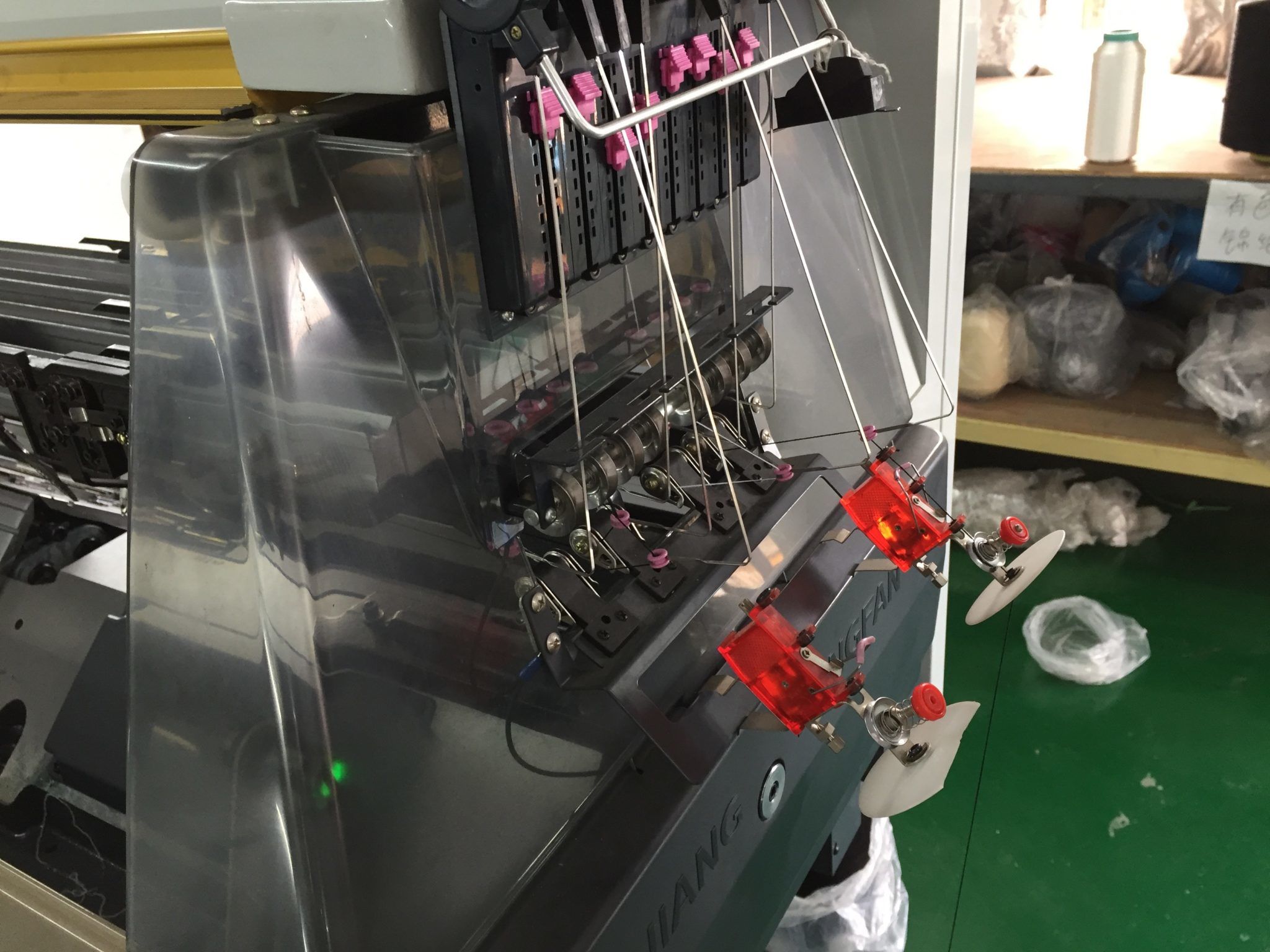
The shoe knitting machine can support up to six colors, some machines can support even more.
Knit shoes have unique options for simplification. Use them!
Knit construction shoes have many fiber choices. Who will be the first to use carbon or Kevlar?
Nike started its Fly Knit program with running shoes, now knit construction is found in all types of footwear. What is next?
Clear TPU overlays are being introduced to protect the knit fabric from snags.
The shoe knitting machine can handle almost any pattern. Go crazy, explore the limits!
A new technique is now weaving pads into the pattern parts. Hmmm…
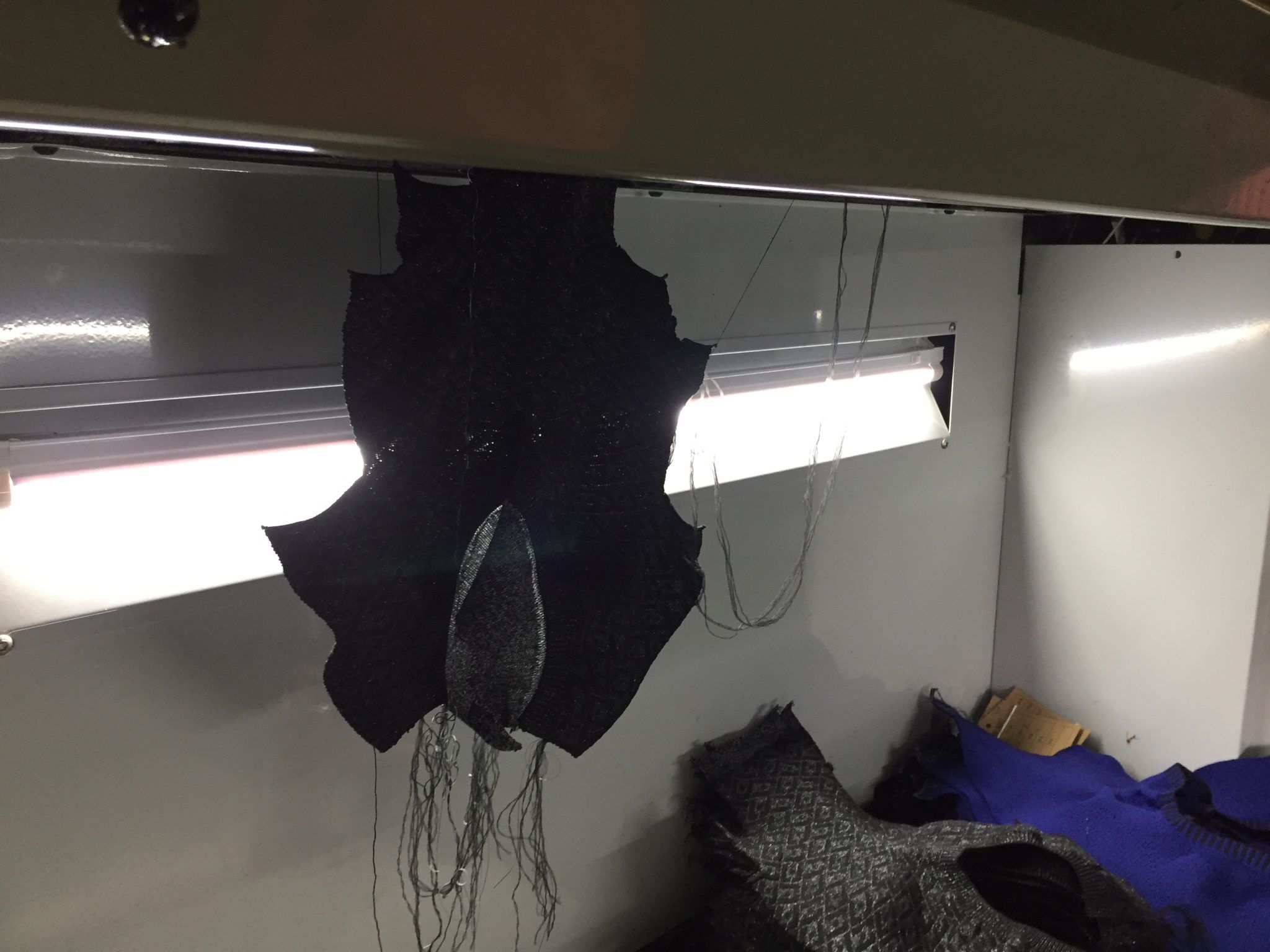
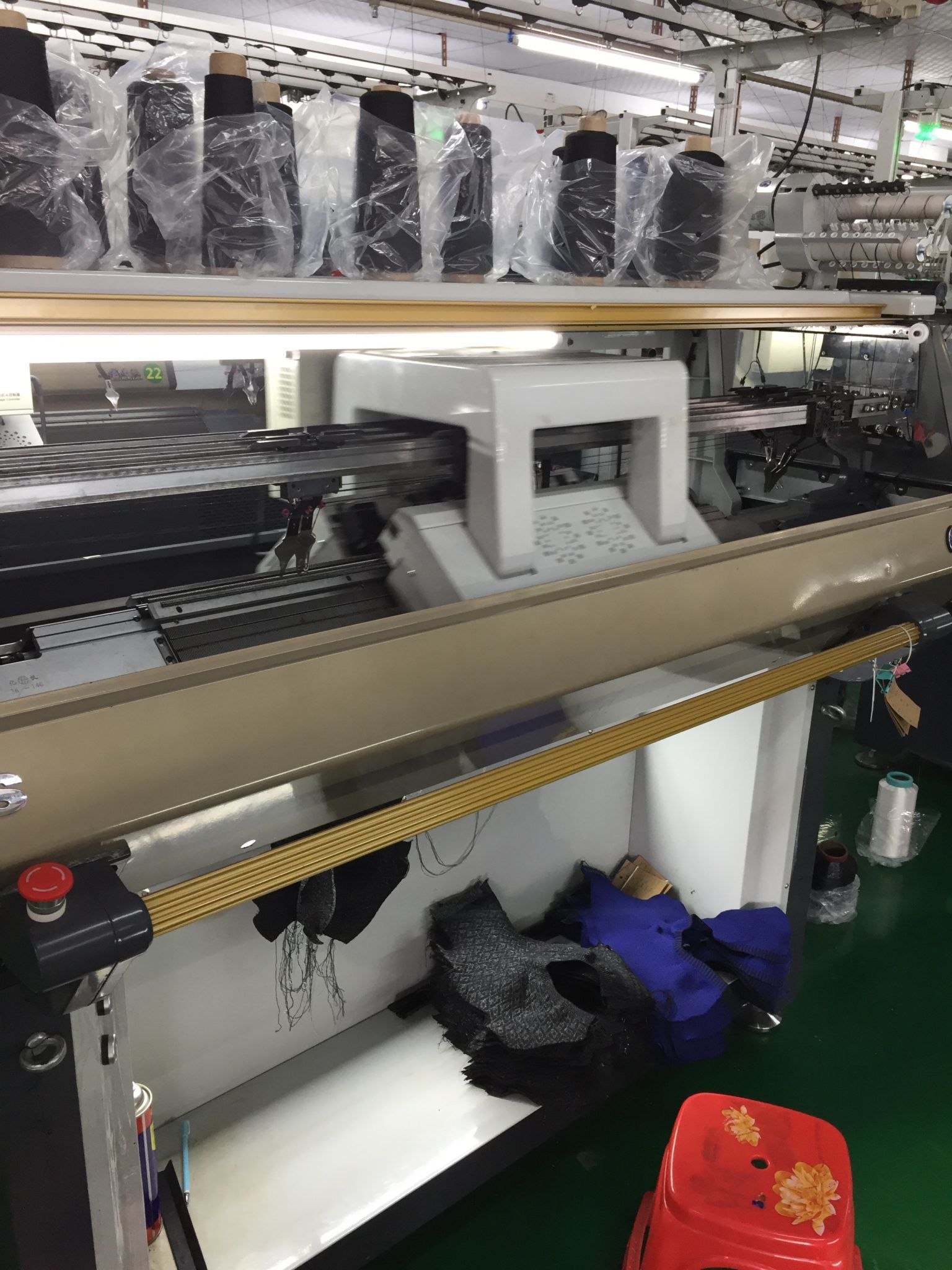
Inside a shoe knitting factory:
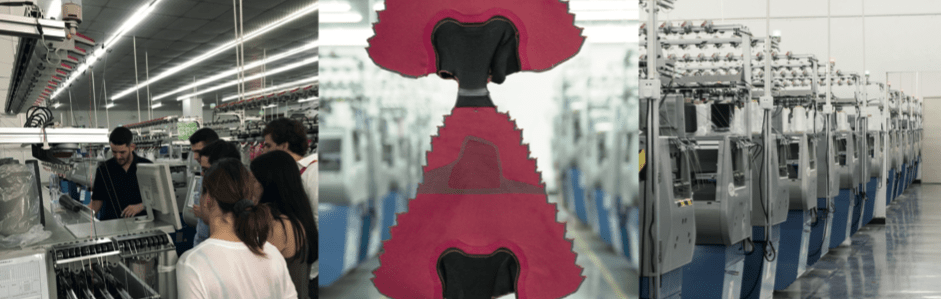
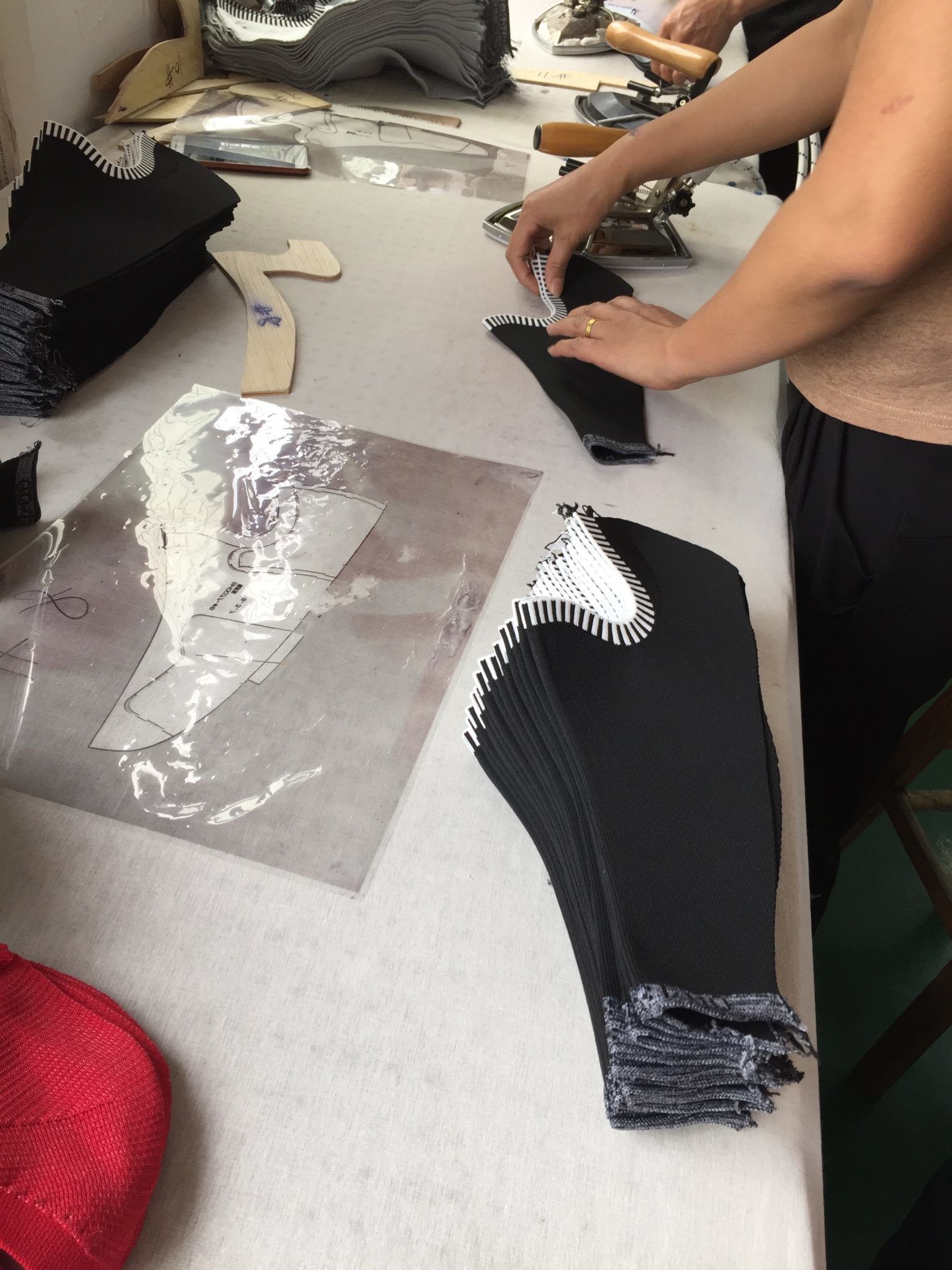
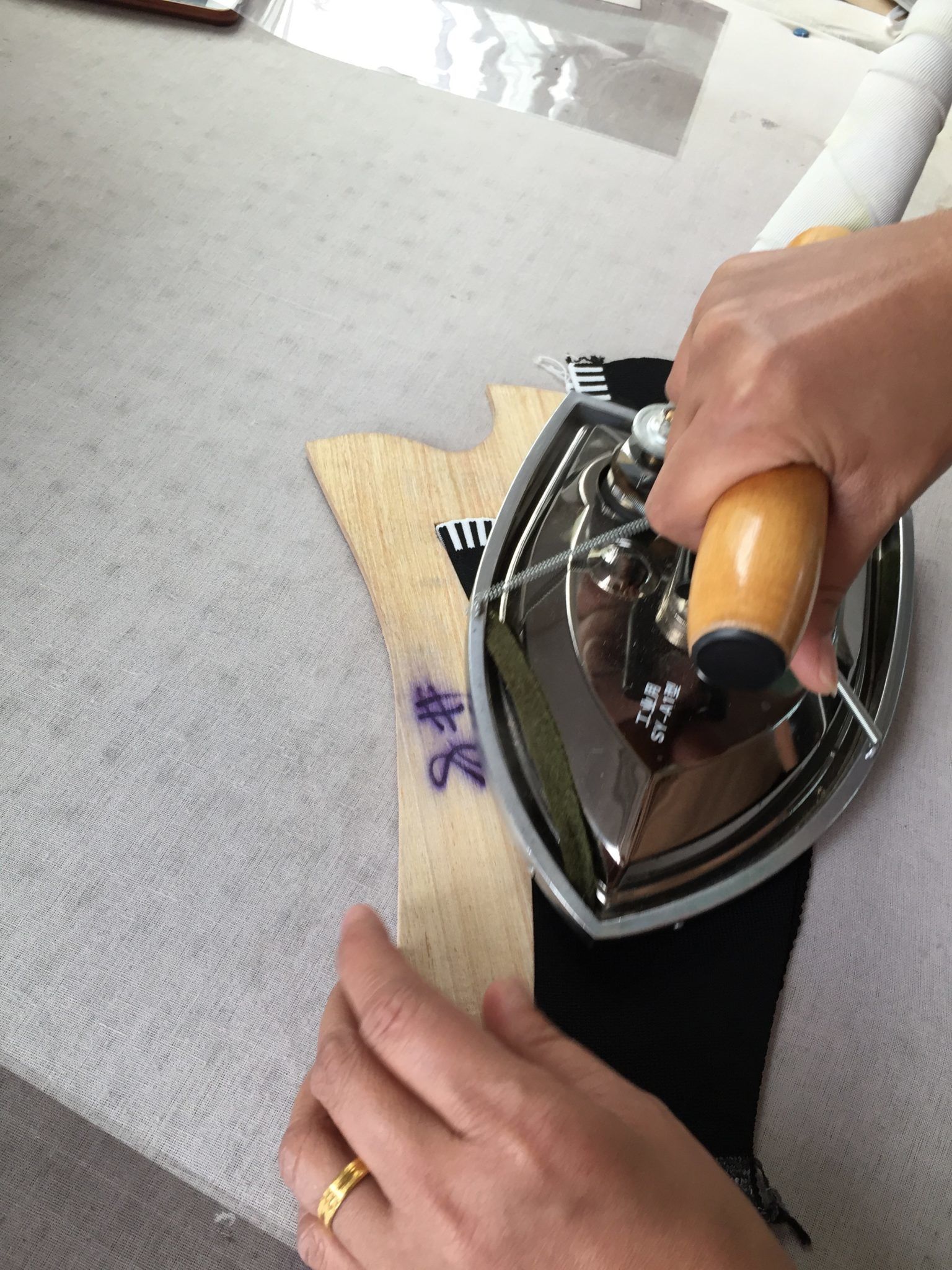
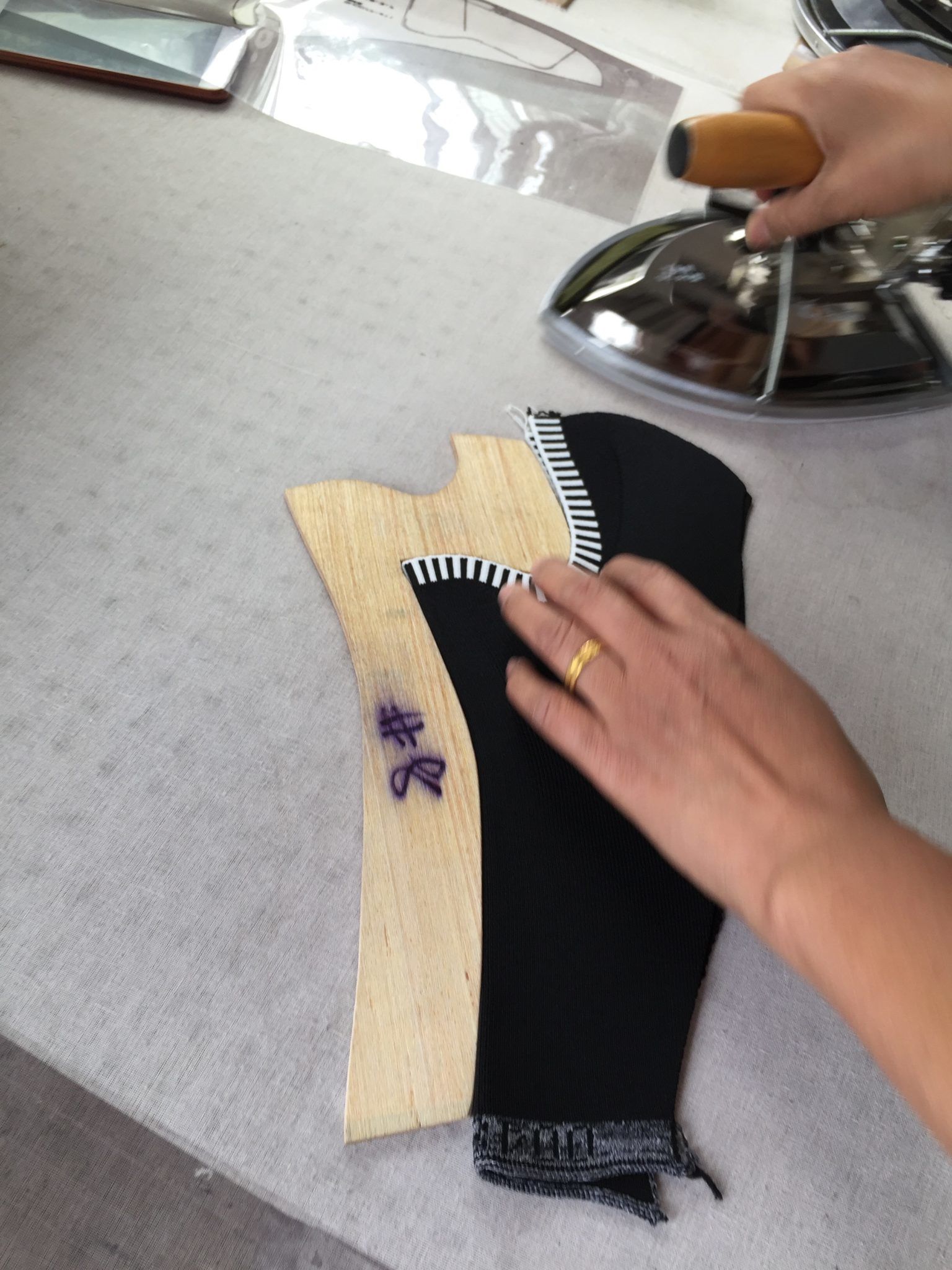
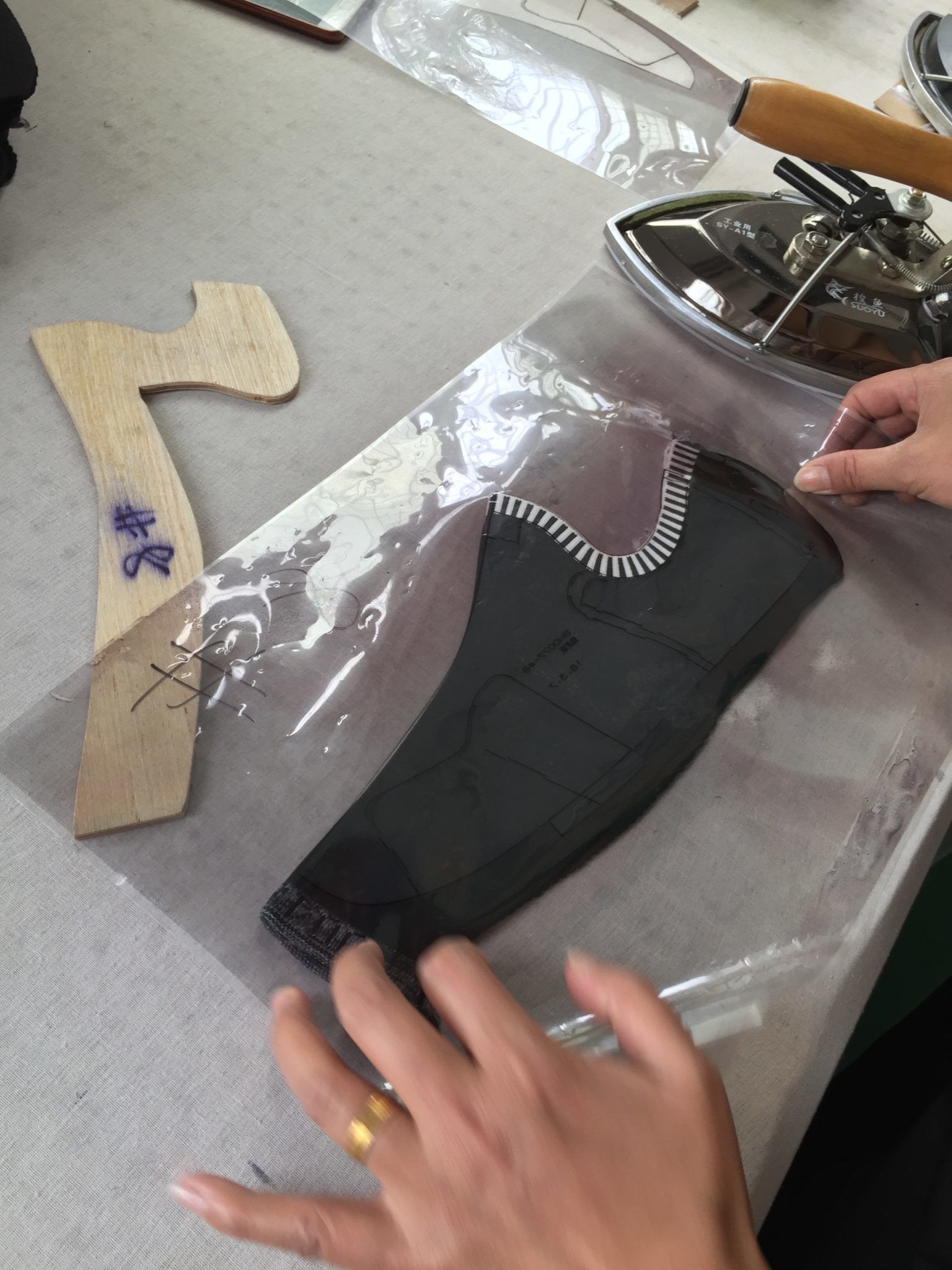
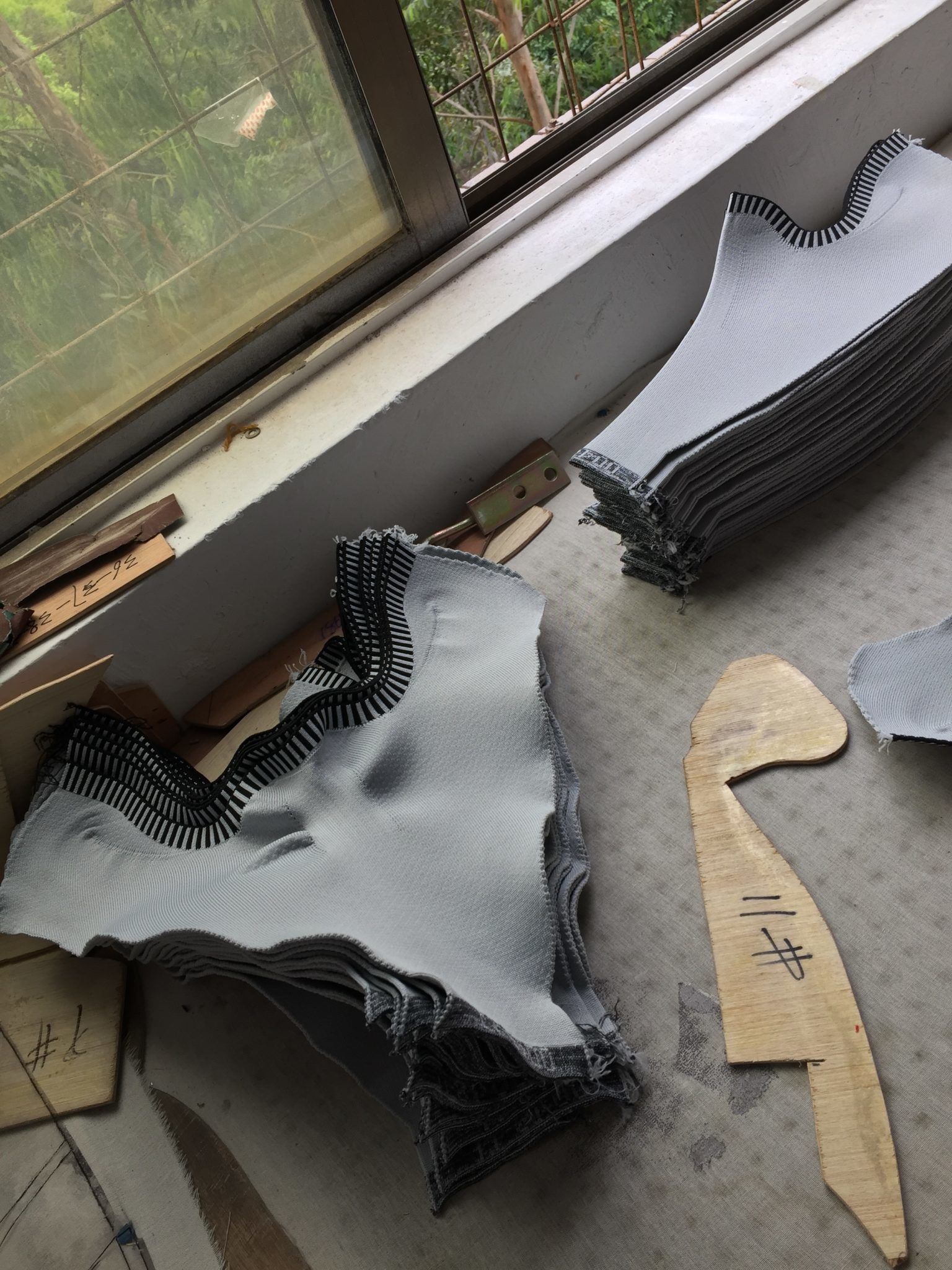
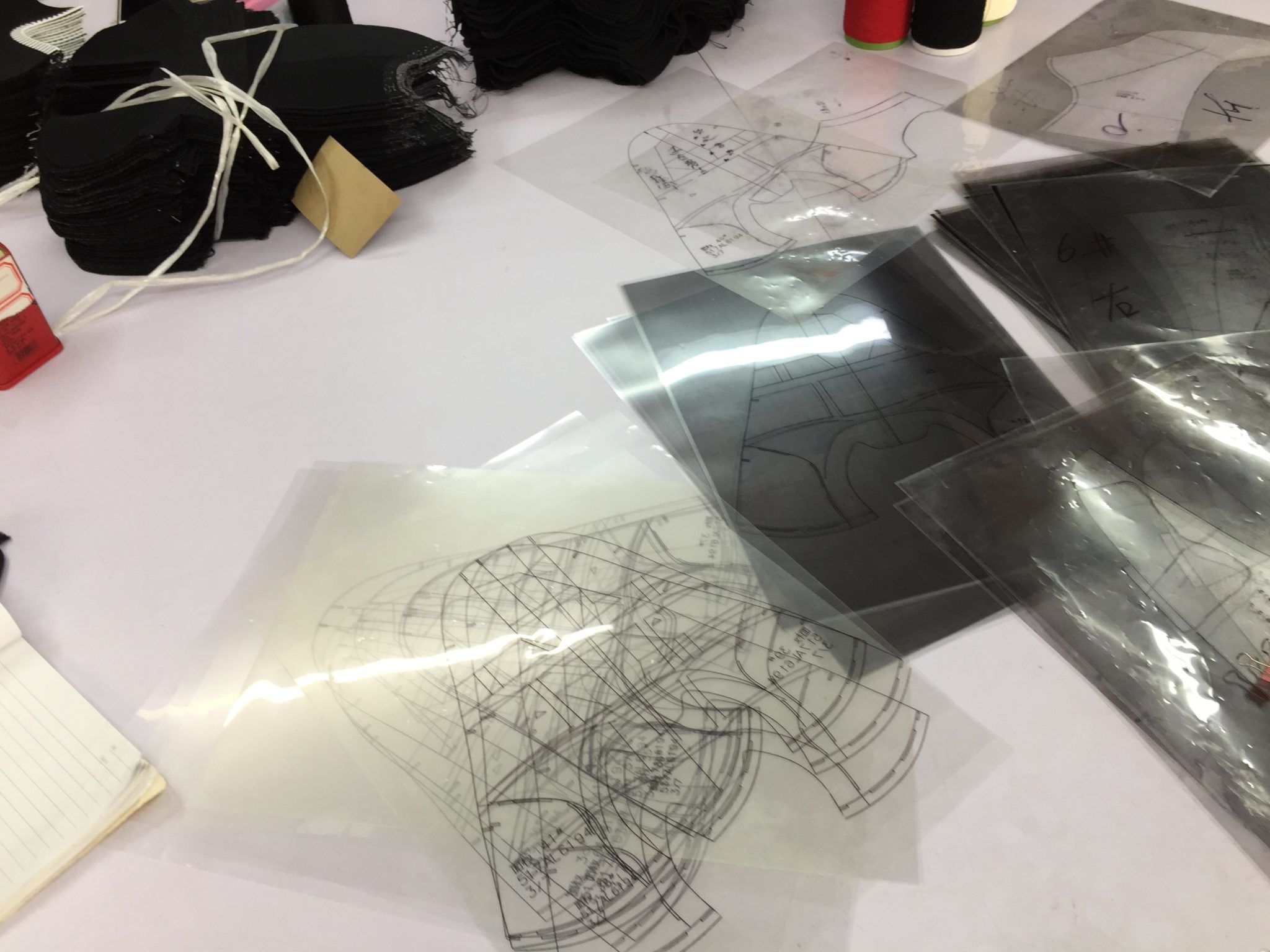
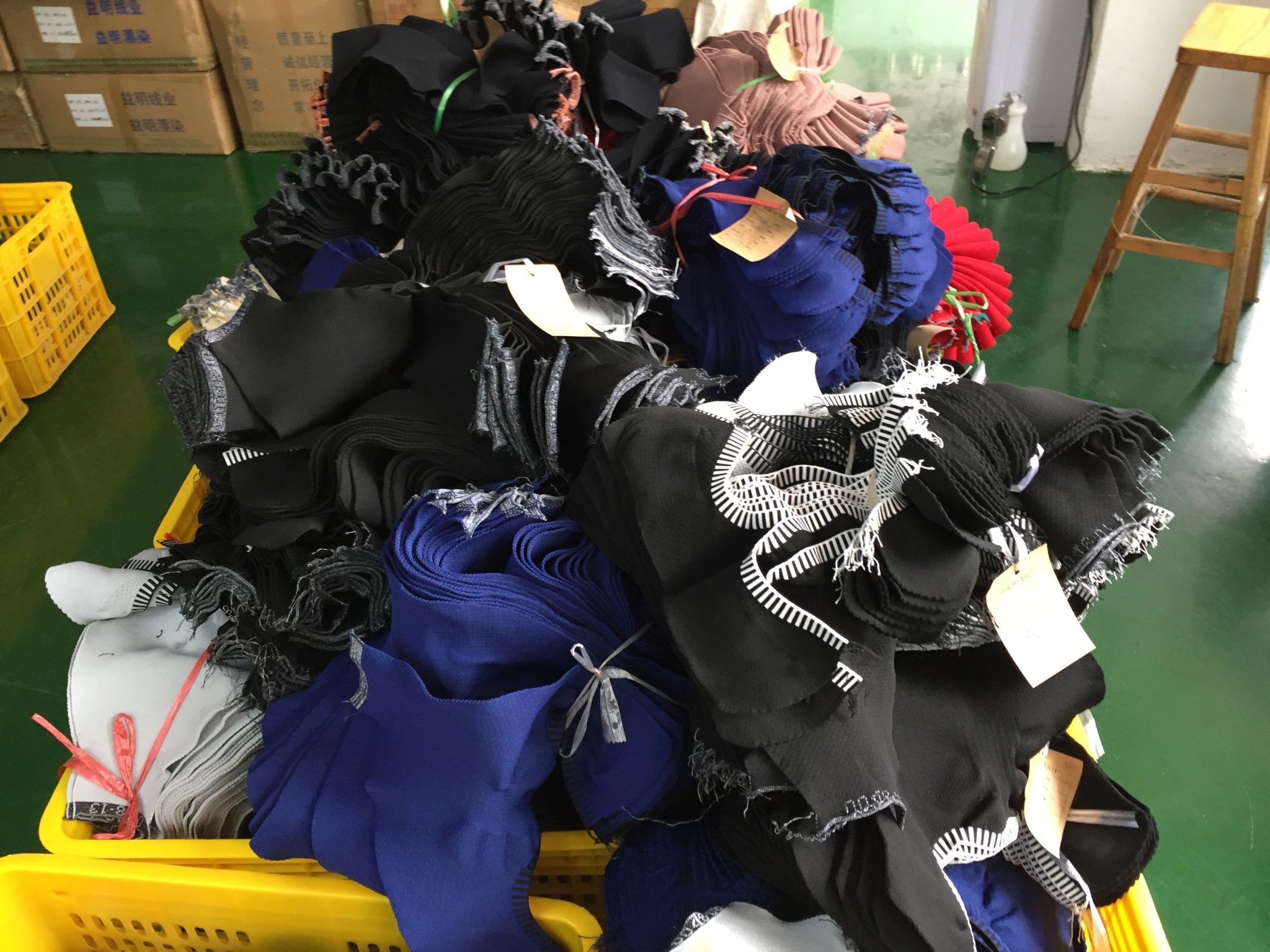
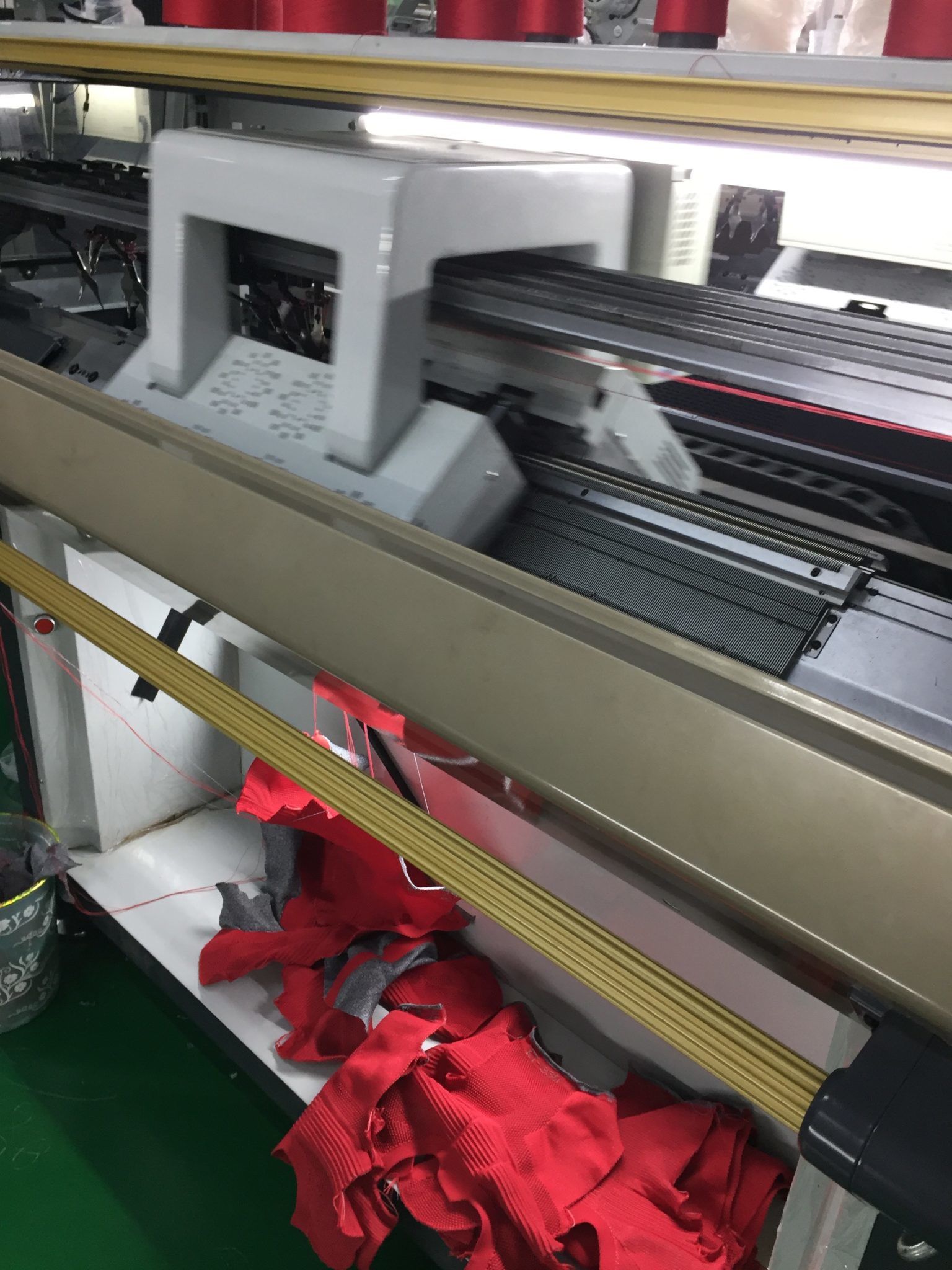
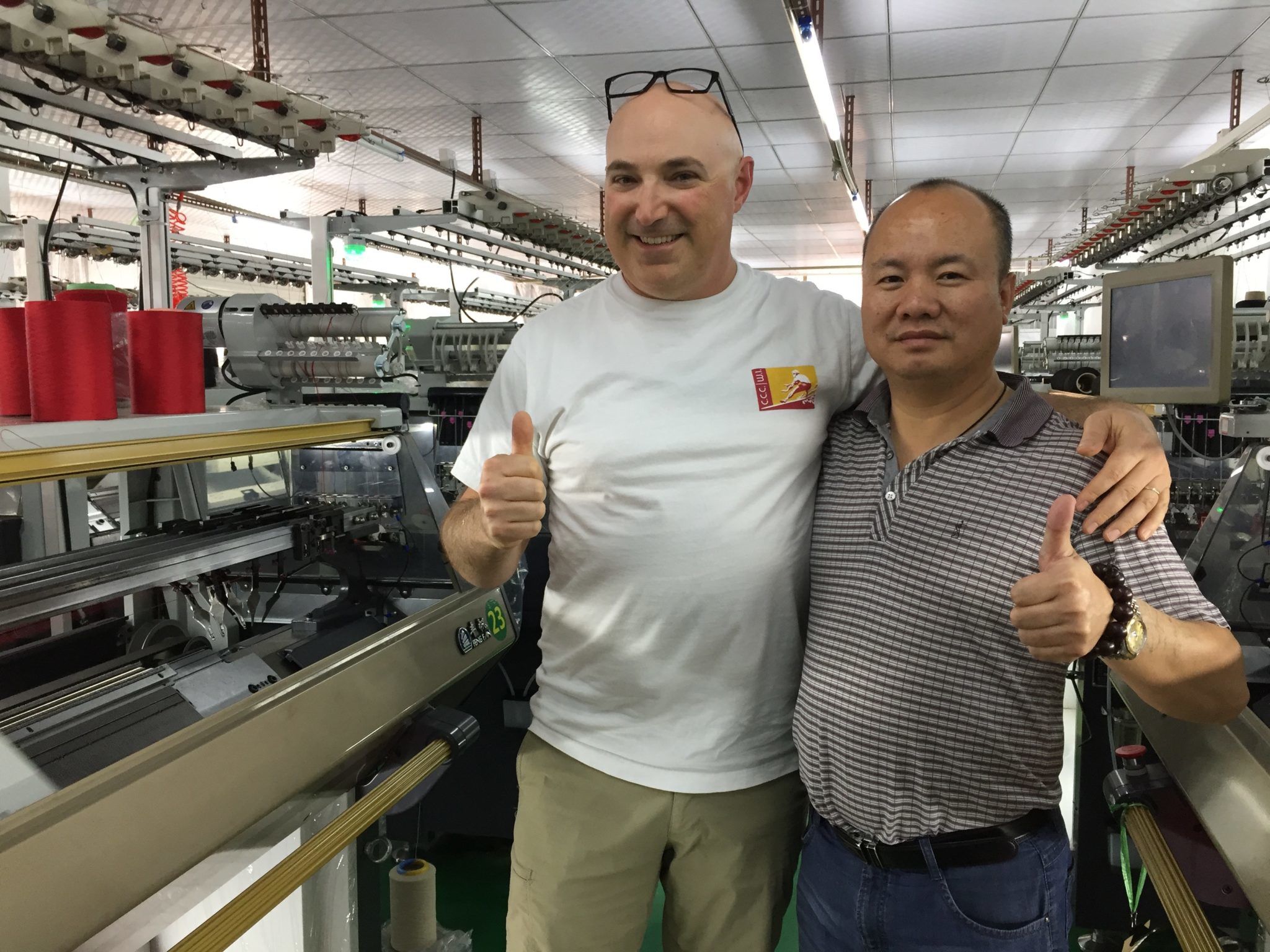
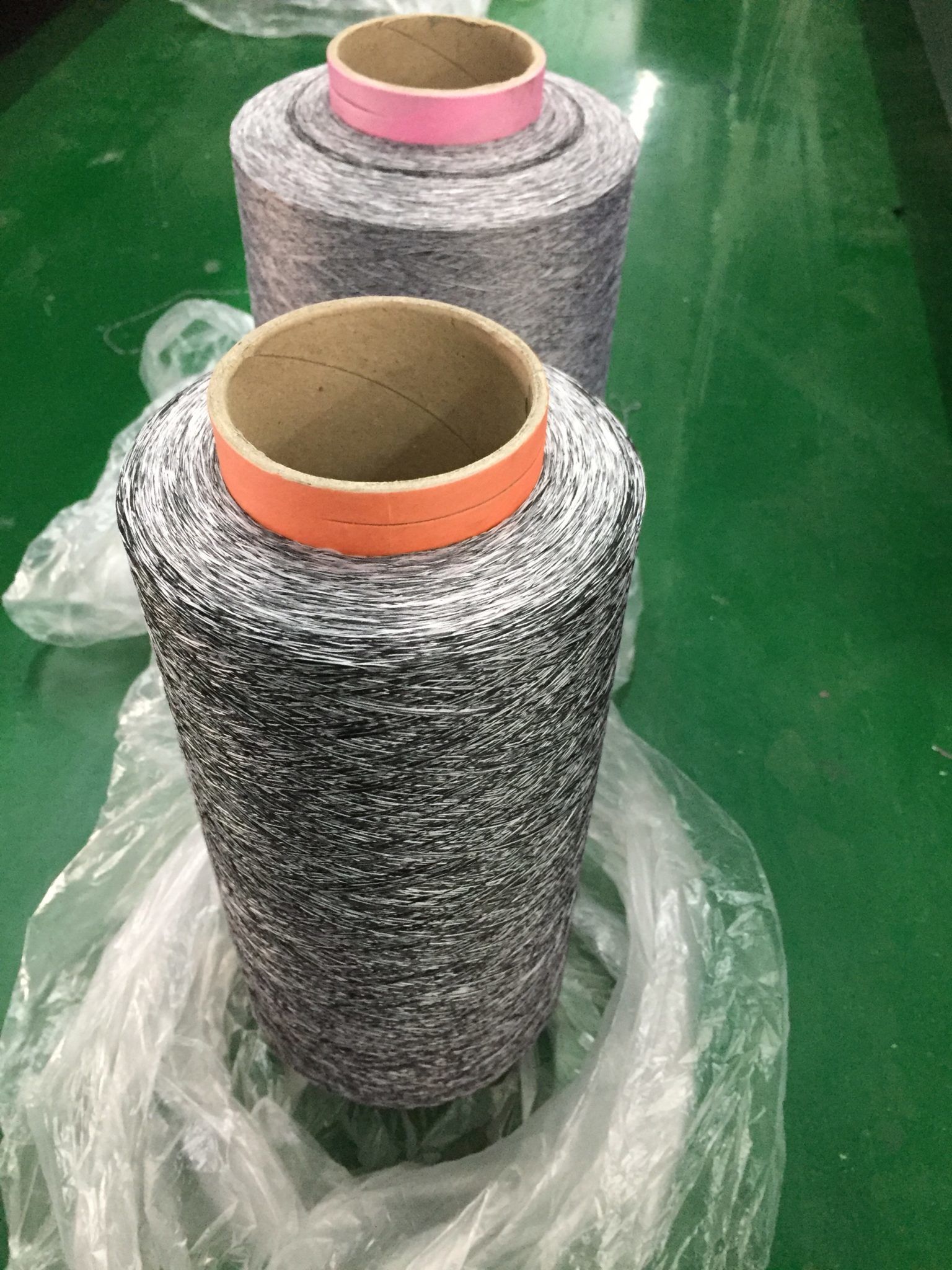
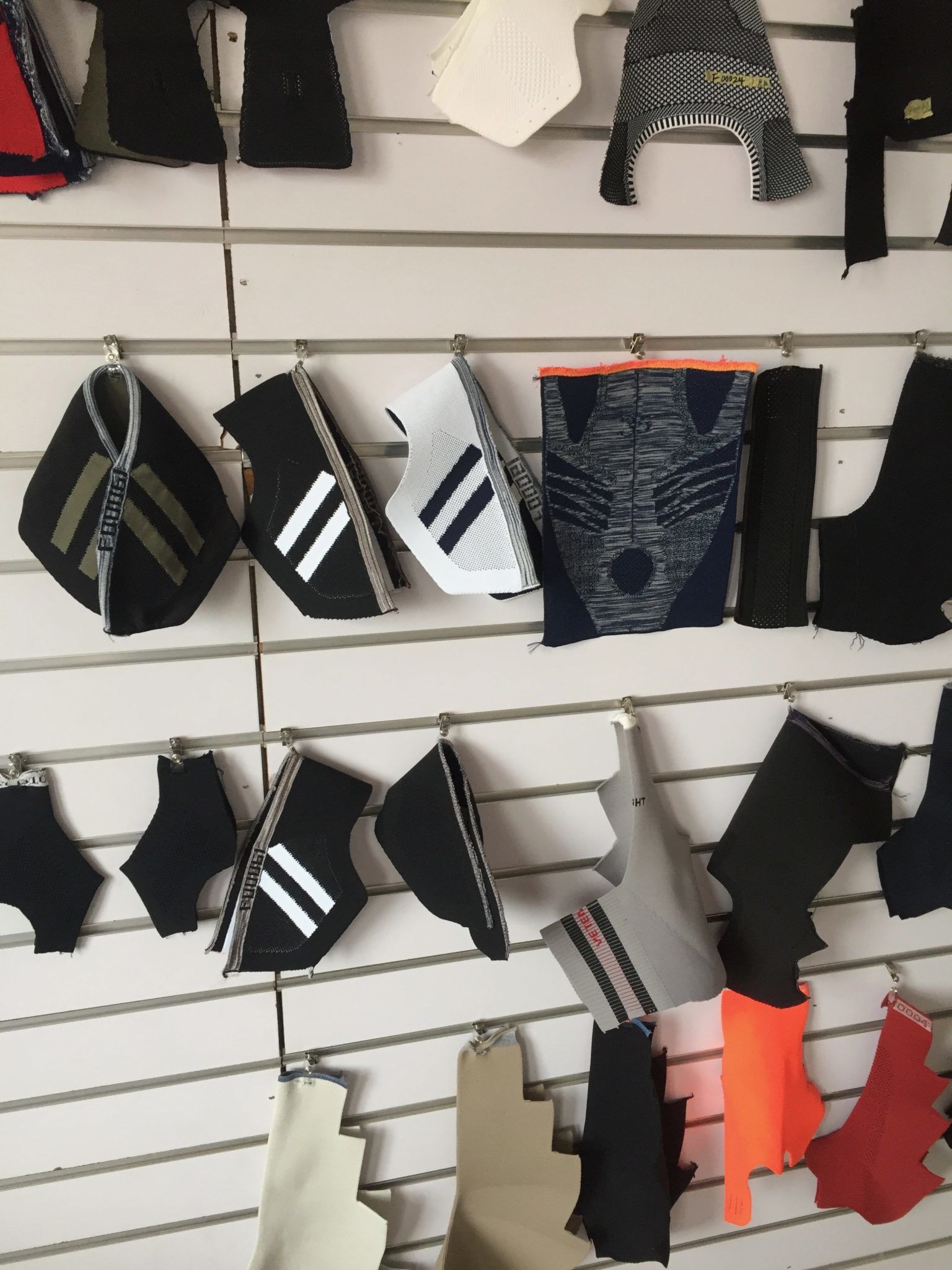
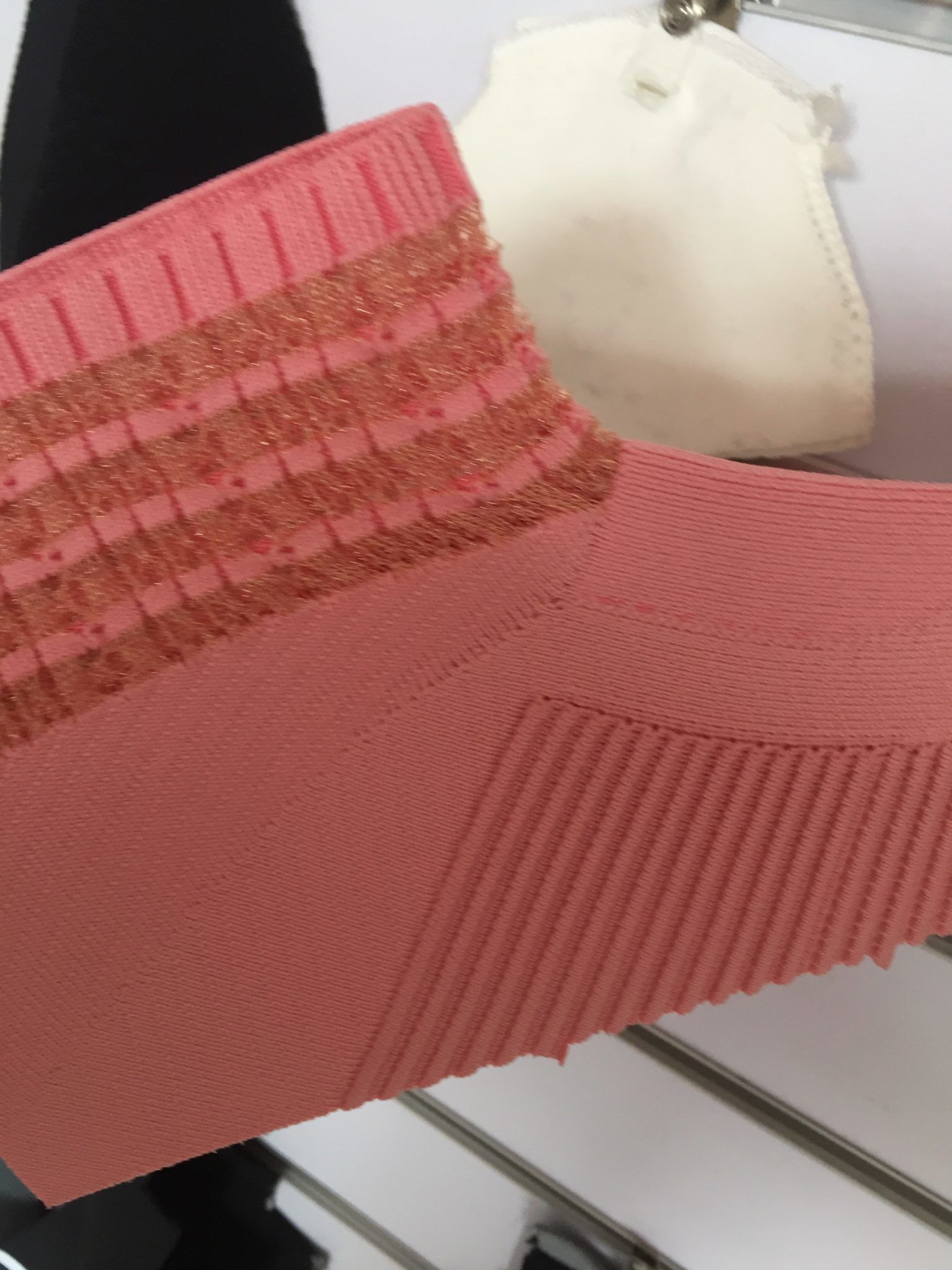
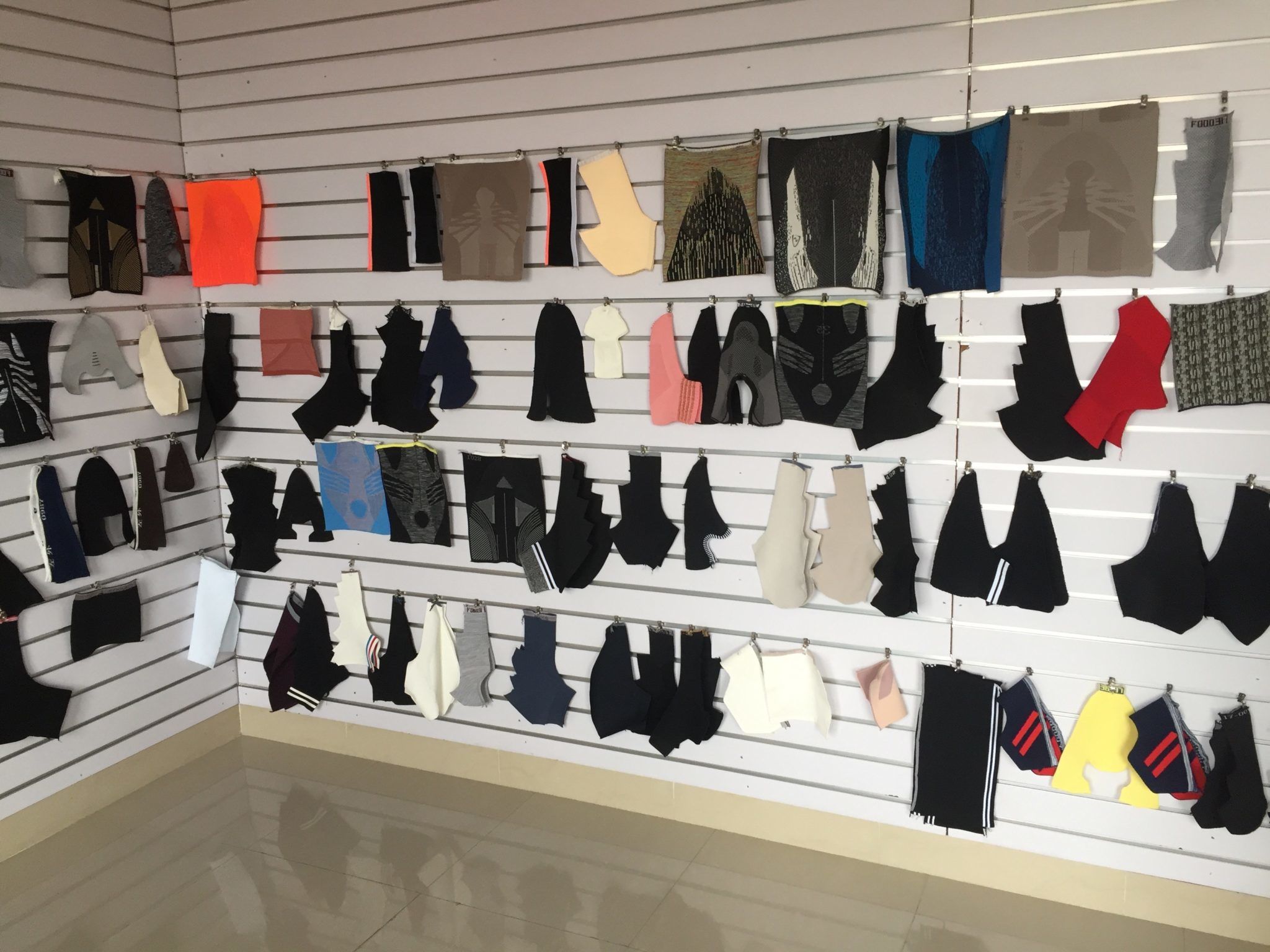
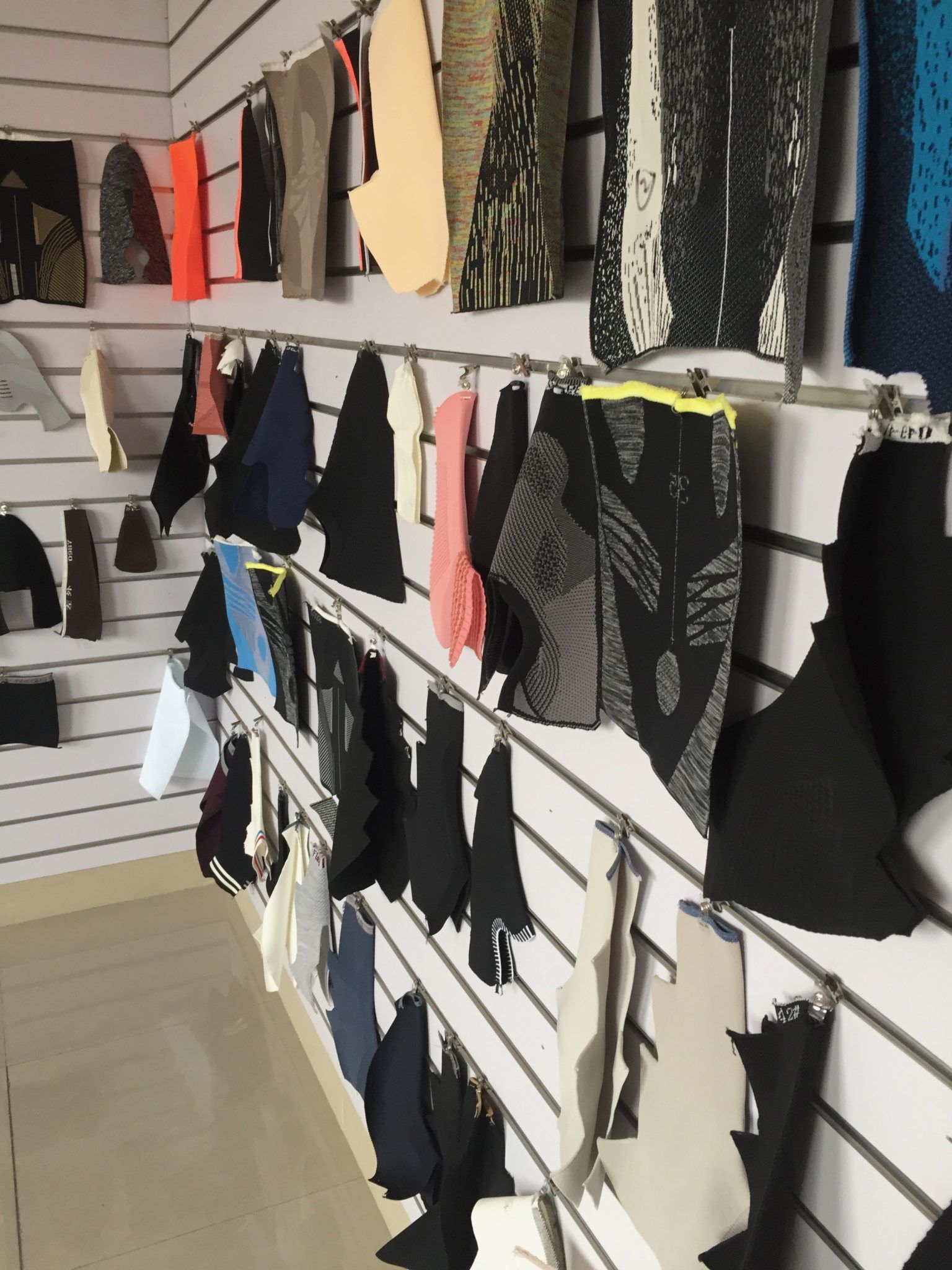
We recently had a chance to tour a busy shoe knitting factory. This small factory has about 60 machines running. The boss has plans to set up 50 more machines this year. Each machine can knit one upper in 10 minutes and the machines run 24 hours per day. A pair of uppers cost between US$3.00 to $8.00.
The outsole design for a shoe plays a major factor in shoe performances. The outsoles for running shoes, biker boots, and football cleats all have very different performance requirements and manufacturing methods. The shoe outsole is also one of the most expensive parts of the shoe. For low-cost shoes, the outsole can be 10% of the shoe cost, second only to the leather cost.
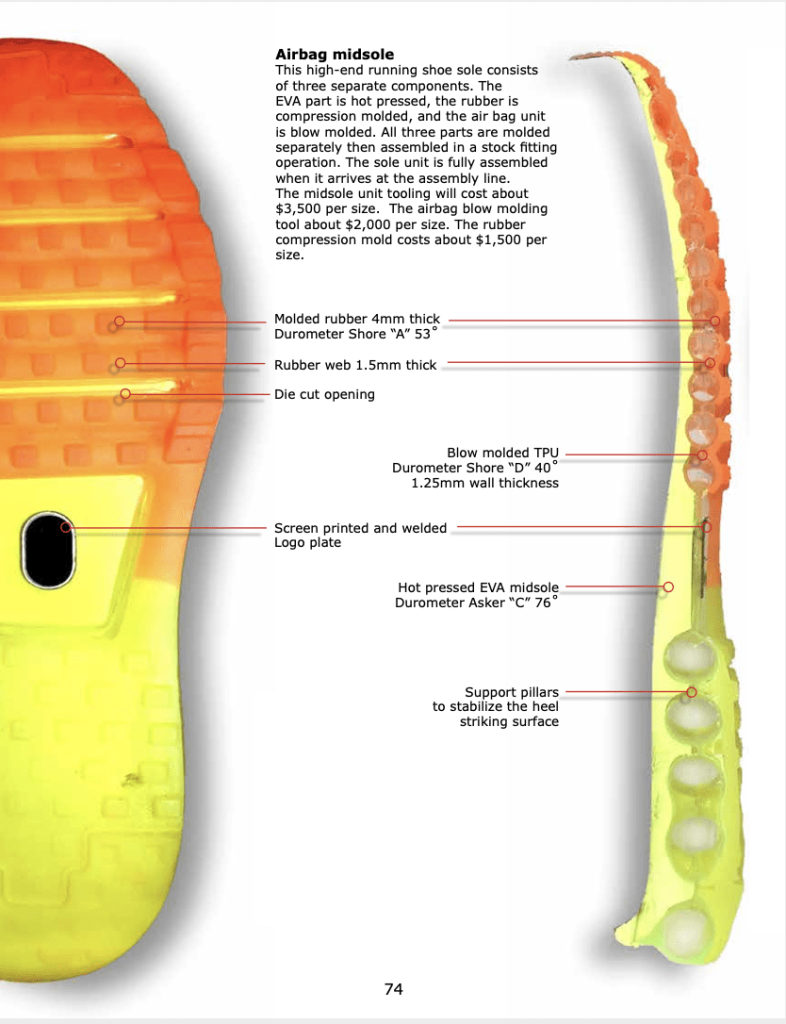
For high-end basketball, running, or soccer shoes the outsole can be 25% to 35% of the shoe’s factory price. A simple cupsole may cost $2.00, while a multi-part running sole with carbon shank could cost $8.00 to $10.00.
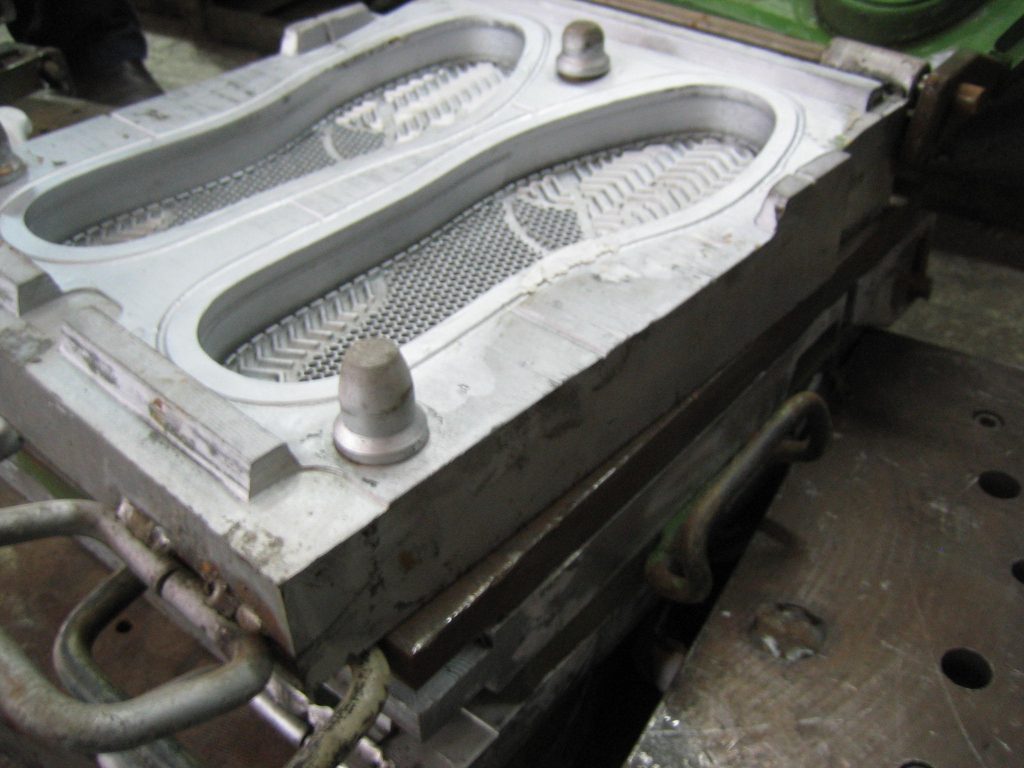
A set of outsole tooling is by far the most expensive equipment needed to produce a shoe. While the cutting dies required to produce a shoe upper may cost $1,000 for a complete size run, a single size of outsole tooling is a minimum of $1,400. Now, multiply that by 14 sizes, and you get $19,600! This is the cost for a simple rubber cupsole.
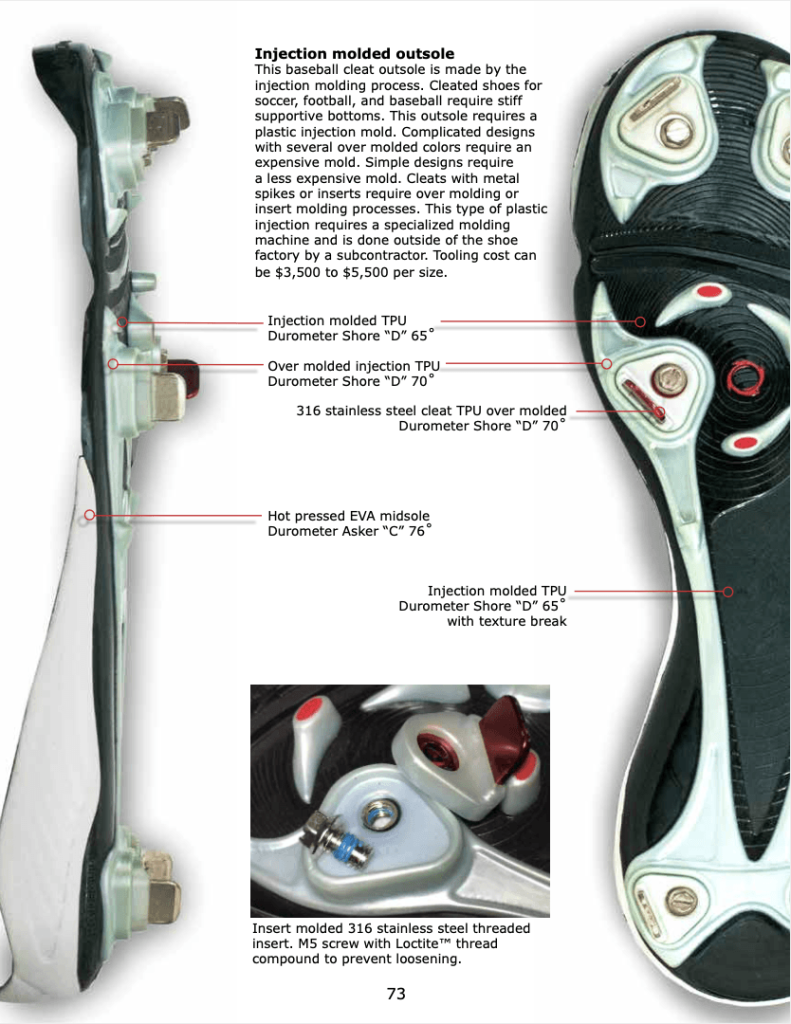
The cost for a complicated multi-part outsole with a rubber bottom, EVA midsole, and plastic shank plate may cost $100,000! Shoe companies must take great care in designing and developing new outsole tooling. Many shoe companies will only make one size for testing and sales samples. Only after their salesmen collect orders for the new model will the balance of the tooling be made. I have seen designers and developers work for months to create a new design only to see production canceled before it even begins. When a weak sales report arrives, product managers have difficult choices to make.
Can you risk $100,000 in tooling for a model with just a hope that it will “catch on”? Small shoe companies may be forced to use old tooling on new models until they can afford the cost of new equipment.
Performance factors for footwear outsoles include traction, support, flexibility, weight, slip resistance, and durability. These features are a function of the design geometry and materials.
OutsoleTraction Traction is an important feature of any shoe outsole design. The design of the outsole pattern and selection of materials controls the amount of traction. The traction requirements for hiking boots, office shoes, boat, and bowling shoes are all radically different.
When designing an outsole, it is important to understand the environment and surfaces the outsole will encounter. Traction is also directional. A mountaineering boot will require lateral traction on rough terrain, while a basketball sole needs to support quick stops on a smooth wood surface and allow spins with the foot planted.
Supportive Outsole An outsole design must have some supportive features to ensure users can walk or run safely. Support can come from wider bases or added components such as molded plastic counters or rubber cut soles. A fast, lightweight running shoe designed for speed may have little support, while a mountaineering boot will have a metal shank to carry the weight of a heavy pack in rough terrain.
Outsole Flexibility Depending on the intended purpose of the shoe, the midsole will require more or less flexibility. A tennis shoe or running shoe must be flexible, while a cowboy boot will have a steel shank to spread the load of the stirrups without bending at all. While more flexibility is usually a good thing, too much flexibility can cause instability and lead to foot fatigue. The general rule is, the heavier the load and the rougher the terrain, the stiffer the outsole.
Outsole Weight Again, depending on the intended purpose of the shoe, the weight of the outsole may be a key feature. For a long-distance racing shoe or track spike, every gram is critical. For a driving shoe or biker boot, a heavy outsole is not a problem.
Outsole Durability The durability requirements of an outsole design will depend on the environment and tasks selected for the particular shoe. The fine leather soles of women’s dress shoes and men’s office shoes are perfect for smooth stone hallways and carpeted offices, but would last only a few steps on a rainy construction site or mountain trail. Durability can be a selling feature for a shoe but may come at the expense of added weight or reduced flexibility.
Slip-resistant outsole design Slip resistance is a key feature for service shoe outsole design. Restaurant, hospital, maintenance, and warehouse staff members are required to wear shoes with certified slip-resistant rubber compounds and tread patterns. Oil resistant rubber compounds may also be a requirement for industrial footwear.
How to make shoe sole
Rubber cupsole design
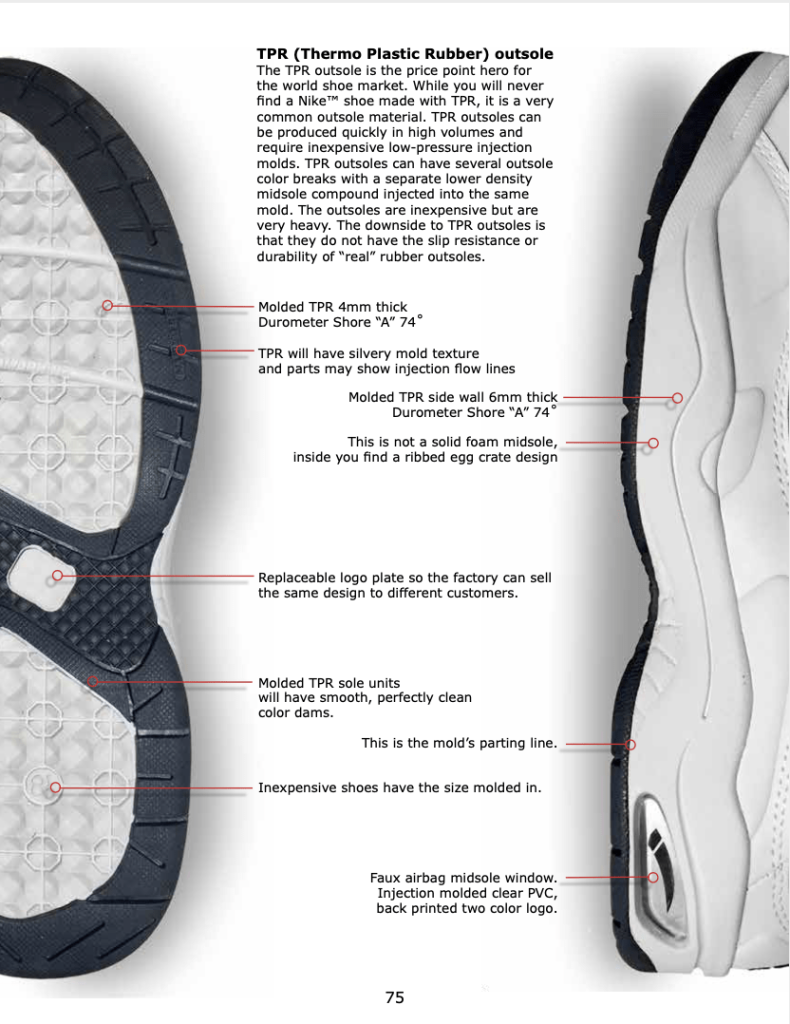
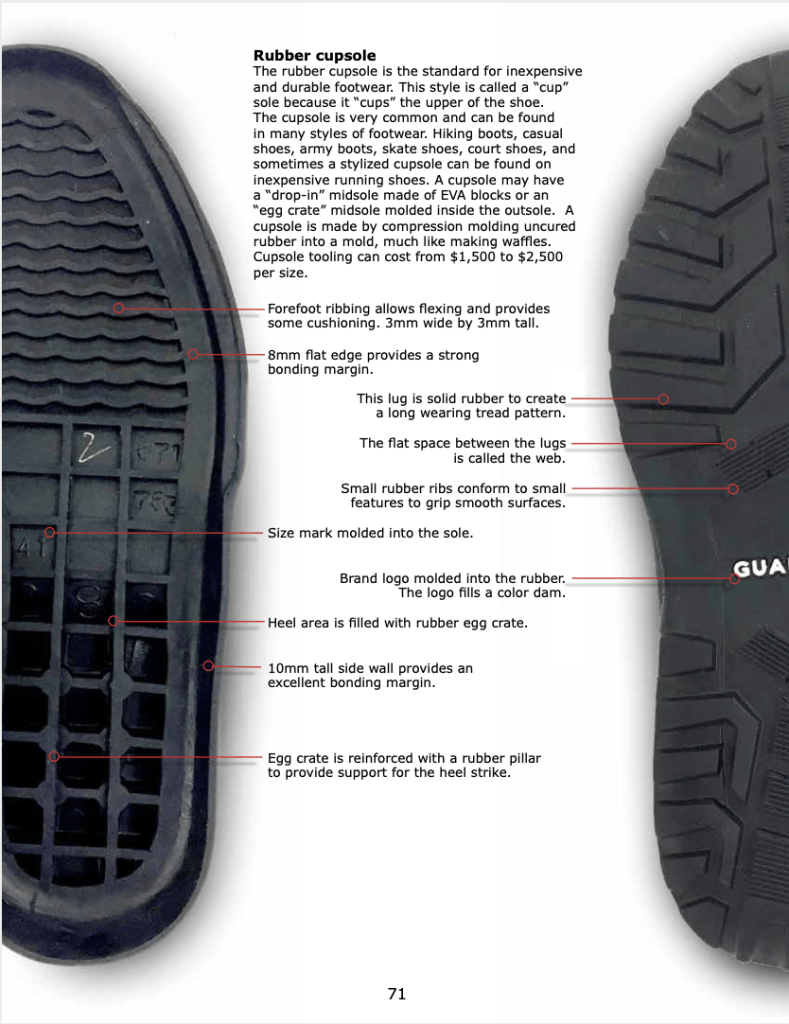
The rubber cupsole is the standard for inexpensive and durable footwear. This style is called a “cup” sole because it “cups” the upper of the shoe. The cupsole is very common outsole design and can be found in many styles of footwear. Hiking boots, casual shoes, army boots, skate shoes, court shoes, and sometimes a stylized cupsole can be found on inexpensive running shoes. A cupsole may have a “drop-in” midsole made of EVA blocks or an “egg crate” midsole molded inside the outsole. A cupsole is made by compression molding uncured rubber into a mold, much like making waffles. Cupsole tooling can cost from $1,500 to $2,500 per size.
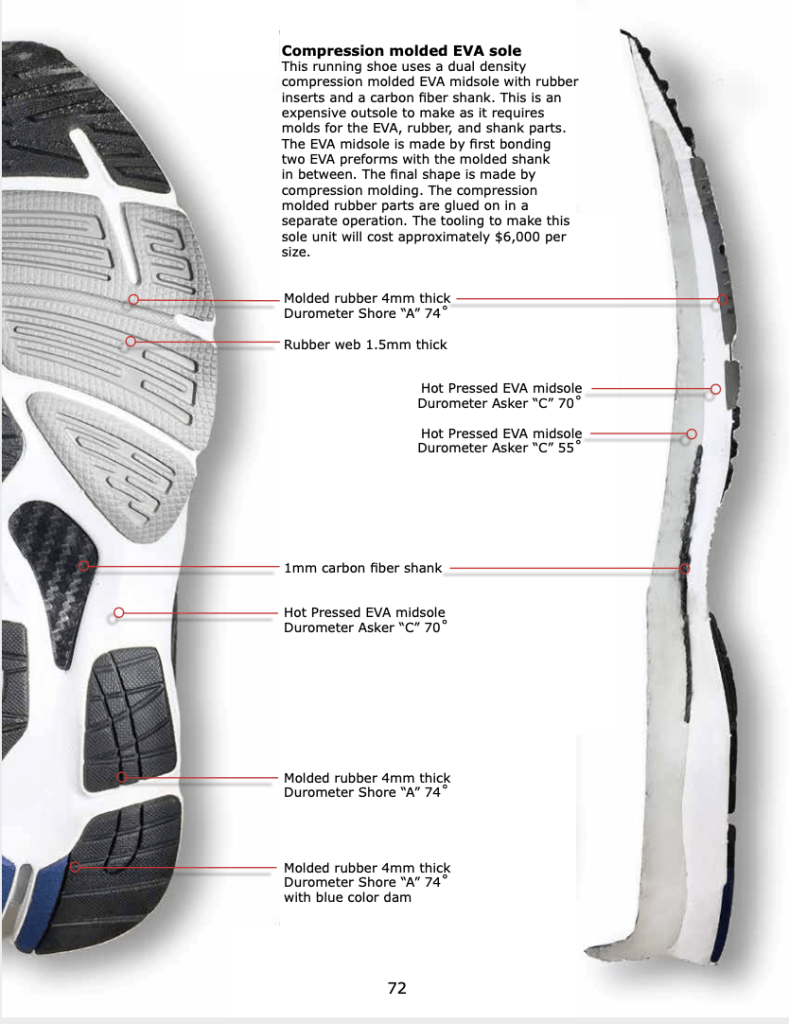
This running shoe outsole design uses a dual-density compression-molded EVA midsole with rubber inserts and a carbon fiber shank. This is an expensive outsole to make as it requires molds for the EVA, rubber, and shank parts. The EVA midsole is made by first bonding two EVA preforms with the molded shank in between. The final shape is made by compression molding. The compression-molded rubber parts are glued on in a separate operation.
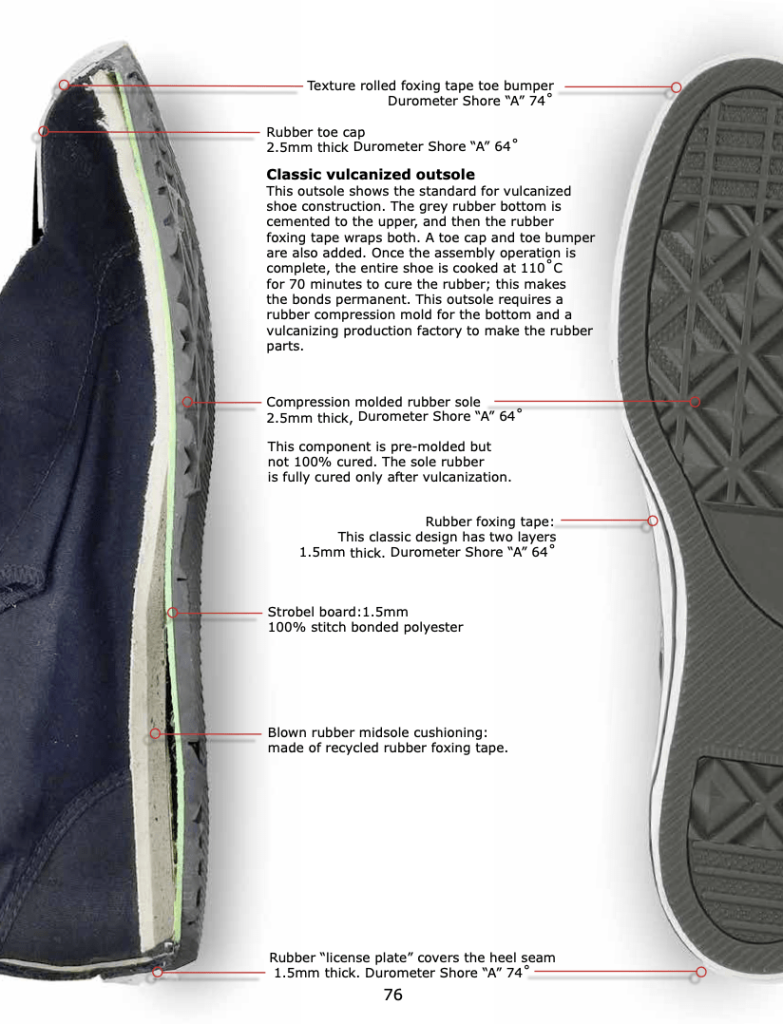
Classic vulcanized outsole design
This outsole design shows the standard for vulcanized shoe construction. The grey rubber bottom is cemented to the upper, and then the rubber foxing tape wraps both. A toe cap and toe bumper are also added. Once the assembly operation is complete, the entire shoe is cooked at 110 ̊C for 70 minutes to cure the rubber; this makes the bonds permanent. This outsole requires a rubber compression mold for the bottom and a vulcanizing production factory to make the rubber parts.
Learn More about Outsole Design!
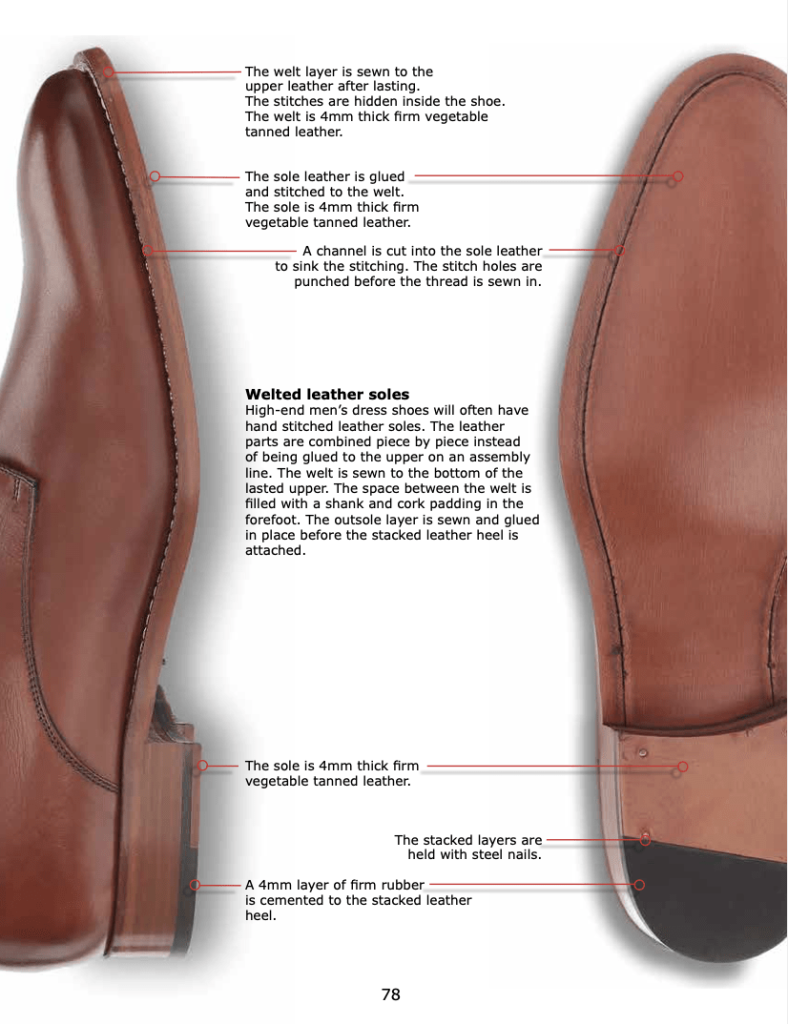
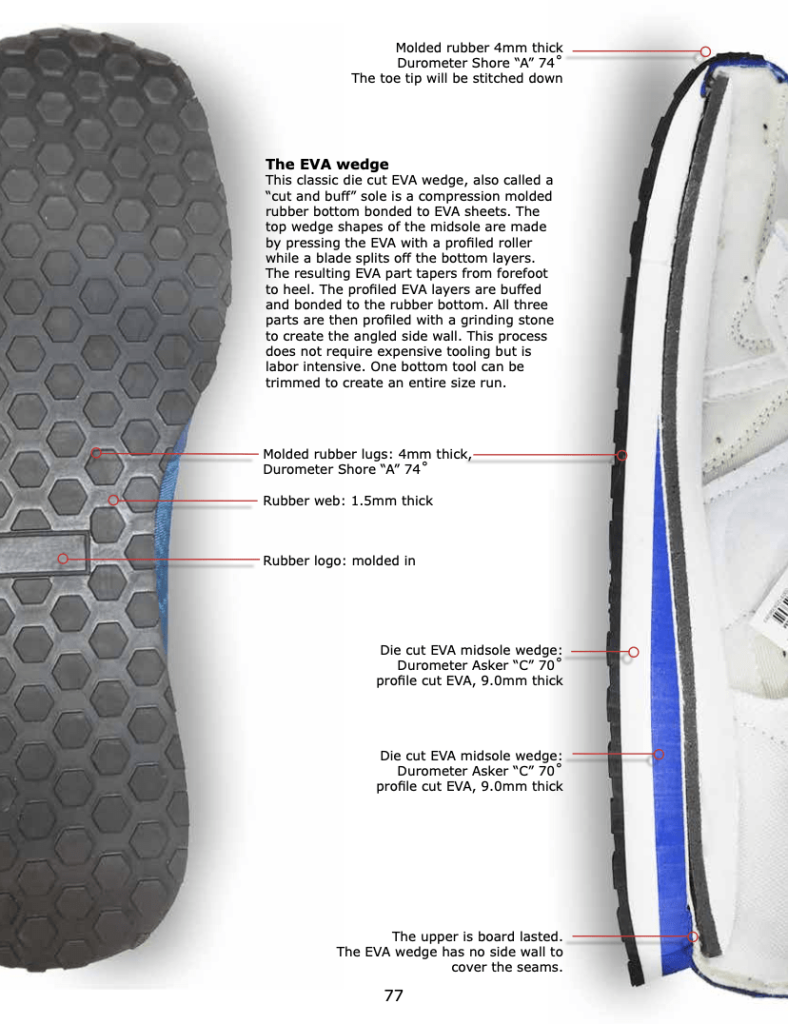
Chapter 12 of the Shoe Material Design guide details the 8 most common outsole types. Learn how to make shoe sole! Check it out!






 Post-consumer recycled content is produced when the raw materials are recovered from the waste stream after use. These products may cost more, as the materials may require complicated sorting, cleaning, and reprocessing. The amount of post-consumer content in a product depends on the physical properties required. Usually, higher physical test standards will demand lower post-consumer content. Fabrics are now available with 10% to 70% recycled content.