Posted on

How Adidas Makes Shoes

How Adidas Makes Shoes

Great video by Adidas showing how the Hyper Boost is made.

What is the process used to make Adidas Shoes? Most Adidas shoes are made by cold cement construction. Cold cement is the modern updated style of shoe construction. It is the opposite of the classic, high heat, vulcanized shoe construction found in Vans and Converse shoes.
Cold Cement shoe construction allows the use of modern lightweight plastic, foam, and mesh materials due to the low temperatures required for bonding the upper to the shoe sole. Every modern high-performance athletic shoe manufactured by Adidas for running, basketball, etc. is made by this cold cement process.
Every Adidas shoe from the Samba to the New Adidas Ultra Boost is made by the cold cement process. This is how Adidas makes all of its performance athletic shoes.

Learn about the Shoe Business

Aspiring shoemakers start here! How Shoes are Made is your entry into the world of modern shoe making. Tour a real shoe factory and learn the process from design to manufacturing.
Learn more
Download $19.99

Cold Cement Shoe Assembly Process:

This is how Adidas makes shoes In the cold cement process, the shoe upper can be prepared with the Strobel bottom. For this running shoe, the outsole covers the edge upper so a Strobel bottom can be used to make the shoe lighter and more flexible.

The shoe upper is steamed to soften the materials, and the last is inserted and pulled tight. Once the last is tight inside the upper, a second lasting machine pulls the heel edge. Once the last is secured inside the upper and temporary shoelaces are pulled tight, the upper is cooled to shrink the upper tight to the last.

The shoe may have a plastic or fabric part installed on top of the tongue to protect the surface from damage and drift during the lasting operations.

While the upper is being lasted, the sole unit is being prepared. In this case, a rubber sheet sole is combined with the EVA foam cushioning component cemented inside. This is done in a separate process that’s called stock fitting.

Primer and Cement

Once the upper has lasted tightly, and the outside unit is complete, the two pieces come together. The rubber sole unit will receive a coating of primer and cement. The outsole will get its own special primer designed for EVA and rubber. The shoe upper is also prepared with its own special primer and cement.

After the contact cement and primer are completely dried in the heating tunnels, the two pieces are joined together by hand. A skilled worker aligns the upper and outsole together then places the shoe in a hydraulic press.

New Course!
Shoemaking for Designers & Brand Builders

Created for footwear beginners and career changers alike, this course delivers the basic shoemaking knowledge you need to get you career in the shoe trades started.
Learn more
On sale $99

Pressing

The shoe will have 3 pressing operations, usually all done with one machine. A vertical press, toe and heel press, and side pressing. This ensures there is full contact between the upper and outsole. Once the shoe is pressed together, it is often put in the cooling tunnel to set the glue.

After the cooling tunnel, a shoe de-lasting machine is used to push the last out of the shoe without wrinkling the upper.

Now the sneaker is complete. At this point, you can insert the footbed. The footbed may be molded EVA with a fabric cover or flat sheet cut foam. The flat die-cut footbed is usually cemented inside the shoe, while molded footbeds are most often removable.
The new sneaker is ready for a final QC inspection, a quick check for any loose threads, cleaning, and packing.

Start Building Your Shoe Business

A must-have for anyone serious about launching a footwear company. 4 text books, shoe business documents and downloadable content not available anywhere else! The Shoe Company Start-Up Pro Pack is all you need to get your shoe business off the ground.
Learn more
Download Today

Posted on

How Converse All Stars are Made: Vulcanized Process

Do you want to know how Converse All Stars are made? The Converse All Star and Jack Purcell and other Converse classics are made with the vulcanized shoe making process.

The Converse All Star Double Wrap Style Vulcanized Outsole

Do you want to know how Converse All Star shoes are made? The Converse All Star, the Jack Purcell, and other Converse classics are made using the vulcanized shoemaking process.

The Birth of the Chuck Taylor All Star

Marquis Mills Converse opened the Converse Rubber Shoe Company in Malden, Massachusetts in 1908. The company was a rubber shoe manufacturer, making vulcanized rubber soled footwear for men, women, and children. In 1915, the company began manufacturing vulcanized athletic shoes for tennis and other sports.

In 1917, the Converse All-Star basketball shoe was introduced. Then, in 1921, a basketball player named Charles H. “Chuck” Taylor became a salesman and ambassador promoting these shoes around the United States. In 1932, Taylor’s signature was added to the All-Star patch. From then on, the All-Star also became known as “Chuck Taylor’s” or just “Chucks”.

“vulcanize: The process of heating raw rubber to cure it. This process creates cross linking inside the rubber compounds bonding it together. Before the rubber is vulcanized it is stretchable, gummy, and very easy to tear. After being vulcanized the rubber is very tough, stretchable, and ready to wear.”

https://www.youtube.com/watch?v=lZwW86sYnlQ

The Shoe Dog would like to tell you about how vulcanized shoes are made.
Have a look!  

The Shoe Dog would like to tell you about the difference between vulcanized construction and cold cement process. 

https://www.youtube.com/watch?v=XpGKmKqcjPg

How the Converse All Star is Made

In the Converse vulcanized shoemaking process, the soft white rubber shoe outsole parts are attached to the shoe upper before the rubber is heat cured. With the sole parts attached, the entire shoe must be heated in a vulcanizing oven. The shoe is heated to around 170˚C  – that is over 300˚F! The heat required to vulcanize the rubber sole can melt nylon and polyester fabrics.


Raw materials of Converse shoes

What is the Converse all star made of? Converse All Stars must be made of heat-resistant materials like suede, leather, and cotton canvas with metal hardware. This limits the material choices for the Converse footwear designers so they need to be creative. The Converse materials are key to the classic look of the style.

The Ultimate Shoe Material Textbook

Start with an in-depth study of material types available for modern shoemaking. Learn the technical details of material specifications. 195 pages and 300 color photos.

Buy Now

on sale $39.99

how Converse All Stars are made?


Converse All Stars Assembly

The Converse All Star is a double wrap shoe. The first operation is the bonding and trimming of the toe cap part. The upper then receives a pre-wrap before the rubber outsole is attached. The pre-wrap is a thin layer of rubber, tall enough to cover the upper, which wraps down around the bottom edge of the upper. After the pre-wrap and outsole are bonded and the outer wrap is applied, the final operation attaches the textured toe foxing tape and rear “license plate”  heel logo part. These parts cover the seams of the outer wrap.

Vulcanize Factory Equipment

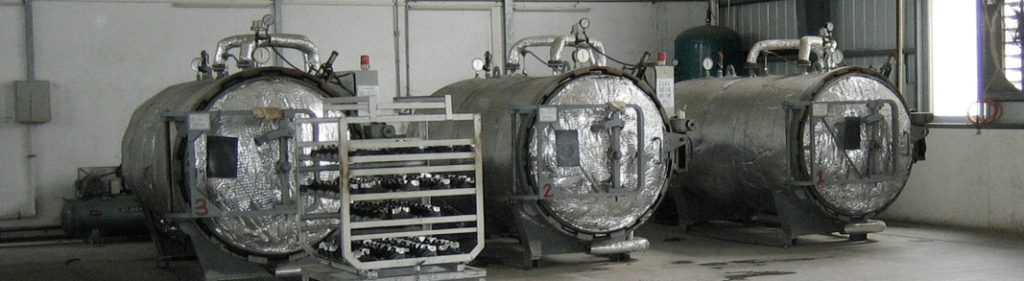
The vulcanized shoemaking process must be done in a specific factory equipped with many special machines. The shoemaking equipment required for vulcanizing is very different from the equipment needed to make cold cement shoes. A shoe factory will usually specialize in one process or the other, you will rarely find both vulcanized and cold cement processes inside the same factory.
Ovens_ready_for _all stars

The upper stitching and construction of a Converse vulcanized shoe are nearly the same as a cold cement shoe. The inside reinforcements for the toe and heel counters are made of thin rubber sheets instead of plastic. Again, due to the high temperature required for the vulcanized rubber, any kind of plastic or PVC logos or trim treatments must be avoided when designing a vulcanized shoe. The lining of Converse shoes is also made from lightweight cotton canvas.

While the uppers are being stitched, the rubber components for the vulcanized sole unit must be prepared. The rubber components for vulcanized shoes have a shelf life of only a few days. If the rubber parts are made and set aside the rubber will begin to oxidize, partially cure, and not cure properly when the shoes are being vulcanized.

How much does it cost Converse to make a pair of All Stars?

The Converse All Start retails from between $39.99 to $79.99. The low cut style is about $8.00 dollars to produce, $2.00 to ship and has an import duty of 12.5%.

This factory makes shoes the same way Converse makes the All Star


New Online Course
How to Select Shoe Materials

14 Shoe Material lessons. Over 4 hours of video instruction. In-depth study of leather, textiles, synthetics, and plastics for footwear. Material Design Guide Textbook included.
Course Details
enroll now $399

Posted on

How to Make Shoes : The Basics

Learn more about to make shoes in the new book

How to Make Shoes

how shoe are made If you want to learn how to make shoes you have come to the right place!  I’m going to explain the modern, most common ways that shoes are made. This is how the big brands like Nike™, Adidas™, and even Walmart make shoes. This basic shoemaking technique applies to almost all running shoes, basketball shoes, dress shoes, work boots, etc……so let’s get started!

Shoemaking Steps

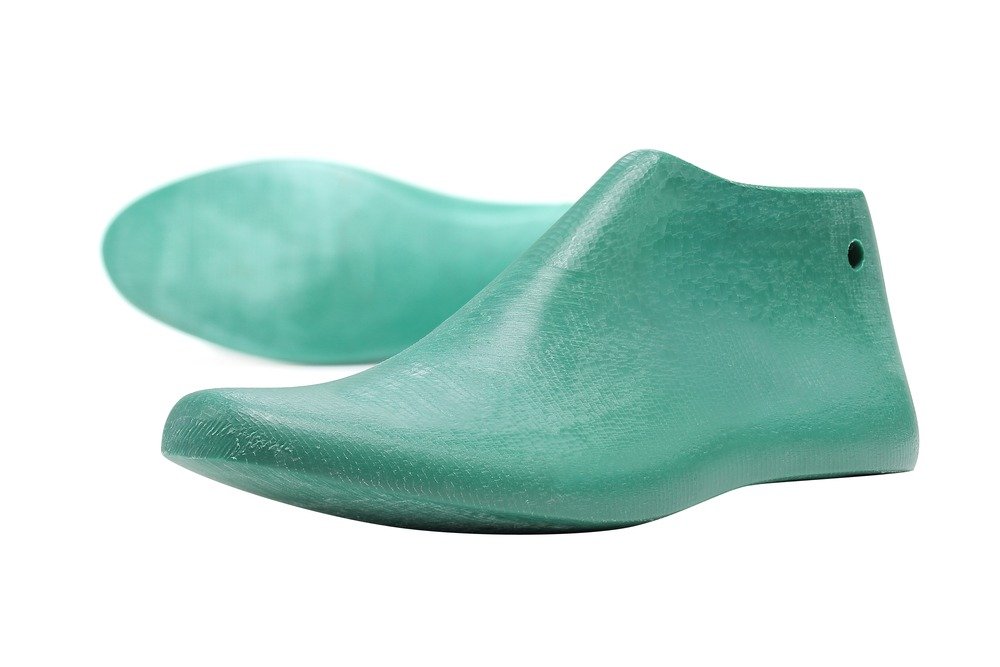
Let’s talk about the steps in shoemaking. The basic idea is to sew the upper in a shape that resembles a sock, then stretch the upper over a foot-shaped form called a last.

how to make shoes the sho least forms the shoe Once the upper is stretched over the last, the shoe bottom is glued, stitched, or nailed to the shoe upper. When the last is removed the shoe is complete. That is the most basic explanation of how to make shoes, but within each step are many variables and complications.

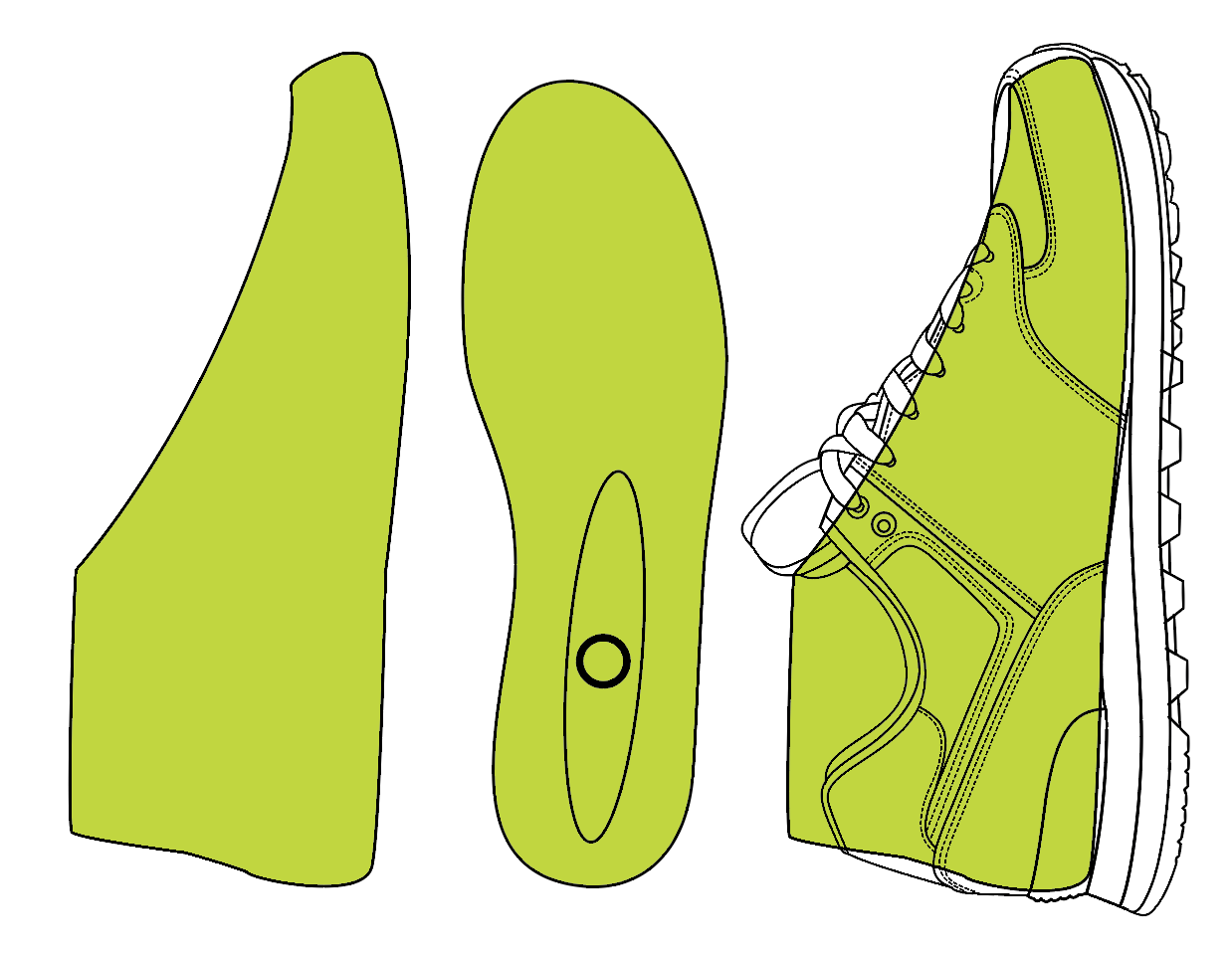
First, the shoe upper can be sewn together from one or many parts. The key here is the shape or “shoe pattern” of the upper.  To make the flat, sewn parts, fit to the 3D shape, requires “spring” in the shoe pattern. This work can be done by hand or by computer. When a shoe is in development the pattern maker may need to make a few attempts to get the shape just right. This is why shoes tend to be made of a material that has some stretch, like leather. Leather may be the perfect shoe making material. It’s strong, stretchable, and shrinkable.

shoe lasts A standard Sport Shoe Last
A standard sports shoe last
A women's high heel shoe last
A women’s high heel shoe last

Once the shoe upper is sewn, the next step in shoemaking is to pull the upper onto the last. The upper must be tight so it can be stretched to take the shape of the shoe last. Dry heat or steam is often used to soften the uppers, getting them ready to stretch. Once on the last, they are often cooled to shrink them down tight to the last before the shoe bottom can be attached.

Shoemaking
TextbooksBuy Now
Shoemaking
SuppliesBuy Now
Shoemaking
CoursesCourse Details

Previous
Next

Posted on

What does it really take to make a sneaker?

How Adidas Makes Shoes

Making A Sneaker

The sneaker is a staple of the modern world.  Children and adults around the world have closets full of them. How do sneakers get made and who makes them?

What does it take to make a sneaker?

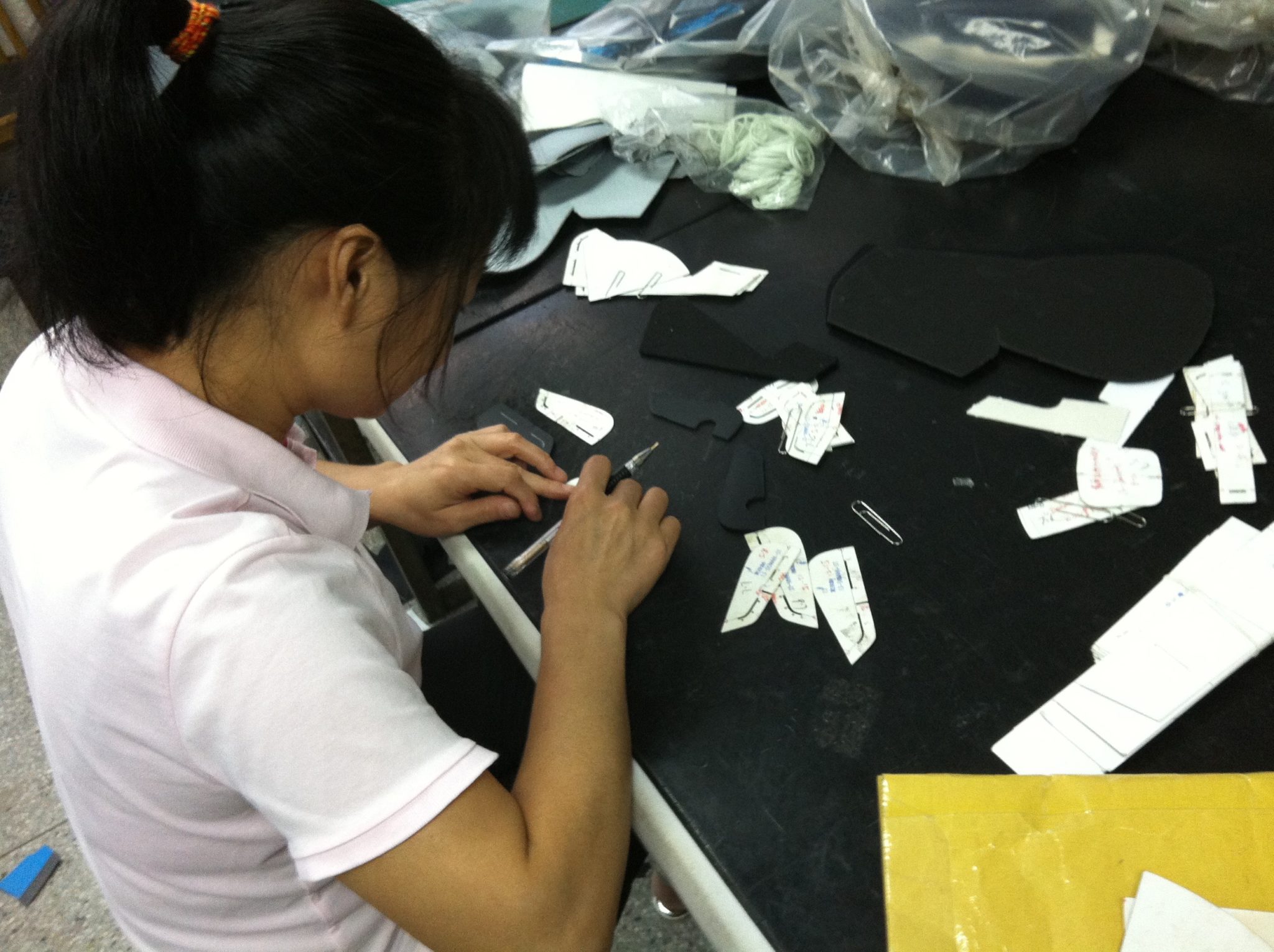
It takes an army of people. People to design, develop, manufacture and deliver the sneakers to you. Hundreds of people from shoe designers, shoe developers, pattern makers, tooling technicians, product managers, production teams, stitchers, rubber pressers, purchasing agents, material cutters, and outsole gluers.

Shoe Parts

A modern shoe, sneaker, tennis shoe – whatever you choose to call it, is really a 3-dimensional puzzle of plastic, fabric, rubber, and leather. Even the simplest shoe may have 50 separate parts. First, these parts all need to be collected into the same room, at the same time. Next, they need to fit together, and be the correct color! Not to mention the shoe box and the packing tape. Now think about all the sizes! This complicated collection of pieces and parts is not put together in just one size. An entire size run is needed. A standard men’s shoe will have 14 sizes!  Now imagine that shoe is made in 6 colors.

Let’s do the math:  50 different parts x 14 sizes x 6 different colors = 4,200 different parts to specify, order, and fabricate. Imagine a small shoe company with 100 models and 420,000 parts to collect, now imagine a large shoe company like Nike with over 1000 different models!  4,200,000 different parts and those 1000 models are changed or updated 3 times per year or more resulting in 12 million different parts to track and organize.

Last year Nike sold 120 million pairs of shoes…..that’s around 6 billion shoe parts.

What seems so simple is a very, very, complicated endeavor.
Learn more at our Online Shoe School

New Course!
Shoemaking for Designers & Brand Builders

Created for footwear beginners and career changers alike, this course delivers the basic shoemaking knowledge you need to get you career in the shoe trades started.
Learn more
On sale $99

Posted on

How a New Shoe is Made: Shoe Development Process

What is a Shoe Pattern

The Shoe Development Process

Once the design concept has been selected and refined, it is time to turn the drawings into a new sneaker.  This is when the footwear developer joins the designer to move the project forward. The developer is an experienced technician that will transform the drawings into instructions for the factory. The development phase starts with a drawing and ends months later with a sample in the salesmen’s hands.

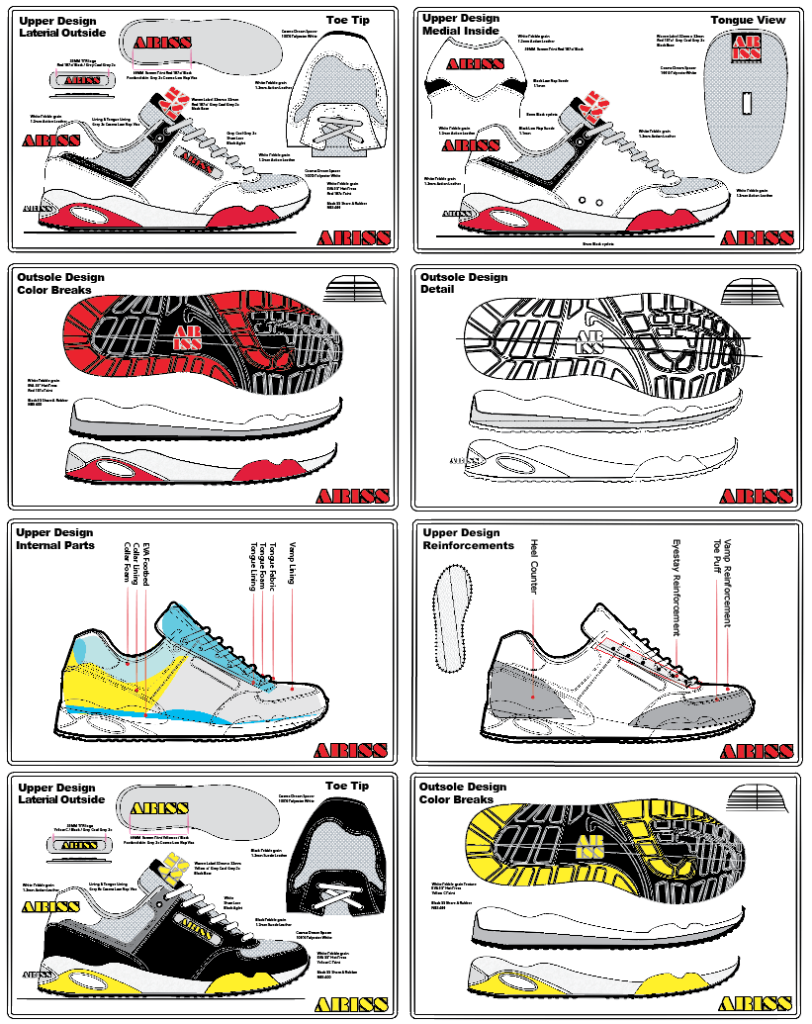
Together, the shoe designer and shoe developer will create a detailed “tech pack” or a set of specification drawings or “specs” for the new shoe design. These drawings and documents detail every part of the sneaker from the upper to the outsole bottom. The specifications include the name of each shoe part, the material, material vendor, thickness, and color. The spec includes the shoe last information, logo art, design details, emboss effects etc. The spec may also include sample shoes, material swatches, photos, or any other notes to help build the samples.

The shoe development spec may be e-mailed, sent by courier service, or hand carried by the developer to the factory. At this point in the shoe development process, the developer is now responsible for getting the sample sneakers built.

shoe specification drawingsSpecification Drawing

This is what a complete spec drawing looks like:
Medial View (inside of the shoe)
Heel View (view from the back)
Tongue View (showing any logo art)
Vamp View (looking down on the toe)
Detail views of any small plastic parts
Material Map of the upper
Color map of the first sample colorway to be made.

Outsole Side Profile
Outsole Bottom View
Outsole Top net View
Detailed view of injection parts
Cross section view of the sole
Texture map showing the surface details
Color map showing future plans for color breaks.

New Course
How to Create Shoe Specifications

9 Spec creations lessons.
2 hours of video instruction.
Create a spec step by step .
Material Design Guide included.
Learn more
enroll now $199

Posted on

Update: Over 10,000 Readers in over 60 Countries!  

SneakerFactory, sneaker head

Sneaker Making book

Read by over 2500 3000 5000   10,000 people in 60 countries!

We want to take a minute to thank the 900,000 1,000,000 2,450,000 people around the globe that have visited the SneakerFactory.net website in the past two years. We also want to extend a special thank you to the 3000 shoemakers, designers, and sneakerheads that have purchased our books “How Shoes are Made” and “How to Start Your Own Shoe Company!”

You may have noticed that new posts are not coming out quite so often and we are genuinely sorry about that!  After the March 2017 launch of “How to Start Your Own Shoe Company,” we planned to take a break from writing shoe making books and spend more time writing articles for the site. Well, it just didn’t work out that way. After receiving so many comments and questions about shoe materials we decided to launch right into our new project, I mean book, right (write) away!  

We are pleased to report that the third book in our series, “The Designers Guide to Shoe Materials,” is well on its way to being complete! Our team has about 25 of the planned 30 chapters complete. Our editor, the indispensable and Indefatigable, Andrea, is hard at work crossing the i’s and dotting the t’s. Meanwhile, our photography department is touching up the brilliant photos. We will offer you a new book at Christmas (I promise).   

Thanks for visiting the SneakerFactory.net!

Posted on

Shoe Outsole Tooling

Shoe Outsole Tooling

Shoe Outsole Tooling: A factory photo tour

This is what shoe outsole tooling looks like at the shoe factory.

Posted on

How long does it take to make a pair of shoes?

Shoe Parts being cut

How long does it take to make a pair shoes?

Production Timing

How long does it take to make a pair of shoes?  The answer is… it depends. An efficient shoe factory sample room can make a pair of shoes in one day. It is easy to cut, stitch, and last a pattern in just a few hours. However, if you don’t have the materials on hand, or need printed logos, welded details, or hardware, it’s a totally different story.

A new development sample that requires a new shoe pattern and outsole tooling can take 4-6 weeks to process. This amount of time should be sufficient for a pair of shoes in the correct color, material, and molded outsole. Keep in mind, a fashion shoe that does not require an outsole can be made much faster.

How long does it take a shoe factory to make a production order?

So, let’s talk about how long it takes a shoe factory to make a production order of 5000 pairs. Let’s assume the development process is complete: the upper patterns for every shoe size are confirmed, the cutting dies have been checked, and the outsole tooling for every size is approved.

The answer depends on how busy the factory is, but basically you’re looking at about 60 days from when the order is placed to when the shoe can be packed for delivery. This can easily stretch out to 90 days if the factory is totally booked. 120 days is getting really late.

Why does it take so long?

The challenge of modern mass production shoemaking is really about organization and logistics. The process of putting a shoe together is not difficult. The process of getting all the shoe parts together at the same time, in the same room, ready for assembly, is the time-consuming challenge!

Shoe Materials

With a new shoe order in hand, the first thing the factory will do is to calculate the material required to produce the quantity. The factory will then order the material from the vendors and component subcontractors. Factories do not stock raw materials for shoes, they have to wait until they receive an order to buy the materials. The shoe material makes up about 50% of the final cost. The factory will have to use a line of credit borrowed against the shoe order to buy the materials. Because of this, a shoe factory may demand a 50% payment up front when the order is placed. This process can take a week to complete.
The shoe material purchasing process can be complicated. Some shoe material vendors may demand cash up front, and some may have capacity issues. Negotiating the purchase terms with a new vendor can cause delays. Also, there may be material color or quality issues that require the material to be remade…more lost time.

Material Timing

Some parts or materials take longer than others. Whether it’s shoelaces, leather, or mesh rubber components, all these materials have different lead times. While the factory may order all these components in one day, it may take two weeks to produce the outsoles, three weeks for the mesh, and four weeks for the leather to arrive.
Timing also depends on sub-component processing. In the case of outsoles or midsoles, the factory must consider the productivity of the molds. If you only have one size 9 EVA mold, and assuming it could take 20 minutes to make one piece from that mold, the factory may only be able to make 30 pieces in one day. In this situation, you may need to buy more molds in order to make production faster for popular sizes.

Processing Materials

It may take 30 to 40 days for the materials to be delivered to the shoe factory. Once the material arrives it will have to be processed before stitching can begin. Some shoe material may need to be cut and sent out for logo embroidery. Other materials may need to be sent over to the shoe factory’s in-house welding or screen printing departments. This pre-processing of the materials takes time. The shoe factory cannot start stitching the shoes until all of the components are inside the factory. If the shoelaces are missing, or there’s no shoebox or outsole, the factory cannot start the assembly process.

The outsole unit may have to be made in a separate factory. There may be one factory that presses the rubber and another factory that presses the midsole. These two pieces will come together in the shoe factory stock fitting department. The stock fitting line will glue the parts together and maybe add a logo before the shoe sole is ready to meet with the upper on the assembly line.

Shoe Assembly

One stitching line can stitch about 800 pieces in one day depending on the complexity of the stitching operations. One shoe assembly line can usually assemble 1200 to 1500 pairs in one day. So, two shoe stitching lines are required to support one shoe assembly line, and a five line factory can complete approximately 5000 to 8000 pairs of shoes per day.

How long does it take to make a pair shoes?

Production Timing

How long does it take to make a pair of shoes?  The answer is… it depends. An efficient shoe factory sample room can make a pair of shoes in one day. It is easy to cut, stitch, and last a pattern in just a few hours. However, if you don’t have the materials on hand, or need printed logos, welded details, or hardware, it’s a totally different story.

A new development sample that requires a new shoe pattern and outsole tooling can take 4-6 weeks to process. This amount of time should be sufficient for a pair of shoes in the correct color, material, and molded outsole. Keep in mind, a fashion shoe that does not require an outsole can be made much faster.

How long does it take a shoe factory to make a production order?

So, let’s talk about how long it takes a shoe factory to make a production order of 5000 pairs. Let’s assume the development process is complete: the upper patterns for every shoe size are confirmed, the cutting dies have been checked, and the outsole tooling for every size is approved.

The answer depends on how busy the factory is, but basically you’re looking at about 60 days from when the order is placed to when the shoe can be packed for delivery. This can easily stretch out to 90 days if the factory is totally booked. 120 days is getting really late.

Learn about the Shoe Business

Aspiring shoemakers start here! How Shoes are Made is your entry into the world of modern shoe making. Tour a real shoe factory and learn the process from design to manufacturing.
Learn more
Download $19.99

Why does it take so long?

The challenge of modern mass production shoemaking is really about organization and logistics. The process of putting a shoe together is not difficult. The process of getting all the shoe parts together at the same time, in the same room, ready for assembly, is the time-consuming challenge!

Shoe Materials

With a new shoe order in hand, the first thing the factory will do is to calculate the material required to produce the quantity. The factory will then order the material from the vendors and component subcontractors. Factories do not stock raw materials for shoes, they have to wait until they receive an order to buy the materials. The shoe material makes up about 50% of the final cost. The factory will have to use a line of credit borrowed against the shoe order to buy the materials. Because of this, a shoe factory may demand a 50% payment up front when the order is placed. This process can take a week to complete.
The shoe material purchasing process can be complicated. Some shoe material vendors may demand cash up front, and some may have capacity issues. Negotiating the purchase terms with a new vendor can cause delays. Also, there may be material color or quality issues that require the material to be remade…more lost time.

Material Timing

Some parts or materials take longer than others. Whether it’s shoelaces, leather, or mesh rubber components, all these materials have different lead times. While the factory may order all these components in one day, it may take two weeks to produce the outsoles, three weeks for the mesh, and four weeks for the leather to arrive.
Timing also depends on sub-component processing. In the case of outsoles or midsoles, the factory must consider the productivity of the molds. If you only have one size 9 EVA mold, and assuming it could take 20 minutes to make one piece from that mold, the factory may only be able to make 30 pieces in one day. In this situation, you may need to buy more molds in order to make production faster for popular sizes.

New Course!
Shoemaking for Designers & Brand Builders

Created for footwear beginners and career changers alike, this course delivers the basic shoemaking knowledge you need to get you career in the shoe trades started.
Learn more
On sale $99

Processing Materials

It may take 30 to 40 days for the materials to be delivered to the shoe factory. Once the material arrives it will have to be processed before stitching can begin. Some shoe material may need to be cut and sent out for logo embroidery. Other materials may need to be sent over to the shoe factory’s in-house welding or screen printing departments. This pre-processing of the materials takes time. The shoe factory cannot start stitching the shoes until all of the components are inside the factory. If the shoelaces are missing, or there’s no shoebox or outsole, the factory cannot start the assembly process.

The outsole unit may have to be made in a separate factory. There may be one factory that presses the rubber and another factory that presses the midsole. These two pieces will come together in the shoe factory stock fitting department. The stock fitting line will glue the parts together and maybe add a logo before the shoe sole is ready to meet with the upper on the assembly line.

Shoe Assembly

One stitching line can stitch about 800 pieces in one day depending on the complexity of the stitching operations. One shoe assembly line can usually assemble 1200 to 1500 pairs in one day. So, two shoe stitching lines are required to support one shoe assembly line, and a five line factory can complete approximately 5000 to 8000 pairs of shoes per day.

Start Building Your Shoe Business

A must-have for anyone serious about launching a footwear company. 4 text books, shoe business documents and downloadable content not available anywhere else! The Shoe Company Start-Up Pro Pack is all you need to get your shoe business off the ground.
Learn more
Download Today
Posted on

Shoemaking Hand Tools

a shoemakers Lasting Pliers

Shoemaking Hand Tools

Let’s look at shoemaking tools you will need for any DIY shoe projects. These are the shoemaking tools you will find in any shoe repair or handmade shoe shop. Of course, we can also call these cobblers tools. While you will have a hard time finding these tools in your local Home Depot, they can all be found online.

13Pcs Leather Craft Hand Stitching Sewing Tool Thread Awl Waxed Thimble Kit:

$11.09 on Amazon

13 pcs LeatherCraft shoemaking hand tools
Stitching Sewing Tool Thread Awl Waxed Thimble Kit:
1Pc x black pressure cloth tooth distance of 4 mm 1Pc x log pressure cloth tooth distance of 2 mm 1Pc x solid wood awl
1Pc x straight head awl 1Pc x hook the awl 1Pc x Grooving device 1Pc x hollow awl 1Pc x beeswax
1Pc x thimble 1Pc x leather needle 1Pc x ecru flat wax rope 1Pc x black flat wax rope
1Pc x coffee flat wax rope 1Pc x scissors

Cobbler Pliers
$19.99 Sneaker Factory Bookstore

Lasting Pliers: This is the classic shoemaking hand tool.
Beaked pincers with a built-in hammer face. Used for shoe lasting and sole nailing. Durable economical construction. Built for production factory use. Steel with black painted handle. 21cm long, 6 cm opening with 14cm handle.
Package includes: 1 x Lasting Pliers

Hand Tools for Shoemaking
$64.95 on Amazon

Lasting Pliers: Shoe lasting pliers are a very practical tool. The pliers grasp the shoe material while the hooked end lets you lever and roll the material down onto the lasting board. Then, without having to change tools, the material and/or a lasting tack can be hammered in. While they look semi wicked, shoe lasting pliers are very common in both production shoe factories and handmade shoe shops.


Last Measuring Step: Shoe last measuring step. Measures last heel lift from 1cm to 11.5 cm. Durable injection-molded plastic.
Step measures 12cm x 12cm

$49.95 on  Amazon

Cobblers Shoe Hammer: For shoemaking, a good hammer is a must. To drive tacks and nails for lasting and seating heels, a cobbler’s hammer is the tool of choice.


$34.95 on Amazon

French Shoe Hammer: The flat smooth face of the french shoe hammer is designed to flatten seams and stitching. Even careful handling will leave some humps and bumps. The French shoe hammer and some gentle work will make seams flat and even.

$35.50 on Amazon

Shoe Makers Tool Kit:
Steel Cutter
Iron Pliers
Brass Handle Awl
Scissors
Hammer
Punches (1.5MM,2.5MM)
Rasp Tool

$35.90 on Amazon

Eyelet setter: To set lace and vent eyelets you will need a punch and setter. In the factory, they will have a hydraulic press but at home, a hand setter will work.

$9.03 on Amazon

Awl Leather Punch: For punching holes and marking leather you will need an awl.

$8.80 on Amazon

Spacer Embossing System: This handy tool allows you to evenly mark stitch locations.  Once marked, the leather can be punched and sewn.

$2.65 on Amazon

Leather Edge Skiving Tools: To trim and refine leather edges a skiving tool is a must. Used to remove any rough edges,  you will find these tools in every leather works toolbox.

Basic Hand Stiching Leathercraft Set (12 Items):
$27.39 on Amazon

Basic Hand Stitching Leathercraft Set (12 Items):
1 Adjustable Leather Edge Stitching Groover Tool(1mm ) 1 Edge Beveler No.2(1.0mm) 1 Pro-Stitching Grooving & Edge Beveler Tool (1mm ) 1 Pro Leather Edge Edger Beveler Skiving Tool
1 Adjustable Edge Creaser up to 1.5cm 1 Japanese Style Skiving Knife 1 Wood Multi-Size Edge Slicker 1 Skiving Tool+10 Replacement Blades
1 Multi-Size Hole Punch1.5mm/2mm/2.5mm/3mm/3.5mm/4mm 1 Awl 2 Leather-craft


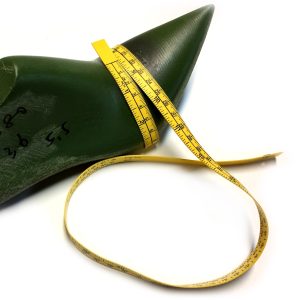
Shoe Last Measuring Tape
$14.99 Sneaker Factory Bookstore

Last measuring tape: Designed specifically for measuring shoe lasts this 24-inch tape features a durable fabric reinforced non-stretch construction. Printed on both sides this tape is marked with centimeters, inches, English sizes, and stitch count. Steel grommet for hanging. Made in Germany. Free shipping in the USA.

Posted on

How much does it cost to produce a pair of Air Jordan XXXI’s?

How much does it cost to produce a pair of Jordans?

How much does it really cost Nike to produce a flashy pair of Air Jordan XXXI’s? Does Nike make big bucks on every pair of shoes they sell? Why does a basketball shoe cost $185? What is the real cost to make such high-end sneakers?

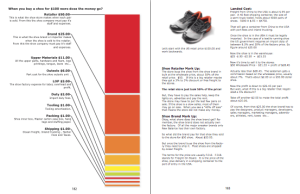
The article then reveals a Cost to Produce Air Jordan XXXI graphic, stating that retail price for the shoes is $185. Wholesale price is about 50% off retail, around $90-$92.50. Retailers might negotiate a 3-5% discount or free freight. Retailers, having employees to pay, rent to cover, and other expenses, take 50% off the top. The article concludes by asserting that although the Air Jordan XXXI will sell out quickly, the store still has other shoes to sell at a discount.

New Online Course
Sneaker Authentication

13 Authentication lessons.
3 hours of video instruction.
In-depth study of footwear inspection techniques.
Authentication textbook included.
Course Details
enroll now $199

How Much Money Does Nike Get?

So, how much money does Nike get? Remember, Nike does not actually own the shoe factory. Of all the major shoe brands, only New Balance owns a shoe factory. So, what did Nike pay the factory for that $185.00 shoe? They paid roughly $25.00 USD per pair.

How can Nike sell a $25.00 shoe for $92.50?

Cost to make shoes Once Nike buys the Air Jordan XXXI from the factory in China, they need to ship it. Nike ships most of its shoes by ocean freight from China, Vietnam, or Indonesia to the USA. An ocean container can cost $4000 to ship and will hold around 3000 pairs of high-top shoes. Shipping plus other fees can cost about $1.50 per pair.

When the Air Jordan XXXI arrives in the USA, it must be imported. In the case of a textile and leather sneaker, the US government requires an import duty of 20% of the F.O.B. price. So add $5.00 to the cost.

Now the shoe is in the warehouse: $25 + $1.50 + $5.00 = $31.50.

Build Your Dreams!Air Jordan DIY Kit:
Last & Outsole

Stop searching! We have the Classic Air Jordan style last and outsole in stock. Ready for your Air Jordan 1 restoration and DIY shoe projects. We have your size in stock!
Buy Now
On sale $119

Now they need to pay Michael his royalty for being the greatest basketball player that ever lived and for being on their shoe.
It’s hard to know exactly what that royalty amount is. The Jordan brand is selling about 2.6 billion dollars of product and Michael is paid about 100 million. To keep it simple we can figure he gets 5% of the wholesale price. Maybe $4.63 per pair, maybe more.

So, to make the Air Jordan XXXI, ship it, and pay Michael, the total comes to about $41.30.

The $92.50 wholesale price minus $41.30 leaves Nike a profit of $51.20  or about 55%.
This is pretty standard for shoes. Fashion shoes may be more, discount shoes a bit less.

Of course, from their $51.20, Nike brand has to pay the designers, product managers, developers, sales managers, marketing managers, administrators, floor sweepers, advertisers, quality control staff, athletes, etc…

Cost to make shoes shoe design book
To learn more about the cost of making a basketball shoe and the rules for importing shoes, check out How to Start Your own Shoe Business

New Online Course
How much does it cost to
make a shoe?

Step-by-step how to create and analyze footwear costing sheets. 5 shoe cost calculation lessons. Over 1 1/2 hours of video instruction.
Course Details
enroll now $149