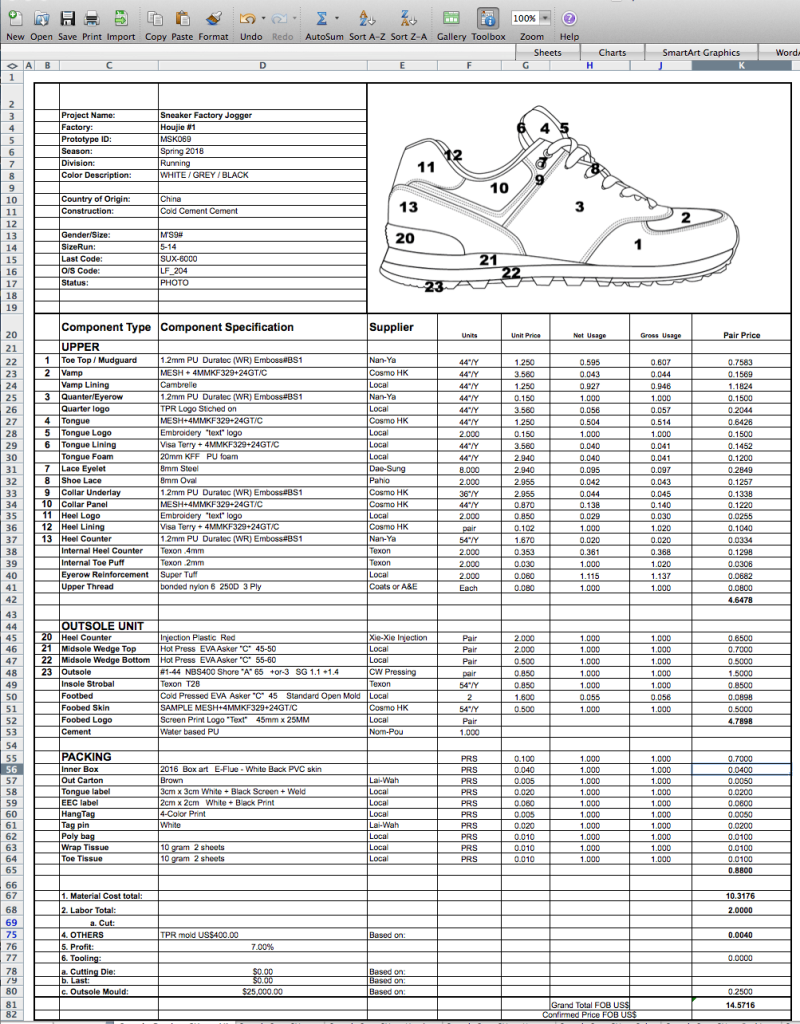
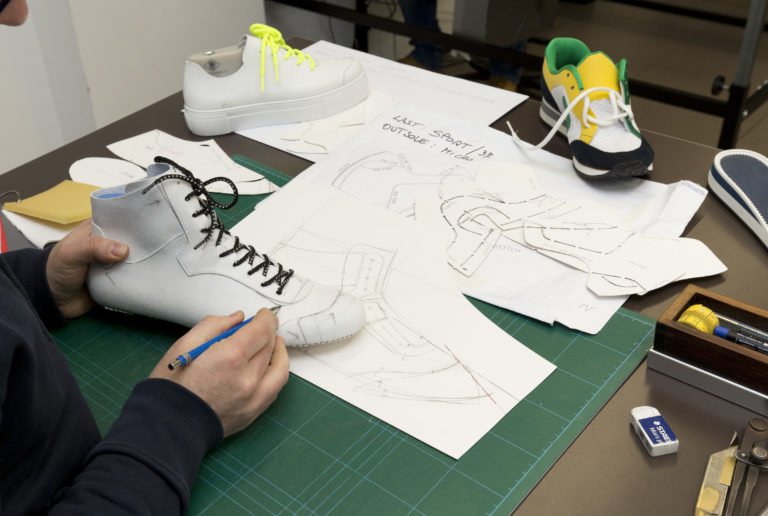
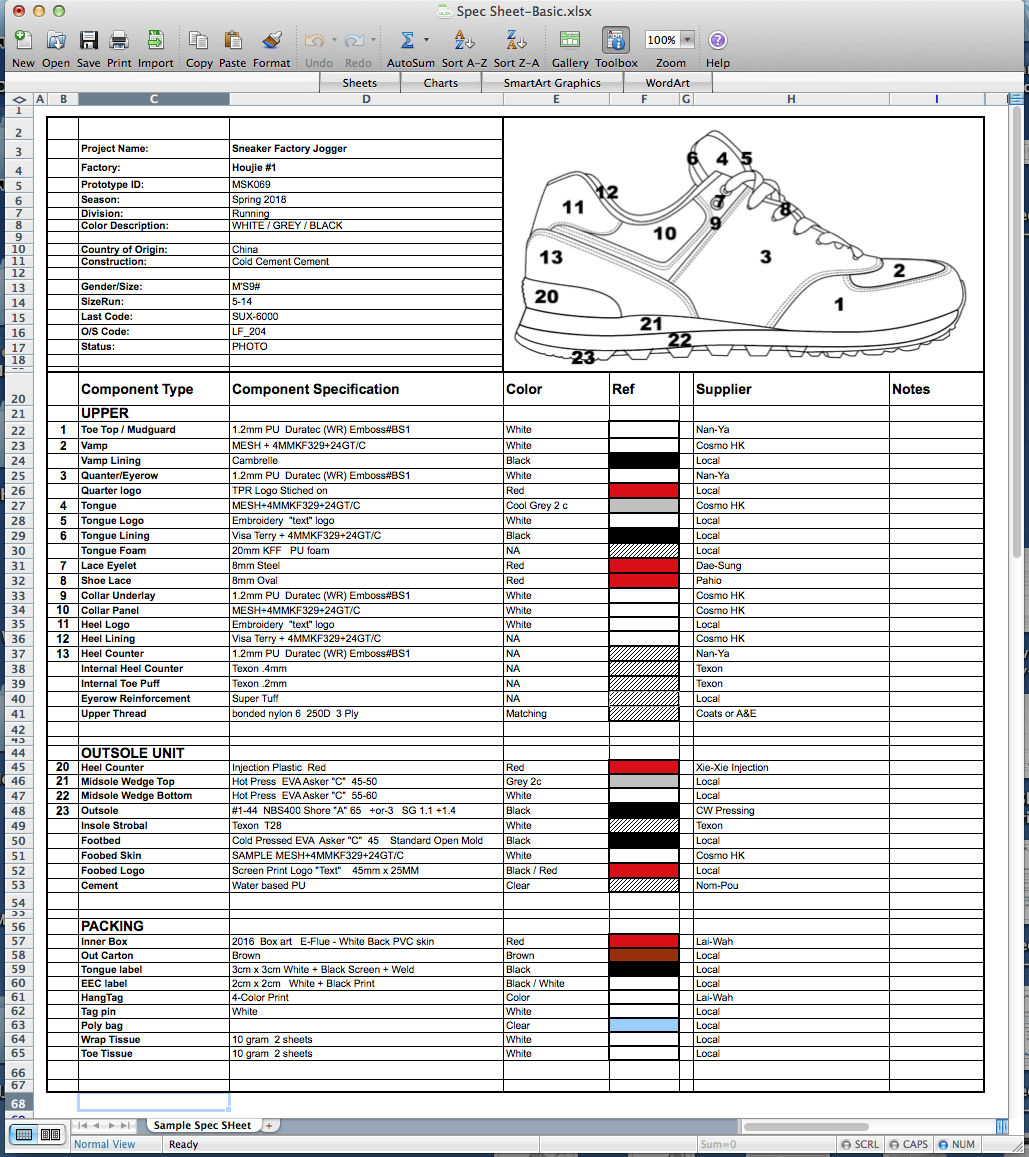
Let’s learn how to make a real factory ready shoe production specification sheet. Now that you have your shoe design finished, it’s time to write a detailed specification sheet. The footwear specific specification sheet or simply “spec” sheet does a few things.
#1. The Spec tells the shoe factory the name of each part of your design.
#2. The Spec sheet details what each shoe part is made of.
#3. It tells the shoe factory what color every part is.
#4. It tells who supplies each material to the shoe factory.
The shoe specification sheet is also your contract with the factory. The spec sheet tells them exactly what you want for all the internal components and answers questions about what should be inside the shoe.
A detailed specification sheet is absolutely critical to your success. If you leave line items open with no detail, the factory will choose whatever they have inside the factory for these parts. This may be good or be bad, but you will get an unexpected result. We also use the spec sheet to check the new samples that come in from the factory. It’s important to review each sample with the spec sheet to make sure the factory followed the specification sheet. It’s good to highlight differences and ask the factory why they deviated from the spec sheet. Maybe they have a suggestion that’s better than what you chose? In many cases, the factory developer or pattern maker will substitute with a material that they have on hand, and it may work better than your original specification.
How to Pick Shoe Materials
Start with In-depth reviews of material types available in modern shoemaking. Learn the Technical details of shoe material specification. 195 pages or 300 color photos.
Learn more
on sale $39.99
Shoe Specification Material Maps:
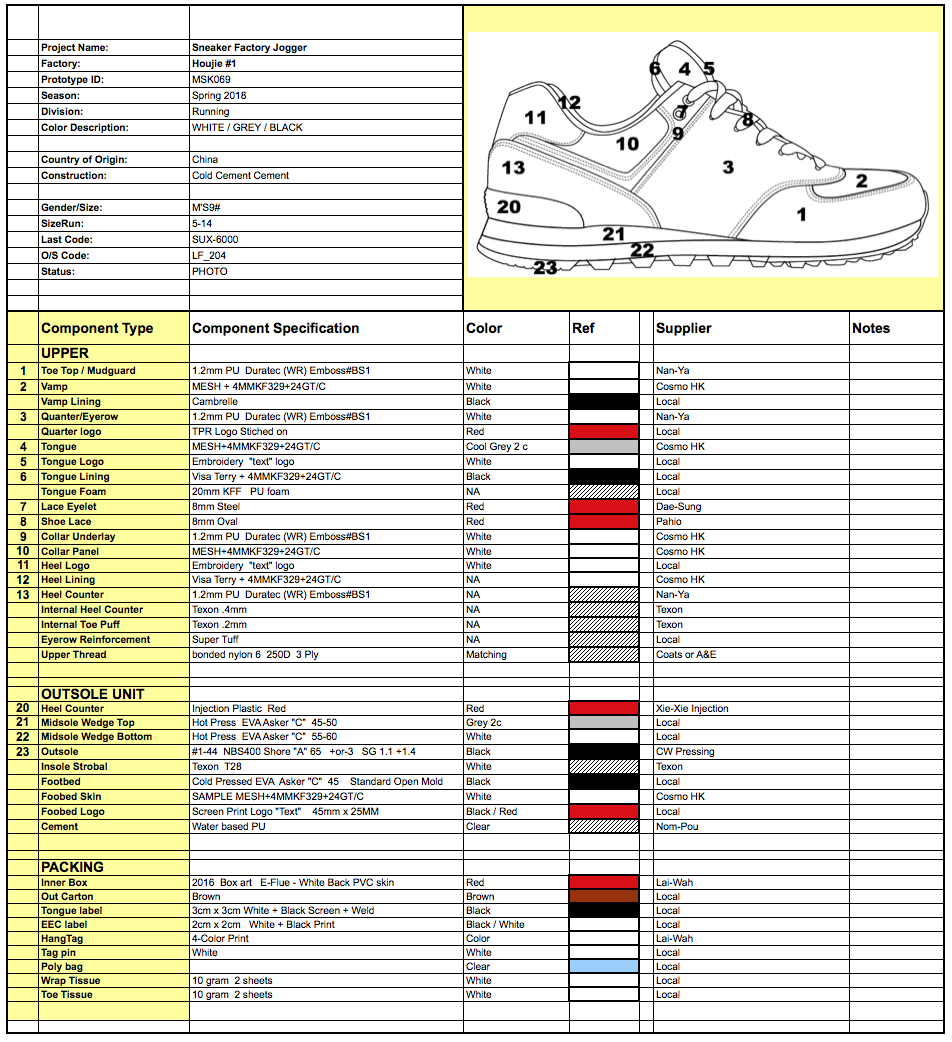
I make a material map when I’m specifying a new shoe the factory hasn’t seen before. It’s important for the shoe factory to know the terminology we are using. Take a black-and-white drawing and give each piece a number, while making sure the numbers on your spec sheet match the drawings. This takes just a few minutes and can save you the hassle of a simple mistake.
Shoe Specification Sheet Header:
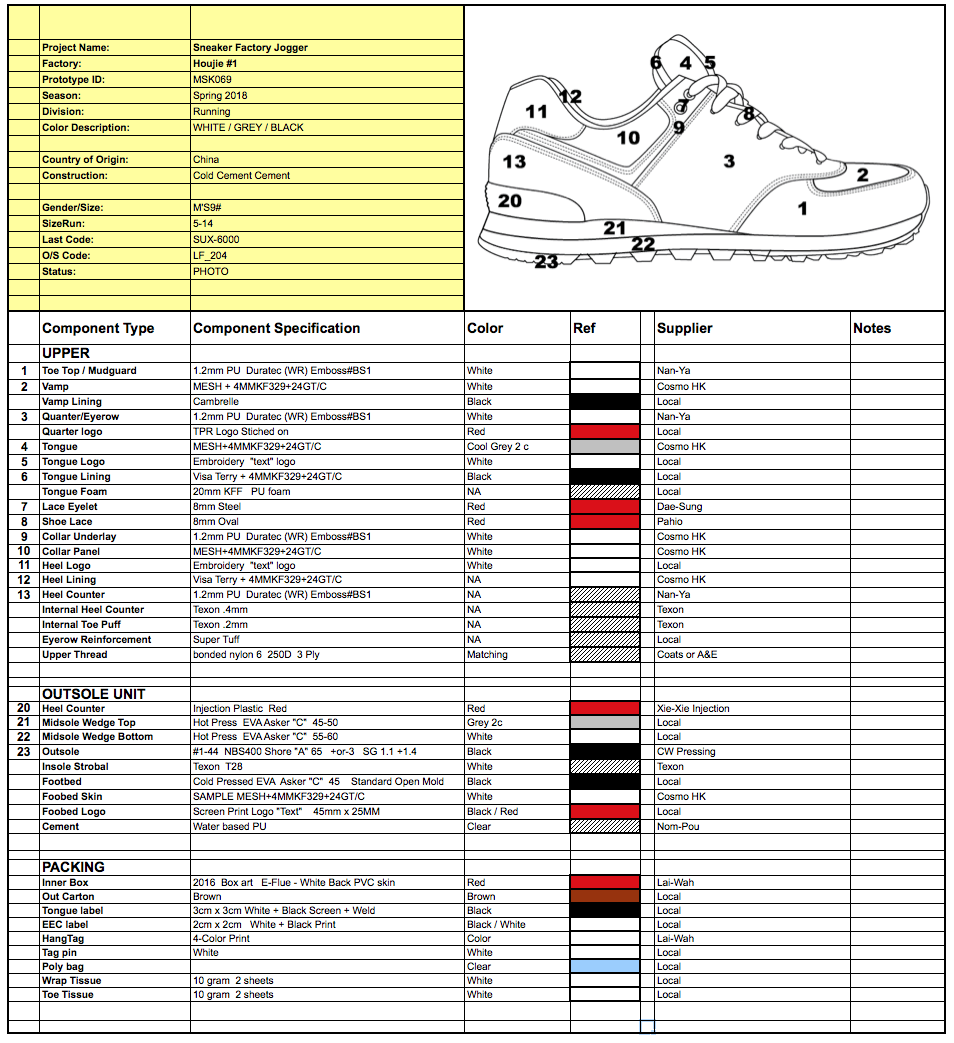
The specification sheet header contains lots of key information the factory will need to make the samples. Some key parts are the factory name/address, last number, model name, outsole code, and size run information. This is the basic information that pattern makers will need to make your pattern on the correct lasts and make sure your upper design is attached to the correct sole unit.
Filling in the Footwear Specification Sheet:
The bulk of the information on the footwear spec sheet will include the names of the components and then what material you specified for each component. For a shoe vamp you may spec the following:
1.2- to 1.4mm Low nap Suede leather Color: 456C Supplier: Wolverine
or a synthetic leather may be like this:
1.2mm PU Duratec (WR) Emboss#BBQ Color: Black Supplier Nan-ya
When detailing the shoe materials, you will list the name, the manufacturer, and the code number or swatch book. Depending on the material, you will list the thickness of the material, emboss pattern, and backing material.
Shoe Specification for the Upper Components:
I like to break up the components of the shoe into several sections. The first being the upper components of the shoe, where I personally like to start with the front of the shoe and work backward. Then I list the inside lining components and reinforcing components, all the pieces that you can’t see inside the shoe like the vamp lining, collar lining, etc… In this section, you can also list things like the glue, collar foam density and thickness, and the thread type you want to use on your shoe.
New Course How to Create Shoe Specifications
9 Spec creations lessons.
2 hours of video instruction.
Create a spec step by step .
Material Design Guide included.
Learn more
enroll now $199
Shoe Specification for the Outsole Unit:
The next section would call out the footwear outsole unit components. You are going to list the rubber parts, color, and other details like the logo. You can also spec the rubber hardness, specific gravity, and other characteristics like non-skid. Also list the midsole if it’s molded or die cut with its density, color, and any other parts.
Shoe Packing:
The final section of the spec sheet should list any of the items that are not necessarily part of the shoe but are still part of the package. Examples of these could be the cardboard box, tissue paper, tags, any stuffing, extra shoelaces, keychains, or a users manual in a plastic bag. Anything like that should be included in the final section.
New Course How to Select Shoe Materials
14 Shoe material lessons.
Over 4 1/2 hours of video instruction.
In-depth study of leather, textiles, synthetics and plastics.
Material Design Guide Text Book included.
Do you want to see how high heel shoes are made? Now is your chance to take a quick tour of two small factories in China producing handmade women’s fashion shoes. Located in a major shoemaking city in south China, these small, one assembly line, “micro” shoe factories, produce small orders of high quality, high fashion shoes. These factories are self-contained. They have development, cutting, stitching, and lasting all together in one small space.
These women’s shoe factories are very different from the massive complexes that produce for the mega-brands like Nike™ or Adidas™. Due to the small staff of 40 to 100 workers, these factories are flexible and well suited to keep pace with the speed of modern fashion shoes. Moreover, these factories may look humble but they produce shoes for export around the world. Let’s see how a small factory makes high heeled women’s shoes.
Development and Last Making for high heel shoes:
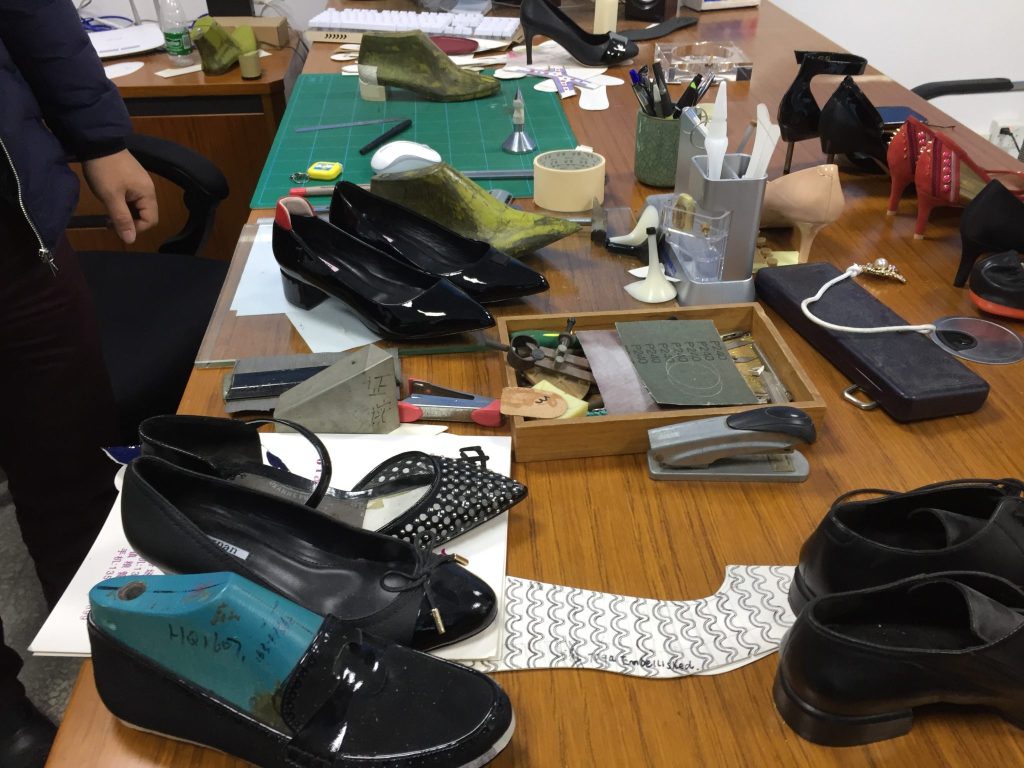
Before the cutting and stitching departments can get started, the shoe last must be selected for the particular shoe style. Women’s high heel shoe lasts come in many shapes and sizes. Here workers are building samples of next year’s high fashion shoes!
Development and Last Making for high heel shoes:
Development and Last Making for high heel shoes:
Development and Last Making for high heel shoes:
Here workers are building samples of next year’s high fashion shoes
Here workers are building samples of next year’s high fashion shoes
Cutting Department:
One assembly line making women’s fashion shoes can be supported with just two cutting machines. Cut shoe parts are carefully stacked. Women’s fashion shoes require almost as many parts as an athletic shoe. The shoe part cuttings are neatly organized waiting for the next order. Learn more about how to make shoe cutting dies.
Women’s fashion shoes do require as many parts as an athletic shoe.
Cut shoe parts are carefully stacked
The shoe cuttings dies are organized waiting for the next order.
Stitching:
Most women’s heels only have a few stitching operations so the stitching line is made up of just a few workers located in the same room as the assembly line. These workers stitch and assemble the upper parts.
stitching line is just a few workers
Most women’s high heels shoes have few stitching operations
These workers stitch and assemble the upper parts
Lasting Line:
Just a few steps away from the stitching line, you will find the lasting line. A single assembly line can complete 250 pairs a day. Of course, this is considerably less than the 1,000 or 1,500 daily pairs a large sports shoe factory will produce. Here each shoe is very CAREFULLY assembled, ensuring each pair is a small work of art. Learn the basics of how to make shoes here. Purchase the ultimate shoemaking Pro Pack of information here.
Most women’s high heels shoes have few stitching operations
Cut shoe parts are carefully stacked
Here workers are building samples of next year’s high fashion shoes
Here workers are building samples of next year’s high fashion shoes
Development and Last Making for high heel shoes:
These workers stitch and assemble the upper parts
Here workers are building samples of next year’s high fashion shoes
Women’s fashion shoes do require as many parts as an athletic shoe.
Development and Last Making for high heel shoes:
Cutting dies organized in the cutting room
Development and Last Making for high heel shoes:
The shoe cuttings dies are organized waiting for the next order.
So, you ask yourself, “Can I start a shoe company?” Your next question should be “How do I start a shoe company?” What does it take to start a shoe brand? When we say, “start a shoe company,” we really mean a company that designs, markets, sources, and imports shoes. Not a factory that just makes shoes.
We think of Nike and Adidas as shoe companies but they don’t actually own the shoemaking equipment. Of the major athletic shoe companies, only New Balance owns its own shoe factories. In the case of New Balance, they also import some shoes from China and they import many shoe components from overseas.
Okay, what do you really need to get started with your shoe company?
How to create your own shoe design?
You will need something special, unique, and original to catch peoples attention. Billions of shoes get made, what makes yours better than the rest? Do you have designs or do you need to hire a designer to make one? You will also need clean shoe renderings that communicate your ideas to the factory, don’t be afraid to hire this out.
The shoe world has many designers for hire that can really bring your ideas to life, but without great designs, your new shoe company won’t go anywhere. Once you find a quality designer and plan out some great shoes, make sure to stand back and think about your brand. Does this shoe fit your brand and accomplish what you sought after when starting the design?
Sales and distribution plan for your new shoe brand:
Making shoes is not the hardest part, finding customers for your shoes is! You need to have this figured out BEFORE you place a purchase order with the factory. The big shoe brands actually have orders in their hands for shoes before they produce the new models.
What is your intended selling market for your shoes?
Before you start a shoe company you need to know where the shoes are going and where the shoes will come from. Figuring this out may depend on the style of shoe or your marketing plan. Asia or Europe? Athletic shoes are almost always made in Asia. Leather shoes can be made in Asia, but high-end leather or “brown” shoes are made in Europe.
Who are your target customers?
Figure out who the end-users are for your shoes. Business executives? Punk rockers with tattoos? High school kids? Knowing your customer will let you set the price, look, and materials for your new shoe. What kind of shoe do you want to make? Casual, performance, fashion, or maybe something completely new!
Does your shoe brand have a name?
Based on your target customer it’s time to select a name for your shoe company. You will need to set up your shoe company by contacting your city hall to register your “DBA” or Doing Business As, which states the name of your company. Register your shoe company, get a vendors license, and a tax ID number. Don’t forget to check if your names are available on the web. If you can’t get a good website domain name that is close to your new shoes company’s name your customer may have a hard time finding you on the web! Remember, the shoe company name does not have to be the brand name. Many companies own several brands.
Research and more research on the footwear market:
Visit your target retailers and search online for the types of shoes your future competitors are selling and the prices they charge. Study the designs, logos, materials, and any features these shoes have. Ask yourself , “what will make my shoe brand unique?”
If you can’t answer this question, STOP. There are thousands of shoe companies, the world does not need another copycat brand!
Finding a footwear sourcing agent or shoe factory may be difficult. Search the web or ask me! There are many firms that can help you get started. Visit the major shoe trade shows. There is always an area set up with factories that are looking for new customers. The website http://www.alibaba.com/ can be a gold mine for finding factories.
Do you have any starting capital for your new footwear company?
Depending on what kind of shoes you plan to make, you are going to need a good bit of money to start. For the new brand getting started, you should expect to pay a minimum of 50% of the shoe price when you place your orders and 50% when the orders ship. Not to mention the tooling and development costs.
How much money will you need to get started on the first production order of shoes?
Do you need to hire a designer? This can cost $2,000 to $5,000 USD depending on the Scope of your Project. $4000 at least for travel to Asia or Europe also needs to be factored in, and that’s only one trip! A basic shoe can cost nearly $20.00 per pair (shipping and import duty included). Minimum Order Quantity (MOQ) per one model/colorway is around 500 pairs. $20.00 x 500 = $10,000 for just one style/color, and should you order shoes by the container, it’s most efficient to fill one container at 6,000 pairs! This is without even thinking about the prices for lasts and tooling.
You can see it adds up fast! So, yes, you can start your own shoe brand, but don’t expect to do it by yourself. You are going to need lots of help! It’s a full-time job.
How much does the shoe development and pre-production phase cost?
The answer depends on the style of shoe you want to make. Leather wingtips with a leather bottom require very little tooling. A fancy high tech basketball shoe with molded parts may be $10,000 per each size of outsole, midsole, welding, and emboss tooling. Then multiply that number by 12 sizes. Big bucks! Before you start a shoe company you need to think about where the money will come from.
Keep in mind that shoe factories need volume to make money. Small orders just can’t cover the time and expense of development. The development process for a 500 pair order is the same as for a 25,000 pair order.
Order minimums are based on the material minimums. Minimum order quantity (MOQ) for a material like suede leather may be 1000 sq feet. This is enough leather to make about 500 pairs.
How many pairs of shoes are made each day?
For each new shoe, many workers need to be trained on how to make it. A 500 pair order is finished within a day of work for a stitching line. For a basic sneaker, a smoothly running line can make 1500 to 2000 pairs a day. Those 500 pairs you spent a long time designing and ordering will be made before lunch. A big factory will agree to make small orders for an important customer. I’ve worked for companies that produce 5 million pairs a year, so if we asked the factory to make a small order they would do it as a service, but generally, they seek to avoid small orders.
Now, some factories will make small orders. They have smaller operations but will charge more. Materials will have to be bought from the local market and tooling will have to be “open” molds – you won’t have a great selection.
How much do shoe development samples cost?
For a shoe factory, every new customer has a chance to be the next Nike or the next flop. The factory sales manager has the task to figure out which you will be. Is your company new, or an existing company that already sells shoes or clothing? An established shoe brand will have no trouble getting samples made for free. The pattern development could be free, but tooling will always be billed. A sample tool could cost $1500 for a rubber sole to $5000 for a rubber and EVA midsole. A newcomer may need to buy samples. Again, each factory has a different policy. You could expect to pay 200% of the real FOB price plus all shipping charges for a sample. So if a basic shoe is $15 the sample would be $30, shipping could be another $50.
So, you ask yourself, “Can I start a shoe company?” Your next question should be “How do I start a shoe company?” What does it take to start a shoe brand? When we say, “start a shoe company,” we really mean a company that designs, markets, sources, and imports shoes. Not a factory that just makes shoes.
We think of Nike and Adidas as shoe companies but they don’t actually own the shoemaking equipment. Of the major athletic shoe companies, only New Balance owns its own shoe factories. In the case of New Balance, they also import some shoes from China and they import many shoe components from overseas.
Okay, what do you really need to get started with your shoe company?
How to create your own shoe design?
You will need something special, unique, and original to catch peoples attention. Billions of shoes get made, what makes yours better than the rest? Do you have designs or do you need to hire a designer to make one? You will also need clean shoe renderings that communicate your ideas to the factory, don’t be afraid to hire this out.
The shoe world has many designers for hire that can really bring your ideas to life, but without great designs, your new shoe company won’t go anywhere. Once you find a quality designer and plan out some great shoes, make sure to stand back and think about your brand. Does this shoe fit your brand and accomplish what you sought after when starting the design?
Sales and distribution plan for your new shoe brand:
Making shoes is not the hardest part, finding customers for your shoes is! You need to have this figured out BEFORE you place a purchase order with the factory. The big shoe brands actually have orders in their hands for shoes before they produce the new models.
What is your intended selling market for your shoes?
Before you start a shoe company you need to know where the shoes are going and where the shoes will come from. Figuring this out may depend on the style of shoe or your marketing plan. Asia or Europe? Athletic shoes are almost always made in Asia. Leather shoes can be made in Asia, but high-end leather or “brown” shoes are made in Europe.
Who are your target customers?
Figure out who the end-users are for your shoes. Business executives? Punk rockers with tattoos? High school kids? Knowing your customer will let you set the price, look, and materials for your new shoe. What kind of shoe do you want to make? Casual, performance, fashion, or maybe something completely new!
Does your shoe brand have a name?
Based on your target customer it’s time to select a name for your shoe company. You will need to set up your shoe company by contacting your city hall to register your “DBA” or Doing Business As, which states the name of your company. Register your shoe company, get a vendors license, and a tax ID number. Don’t forget to check if your names are available on the web. If you can’t get a good website domain name that is close to your new shoes company’s name your customer may have a hard time finding you on the web! Remember, the shoe company name does not have to be the brand name. Many companies own several brands.
Research and more research on the footwear market:
Visit your target retailers and search online for the types of shoes your future competitors are selling and the prices they charge. Study the designs, logos, materials, and any features these shoes have. Ask yourself , “what will make my shoe brand unique?”
If you can’t answer this question, STOP. There are thousands of shoe companies, the world does not need another copycat brand!
Finding a footwear sourcing agent or shoe factory may be difficult. Search the web or ask me! There are many firms that can help you get started. Visit the major shoe trade shows. There is always an area set up with factories that are looking for new customers. The website http://www.alibaba.com/ can be a gold mine for finding factories.
Do you have any starting capital for your new footwear company?
Depending on what kind of shoes you plan to make, you are going to need a good bit of money to start. For the new brand getting started, you should expect to pay a minimum of 50% of the shoe price when you place your orders and 50% when the orders ship. Not to mention the tooling and development costs.
How much money will you need to get started on the first production order of shoes?
Do you need to hire a designer? This can cost $2,000 to $5,000 USD depending on the Scope of your Project. $4000 at least for travel to Asia or Europe also needs to be factored in, and that’s only one trip! A basic shoe can cost nearly $20.00 per pair (shipping and import duty included). Minimum Order Quantity (MOQ) per one model/colorway is around 500 pairs. $20.00 x 500 = $10,000 for just one style/color, and should you order shoes by the container, it’s most efficient to fill one container at 6,000 pairs! This is without even thinking about the prices for lasts and tooling.
You can see it adds up fast! So, yes, you can start your own shoe brand, but don’t expect to do it by yourself. You are going to need lots of help! It’s a full-time job.
How much does the shoe development and pre-production phase cost?
The answer depends on the style of shoe you want to make. Leather wingtips with a leather bottom require very little tooling. A fancy high tech basketball shoe with molded parts may be $10,000 per each size of outsole, midsole, welding, and emboss tooling. Then multiply that number by 12 sizes. Big bucks! Before you start a shoe company you need to think about where the money will come from.
Keep in mind that shoe factories need volume to make money. Small orders just can’t cover the time and expense of development. The development process for a 500 pair order is the same as for a 25,000 pair order.
Order minimums are based on the material minimums. Minimum order quantity (MOQ) for a material like suede leather may be 1000 sq feet. This is enough leather to make about 500 pairs.
How many pairs of shoes are made each day?
For each new shoe, many workers need to be trained on how to make it. A 500 pair order is finished within a day of work for a stitching line. For a basic sneaker, a smoothly running line can make 1500 to 2000 pairs a day. Those 500 pairs you spent a long time designing and ordering will be made before lunch. A big factory will agree to make small orders for an important customer. I’ve worked for companies that produce 5 million pairs a year, so if we asked the factory to make a small order they would do it as a service, but generally, they seek to avoid small orders.
Now, some factories will make small orders. They have smaller operations but will charge more. Materials will have to be bought from the local market and tooling will have to be “open” molds – you won’t have a great selection.
How much do shoe development samples cost?
For a shoe factory, every new customer has a chance to be the next Nike or the next flop. The factory sales manager has the task to figure out which you will be. Is your company new, or an existing company that already sells shoes or clothing? An established shoe brand will have no trouble getting samples made for free. The pattern development could be free, but tooling will always be billed. A sample tool could cost $1500 for a rubber sole to $5000 for a rubber and EVA midsole. A newcomer may need to buy samples. Again, each factory has a different policy. You could expect to pay 200% of the real FOB price plus all shipping charges for a sample. So if a basic shoe is $15 the sample would be $30, shipping could be another $50.
A new shoe start-up is about to be born! You finished your shoe designs, you identified your target market, and your footwear marketing plan is complete! Now, all you need to launch your start-up shoe company is money. Unless you are wealthy, you are going to need seed money or investors to get your start-up footwear brand running.
STOP! Before you go looking for investors, there are a few critical steps you must consider.
Build your business and brand.
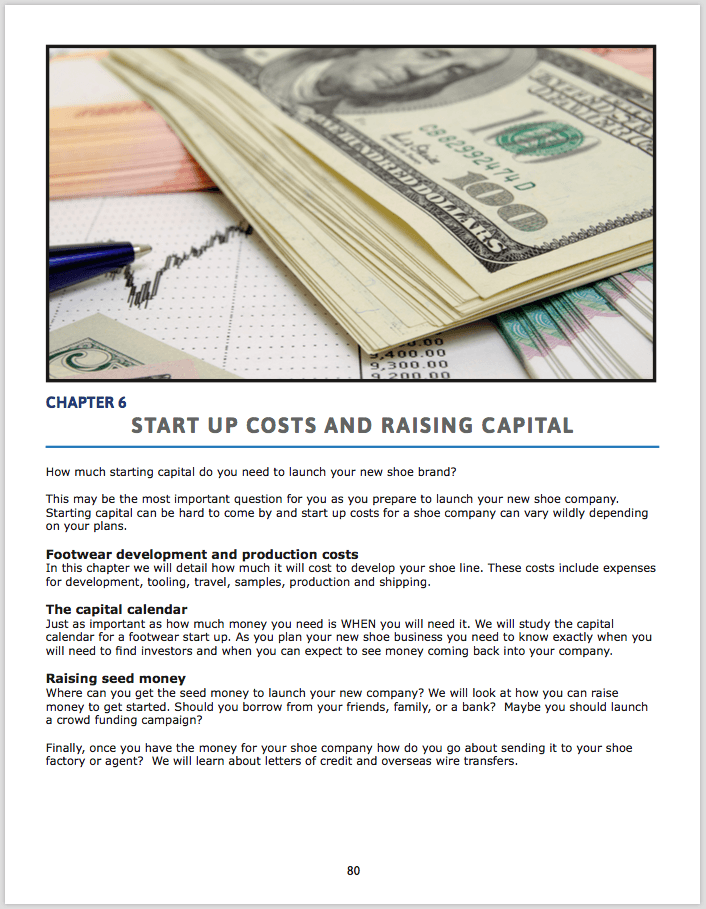
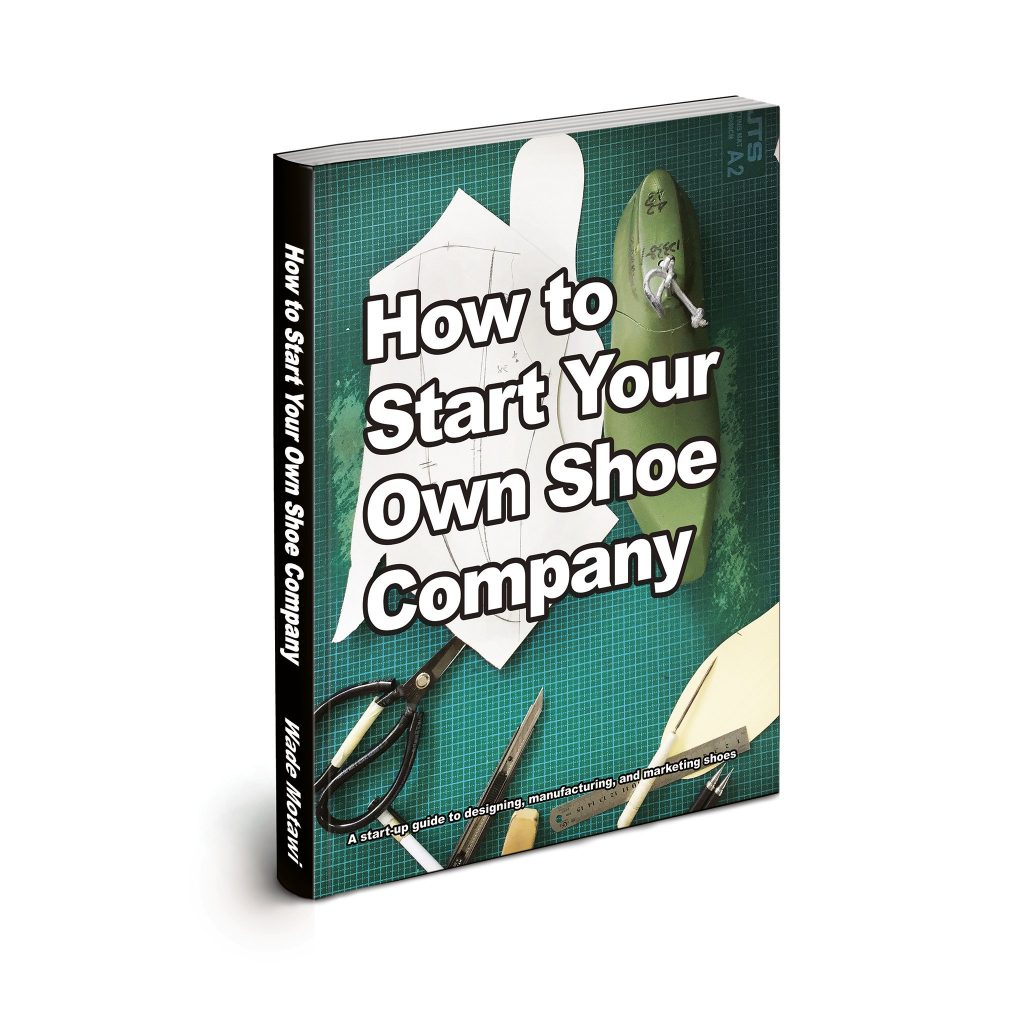
Before you look for investors for your new shoe company, you need to know HOW MUCH capital you will need and WHEN you will need it. The book, How to Start Your Own Shoe Company, Chapter 6: STARTUP COSTS AND RAISING CAPITAL, explains the first year finances for a shoe startup.
How to Start Your Own Shoe Company will help you to determine how much capital you will need to get started and what you will be spending it on. You will learn about footwear tooling costs, the capital calendar, product costs, development expenses, and shipping rates.
Keep your new shoe brand off the financial rocks!
Many footwear startups struggle to grow due to lack of capital. Where can you get seed money? From your family? A bank, crowdfunding, partners, or angel investors? If you borrow too much from the wrong person you may lose control of your shoe company just about the time you are ready to go big.
Don’t be tempted to offer shares or a percentage for startup services. The 10% you offer a shoe designer could turn into a million dollars if you are successful! That same 10% could ruin any plans for future investors or buyouts.
Every young footwear entrepreneur wants their startup shoe brand to be the next AllBirds, Rothy’s, or Tamara Mellon. With careful capital planning and research, you can put your new footwear company on stable financial footing from your first step!
The footwear materials you select for your shoe design are what make your shoemaking ideas come to life! You will find the shoe pattern is not the critical or special feature, the footwear materials are! Learning how to specify footwear materials is critical when you are learning how to make shoes! If you want to learn how to become a shoe designer, you must know how to spec footwear materials. You have an infinite menu of material choices and colors to create your footwear masterpiece. Rich leathers, silky mesh, or high-tech synthetics, take your pick.
The shoe designer must take great care to pick the right materials that can stand up to the demands of shoemaking. The demands for footwear performance and manufacturing must be met. A beautiful material that rips during the lasting operation or fades in sunlight can’t be used! So let’s learn how to select footwear materials.
Factors for Shoe Design Materials:
When you select footwear materials for your projects, the shoe design brief should help guide your choices. The design brief defines the type of shoe you are making: a ballet slipper for a dancer, or work boots for lumberjacks? What is the best sneaker material? What are the best running shoe materials? Are these going to be inexpensive or premium shoes? With your design brief in hand and some background knowledge, you can select the right materials suitable for your shoe design. The most common materials for shoes are leathers, textiles, synthetics, rubber, foam, and plastic. Each has its specific uses in footwear. Depending on your design, each material will have a place in your shoe. Material selection is one of the fundamentals of shoe design. Let’s take a quick tour of these common materials.
Picking Leather for Shoes
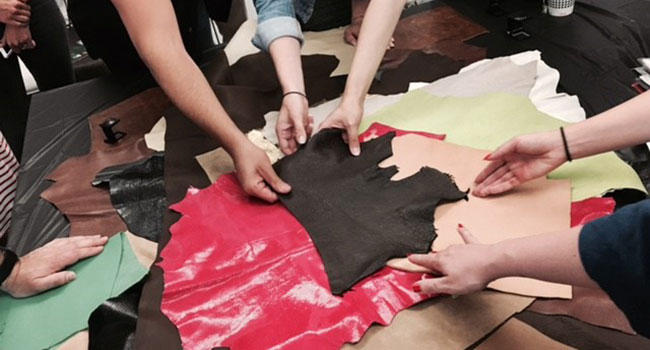
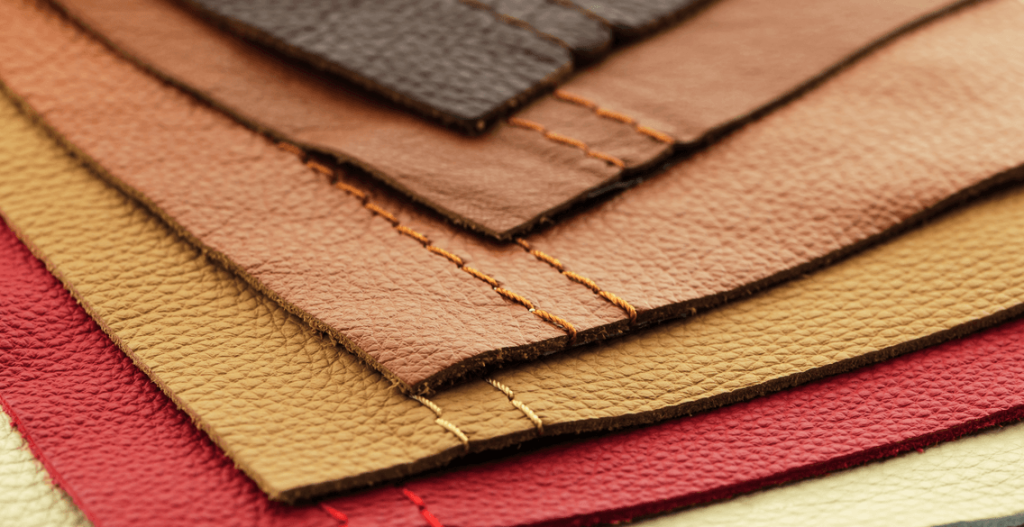
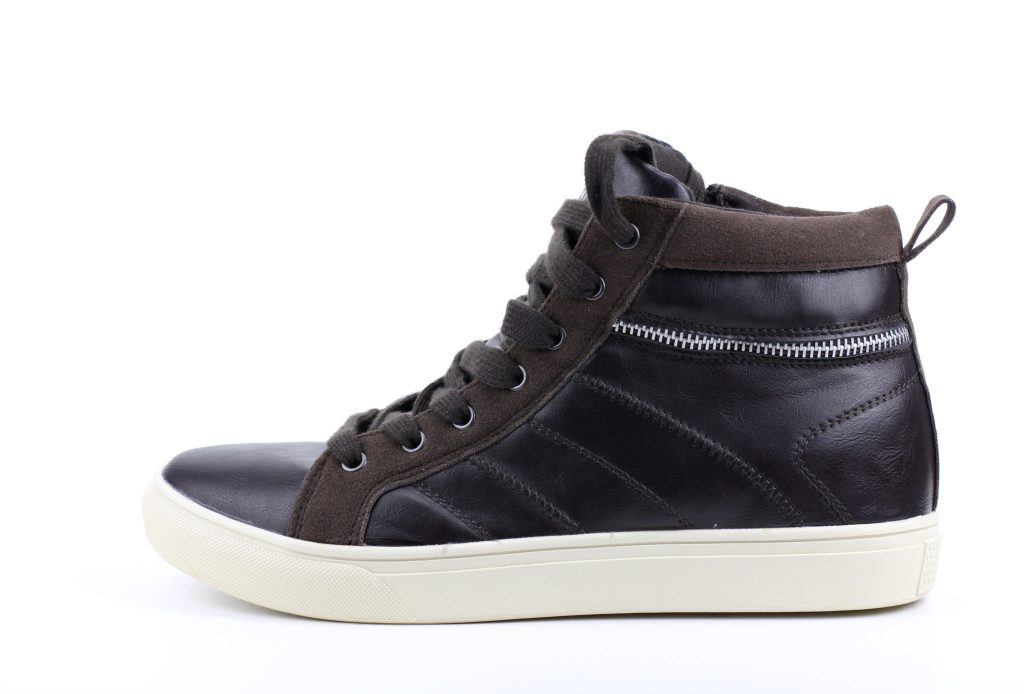
Cow leather is the most common material used for making shoes. It is durable, flexible, stretchable, and is available in many styles, colors, and prices. It is truly a great material to use, and you can make beautiful functional and fashionable shoes out of leather. Real Leather is alive! Not really, but the character of leather changes as it wears. A fine leather shoe breathes and conforms like no other shoe.
A handmade leather shoe can be a masterpiece of a shoemakers craft. But, leather does have some drawbacks. It can be heavy, hot, and susceptible to water absorption and damage if not treated. Water-resistant and water-proof treatments add cost. Leather is a relatively expensive material when
compared to fabric or other man-made materials and must be treated with care during shoe manufacturing. Because leather hides are from individual animals, each is a different size and each will have scars, imperfections, and even brands that must be avoided when cutting. This uncut material is called cutting loss. For leather, cutting loss is at best 5% of a hide, for the highest quality shoes, shoe leather cutting loss can be 15%. That’s 15% of the material cost being thrown away.
Depending on the import rules for your country, leather is often a lower duty rate. Shoes made with 51% leather surface area are around 9% import duty. A textile shoe can be 20% of the FOB price + .90, that’s a high duty rate! (depending on the country of origin). Definitely visit a tannery to see how leather is made. To learn more about leather read this article – Designer’s Guide to Shoe Leather.
The Ultimate Shoe Material Textbook
Start with an in-depth study of material types available for modern shoemaking. Learn the technical details of material specifications. 195 pages and 300 color photos.
Buy Now
on sale $39.99
Picking Textiles for Shoes
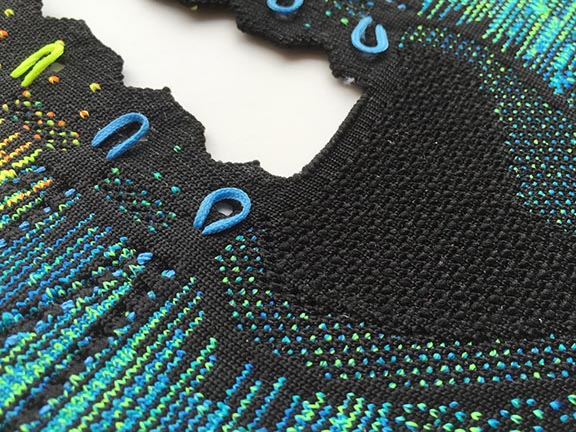
Textiles for shoes come in a huge variety of colors, weaves, knits, fibers, and deniers. Denier is how thread weight is measured. 1 denier = 1 gram per 9000 meters of thread. Typical denier is 110D for very lightweight fabric, 420D and 600D are common in shoe fabrics. Footwear textiles come in many fiber types including cotton, wool, nylon, polyester, polypropylene, rayon, lycra, and many others. Each has its own look and physical properties.
Textiles are a miracle material for shoes! With an infinite variety of weaves, colors, patterns, and special features, textiles have a special place in footwear design. You will find textiles inside and out on footwear and even on the bottoms. Man-made polymer fibers such as nylon and polyester are lightweight and durable. Lycra is stretchable and cotton canvas is a must for vulcanized construction and has a look all its own.
Depending on the import rules for your country, textiles are often a higher duty rate. Shoes made with 51% textile surface area are sometimes 20%. A textile shoe costing less than $12.50 USD will be 20% +.90 duty! (depending on the country of origin). However, there is a trick, by molding textile on the sole of the shoe you can avoid the high duty rates! Textiles will be reviewed in-depth in their own article.
Synthetics for shoes
Whatever you call it, synthetic, synthetic leather, PU leather, or just PU, this material is another must-have for modern sports shoes. This class of material offers the shoe designer a huge variety of colors, textures, and features at a wide range of prices. It was once considered to be cheap junk not suitable for high-quality shoes, but times have changed! These man-made materials are often a composite made of two layers, being a backing layer made of woven or non-woven polyester fibers, combined with an external surface by “dry” lamination process or by liquid “wet” processes. Many of the least expensive synthetics have a fibrous woven backing with PVC skin made by a wet process. The surface on these may not be 100% smooth and the shoe will show wrinkles and creases. This material is the cheap stuff found on inexpensive shoes.
High-end synthetic leather starts with a water-resistant microfiber PU backing. This backing has a smooth surface, cuts cleanly, and can be dyed to match the surface materials. A microfiber style backing can be ordered in .5 to 2.00mm thicknesses, has some stretch, and can have a water-resistant treatment. On top of this backing, the skin can be applied.
Polyurethane plastic film .2 to .5mm thick is made in a separate operation and the two layers are then rolled together with heat and pressure. PU outer skin is then printed, embossed, scuffed, or polished to create one of the millions of surface options. The largest PU maker has hundreds of different embossing patterns that can be applied to hundreds of different surfaces. If you can meet the order volume required, you can pick any color you want! Synthetics will be reviewed in-depth in their own article.
Selecting Foam for Shoes
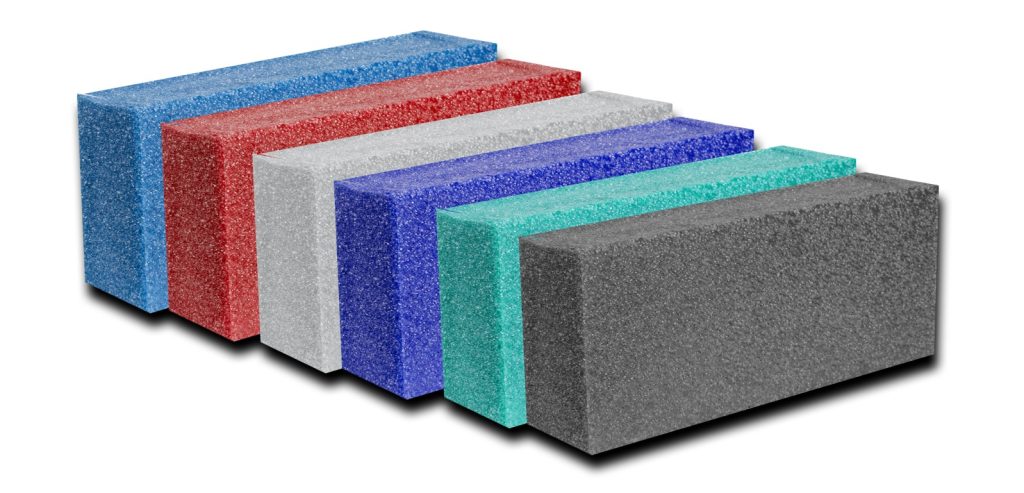
There are many types of foam used to make shoes, here we are going to review the types of foam found in the uppers of shoes. Generally, foam is divided into two types, “Open Cell” and “Closed Cell” foam. Open cell is exactly what it sounds like, the plastic compound that makes up the foam cells is open, letting air and water free to enter and exit the foam just like a dishwashing sponge. Closed-cell foam is exactly the opposite, individual cells are closed or sealed not allowing the foams internal gas to escape.
Open Cell Foam
Open-cell foam is generally softer, these foams are made of Polyurethane plastic. One common type of this foam that is commonly used and referenced is “KF or KFF” foam. Open-cell foam is available in different densities and in almost any thickness and color. Open-cell foam is used in the tongues and collars of shoes and thin sheets of PU foam are used to back fabric in most shoe uppers. PU foam allows the stitches to sink in and gives mesh some extra support while reducing wrinkles.
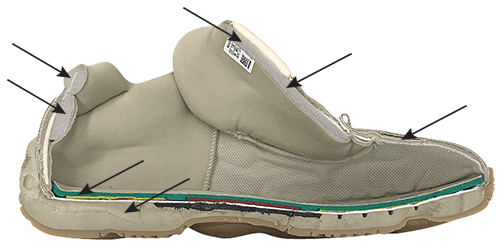
Open Cell Foam in the tongue and collar. Closed cell foam in the midsole
Reticulated foam is the most open style of foam. This type is often used for ventilation features.
Closed-cell foam
Closed-cell foam is generally denser. Midsoles of shoes are all made from closed cell foam. Midsole foam is covered the article Outsole Design. Common Closed cell foams include EVA (ethyl vinyl acetate), PE (Polyethylene), SBR Styrene butadiene rubber), PU (Polyurethane), Latex, and Neoprene, each with their own properties. EVA foam is used for backing mesh materials, and 2mm sheet EVA will make the fabric waterproof. Neoprene and SBR are used when elastic properties required, while Latex is common for collar linings. PE foam is very light but not so durable, making its use more limited.
When working with foam it is important to know what foam is appropriate for the shoe upper and what is appropriate for cushioning the shoe outsole. Learn more here.
There is no best material for shoes. What is best for a running shoe is not the best material for a work boot. The shoe designer, footwear developer, and product manager must work together to pick materials based on the price, performance, durability, duty rates, comfort, and styling. Every shoe will have a different material requirement.
What materials are Nike shoes made of?
Most Nike shoes use a mix of leather, fabric, foam, and rubber. The Nike classics and deluxe model basketball shoes will have real leather parts. Nike running shoes and modern performance baseball shoes are generally made with lightweight fabric uppers in place of heavier leather.
By weight, rubber is the main component; by volume, foam is the main component. Does Nike use special shoe materials?
The answer is “NO!” Your shoe design is NOT ready for production. Once you have a beautiful shoe design on paper it’s time to think about the details needed to start the DEVELOPMENT process for your shoe.
Shoe Design vs. Shoe Development
Shoe development is the transformation of your drawings into a real specification the factory will use to make your design. There are many questions you need to answer to complete your design. These are the extra details that don’t show in a shoe design drawing but will define the real character of your shoe. The shoe design details will determine the price of your shoe. The same design can be made for $79.00 retail or $159.00 retail depending on the material specifications. The material questions would generally be asked before the shoes are designed, and often they are answered by the (PLM) product line manager, not the designer.
Shoe Design Questions
1. Do I want my shoe design to be Sleek or Puffy? The thickness of the collar foam and tongue foam can be 10mm, 30mm, or more. The padding for your shoe can be zero for a super sleek look.
2. Do I want my shoes to be stiff, crisp, and refined or designed to be soft, flexible, and casual? The shoes can be board lasted for a firm feel or Strobel lasted for flexibility. Firm midsole 55˚ EVA foam or cushy soft 35˚foam? The upper reinforcement can be thin and soft or firm and thick. The heel counter and toe counters can be firm 2mm molded Syrlin, softer non-woven, or nothing.
3. Do I want my shoe to break-in and show wear? Plastic-coated action leather will keep your sneakers white or black forever, a waxy pull-up leather will show creases and scuffs. Smooth leather or textured leather? Washed canvas or waxed? Natural or synthetic-looking materials?
4. Do I want my shoe to be ultra-light? The outsole can be an all EVA foam with no rubber but at the cost of durability.
5. Is my shoe a functional sporting shoe or a fashion shoe? These are built differently! A casual shoe may lack support and fit loosely while a performance shoe must fit well and be supportive.
6. How much do I want this shoe to cost? Suede leather or action leather (fake full grain) costs US$1.20 per square foot, nu-buck leather can cost $3.00 per sq/ft, and fancy full grain leather costs $4.00 to $10.00 per sq/ft. or more depending on grade, thickness, and quality.
7. Do I want my shoe to have a fabric lining inside or leather? Smooth Lycra or terry cloth for a sporty gripping feel?
8. Depending on the cost of the shoe, I need to consider the footbed type. Die cut EVA, or PU foam? Lightweight molded EVA footbeds are heavier but very plush. There are many options for footbed designs, single layer to triple density with gel, or die-cut EVA with a latex wedge. Prices range from US$.50 for a simple EVA die-cut to over $4.00 for a molded PU footbed with plastic inserts.
If you can answer these questions in detail your design can really come to life!
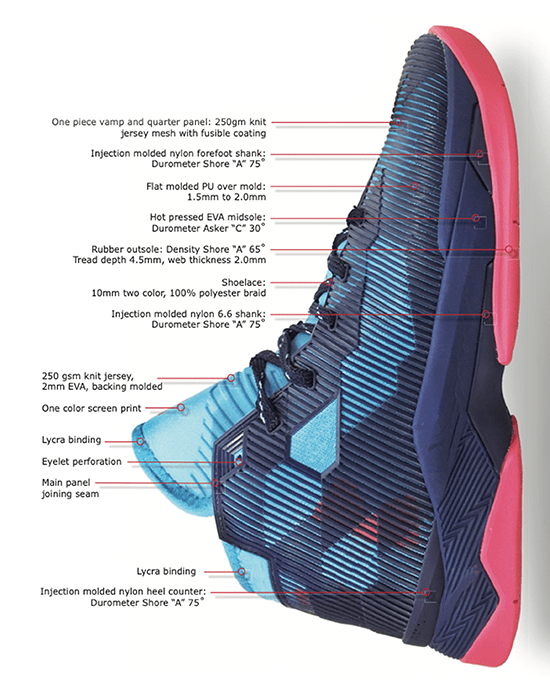
We have written an entire book dedicated to footwear materials. Each chapter covers a specific shoe material type. You will learn how each material is made, the options available, and how to specify the material correctly. We have information on shoe leather, textiles, synthetics, shoelaces, glue, reinforcements, hardware, logos, midsoles, outsoles, and more!
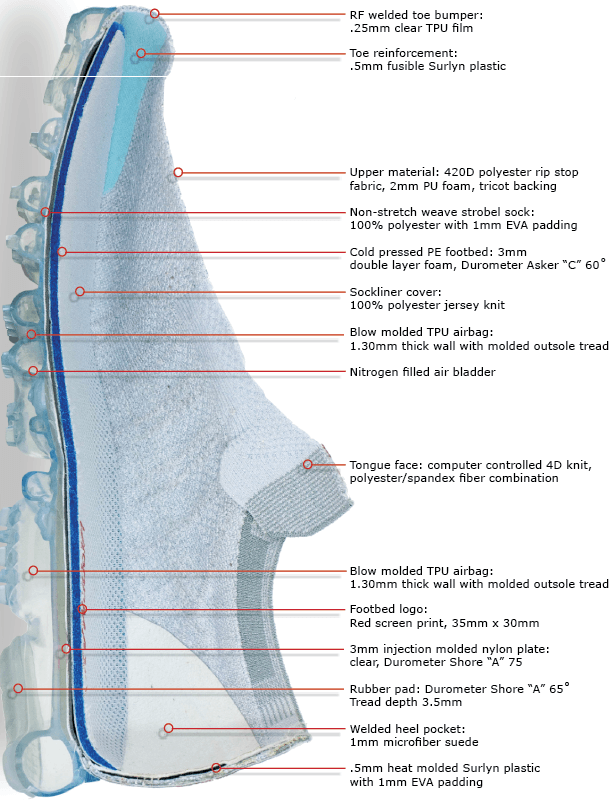
We have included annotated cross-sections of over 30 different shoe types. You can see exactly how each material is used inside real production shoes. Look inside basketball shoes, running shoes, track spikes, hiking boots, work boots, high heels, cowboy boots, and many more! Check it out!
If you are asking yourself, “Should I go to shoe school?” The answer is -Yes!
Are you looking for in-person shoemaking classes or workshops near you? It can be hard to find a shoe school, but if you look hard, you can find one. We know of in-person classes and workshops in Portland, New York, Detroit, San Diego, Los Angeles, London, Italy, and Spain.
While the USA-based shoe schools are more weekend or night courses, European schools such as the Astoria school tend to be full-term footwear certificate courses.
More recently, we are benefiting from the stay-at-home effects of Covid-19, which has led to many opportunities for excellent online shoemaking programs.
We have pulled together a list of school schools focusing on shoemaking and shoe design. You will need to find a school that suits your study plan. The small programs focus on a particular shoemaking skill, such as boot making, footwear pattern making, or sneaker design workshops.
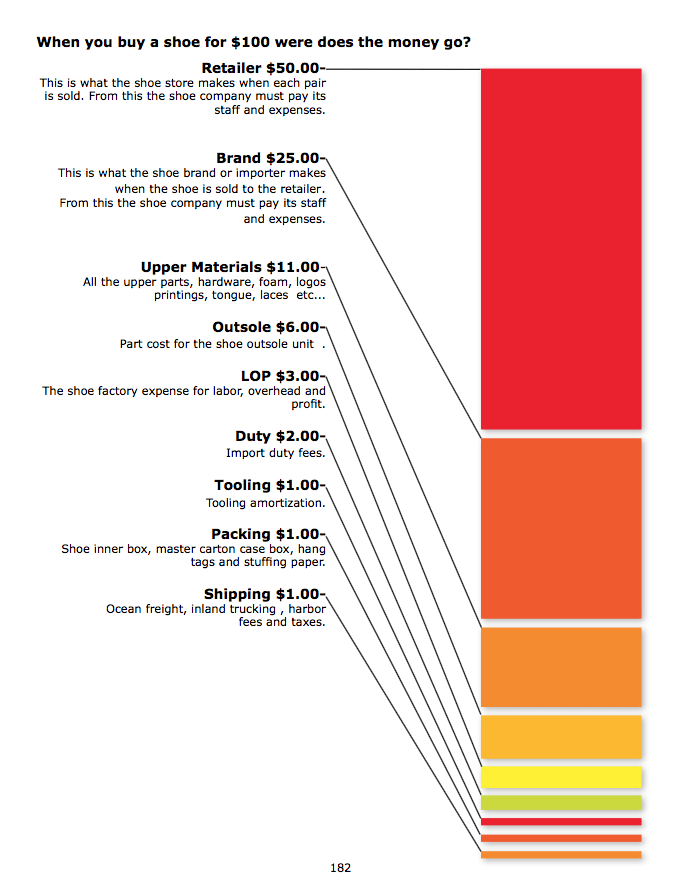
Come on, how much does it really cost to make a pair of sneakers? Nike must be making big bucks on those flashy sneakers. Why does it cost $100.00 to buy a shoe? What’s the actual cost of a sneaker? Here is how shoe pricing really works.
If you are looking for information about the costs to design, develop and build shoes READ MORE HERE
The cost to make a pair sneakers
Starting with a basic sneaker: US retail price $70.00.
The retail store buys the shoe from the shoe brand in bulk at the wholesale price, which is about $35. If this is a big retailer they may get a 3-5% discount or free freight.
There it is! BAM! The retail store takes 50% of the price right away. But, then they have to pay the employees, keep the lights on, advertise, and pay the rent. The store may also have to put the last few pairs on sale. If the shoe is a slow seller, many of them may go on sale. When you see a “40% off sale” that means the store is not making any money, in fact, after covering the overhead, it is a loss for the store.
Okay, what share does a shoe brand like Nike get? Remember, the shoe brand does not actually own the shoe factory. Of all the major sneaker brands, only New Balance has its own shoe factory. So, what did the brand pay for that $70.00 shoe?
The real cost to make a $70.00 shoe is about $15.00. Once the brand buys the shoe from the factory, the shoe needs to be shipped. Most shoes are shipped by ocean freight. Ocean freight from China to the USA is about $.50 per pair. A 40-foot shipping container, the size of a semi-truck trailer, holds about 5000 pairs of shoes. 5000 X $.50 = $2500.00
That price will get a shipping container from China to California.
Once the shoe arrives in the USA it must be legally imported. In the case of a leather sneaker, the US government requires an import duty of 8.5% of the F.O.B. price. So, add $1.32 to the cost. Also, add another $.32 for customs and insurance.
Now the shoe is in the warehouse: $15.00 + $.50 + $1.32 + .32 = $17.10
What is the shoe store profit?
Next, it’s time to sell it to the stores: $35.00 wholesale price – $17.10 = profit of $17.90
Actually, the profit is less than $17.90. The salesman gets a commission based on the wholesale price, usually about 7%. That’s about $2.45 on a $35.00 dollar shoe.
Now the profit is down to only $15.45 per pair.
But wait, what if this is a big retailer that negotiated a 5% discount? Take off another $1.75 to make the total profit about $13.70.
Of course, from that $13.70 the shoe brand has to pay the designers, product managers, developers, sales managers, marketing managers, advertisers, athletes, etc…
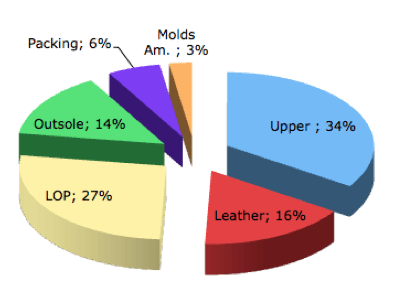
So, what makes a shoe cost $15.00? You need to know the anatomy of the shoe. Here is a rough break down of the cost to make a sneaker.
The cost of shoe parts
Shoe Upper 34%: All the upper parts, hardware, foam, logo printings, tongue, laces, etc…
Leather 16%: The leather outer of the shoe
LOP 27%: Labor, Overhead, and Profit
Outsole 14%: The shoe bottom unit
Packing 6%: Shoebox, case box, and hang tags
Mold Amortization 3%: If there is new tooling it can be paid to the factory per pair instead of buying the new molds all at once.
Once the shoe design is confirmed, the factory will take the specification sheets and detail the cost of each line item. This is the costing sheet.
The costing sheet will include every part of the shoe, including the packing box, stuffing paper, the silica gel pack, hang tags etc. Everything in the shoe box must be listed.
Each item will be listed with the cost per unit and the usage to make that part. The waste percentage will also be added. The waste percentage, or cutting loss, is the amount of scrap material left over once the parts are cut.
Yes! You have to pay for the scrap that is thrown away. For mesh fabric the loss is very small, less than 5%. But in the case of fine leather for an expensive shoe, the factory can’t use any leather with cuts or scars from the animal. The cutting loss can be up to 20%!
After listing the usage and waste percentage you will finally see the total cost per part.
With each part listed, the costing technicians can check the material price for each part and measure the material usage. This is time-consuming work, but if the production run is 500,000 pairs, pennies can add up fast. A diligent costing technician can save many thousands of dollars and more than their entire salary.
Shoe costing sheet
The shoe parts are listed on the left with a brief note of the material spec.
To the right side is the factory costing calculations per pair. In this case, the first component is the toe cap. It’s made of suede at a price of $1.25 per square foot.
The shoe requires .950 sq. foot to make the pair. When the leather is cut, 10% is lost to waste. The total for the pair of suede toe caps is $.8177. A costing sheet is a critical tool for the shoe developer and designer if they are designing a shoe to meet a price.
Start Your Shoemaking Career
Expand your skills and knowledge in modern shoe design, manufacturing, and sourcing with our online masterclass. We offer over 125 footwear lessons for all levels, taught by experienced professionals. Access 24 hours of on-demand video instruction and bonus materials including five shoemaking textbooks.
See Course Details
ALL ACCESS PASS
The sneaker course: design, pattern making, and prototyping
Starting in the summer of 2019, Arsutoria Shoemaking School is launching a new month-long course in sneaker design.
The sneaker course: design, pattern making, and prototyping. This 4-week course is offered in Milan, Italy. You will also learn the history of the sneaker, production in the Far East, sneaker marketing and branding, patternmaking for fashion and athletic products, hand drawing and rendering with markers, making of sneaker prototypes in the laboratory, and the new trend of knitting.
When: Saturday September 21st & Sunday September 22nd 10:00am – 4:00pm Where: The Gavica Studio 5277 Alhambra Ave Los Angeles CA
Your instructors will be Professional Sneaker Customizer Erik Gavica and Wade “The Shoe Dog” Motawi. We will get you started on your own personal shoemaking journey.
Shoemaking Beginners Start here! All of the shoemaking equipment is provided. Just bring your creativity. Ages 15 to 115 are welcome!
Many aspiring shoemakers dream of visiting Italy to study shoemaking from the masters of the trade but finding the time and the money to do this can be difficult. Luckily for us, our friends at the Arsutoria school in Milan, Italy are coming to the USA. If you live near Los Angeles, New York, or Boston, you can join a weeklong shoemaking workshop taught by veteran shoe masters.
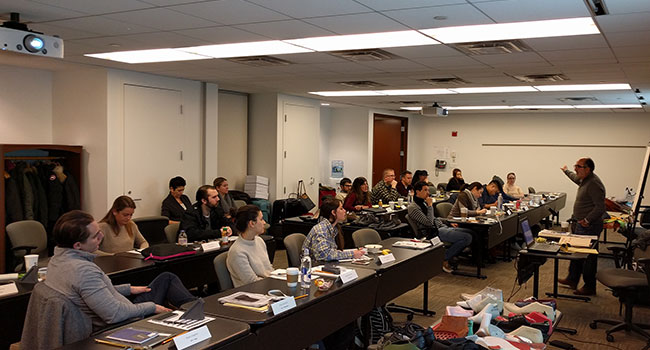
My friend Paolo Marenghi, a senior instructor at the Arsutoria school in Italy, invited me to visit his class in Los Angeles. The five-day course covers pattern making, fitting, sourcing, costing, and lasts. Paolo teaches in conjunction with two other super shoe dogs, Roy Russo, and Roberto Grasso. Between these three pros, you have access to over 80 years of shoemaking experience and expertise.
Paolo, Roy, and Roberto bring you 40 hours of informative instruction. I enjoyed the class and found the instruction practical for a modern shoemaker. The course is beneficial for beginners and professionals alike. Whether you are a shoe designer, footwear developer, sourcing specialist, or footwear buyer, you will enjoy the Arsutoria course! The classroom is sure to be full of your peers in the shoe trades.
For more information on the traditional shoemaking workshops in the USA Visit
“A five days course in Los Angeles dedicated to those who wish to know more on how dress and casual shoes are made. The course covers topics such as shoemaking of different constructions, materials, and components used, international sourcing strategies and analysis of product costing. With the support of FFaNY (Fashion Footwear Association New York) and TwoTen Footwear Foundation.”


 Let’s learn how to make a real factory ready shoe production specification sheet. Now that you have your shoe design finished, it’s time to write a detailed specification sheet. The footwear specific specification sheet or simply “spec” sheet does a few things.
 I make a material map when I’m specifying a new shoe the factory hasn’t seen before. It’s important for the shoe factory to know the terminology we are using. Take a black-and-white drawing and give each piece a number, while making sure the numbers on your spec sheet match the drawings. This takes just a few minutes and can save you the hassle of a simple mistake.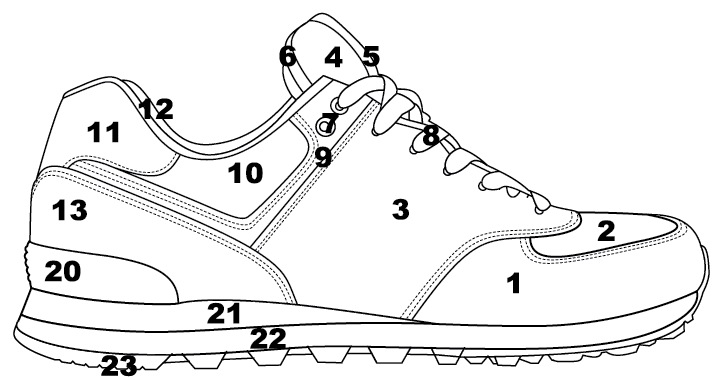
 The specification sheet header contains lots of key information the factory will need to make the samples. Some key parts are the factory name/address, last number, model name, outsole code, and size run information. This is the basic information that pattern makers will need to make your pattern on the correct lasts and make sure your upper design is attached to the correct sole unit.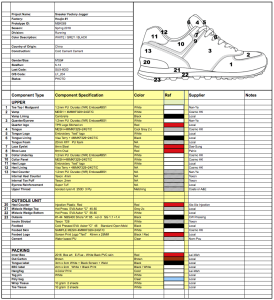
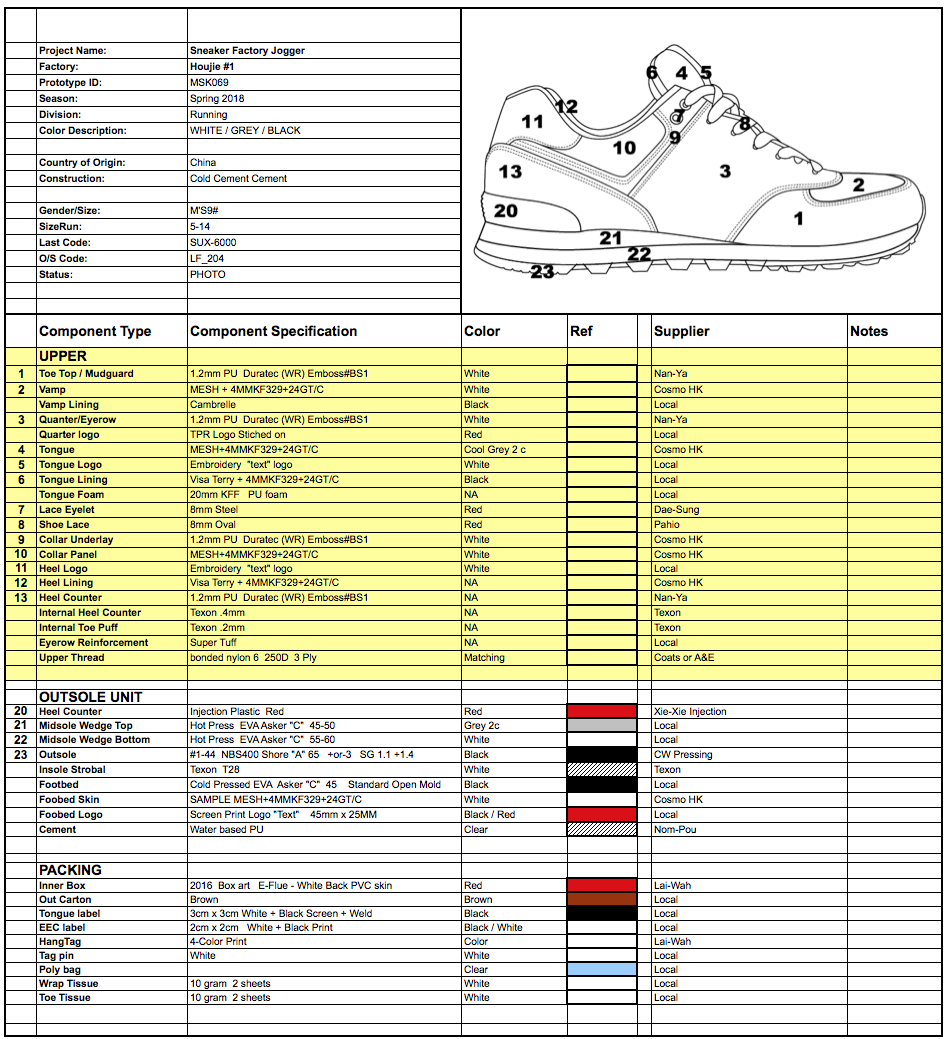
 The next section would call out the footwear outsole unit components. You are going to list the rubber parts, color, and other details like the logo. You can also spec the rubber hardness, specific gravity, and other characteristics like non-skid. Also list the midsole if it’s molded or die cut with its density, color, and any other parts.
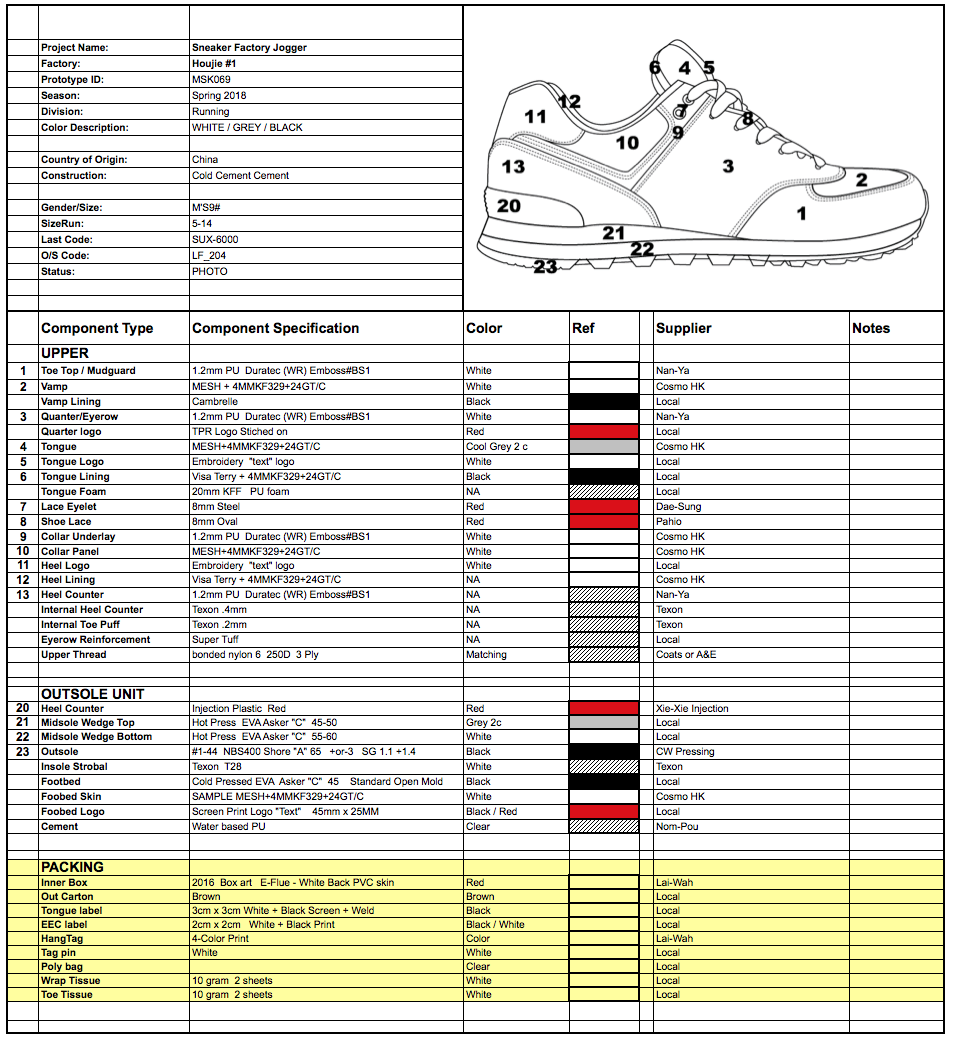 The final section of the spec sheet should list any of the items that are not necessarily part of the shoe but are still part of the package. Examples of these could be the cardboard box, tissue paper, tags, any stuffing, extra shoelaces, keychains, or a users manual in a plastic bag. Anything like that should be included in the final section.
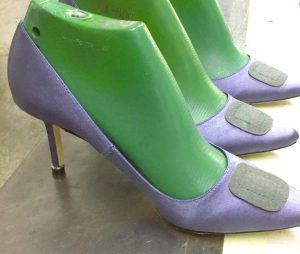 Do you want to see how high heel shoes are made? Now is your chance to take a quick tour of two small factories in China producing handmade women’s fashion shoes. Located in a major shoemaking city in south China, these small, one assembly line, “micro” shoe factories, produce small orders of high quality, high fashion shoes. These factories are self-contained. They have development, cutting, stitching, and lasting all together in one small space.






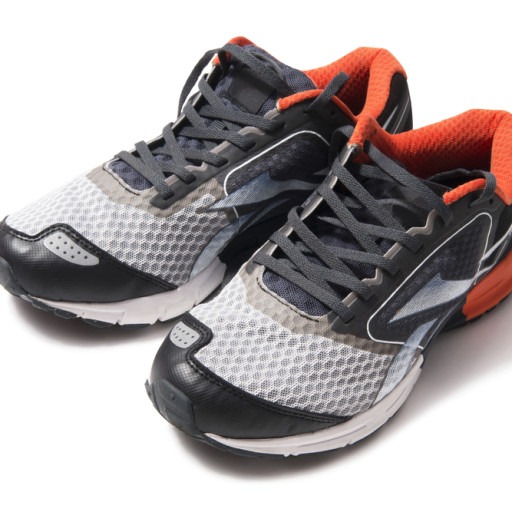
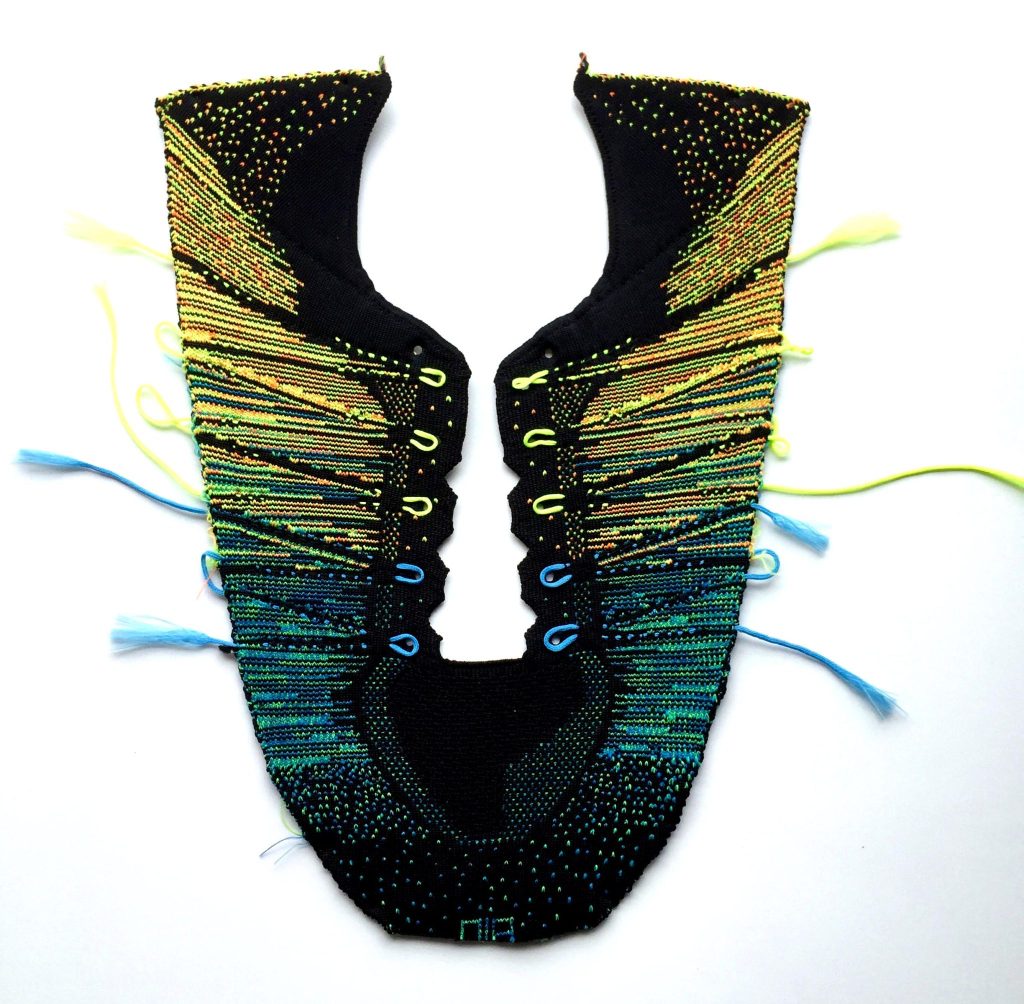
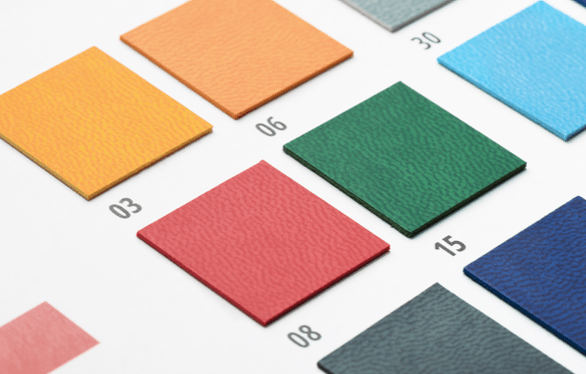
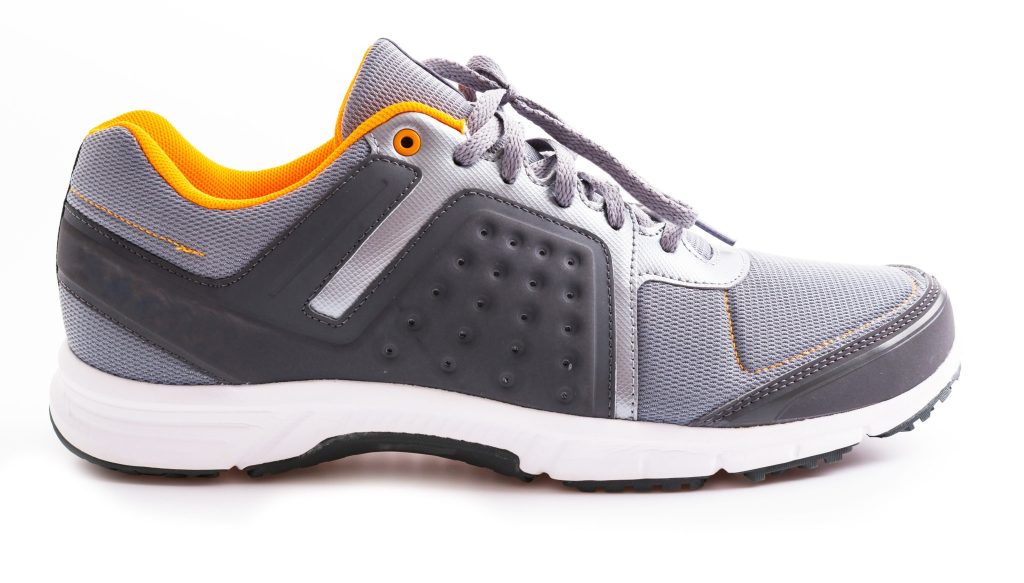


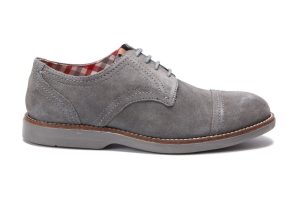
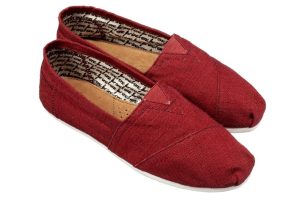
 Footwear material selection.