Posted on

CREACIÓN DE PATRONES DE CALZADO

How to make a flat pattern parts of a shoe names

Shoes pattern


Shoe flat pattern Complete Shell pattern

CREACIÓN DE PATRONES DE CALZADO

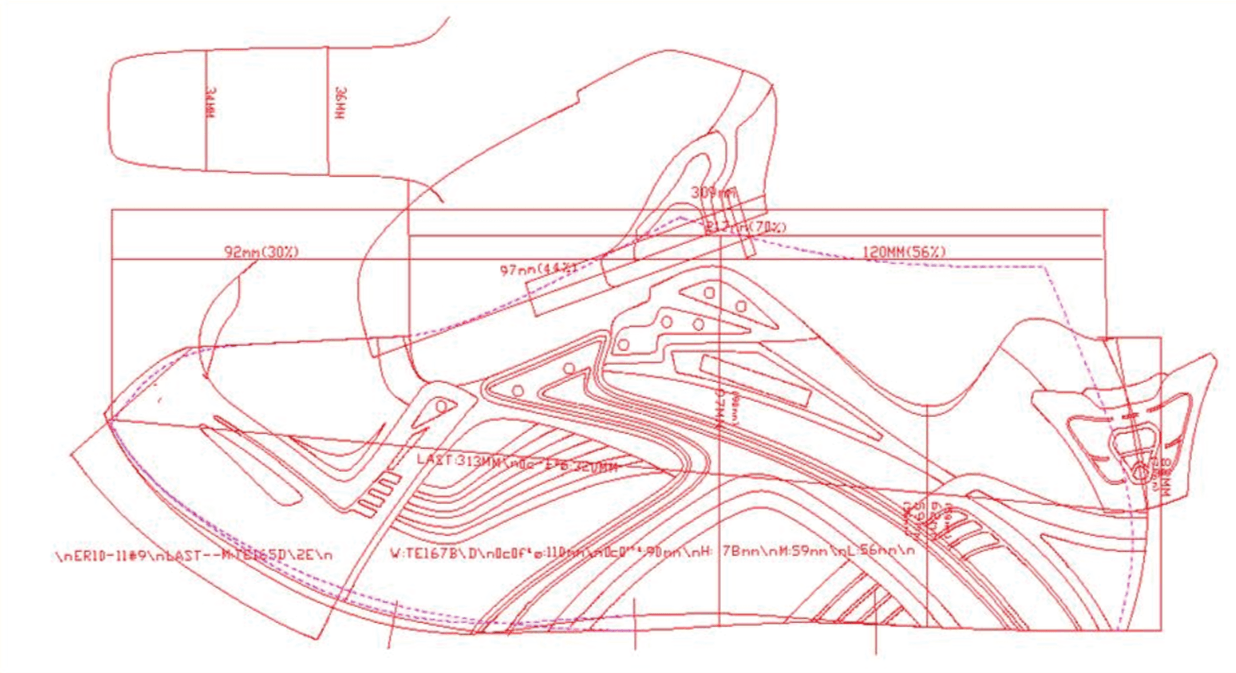
Una vez completado el diseño, el patronista, o modelista, de la fábrica tomará el control. El operario transfiere a la horma los dibujos en plano realizados por el diseñador, el perfil lateral, el talón, la pala… para crear una trepa o patrón en bruto, en inglés shell pattern, de la zapatilla. El patrón en bruto es una idea de cómo va a ser el corte, en una sola pieza, y sin costuras. Es un patrón en blanco que corres­ ponde a la superficie de la horma. Una vez que se hace el diseño del modelo, nos da como resultado las diferentes piezas que componen el diseño.

La habilidad de los patronistas hace que un diseño cobre vida. Trabajan duro para seguir el dibujo del diseñador, pero también realizan ajustes para que las diferentes piezas del patrón encajen. Después de dibujar la trepa, se corta a mano sobre una cartulina.

the pattern maker

El reto de los patronistas

La siguiente tarea de los patronistas es examinar la forma de la horma. Si es una horma ya cono­ cida, el operario puede que ya tenga las medidas estándar para hacer la trepa, y le será más fácil marcar la forma del escote y la altura del escote de la zapatilla.

Si la horma es nueva, el patronista puede encin­ tar la horma para crear la trepa. Para encintar la horma, se cubre la mitad de la horma con varias capas de cinta de carrocero para después cortar­ lo con cuidado a lo largo de la línea central de la horma,y a lo largo del borde inferior. En este pun­ to, el patronista puede también dibujar el diseño de la zapatilla sobre la cinta. Una vez se haya quitado la cinta de la horma, se aplana sobre una cartulina, dando como resultado el patrón.

Ahora, el patrón se pasará a ordenador y se cor­ tará en una cartulina. Como diseñador, solicita siempre el patrón base de un nuevo diseño, ya que, al realizar correcciones, es más fácil revisar la muestra y marcar los cambios directamen­

te en el patrón base. Será más rápido y sencillo escanear tus correcciones y enviarlas por correo electrónico a la fábrica, en lugar de enviarlas por mensajería a China

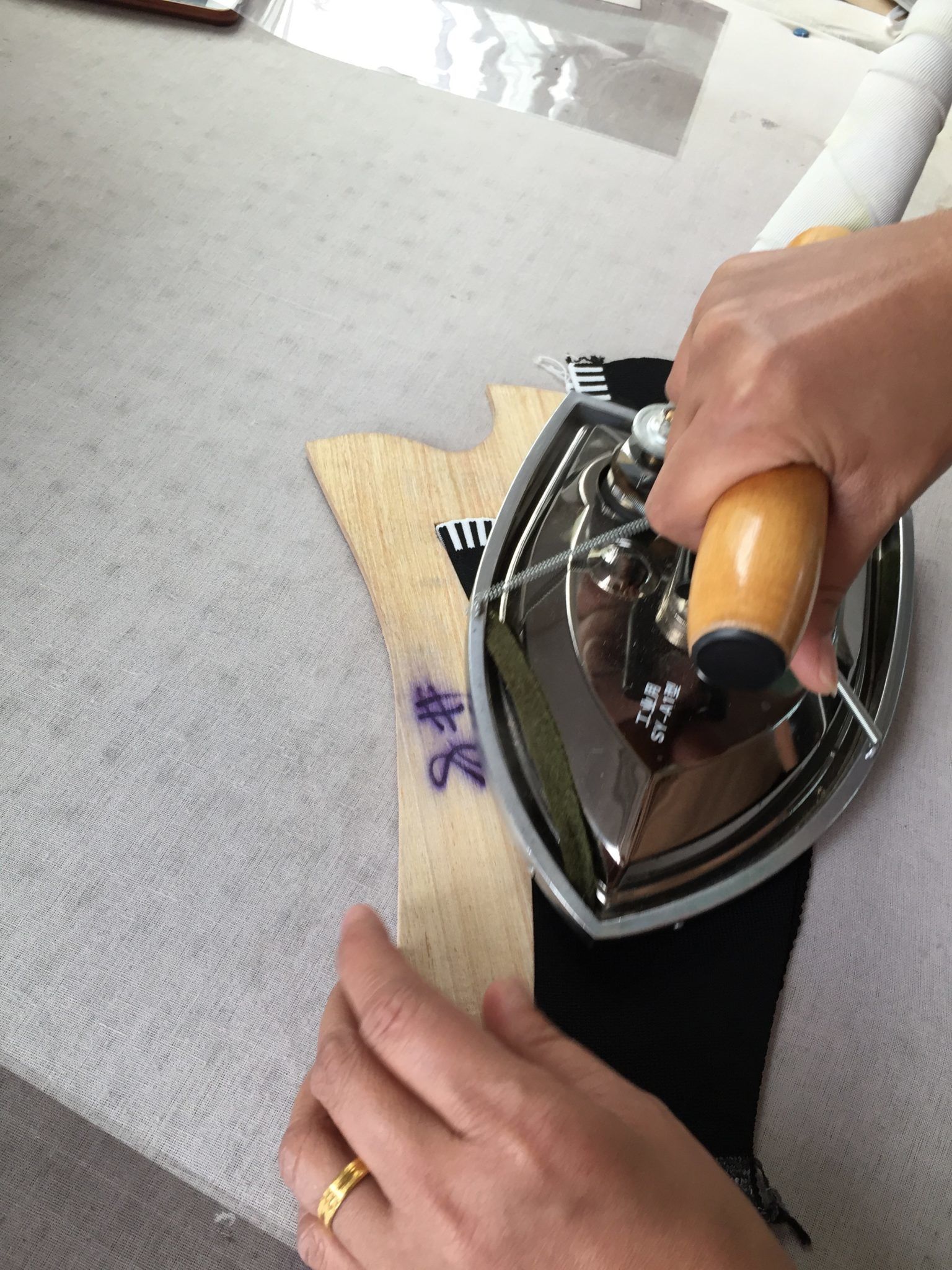
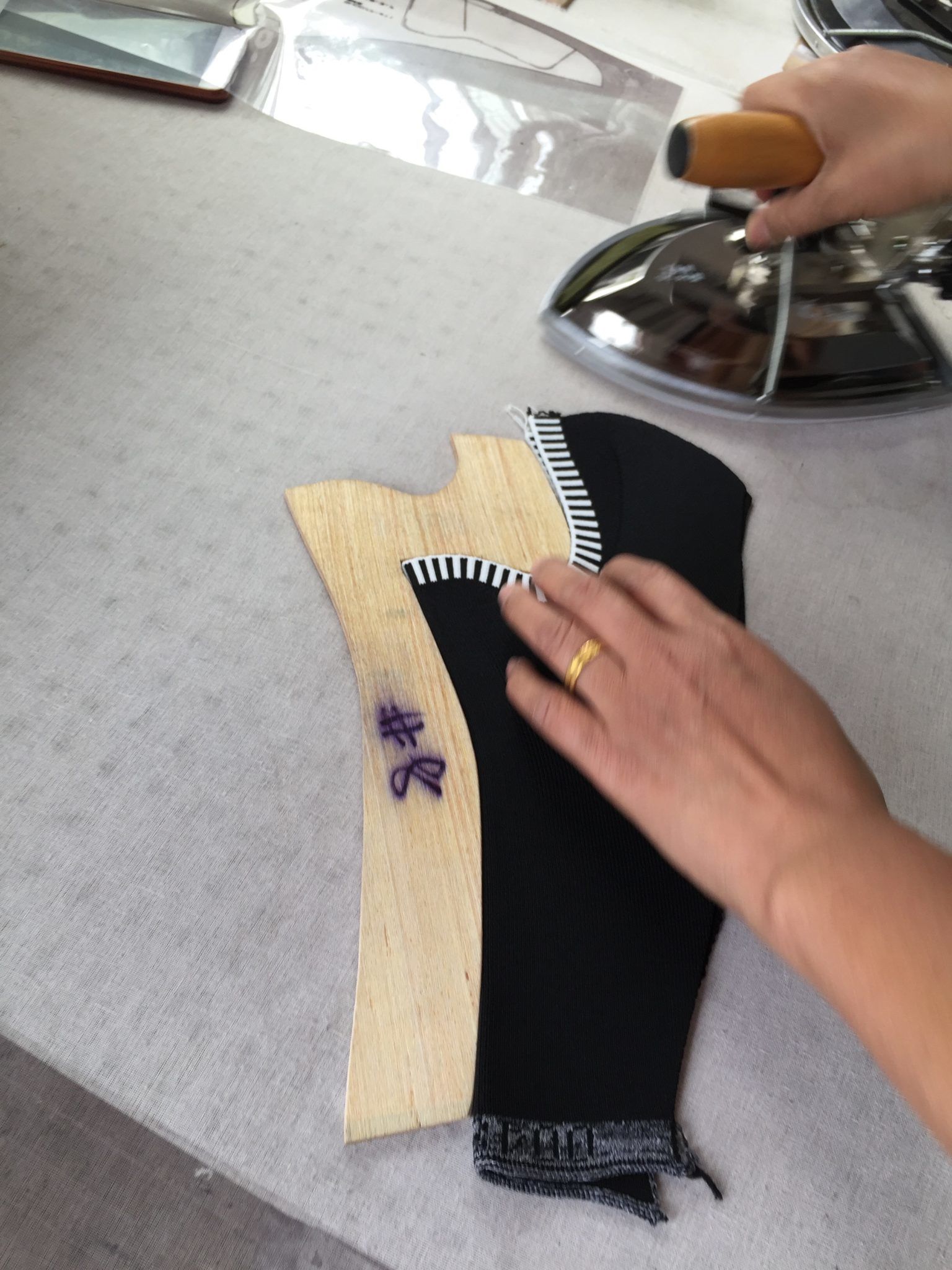
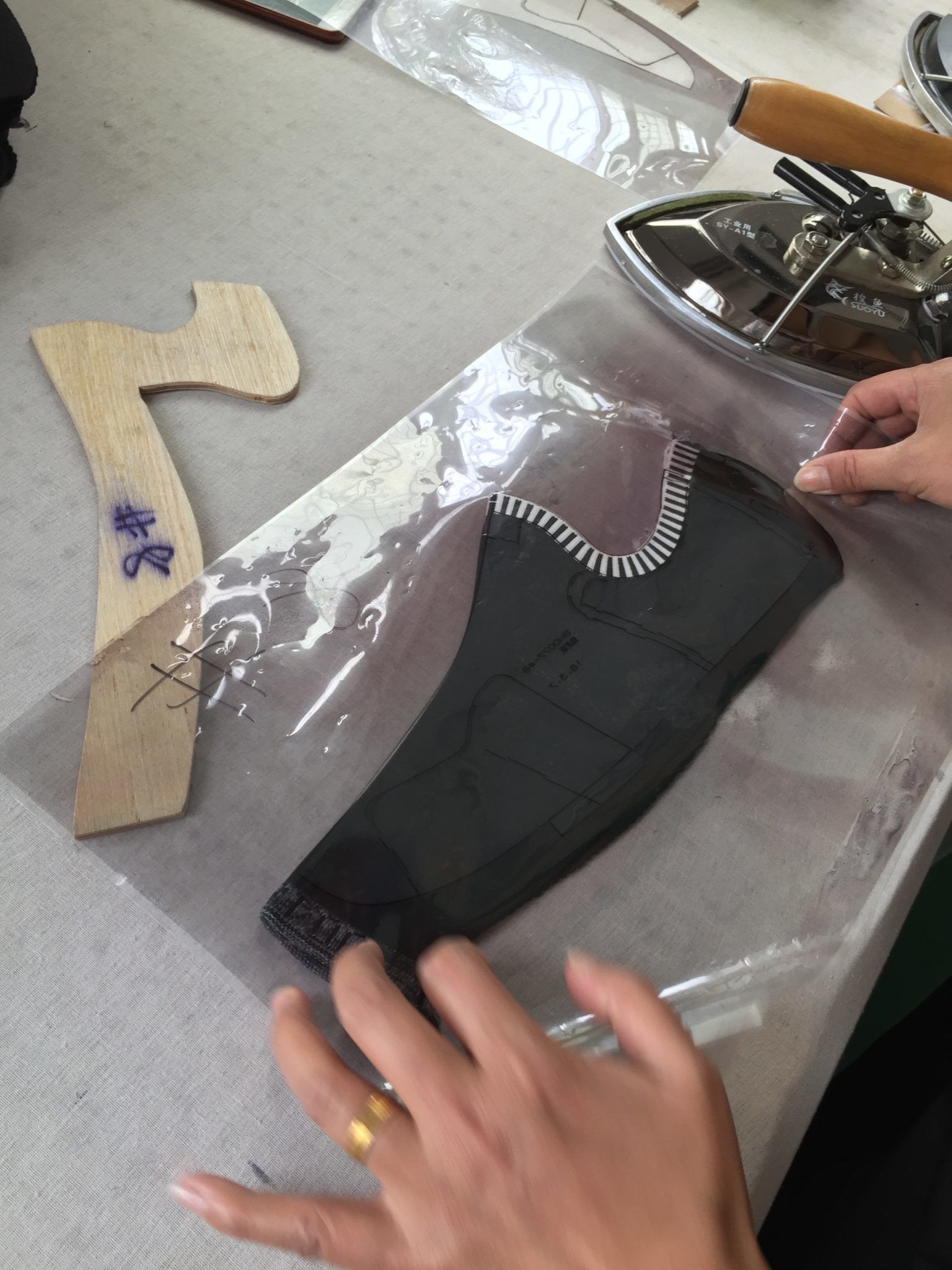
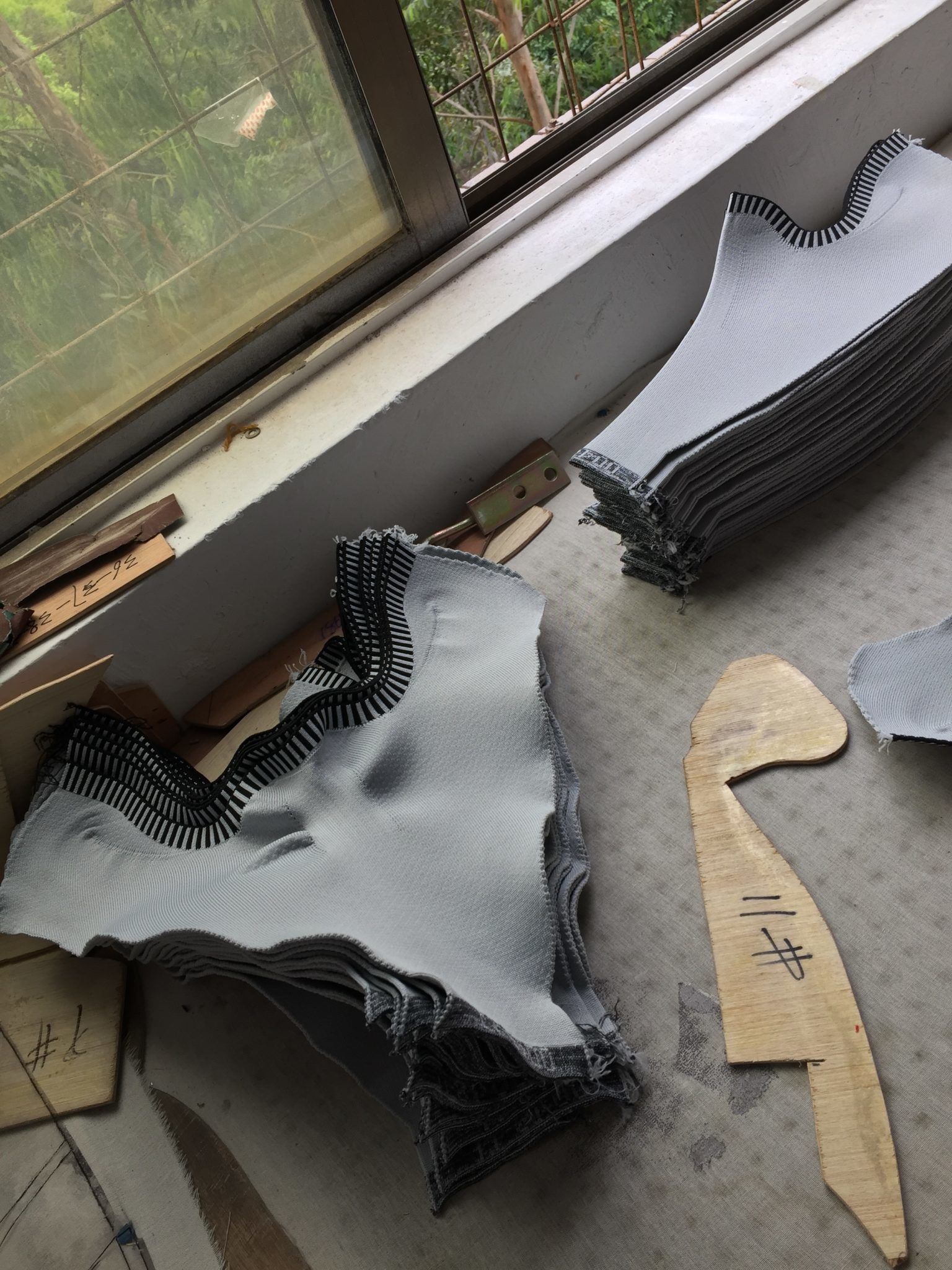
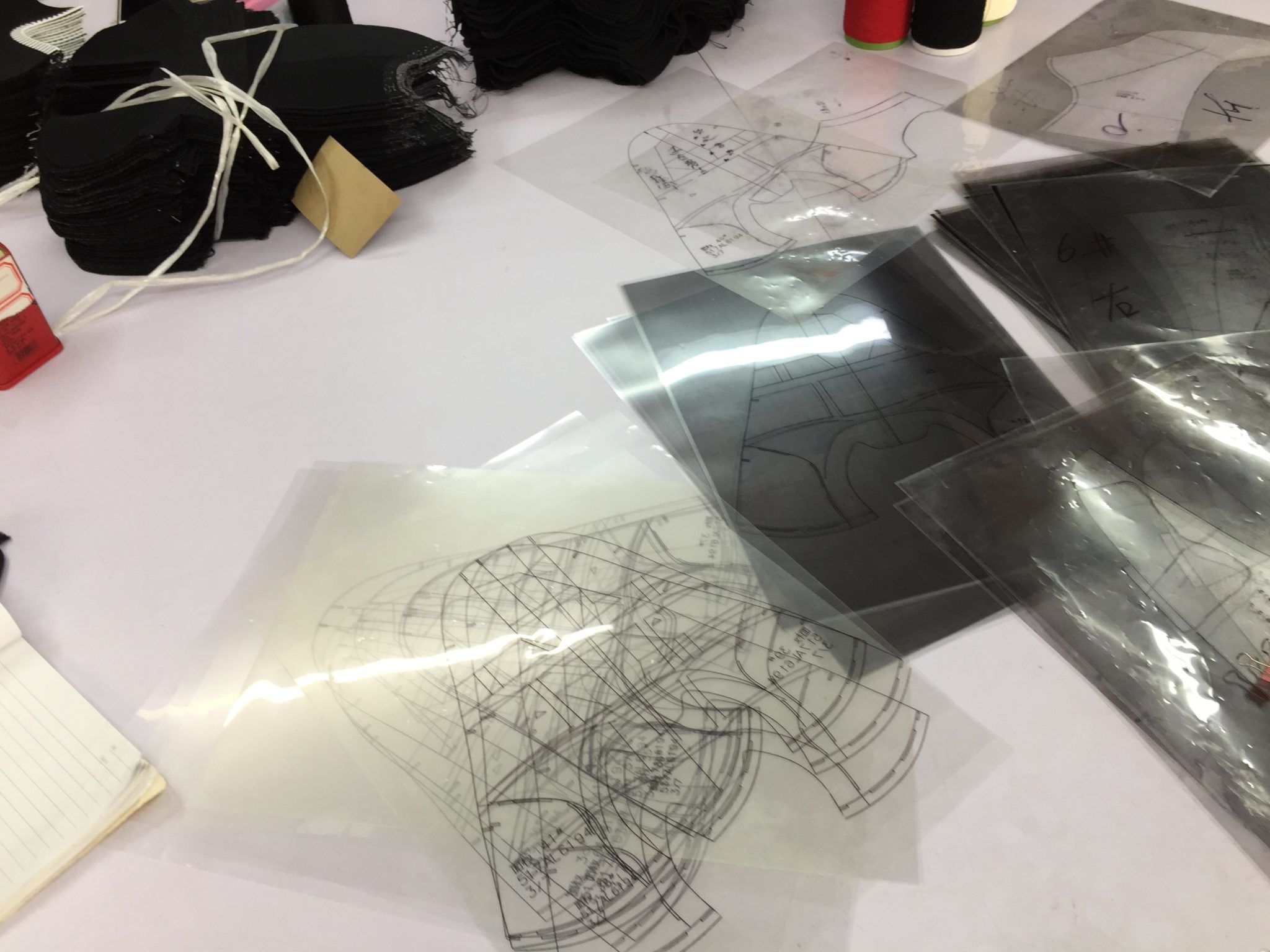
A la derecha se muestra al patronista con el patrón de papel. A partir de ese patrón plano, se podrá crear cada pieza que compone la zapatilla.

El patrón de papel puede crearse a mano, o a máquina, y existen muchos programas CAD de calzado que transforman automáticamente un diseño 3D en un patrón 2D. Estos programas 3D también pueden escalar el patrón para hacer las diferentes tallas y calcular el consumo de material para determinar el coste.

¿Cuál es la diferencia entre un diseñador de calzado y un patronista?

El diseñador de calzado es el responsable de todos los aspectos del diseño. Debe considerar el estilo, los materiales, los colores, los clientes, el precio, las tendencias, y el rendimiento del pro­ ducto. Por otro lado, el patronista, si bien es cru­ cial para toda la operación, solo es responsable de crear un patrón bien proporcionado que se ajuste a la horma.

¿Un diseñador de calzado necesita saber cómo elaborar sus propios patrones? Según mi expe­ riencia, un diseñador no necesita saber cómo ha­ cer patrones, pero es importante que pueda leer, trabajar y ajustar los patrones; el desarrollo de un nuevo patrón es mejor dejárselo al patronista, o al modelista.

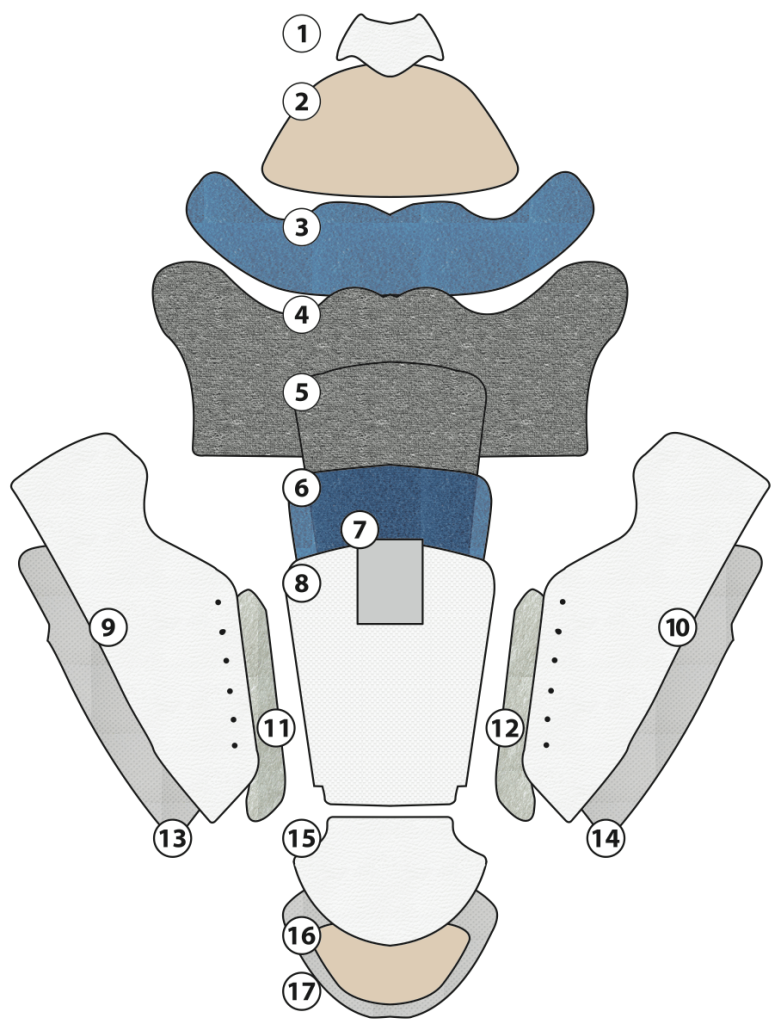
Despiezado de una sneaker
Shoe pattern shoe design

1. Bigote
2. Contrafuerte
3. Relleno del escote
4. Forro de talón
5. Forro de la lengüeta
6. Relleno de la lengüeta
7. Posición de la etiqueta en la lengüeta
8. Corte de la lengüeta
9. Lateral medial, o pared
10. Lateral, o pared
11. Refuerzo medial de la carrillera
12. Refuerzo lateral de la carrillera
13. Forro medial
14. Forro lateral
15. Puntera y pala
16. Tope
17. Forro de la puntera y la pala


obtenga más información


Descargar cuatro libros de zapatería

“Cómo se hacen los zapatos”

“Guía para el diseño de materiales de calzado“

“Cómo empezar tu propia empresa de calzado“

“Patronaje de calzado y diseño de hormas”

¡Comprar ahora!
Oferta especial

Posted on

PRENSADO DE SUELAS DE GOMA

Outsole mold

Hay que agradecer a Charles Goodyear por su perseverancia, ya que, después de años de experimentos, inventó el proceso de calentamiento del caucho natural mezclándolo con azufre en 1844. Decidió nom­ brar el proceso como vulcanizado, y es técnica que se emplea actualmente para fabricar la goma. Con una combinación correcta de la mezcla, calor y agentes de curado, el caucho natural pegajoso se trans­ forma en suelas sólidas y coloridas.

Prensado de caucho

Las operaciones de prensado del caucho se suelen subcontratar a una fábrica que se especialice en esta labor. Las operaciones para mezclar el caucho son sucias, y las salas de prensado son incómoda­ mente calientes, por lo que es mejor que se lleven a acabo fuera de la fábrica de calzado.

Además, las fábricas de prensado del caucho, por lo general, cuentan con un alto volumen de clien­ tes, lo que permite que las prensas manejen un mayor volumen de manera más eficiente.

La operación del prensado de caucho comienza con la mezcla de los componentes de la goma. Dependiendo de los requisitos de rendimiento de la suela, el caucho natural y el caucho sintético se combinan con los agentes de curado del azufre, o del peróxido.

El compuesto del caucho controla los siguientes atributos:
Dureza (escala Shore A).
Resistencia al deslizamiento.Durabilidad (clasificación NBS). Gravedad específica (peso, en SG). Resistencia química.
Resistencia térmica.
Resistencia a la tracción. Resistencia a la rotura.
La suela de la típica zapatilla de skate está hecha de goma, y se especifica de. la siguiente manera: NSB 400 Shore A 65 ±3 SG 1 a 1.2

Una vez seleccionada y probada la fórmula de caucho, la producción de la goma puede mezclar­ se, formarse y prensarse.

Cada talla de la zapatilla necesita su propio molde. Una tirada estándar ronda los 14 moldes. Un molde cuesta en torno a 2.000 dólares por talla. Un set completo puede costar de 30.000 a 100.000 dólares. Para pedidos grandes se necesitan moldes extra para las tallas americanas 9, 10, y 11.

obtenga más información

Descargar cuatro libros de zapatería

“Cómo se hacen los zapatos”

“Guía para el diseño de materiales de calzado“

“Cómo empezar tu propia empresa de calzado“

“Patronaje de calzado y diseño de hormas”

¡Comprar ahora!
Oferta especial

Posted on

KINNODESIGN.COM

A 3Dknitting consultancy helping brands to design, develop and produce innovative textile products.

3D Knitting Design Specialist

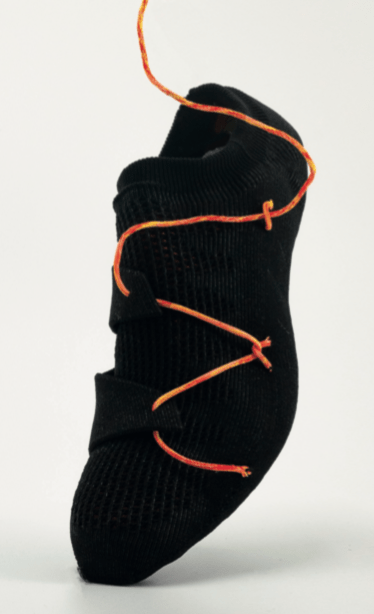
3D-Knit shoe
3D_knitting-technology

www.KINNODESIGN.com
Today I want to introduce you to Mr. Jordi Montaner and his design firm KINNO DESIGN.

Jordi is an expert in the design and production of 3D knitting technology for shoes, bags, clothing, and accessories. An industrial designer from Barcelona, Spain, Jordi landed in South China, working as a Technical Manager for K-Tech, a top 3D knitting supplier. With access to state of the art 3D knitting machines in his hands, Jordi set out to create revolutionary 3D knit footwear and accessories.

WE ARE KINNO DESIGN

Our main focus of work is Weft Knitting, a method of creating fabric that is also called flat knitting, and popularly known as 3D knitting or Flyknit.

Our 3D knitting consultancy is helping brands to design, develop, and produce innovative textile products.

Kinno Design was born out of experience gathered from developing and producing footwear products in Asia for many industry leaders.

We are the bridge between your brand and the knitting supplier. Through mentoring and guiding your design team and Tier 1 factories, our expertise will save you both development time and production cost on all your high-end, innovative, knitting projects.

We are here to push the boundaries of knitting and focus on meaningful innovation.

Our 3D Knitting Services

JORDI MONTANER

Mentoring 3D Knitting Technology

Kinno Design offers made-to-measure learning programs for both the educational and the professional sector.

3D Knitting Development and Production

Kinno Design offers clients consulting services for their knitting projects. Everything from functional pattern design to material research, color interpretation, shoe construction, knitting development, post-processing variables, and mass production management.

Strategic Consulting

The complete package: a relationship that includes a consulting and mentoring agreement for a comprehensive future strategy of innovative knitting production and sustainability guidance.

FLAT KNITTING TECHNOLOGY

Our primary focus is weft knitting or flat knitting, a method of creating fabric that is also popularly known as 3D knitting or Flyknit.


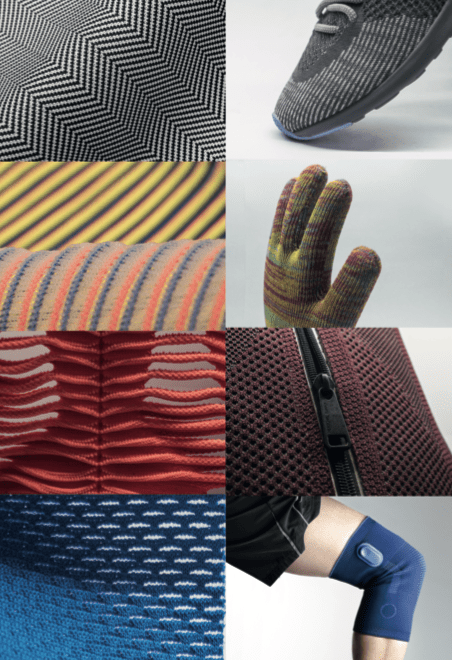
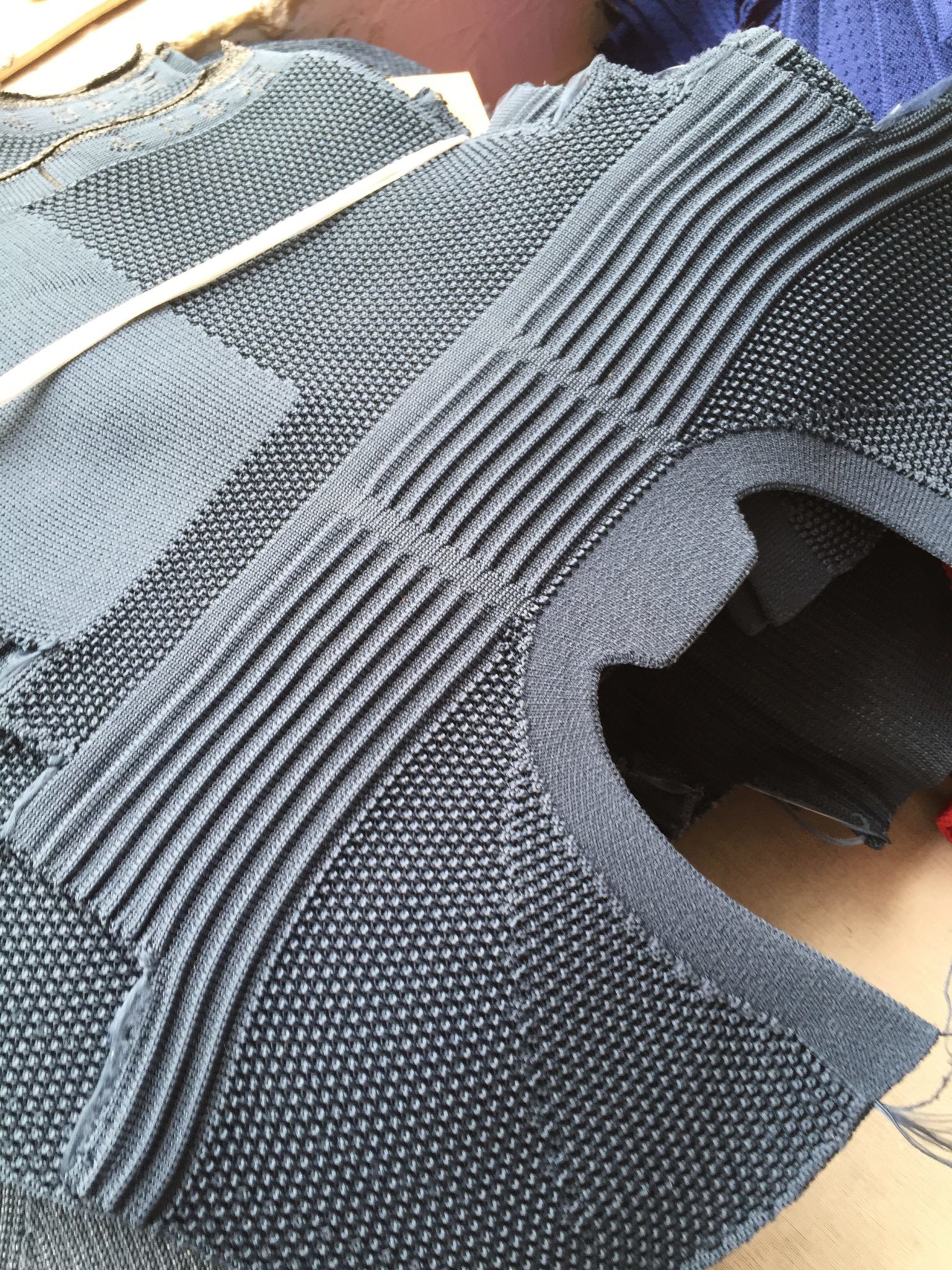
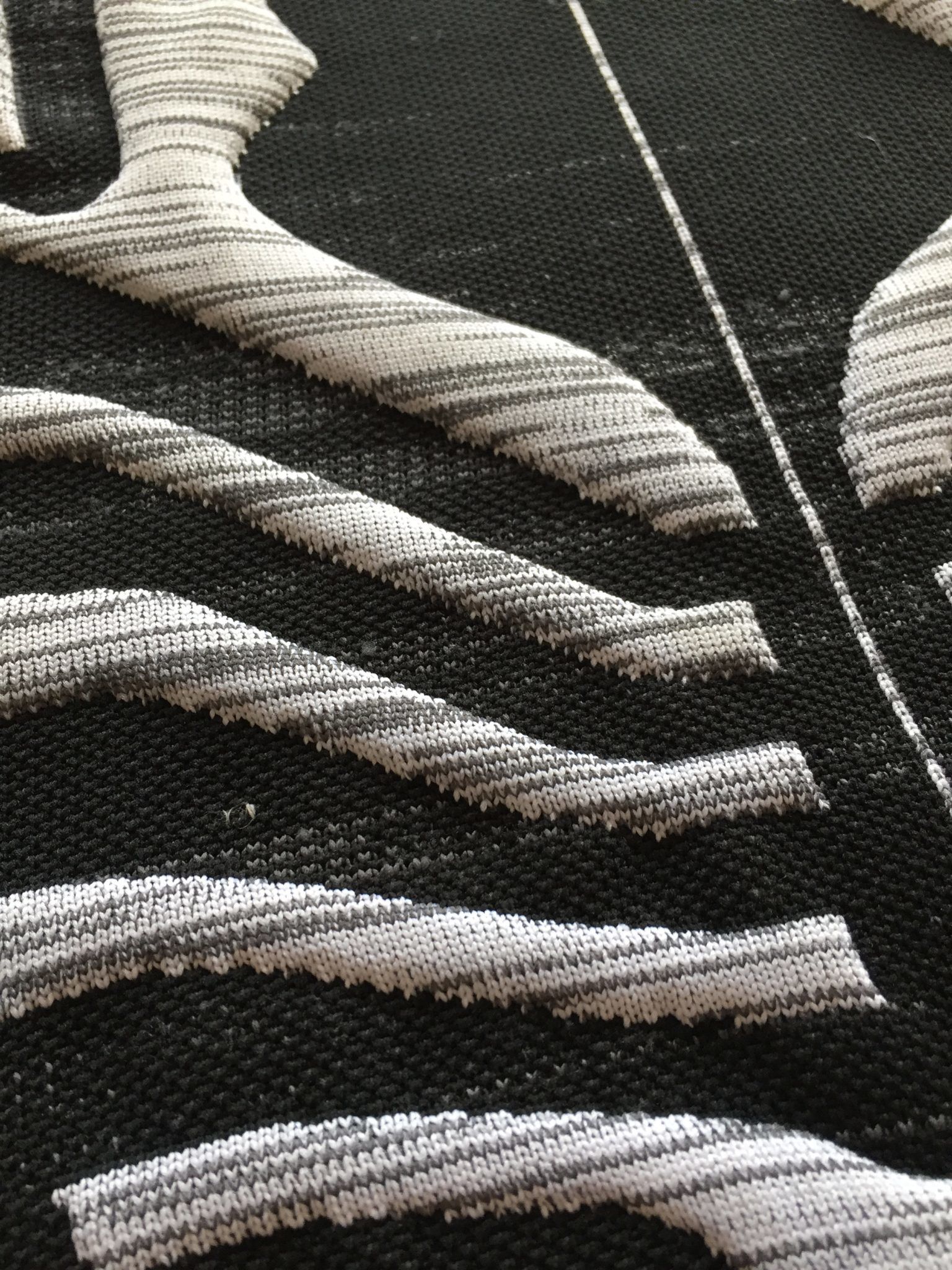
This technique has endless possibilities. Our technicians use specialized software to program the knitting machine with detailed instructions for every section of the upper. Everything from the material, the shape, the patterns, to the thickness, can be fine-tuned in different areas of the upper to get a multifunctional textile, engineered to fulfill any requirement.

VARIETY OF PRODUCTS

Kinno Design has implemented this knitting technology in many different fields, such as lifestyle and performance shoes and boots, women’s footwear, security and medical shoes, backpacks, and accessories such as hats, training gear, gloves, masks, and even sports bras.

MEET THE KINNO DESIGN TEAM

JORDI MONTANER

Hi! My name is Jordi Montaner, founder of Kinno Designs. I would like to personally thank you for your interest, as well as encourage you to contact us should you have any questions or requests.

HOW WE INNOVATE

Our innovation comes in many forms: a new idea, new business models, new materials, new processes, or a new knitting structure. It can be viewed as the application of better solutions that meet new requirements. There may or may not be a market for it, and maybe the industry isn’t ready yet.

We always look for meaningful innovation, exploring every direction we can imagine.

3D-Knit-sample

THE CREATIVE PATH

Our experience working in China taught us that innovation can come from little changes that have a huge impact on the industry. The kind of improvements that can be easily implemented and mass-produced. This innovation comes with intimate knowledge, everyday experimentation, and trial and error.

In order to innovate, we are continually researching other knitting techniques, different manufacturing methods, and fields other than shoes.

CONTACT US
JORDI MONTANER
jordi.montaner@kinnodesign.com

www.kinnodesign.com

Shoemaking
TextbooksBuy Now
Shoemaking
SuppliesBuy Now
Shoemaking
CoursesCourse Details

Previous
Next

Posted on

Shoe Designer vs. Shoe Pattern Maker

How to design shoes

Shoe Designer vs. Shoe Pattern Maker

What is the difference between a Shoe Designer and Shoe Pattern Maker? A shoe designer is responsible for all aspects of the shoe’s design. The designer must consider the styling, materials, colors, customers, price, trends, and product performance. The footwear pattern maker, while critical to the entire operation, is only responsible for creating a beautifully proportioned pattern that fits tight to the last.
To be a great footwear designer, do you need to make your own patterns? In my experience, the answer is “No.” A shoe designer does not need to know how to make or cut footwear patterns. It’s important that a shoe designer can read, work with, and adjust the patterns, but the creation of a new pattern is best left to the “Master.”  I have been lucky and have been able to work with the same pattern master for years. He knows what I’m looking for, and although he does not speak any English we can still get the job done.

The Pattern Maker’s Challenge:

Teh shoe pattern make will make a shell pattern
The shoe factory’s pattern maker has a lot of work to do when a new design lands on his desk. The pattern master’s first job is to get the last that has been selected by the designer and examine its shape. If it is a familiar last, it’s a simple task to mark the throat opening and the shoe collar height. He may already have the “shell pattern” on file. The shell pattern is what a one-piece seamless upper would look like.
If the last is new, the pattern maker may “tape” the last so he can pull off the shell pattern. He will cover the last with layers of tape, then carefully cut the tape along the centerline of the last and along the bottom edge. At this stage, he can draw the shoe design on the tape.


Once the tape is peeled from the last and flattened, we have a pattern! Now the pattern can be redrawn in a computer, printed, and cut out of heavy paper. As a designer, you should always ask for the flat pattern of a new design.
When you make corrections, it’s easy to draw on the sample shoe and mark the shell pattern for the pattern maker. It is much faster to scan the corrections and email them back to the factory than FedEx the shoe back to China.
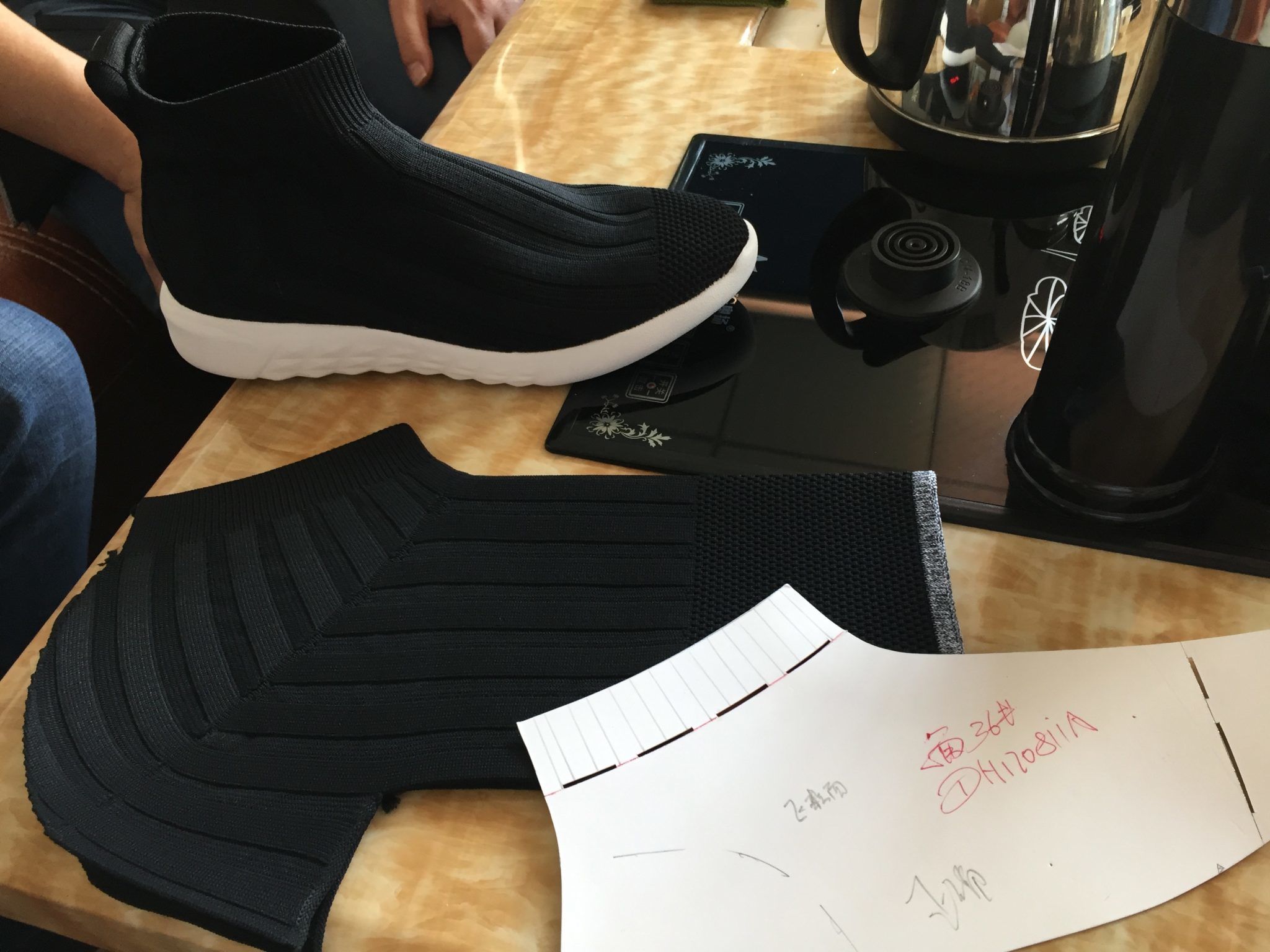
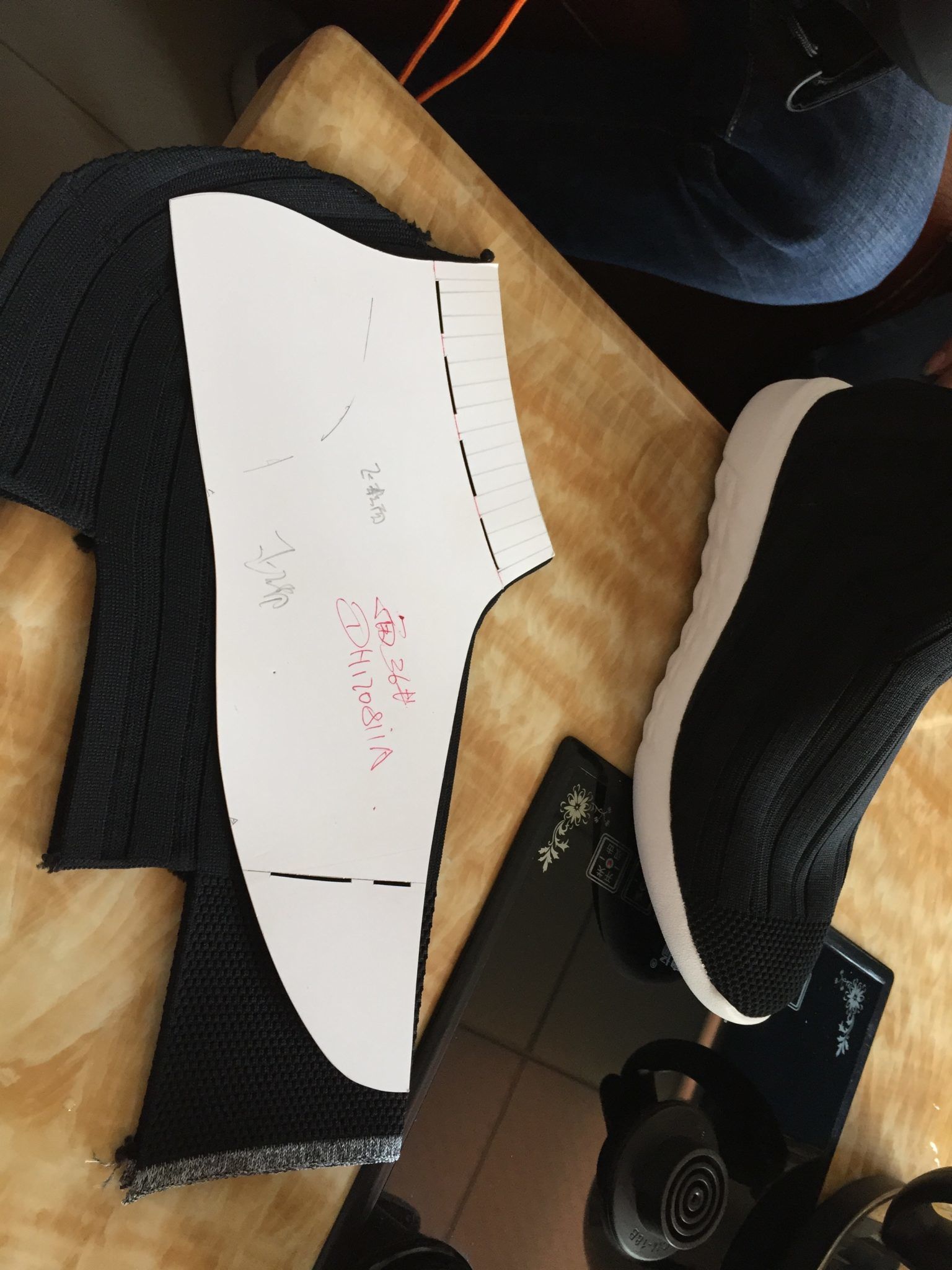
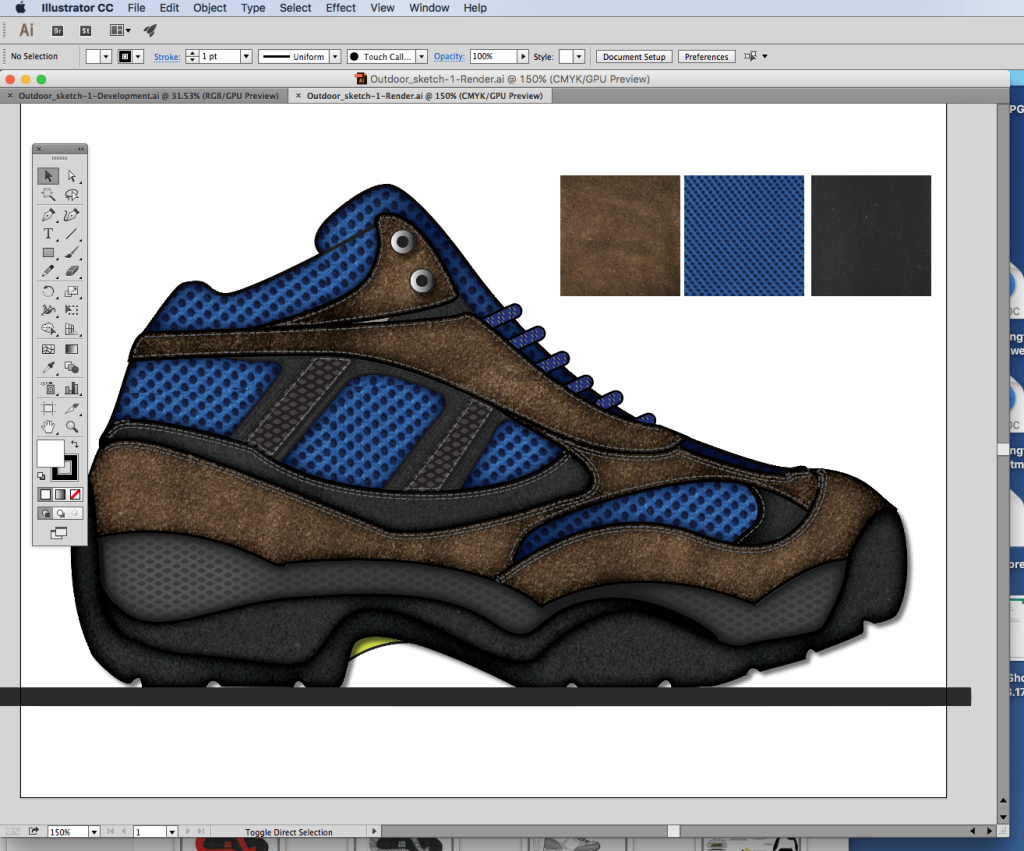
Here is a shoe designer’s drawing with the pattern maker’s actual pattern.
Flat pattern for Shoe shoe making process steps
Here is a great video showing a master pattern maker at work!

Shoemaking
TextbooksBuy Now
Shoemaking
SuppliesBuy Now
Shoemaking
CoursesCourse Details

Previous
Next

Posted on

Cómo seleccionar los materiales para el calzado

Shoe Factory Equipment : How to make custom shoes?

Factores para los materiales de diseño de calzado

Guía de diseño para material de calzado, pagina 140

Los materiales que se escojan para la zapatilla harán que tu diseño cobre vida. Piel de calidad, una malla brillante, o tejidos sintéticos de alta tecnología; existe una variedad infinita de opciones de materiales y colores para crear una obra maestra. Sin embargo, se debe tener mucho cuidado para elegir los materiales adecuados que hagan frente a la demanda del calzado. Se deben cumplir los requerimientos del rendimiento del calzado, y los requisitos de fabricación. No se puede utilizar un material bonito que se rompa durante el montado, o que se desgaste con la exposición al sol. Así que aprendamos a seleccionar los materiales correctos para el calzado.


Factores para tener en cuenta al escoger los materiales para el diseño de calzado:

Factores para los materiales de diseño de calzado

Cuando selecciones los materiales para tus proyectos, el briefing de diseño debe a ayudarte a guiar tus decisiones. Este briefingde diseño define el tipo de zapato que estás haciendo: ¿una zapatilla de ballet para una bailarina, o botas de trabajo?, ¿cuál es el mejor material para una sneaker?, ¿cuáles son los mejores materiales para unas zapatillas de correr?, ¿serán zapatos económicos, o premium? Con tu briefing de diseño en mano, y con algunos conocimientos básicos, podrás seleccionar los materiales adecuados para tus diseños de calzado.

Los materiales más utilizados a la hora de hacer un zapato son: cuero, tejido, cuero sintético, goma, espuma, y plástico. Cada uno tiene un uso específico en cuanto al calzado, y, dependiendo de tu diseño, cada material tendrá un lugar en el mismo. Hagamos un breve recorrido por estos materiales comunes.

El cuero para el calzado

Designers Guide to shoe leather how to make shoes

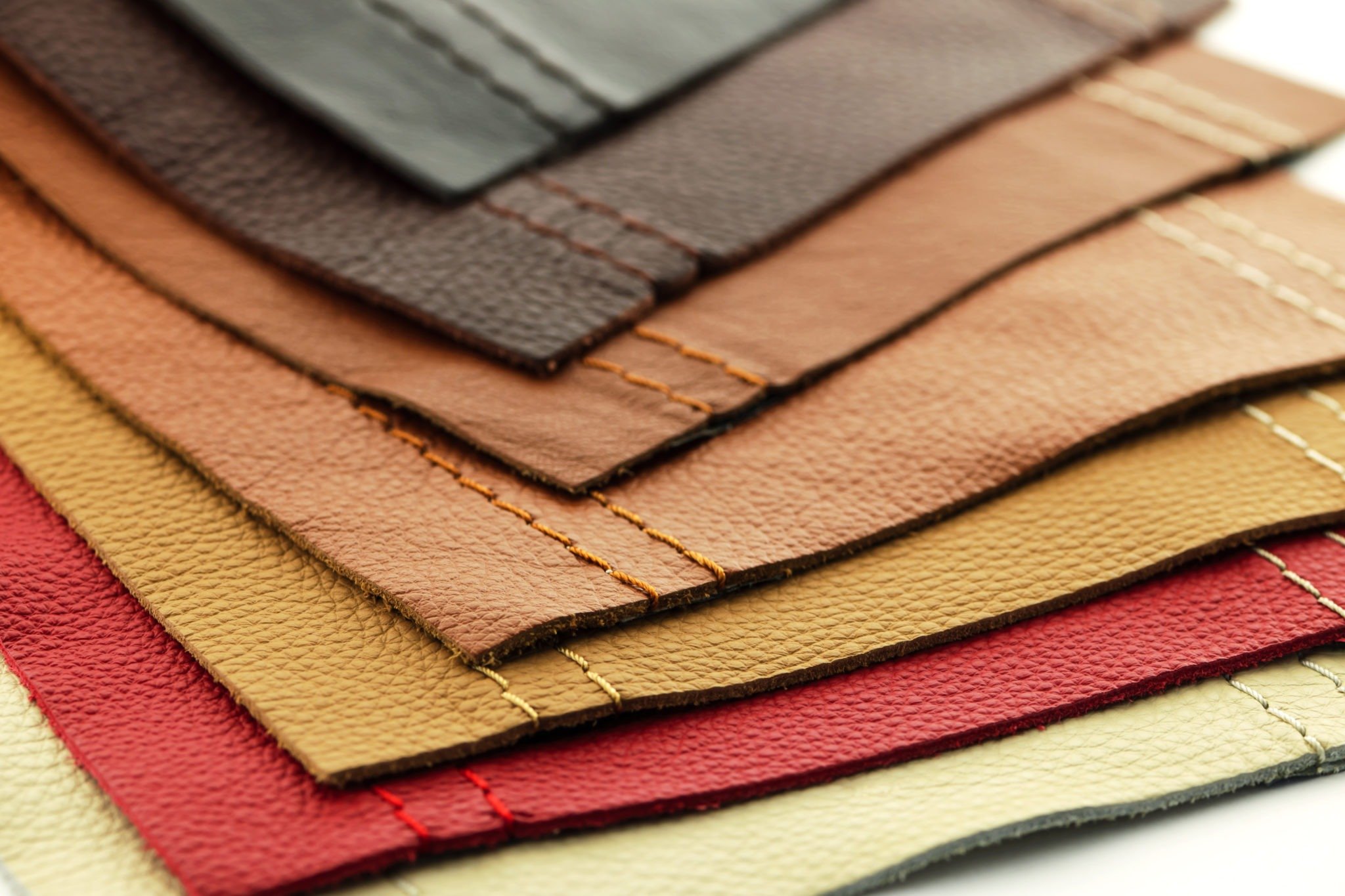
El cuero es el material más utilizado para hacer calzado. Es duradero, flexible, y existen muchos tipos, colores, y precios diferentes. Es un gran material con el que se puede hacer calzado atractivo, funcional, y a la moda.

¡El cuero está vivo! No es cierto, pero el cuero cambia a medida que se desgasta. Un zapato de cuero fino respira y se adapta como ningún otro zapato. El zapato de cuero hecho a mano puede ser una obra maestra de la artesanía de un zapatero; sin embargo, tiene algunos inconvenientes. Puede ser pesado, dar calor, y ser susceptible a la absorción de agua, y se daña si no se trata. Los tratamientos impermeabilizantes, y los tratamientos resistentes al agua le añaden coste. El cuero es un material relativamente caro en comparación con el tejido u otros materiales hechos por el hombre.

Leather Duty Men's shoe 8.5% What is the Duty on a leather shoe

Debido a que el cuero proviene de animales individuales, cada piel tiene un tamaño diferente; también tienen cicatrices, imperfecciones, e incluso marcas que deben evitarse al cortar. A este material sin cortar se le conoce como desperdicio. Cuando hablamos de cuero, el porcentaje de desperdicio empieza en el 5%, en modelos de alta gama puede ser de hasta el 15%, lo que significa desechar un 15% del coste.


How to Select Footwear Materials

La piel suele tener un arancel bajo, dependiendo de las reglas de importación del país. El calza do hecho con un 51% de superficie de piel tiene una tasa de alrededor del 9%. El calzado hecho de textil puede tener un 20% del FOB (en Castellano, FOB se denomina Franco a Bordo, pero es más utilizado el término en inglés) + 0,90 dólares de arancel dependiendo del país de origen. Tienes que ir una curtiduría o tanería para ver cómo se elabora el cuero. Para obtener más información sobre el cuero, lee el siguiente artículo – Guía del diseñador de calzado de cuero.

Cómo se fabrican
los zapatos

¿Quieres aprender cómo se fabrican los zapatos deportivos modernos?Una mirada detrás de escena de una verdadera fábrica de calzado deportivo Contiene 222 páginas con más de 400 fotos en color aprende más Oferta especial

Los textiles para el calzadoTextiles for shoe design Shutterstock - shoe fabrics

Los tejidos textiles para calzado vienen en una gran variedad de colores, tejidos, fibras y denier. El denier es el equivalente
al peso del hilo. 1 denier = 1 gramo por 9.000 metros lineales de hilo. El denier más común es de 110D para tejidos muy ligeros; de 420 a 600D son más comunes en tejidos destinados al calza do, y 1.000D para botas y bolsos. Los textiles para calzado vienen en muchos tipos de fibra, incluyendo el algodón, lana, nylon, poliéster, polipropileno, rayón, licra, y muchos más. Cada uno tiene su propio aspecto y propiedades físicas.

¿De qué están hechos los zapatos deportivos?


¿De qué están hechos los zapatos deportivos?

La materia textil es considerada un recurso extraordinario para los diseñadores, ya que existen una infinita variedad de tejidos, colores, diseños, estampados, y características especiales; el textil tiene un lugar especial en el diseño de calzado.
Se encuentran tejidos tanto para el corte como para el forro, e incluso para la plantilla. Las fibras con polímeros, como el nylon y el poliéster, son livianas y duraderas. La licra es elástica, y el tejido hecho de algodón es necesario para construcciones vulcanizadas.

Dependiendo de las reglas de importación de tu país, los textiles a menudo tienen una tasa arancelaria mayor. Las zapatillas hechas con 51% de superficie textil, a veces tienen el 20% de arancel. Un modelo textil que cuesta menos de 12,50 dólares tendrá un 20% + 0,90 dólares de arancel (dependiendo del país de origen).

Sin embargo, existe un truco si se moldean tejidos o textiles en la suela del zapato, podrás evitar las altas tarifas de los aranceles. Analizaremos en profundidad los tejidos para calzado en un artículo aparte

Los sintéticos para el calzado
What is a shoe made of? SHutter STock- Synthetic leather for shoes

Independientemente de cómo decidas llamarlo, el cuero sintético, polipiel, PU, PVC, o cuero vegano, es otro material imprescindible para la elaboración del calzado deportivo moderno. Para poder diseñar zapatillas, se debe tener conocimiento de los materiales sintéticos actuales. Este tipo de material ofrece al diseñador una gran variedad de colores, texturas y características a diferente precio.
Hace tiempo, los productos sintéticos se consideraban basura barata, no apto para calzado de alta gama, pero los tiempos han cambiado.

shutterstock_206615206 Synthetic leather for shoes

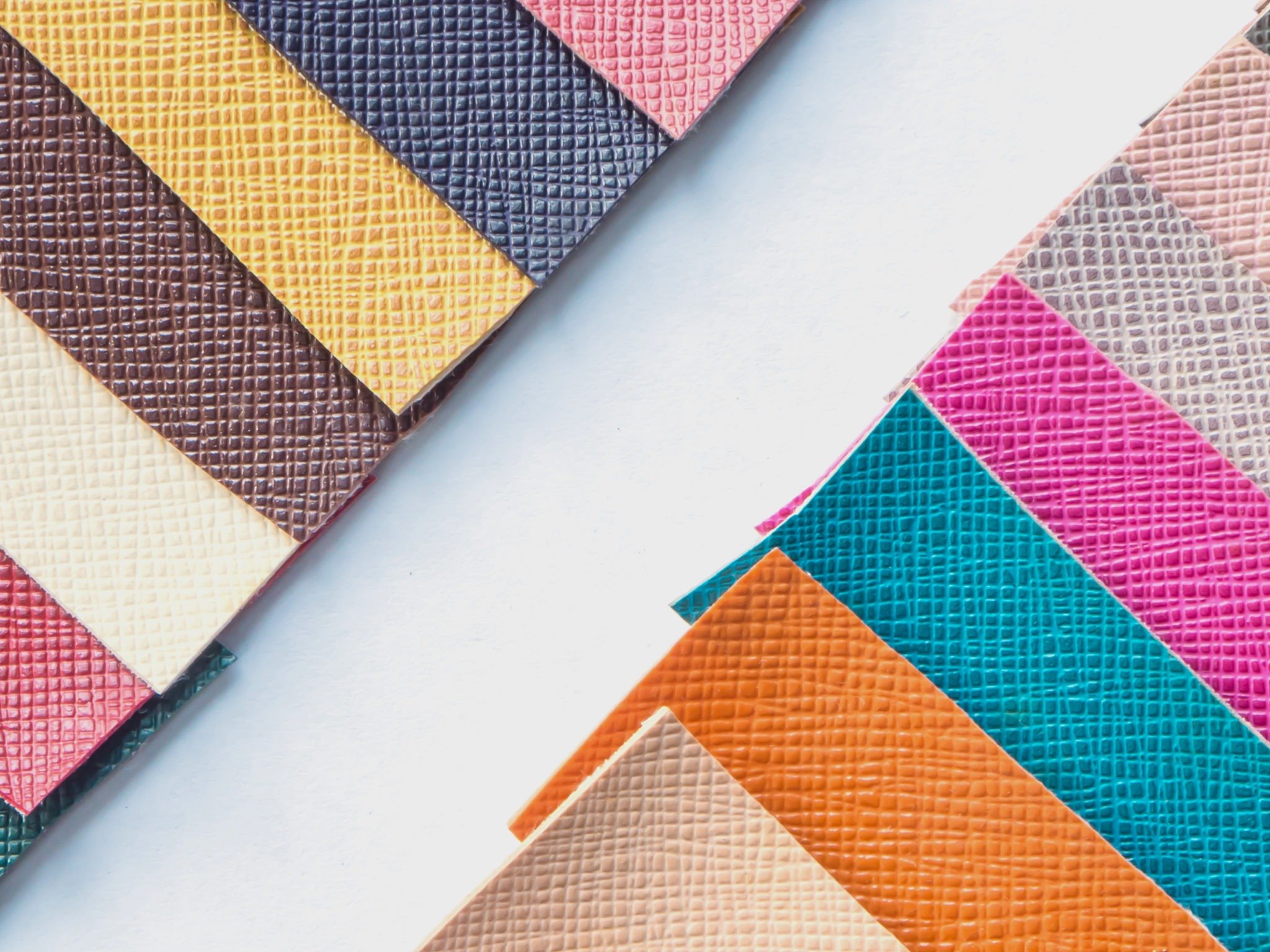
El cuero sintético hecho de PU de alta calidad se fabrica con una base de microfibra de PU resistente al agua. Este respaldo tiene una superficie lisa, se corta de manera precisa, y puede teñirse para que coincida con el material de la superficie. La base de microfibra se puede pedir en grosores de 0,5 a 2mm, y tiene elasticidad. Encima de esta base se aplica el símil de piel.

La película tiene un grosor de entre 2 y 5mm, se fabrica en una operación aparte; y, posteriormente, las dos capas se unen con calor y presión. La textura exterior se consigue mediante impresión, grabado, raspado, o pulido.
Los fabricantes con mayor capacidad de producción cuentan con cientos de texturas que pueden aplicarse a superficies diferentes. Si cumples con el mínimo establecido, se podrá́ escoger el color que quieras. Analizaremos en profundidad los sintéticos para calzado en un artículo aparte.
La Espuma para calzadoFoam for Use in Shoes What is a shoe made of?

Existen muchos tipos de espuma que se utilizan para la fabricación del calzado. Generalmente, la espuma se clasifica en dos tipos: espuma de celda abierta, y espuma de celda cerrada. La espuma de celda abierta se define por sí sola; los compuestos de plástico que forman las celdas de espuma están abiertos, el aire y el agua interfieren libremente, similar a una esponja para lavar los platos. La espuma de celda cerrada es exactamente lo contrario, las celdas individuales están cerradas o selladas, y no permiten que escape el gas inter no de la espuma.

Patronaje de calzado y diseño de hormas

una guía para principiantes sobre las técnicas fundamentales de la fabricación del calzado. 200 páginas con más de 500 fotos en color aprende más Oferta especial

Espuma de celda abierta

Esta espuma está hecha de plástico de poliuretano, y en inglés se conoce como KF o KFF foam. Esta espuma está disponible en diferentes densidades, y en casi cualquier grosor y color.
Se utiliza en lengüetas, y en el hueco; aunque también se utilizan planchas finas de espuma de PU para reforzar el tejido en la mayoría de las piezas que forman el corte de las zapatillas. La espuma de PU permite que las puntadas penetren para proporcionar a la malla un soporte adicional a la vez que reduce las arrugas del corte.

La espuma reticulada es la espuma con las celdas más abiertas. Este tipo de espuma se utiliza en artículos donde se requiera como característica especial la ventilación.

Espuma de celda cerrada

La espuma de celda cerrada es, generalmente, más densa; las entresuelas de las deportivas están hechas de este tipo de espuma. La espuma de celda cerrada más común incluye EVA (Etilvinila cetato), PE (Polietileno), SBR (Caucho de Estireno Butadieno), PU (Poliuretano), látex y neopreno. Cada uno tiene sus propiedades concretas; la es puma EVA se usa para reforzar materiales hechos de maya, una capa de 2mm de EVA hará́ el tejido impermeable. El neopreno y el SBR se utilizan cuando es necesario que el producto tenga pro piedades elásticas. El látex es muy utilizado para revestir el escote, o el hueco de las zapatillas, mientras que la espuma de PE es más ligera, pero no es tan duradera, por lo que su uso es limitado.

Al trabajar con espuma, es importante saber qué espuma es apropiada para el corte de la zapatilla, y cuál es la espuma apropiada para amortiguar la suela. Aprende más haciendo clic aquí.

¿Qué material es mejor para el calzado?

No hay mejor material para calzado. Lo que es mejor para una zapatilla destinada a correr no tiene por qué ser el mejor material para botas de trabajo. Tanto el diseñador de calzado, como el desarrollador, y el jefe de producto, deben trabajar juntos para elegir los materiales dentro del precio y rendimiento determinado, teniendo en cuenta la durabilidad, las tasas de servicio, la comodidad, y el estilo. Cada zapato tiene un requisito diferente, y así será el material de sus componentes.

Cómo seleccionar los materiales adecuados para el calzado se analiza en profundidad en el libro Cómo se hacen los zapatos. Este libro contiene una lista de materiales y proveedores de calzado. Echa un vistazo a los capítulos 17, 18, 19, 20 y 22.

descargar cuatro libros de zapatería

“Cómo se hacen los zapatos”
“Guía para el diseño de materiales de calzado“
“Cómo empezar tu propia empresa de calzado“
“Patronaje de calzado y diseño de hormas”
aprende más Oferta especial
Posted on

How to Pick Sneaker Materials

How to pick Sneaker materials

The footwear materials you select for your sneaker are what make your kicks come to life! You will find the design pattern is not the critical or special feature; the sneaker materials are. Learning how to specify sneaker materials is critical when you want to make shoes. If you want to learn how to become a sneaker designer, you must know how to specify footwear materials. You have an infinite menu of material choices and colors to create your sneaker masterpiece.  Rich leathers, silky mesh, or high-tech synthetics, take your pick.

see inside the Nike Kobe Elite XI, How are shoes constructed? Types of shoe construction

The sneaker designer must take great care to pick the right materials that can stand up to the demands of production. The demands for sneaker performance and manufacturing must be met. A beautiful material that rips during the lasting operation or fades in sunlight can’t be used.  So, let’s learn how to select the right materials for your sneaker design.

Factors for Sneaker Design Materials:

When you select sneaker materials for your design project, the design brief should help guide your choices. The design brief defines the type of sneaker you are making. Kicks for basketball, trainers for chilling? Are these going to be inexpensive or premium sneakers? With your design brief in hand and some background knowledge, you can select the right materials suitable for your sneaker.
The most common materials for modern sneakers are leathers, textiles, synthetics, rubber, foam, and plastic. Each has its specific uses in footwear. Depending on your design, each material will have a place in your sneaker.  Material selection is one of the fundamentals of shoe design. Let’s take a quick tour of these common materials.

Leather for sneakers

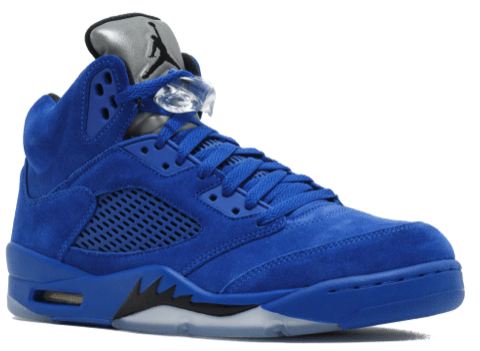
Air Jordan 5 Suede


Air Jordan 5 with drum dyed blue suede

Cow leather is the most common material used for making sneakers. It is durable, flexible, stretchable, and is available in many styles, colors, and price points. It is a great material choice, and with cow hide leather, you can make beautiful, functional, and fashionable sneakers.

Real leather is alive! Not really, but the character of leather changes as it wears. A fine leather sneaker breathes and conforms like no other shoe. But, leather does have some drawbacks. It can be heavy, hot, and susceptible to water absorption and damage if not treated. Water-resistant and water-proof treatments add cost. Leather is a relatively expensive material when

Leather Duty Men's shoe 8.5% What is the Duty on a leather shoe

compared to fabric or other human-made materials and must be treated with care during shoe manufacturing.
Because leather hides are from individual animals, each is a different size, and each will have scars, imperfections, even brands that must be avoided when cutting. This uncut and unusable material is called cutting loss. For leather, the cutting loss is at best 5% of a hide. When making the highest quality shoes, shoe leather cutting loss can be 15%. That’s 15% of the material cost being thrown away.

The smooth white leather on many basketball shoes is actually suede that has been coated with a thin layer of PU plastic. This leather is called Action Leather. It is inexpensive, durable, easy to clean, and looks just like “real” full-grain leather.

The Ultimate Shoe Material Textbook

Start with an in-depth study of material types available for modern shoemaking. Learn the technical details of material specifications. 195 pages and 300 color photos.

Buy Now

on sale $39.99

Textiles for sneakers

Textiles for shoes come in a huge variety of colors, weaves, knits, fibers, and deniers. Denier is how thread weight is measured. 1 denier = 1 gram per 9000 meters of thread. Typical denier is 110D for very lightweight fabric, 420D and 600D are common thread weights for shoe fabrics. Footwear textiles come in many fiber types including cotton, wool, nylon, polyester, polypropylene, rayon, lycra, and more. Each has its own look and physical properties.

Authentic Vans sk8 quality inspection

What are athletic shoes made of?

Textiles are a miracle material for shoes. With an infinite variety of weaves, colors, patterns, and unique features, textiles have a special place in footwear design. You will find textiles inside, outside, and even on the bottoms of some sneakers. Human-made polymer fibers such as nylon and polyester are lightweight and durable. Lycra is stretchable, and cotton canvas, with a look all its own, is a must for vulcanized construction.

Depending on the import rules for your country, textiles often come with a high duty rate. Shoes made with 51% textile surface area often fall into a 20% duty rate.  A textile shoe that costs less than $12.50 may be categorized as 20% +.90 duty! (Depending on the country of origin.) However, there is a trick; by molding textiles on the sole of the shoe, you can avoid the high duty rates!  Textiles will be reviewed in-depth in their own article.

Synthetics for sneakers

best sneaker materials

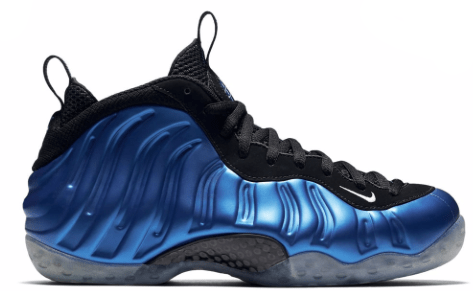
Nike Air Foamposite is molded synthetic leather with foam backing

Whatever you call it, synthetic, synthetic leather, PU leather, or just PU, this material is another must-have for modern sports shoes. This class of material offers the shoe designer a huge variety of colors, textures, and features at a wide range of prices. PU leather was once considered cheap junk and not suitable for high-quality shoes, times have changed! These human-made materials are often a composite made of two layers. A backing layer, made of woven or non-woven polyester fibers. Combined with an external surface layer by “dry” lamination process or by liquid “wet” processes. Many of the least expensive synthetics have a fibrous woven backing with PVC skin made by a wet process. The surface on these may not be 100% smooth, and the shoe will show wrinkles and creases. This material is the cheap stuff found on inexpensive shoes.

High-end leather for sneakers

High-end leather starts with a water-resistant microfiber PU backing. This backing has a smooth surface, cuts cleanly, and can be dyed to match the surface materials. A microfiber style backing can be ordered in .5 to 2.00mm thicknesses, has some stretch, and can have a water-resistant treatment. On top of this backing, the skin can be applied.

Polyurethane plastic film .2 to .5mm thick is made in a separate operation, and the two layers are then rolled together with heat and pressure. PU outer skin is then printed, embossed, scuffed, or polished to create one of the millions of surface options. The largest PU maker has hundreds of different embossing patterns that can be applied to hundreds of different surfaces. If you can meet the order volume required, you can pick any color you want! Synthetics will be reviewed in-depth in their own article.

New Online Course
How to Select Shoe Materials

14 Shoe Material lessons. Over 4 hours of video instruction. In-depth study of leather, textiles, synthetics, and plastics for footwear. Material Design Guide Textbook included.
Course Details
enroll now $399

Foam for sneakers

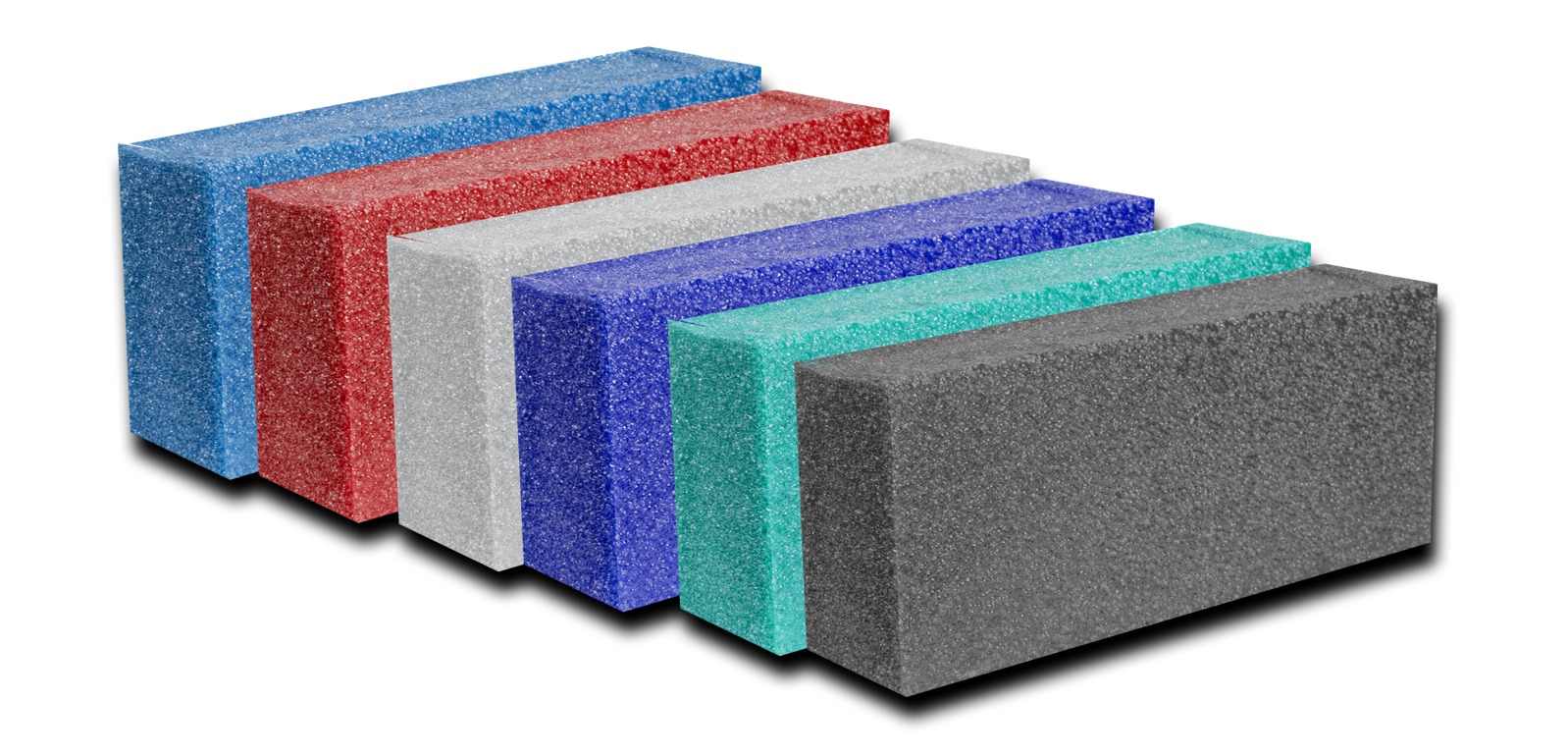
There are many types of foam used to make shoes, here we are going to review the types of foam found in the uppers of shoes. Generally, foam is divided into two types, “Open Cell” and “Closed Cell” foam. Open cell is exactly what it sounds like; the plastic compound that makes up the foam cells is open. Air and water are free to enter and exit the foam, just like a dishwashing sponge. Closed-cell foam is exactly that; individual cells are closed or sealed, not allowing the foam’s internal gas to escape.

Shoe Material Design Guide

Open-cell foam for sneaker uppers

Open-cell foam is generally softer; these foams are made of Polyurethane plastic. This type of foam is commonly known as “KF or KFF” foam. Open-cell foam is available in different densities and in almost any thickness and color. Open-cell foam is used in the tongues and collars of shoes. Thin sheets of PU foam are used to back fabric in most shoe uppers. PU foam allows the stitches to sink in and gives mesh some extra support while reducing wrinkles.

Reticulated foam is the most open style of foam. This type is often used for ventilation features.

Closed-cell foam for sneaker midsoles

Closed-cell foam is generally denser. Midsoles of shoes are all made from closed cell foam. Midsole foam is covered in the article Outsole Design. Common closed-cell foams include EVA (ethyl vinyl acetate), PE (Polyethylene), SBR (Styrene-butadiene rubber), PU (Polyurethane), Latex, and Neoprene. Each has its own properties. EVA foam is used for backing mesh materials, and 2mm sheet EVA will make fabric waterproof. Neoprene and SBR are used when elastic properties are required. Latex is common for collar linings. PE foam is very light but not too durable, so its use is limited.

When working with foam, it is important to know which foam is appropriate for the shoe upper and which is appropriate for cushioning the shoe outsole. Learn more here.

What is the best material for sneakers?

There is no one best material for shoes. What is best for Air Jordan 5 is not the best for the Nike Foamposite. The sneaker designer, footwear developer, and product manager must work together to pick materials based on the price, performance, durability, duty rates, comfort, and styling. Every shoe will have a different material requirement.

New Online Course!
Shoemaking for Designers & Brand Builders

Created for footwear newcomers and professionals alike, this course delivers the basic shoemaking knowledge you need to get your career and brand started.
Course Details
Enroll Now $99

Posted on

Knit Shoe Construction

Shoe Material Design Guide
Knit Shoe Construction

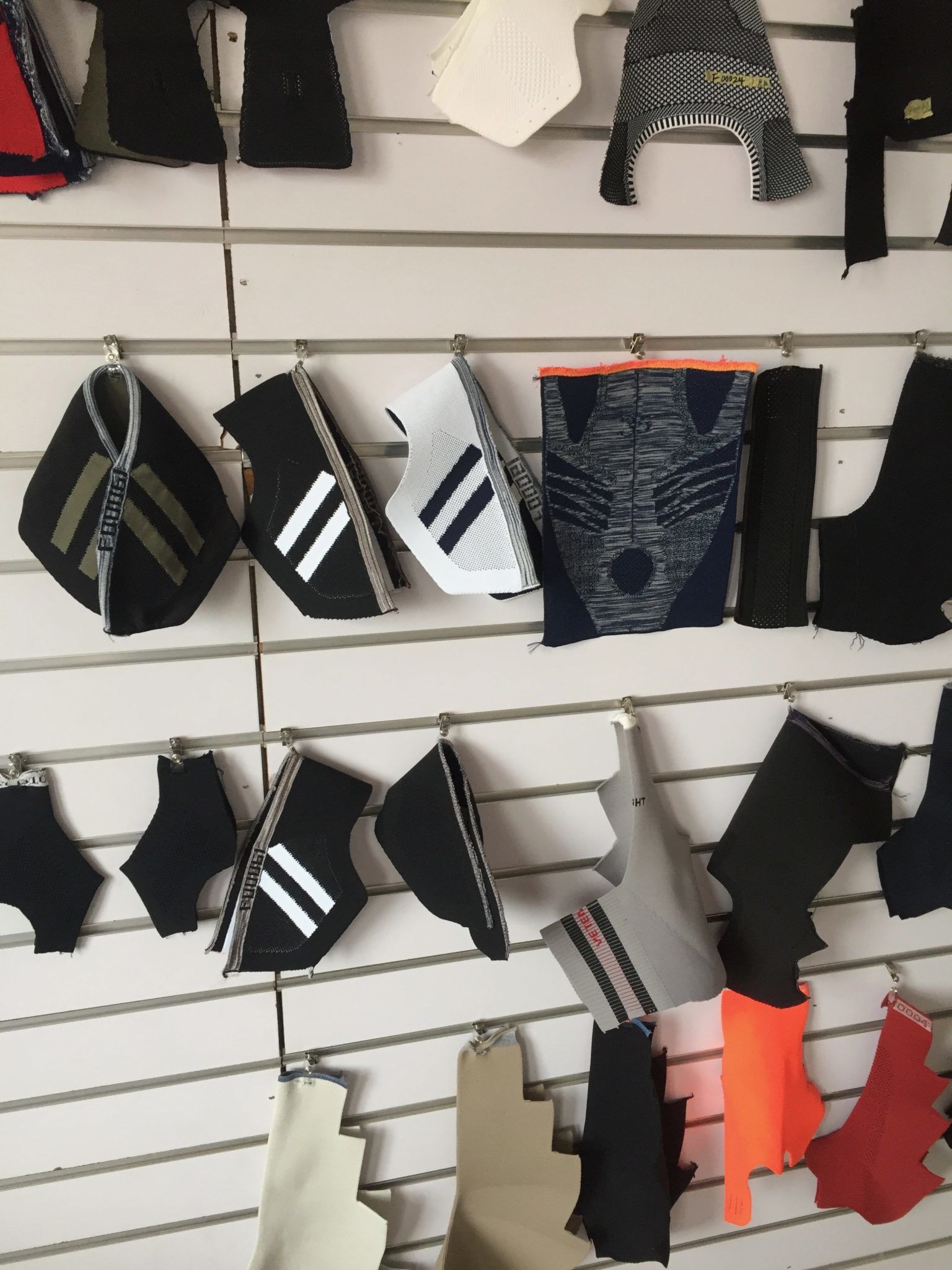
With the explosion of knit construction shoes in the footwear marketplace, it’s time to revisit the design and manufacturing issues of this growing footwear class. Pioneered by Nike™ as FlyKnit™ for high end running in 2014, knit shoe construction has now spread into basketball, soccer, and casual footwear.

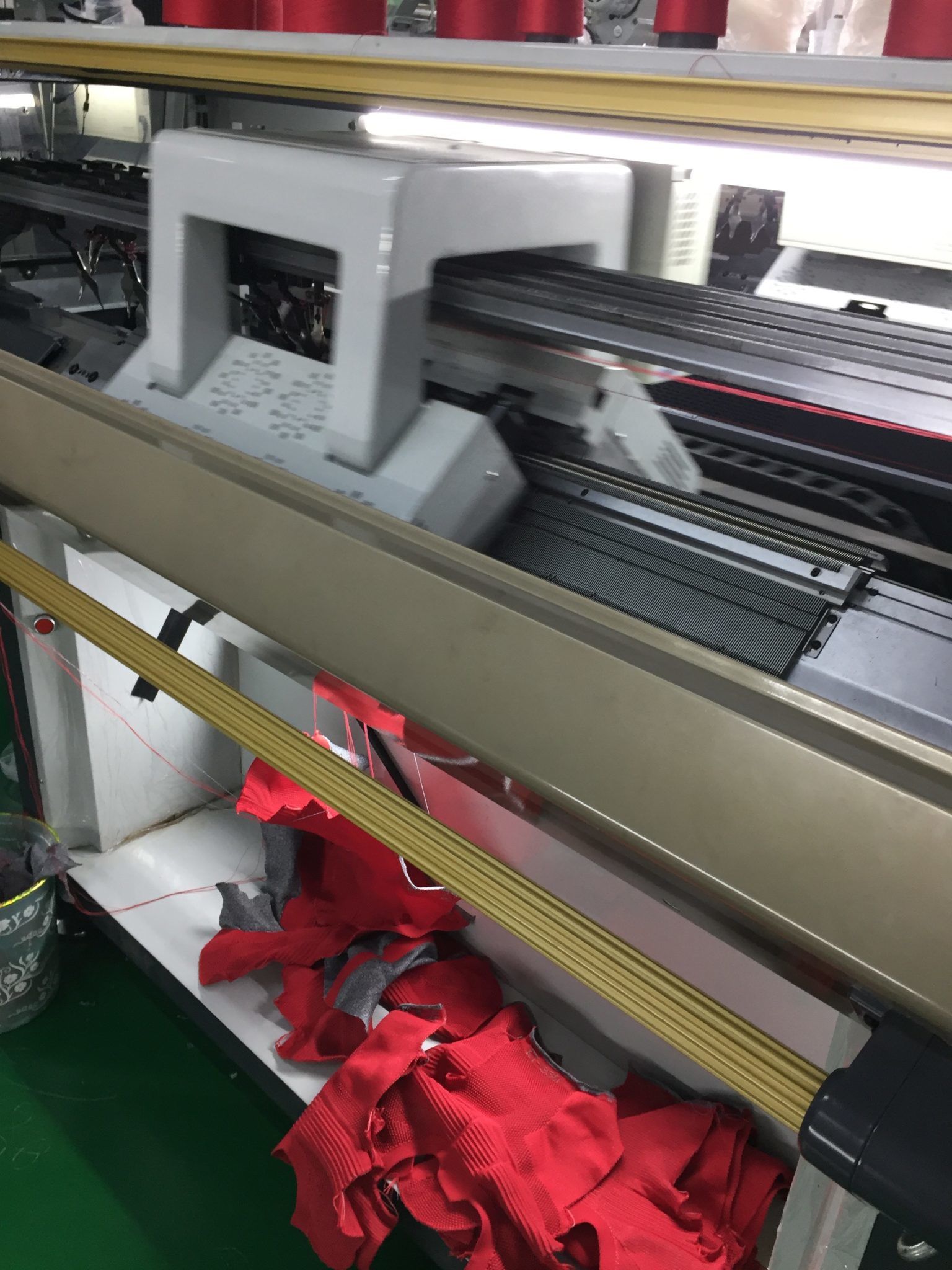
Because knit shoe construction can radically simplify shoe construction, the technique has spread from high-end to price point shoes in just a few years. With rising labor costs in major shoe manufacturing countries like China, the shoe knitting machine, which runs 24-7, is seen as a labor-saving device. Knit shoe construction has also opened the door to new, more sustainable production with less waste.

Of course, the knit upper shoe is now evolving in new directions. The naturally breathable designs combined with stretchable and non-stretchable fibers are creating new opportunities for footwear designers.

Design parameters for knit shoe construction:

  1.   Take advantage of knit technology’s strong points. Breathability and elasticity.
  2.   The shoe knitting machine can support up to six colors, some machines can support even more.
  3.   Knit shoes have unique options for simplification. Use them!
  4.   Knit construction shoes have many fiber choices. Who will be the first to use carbon or Kevlar?
  5.   Nike started its Fly Knit program with running shoes, now knit construction is found in all types of footwear. What is next?
  6.   Clear TPU overlays are being introduced to protect the knit fabric from snags.
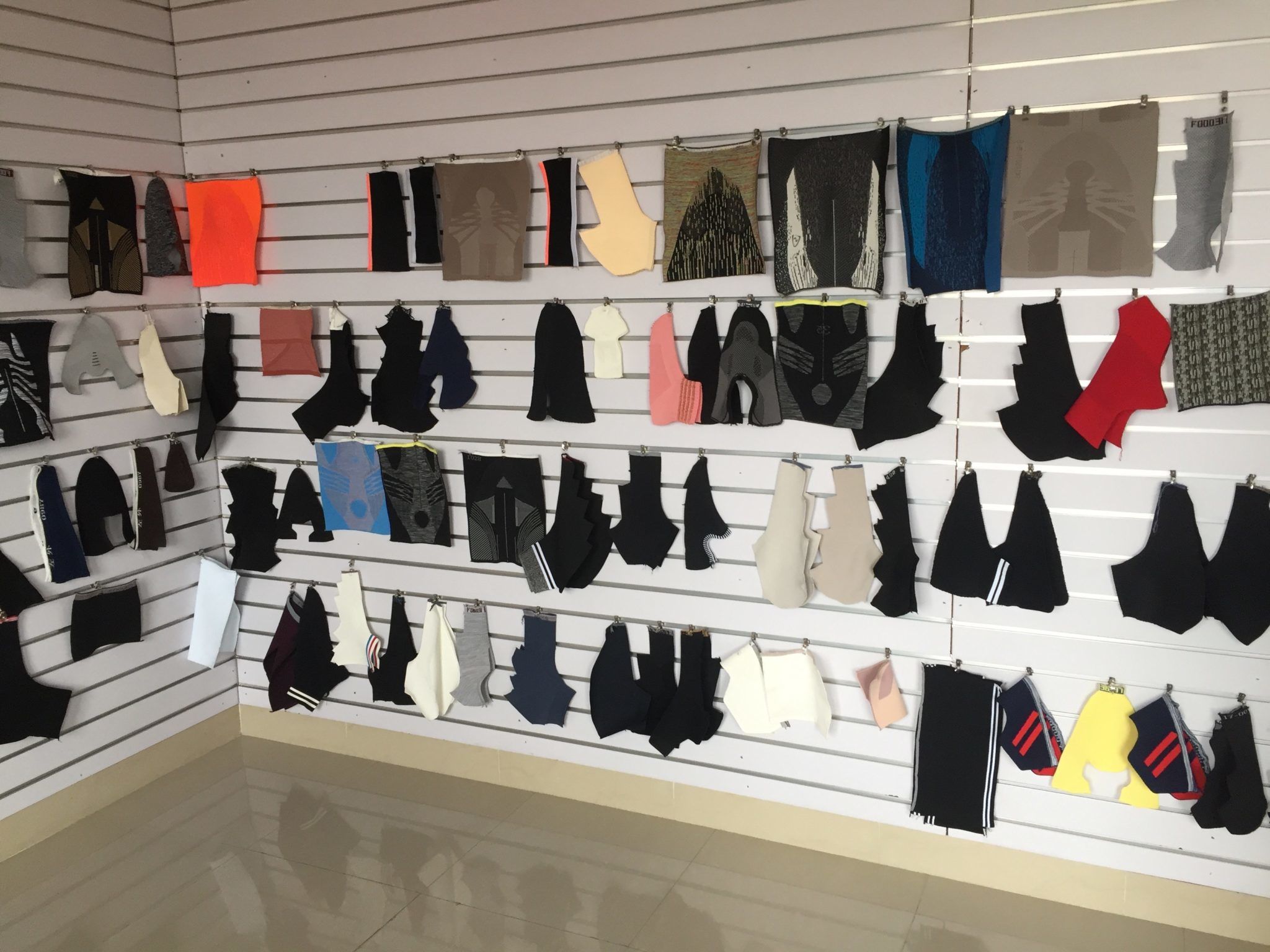
  7.   The shoe knitting machine can handle almost any pattern. Go crazy, explore the limits!
  8.   A new technique is now weaving pads into the pattern parts. Hmmm…

Inside a shoe knitting factory:

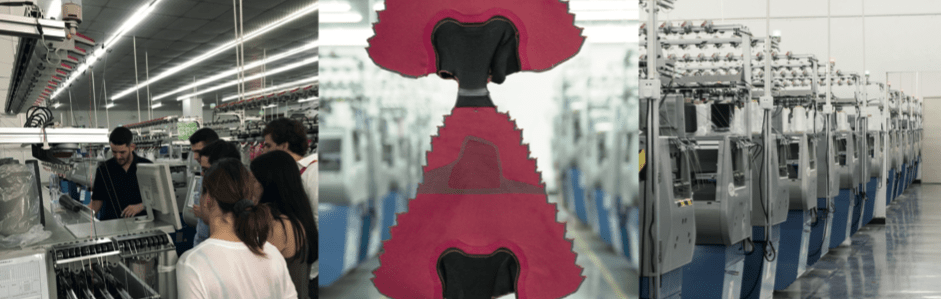
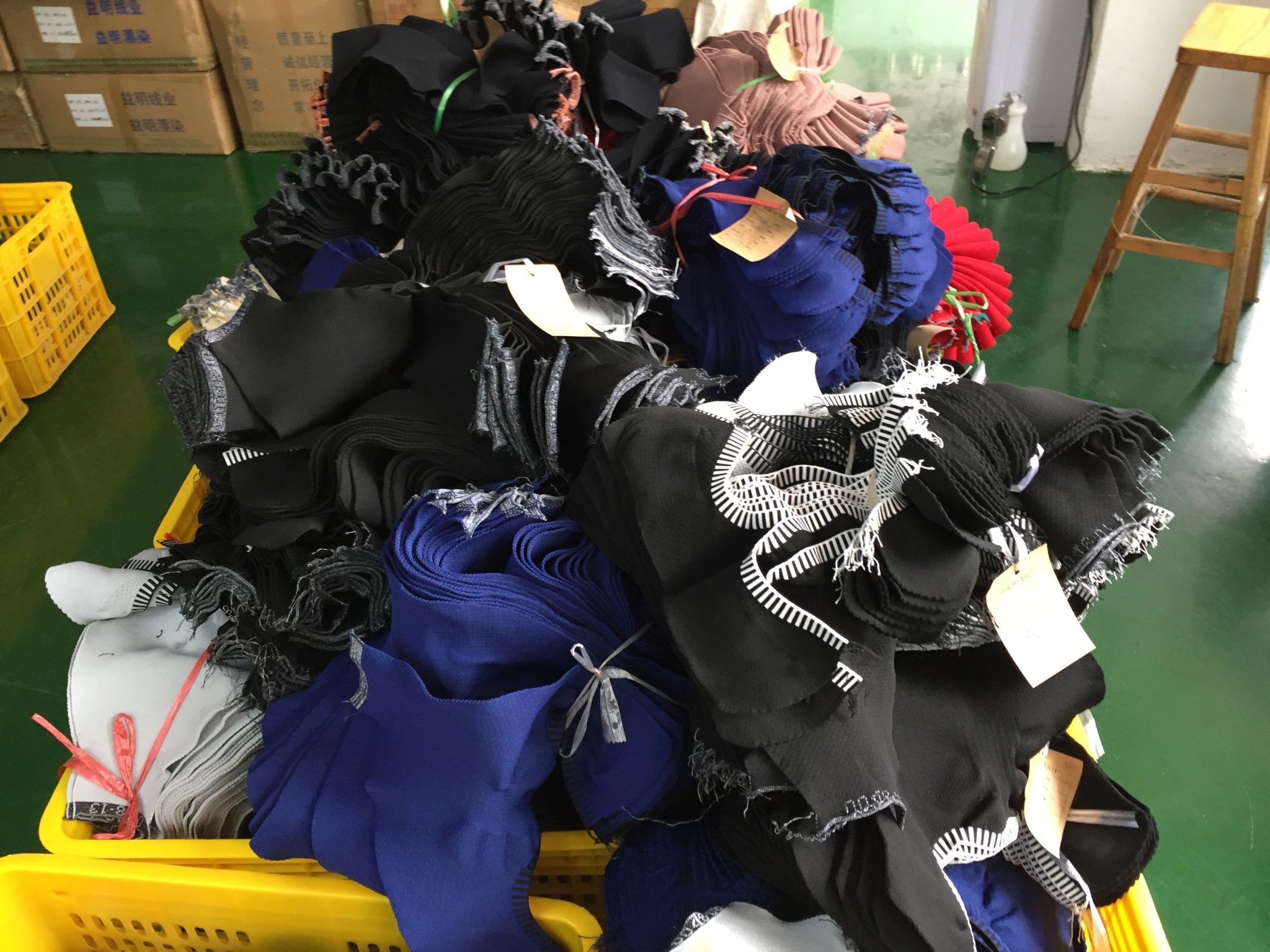
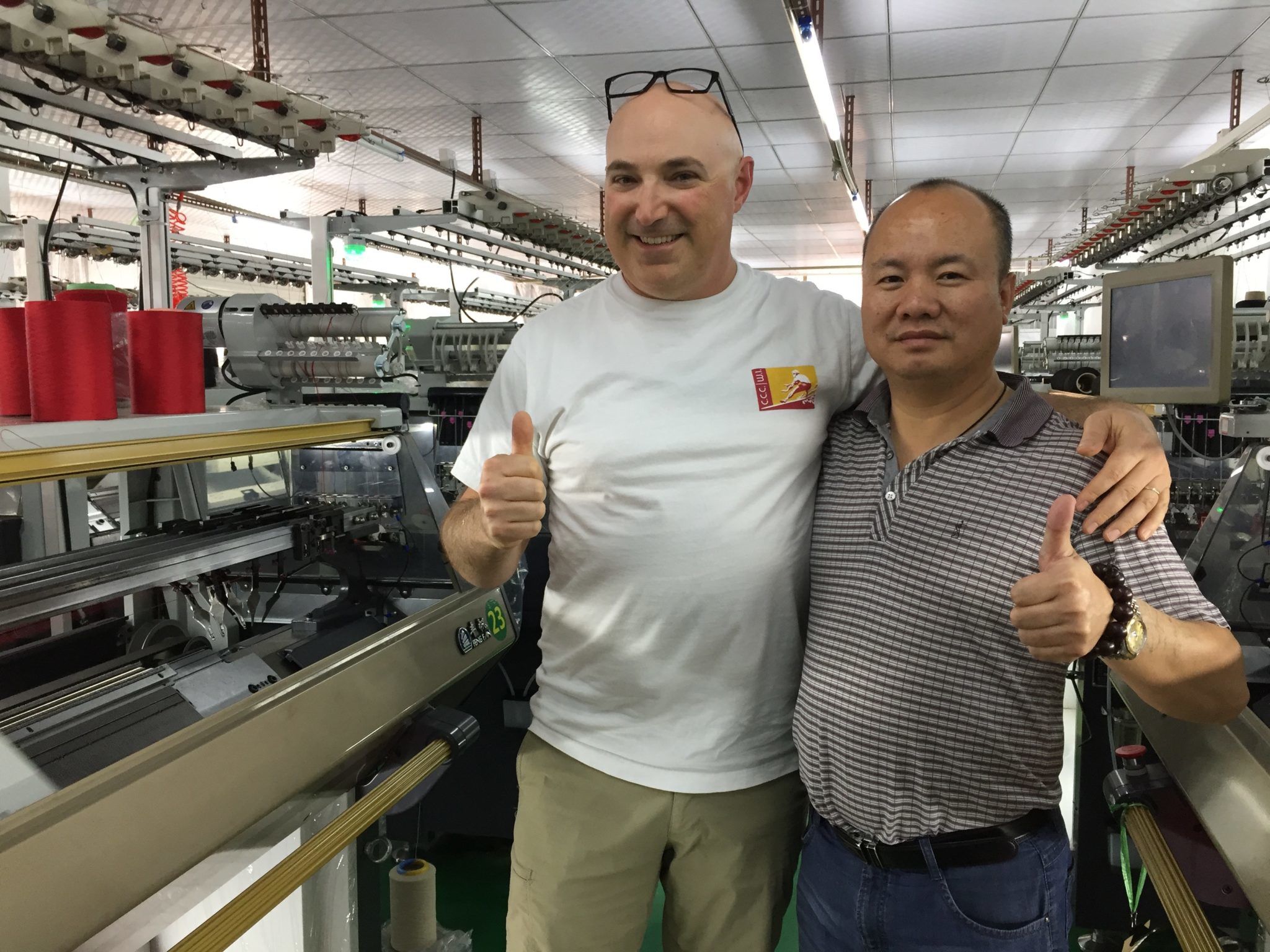
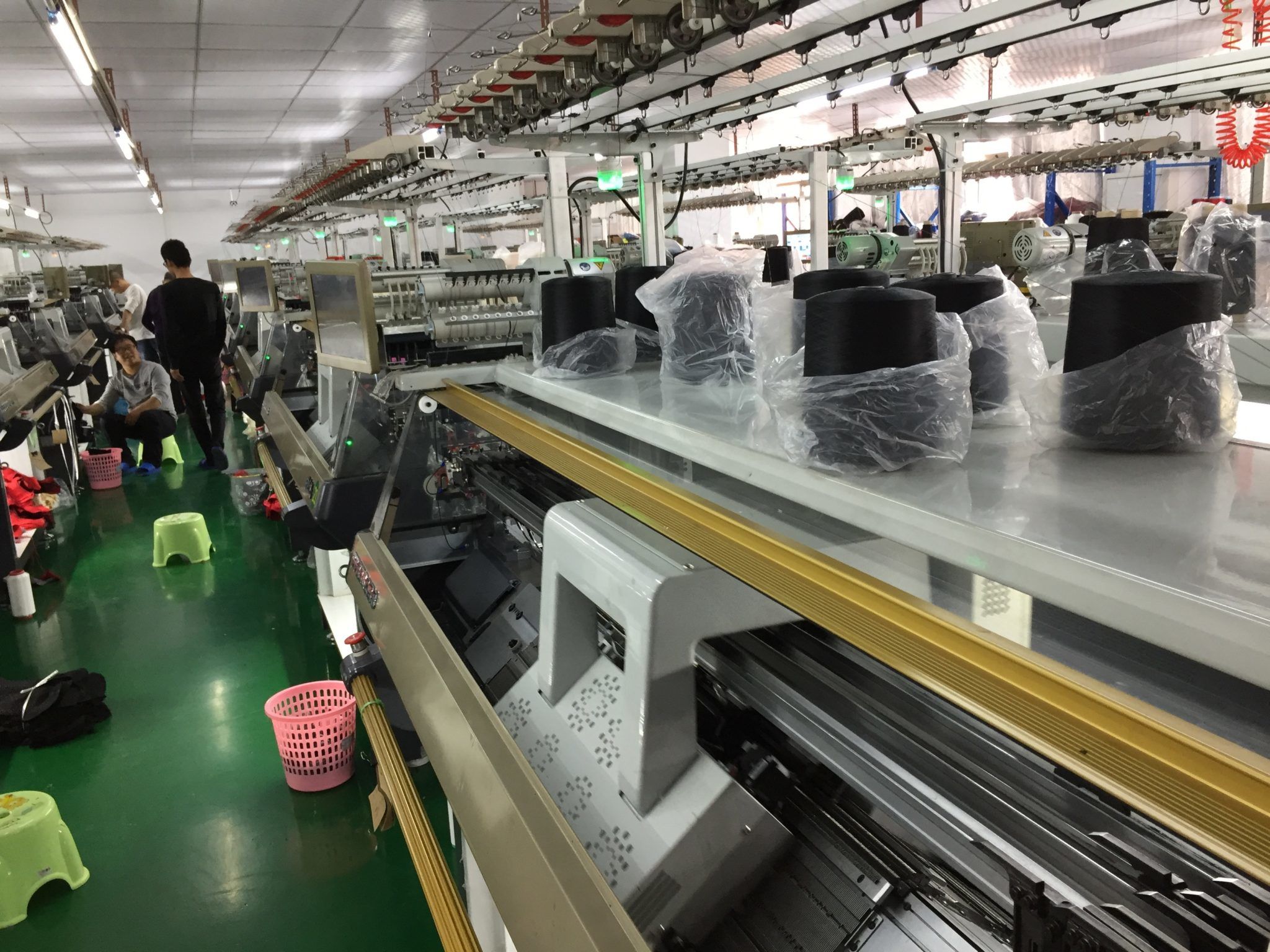
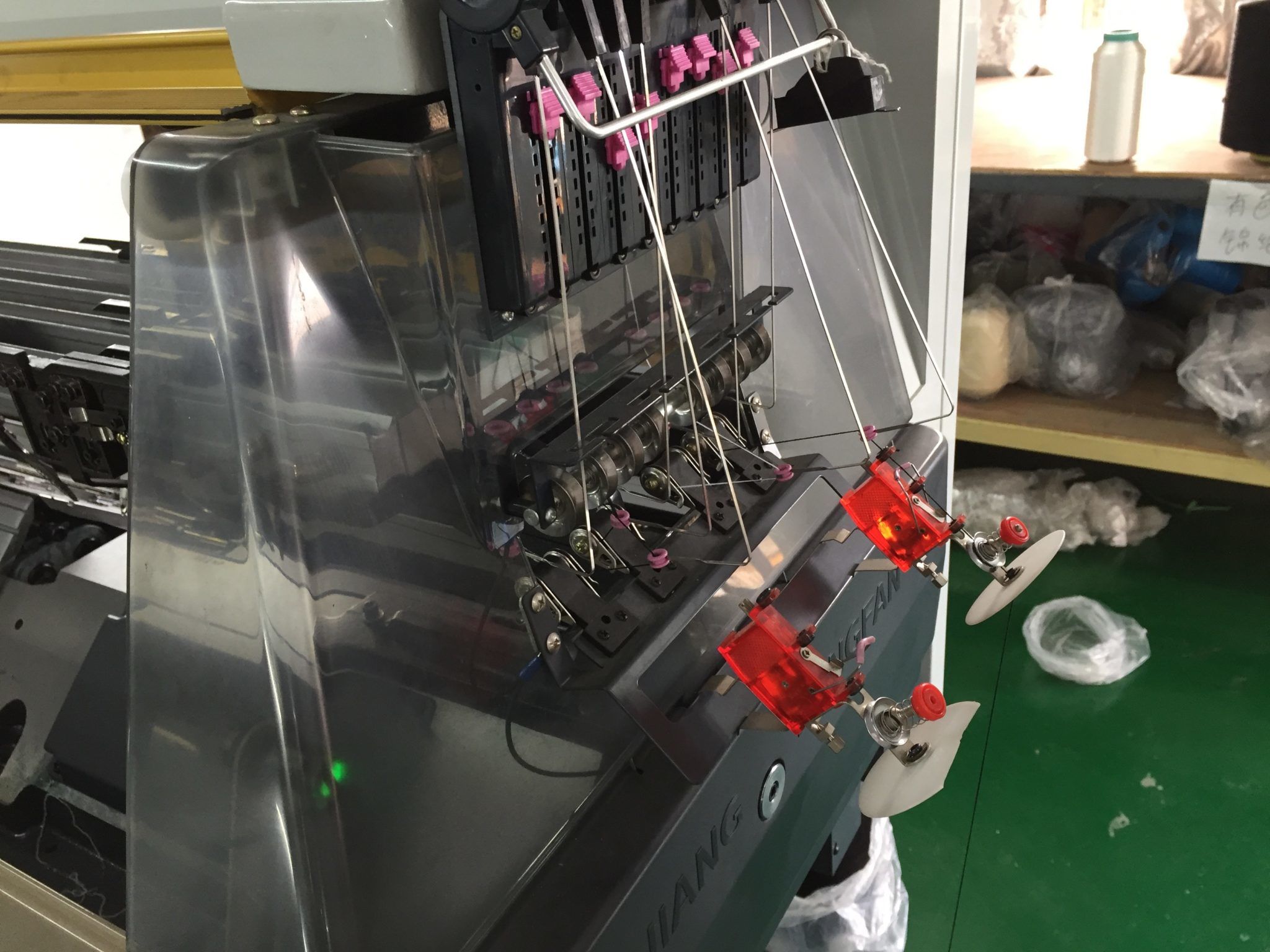
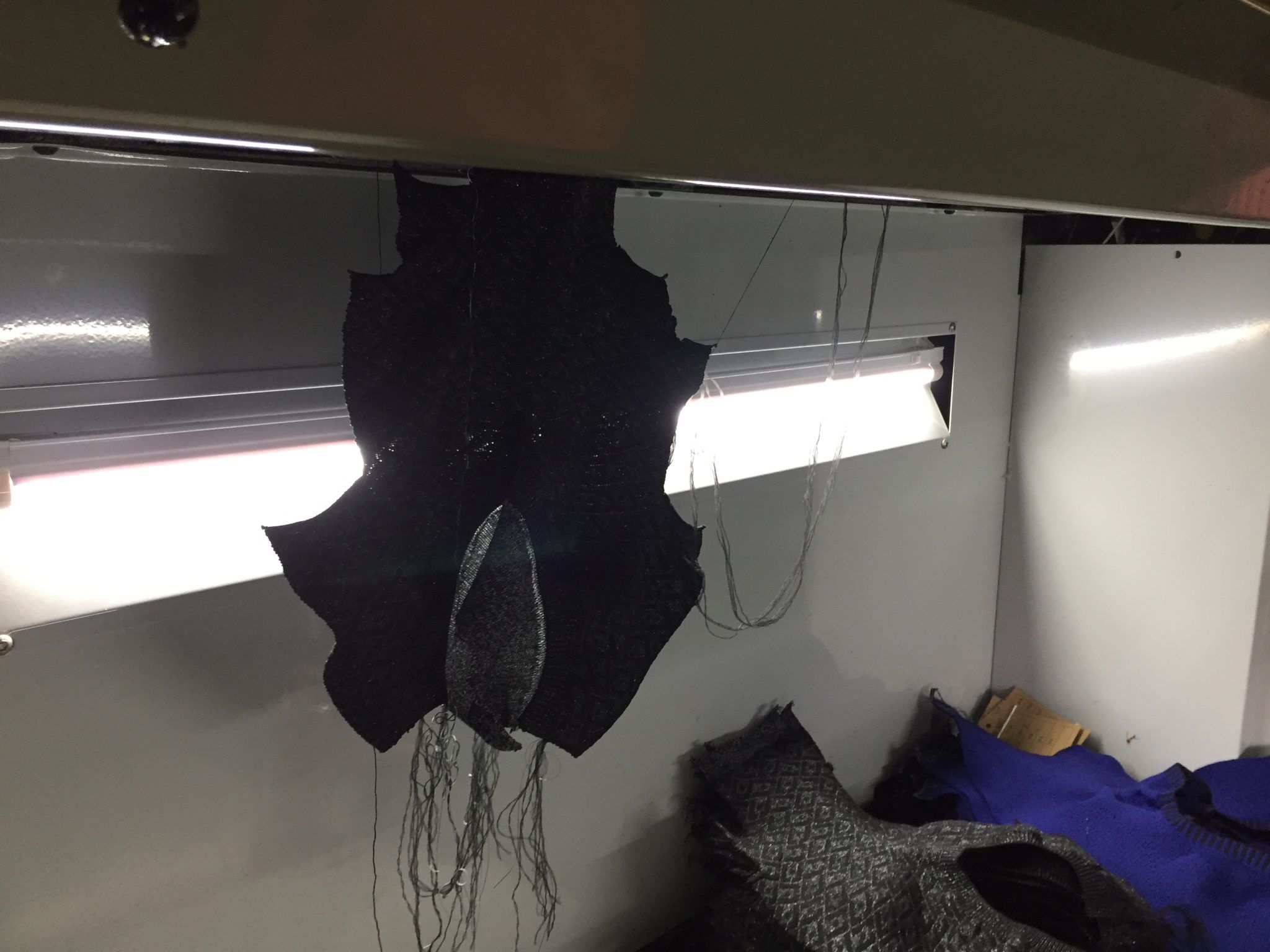
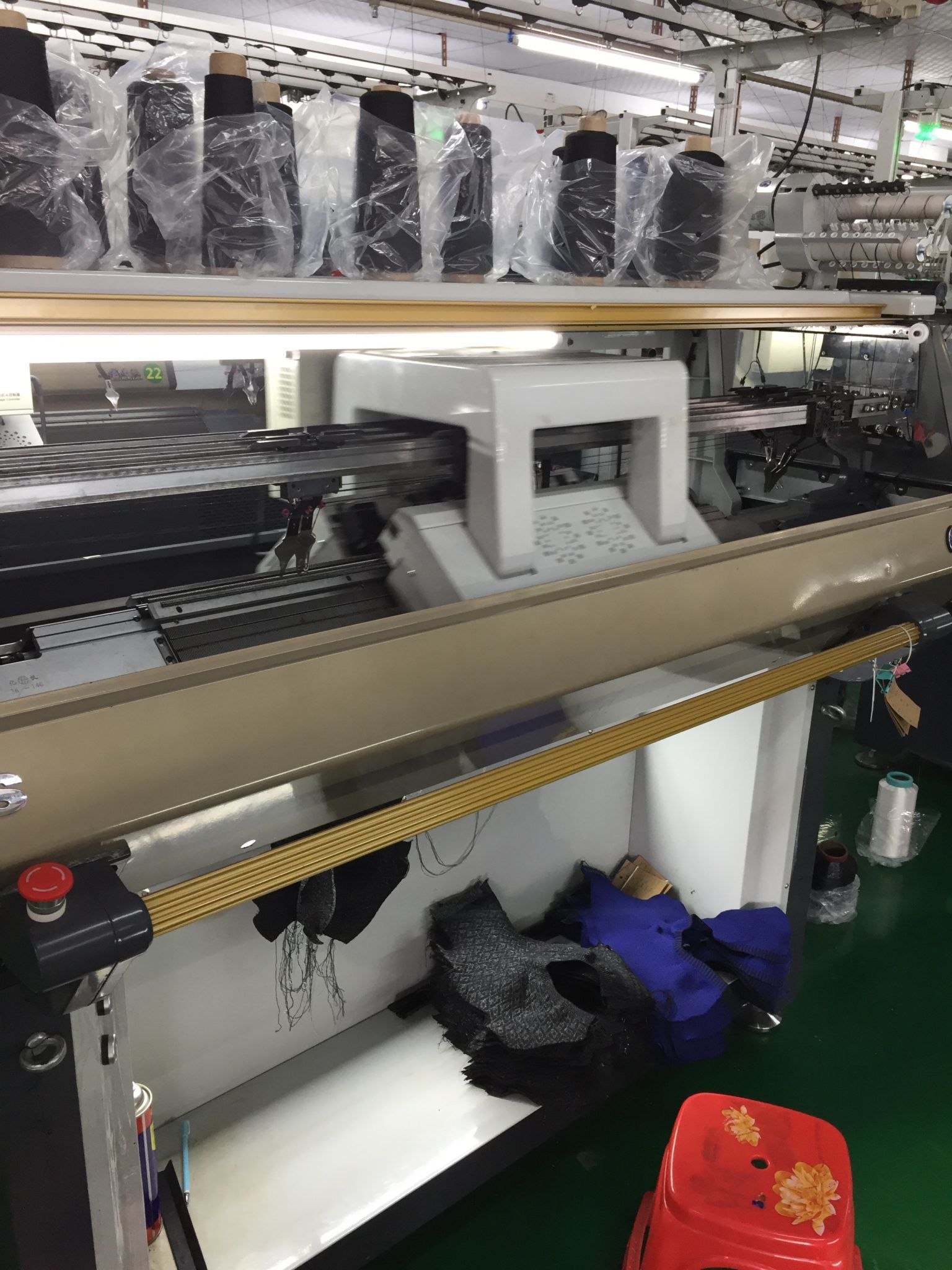
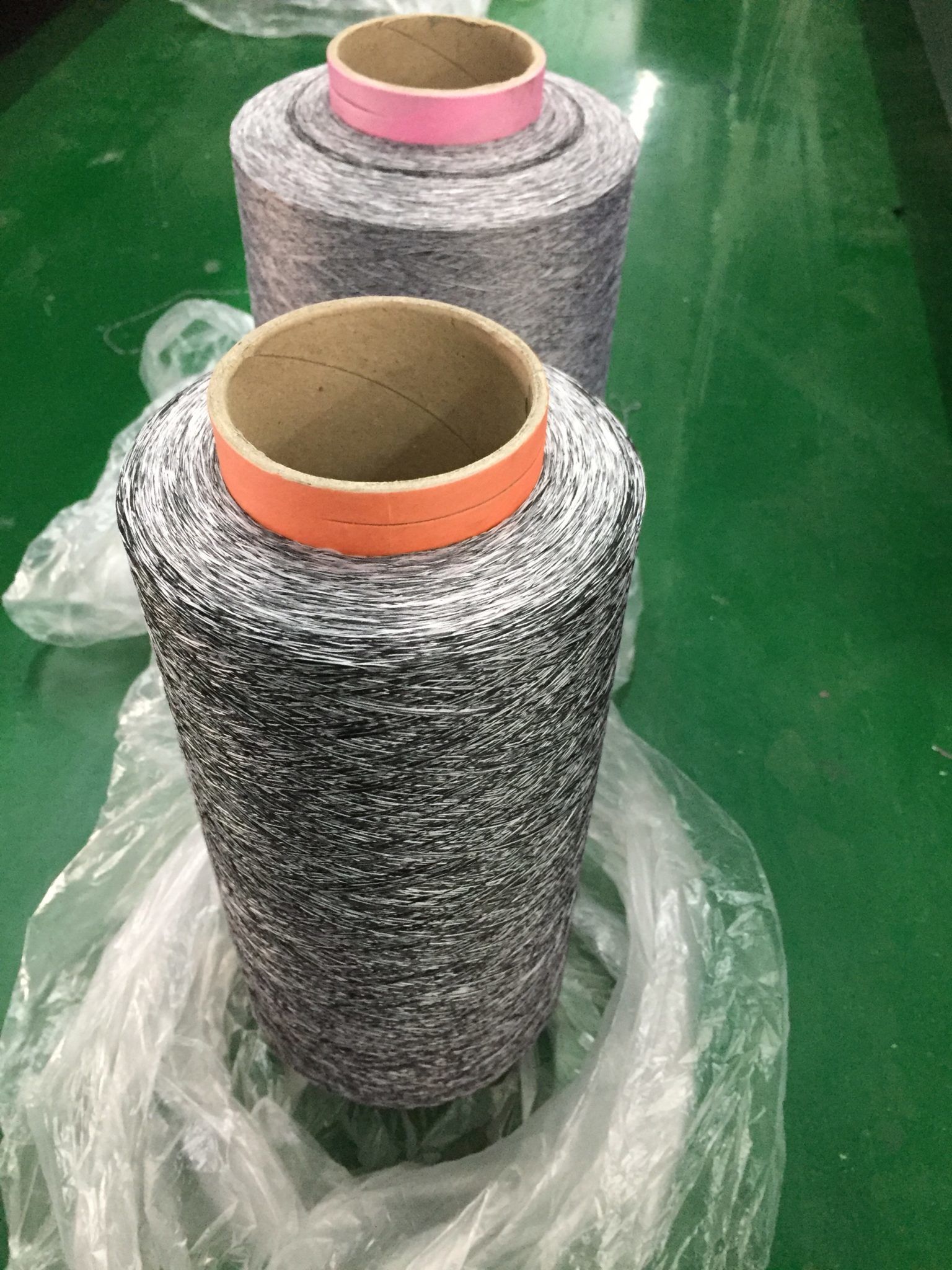
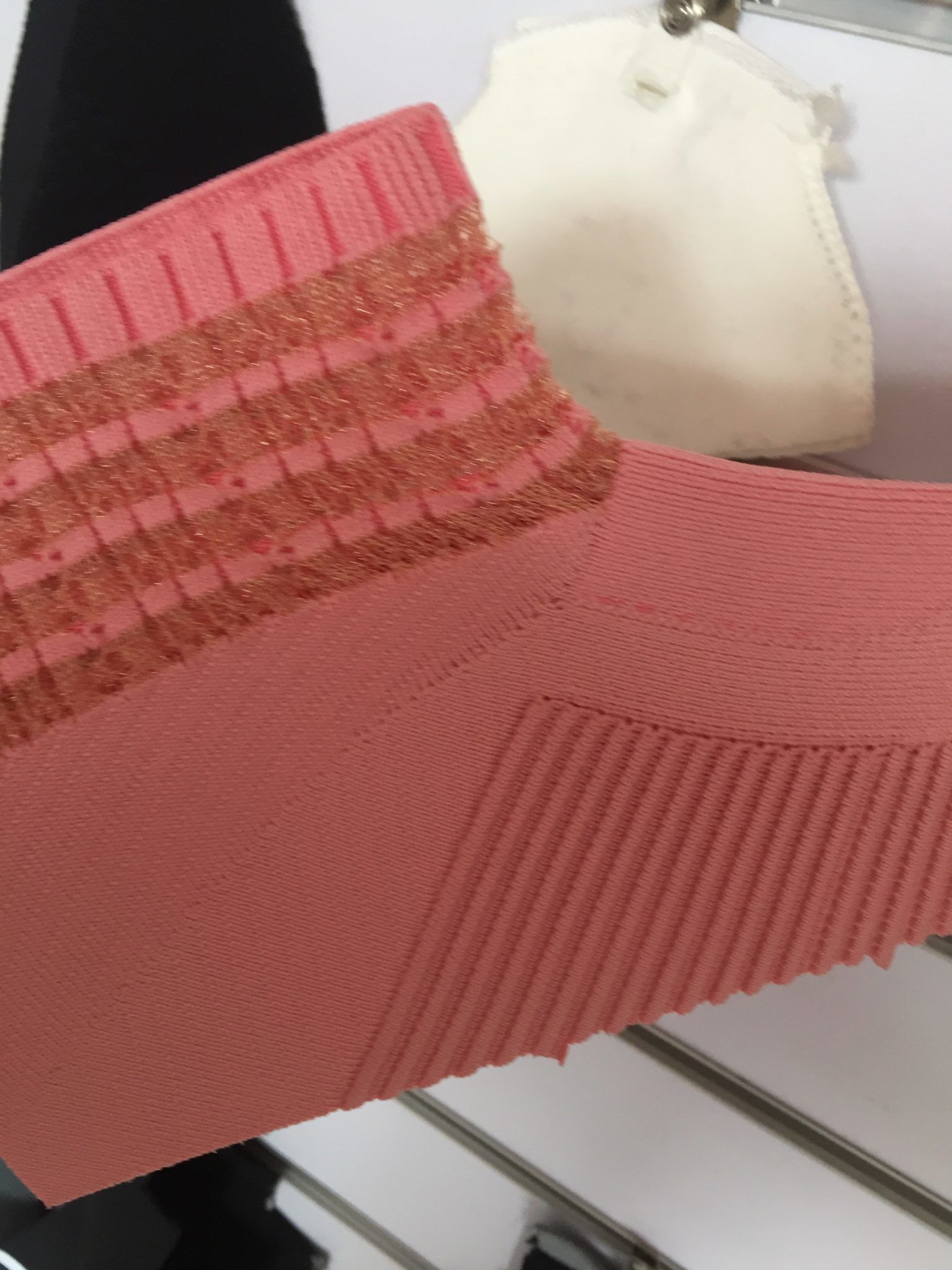
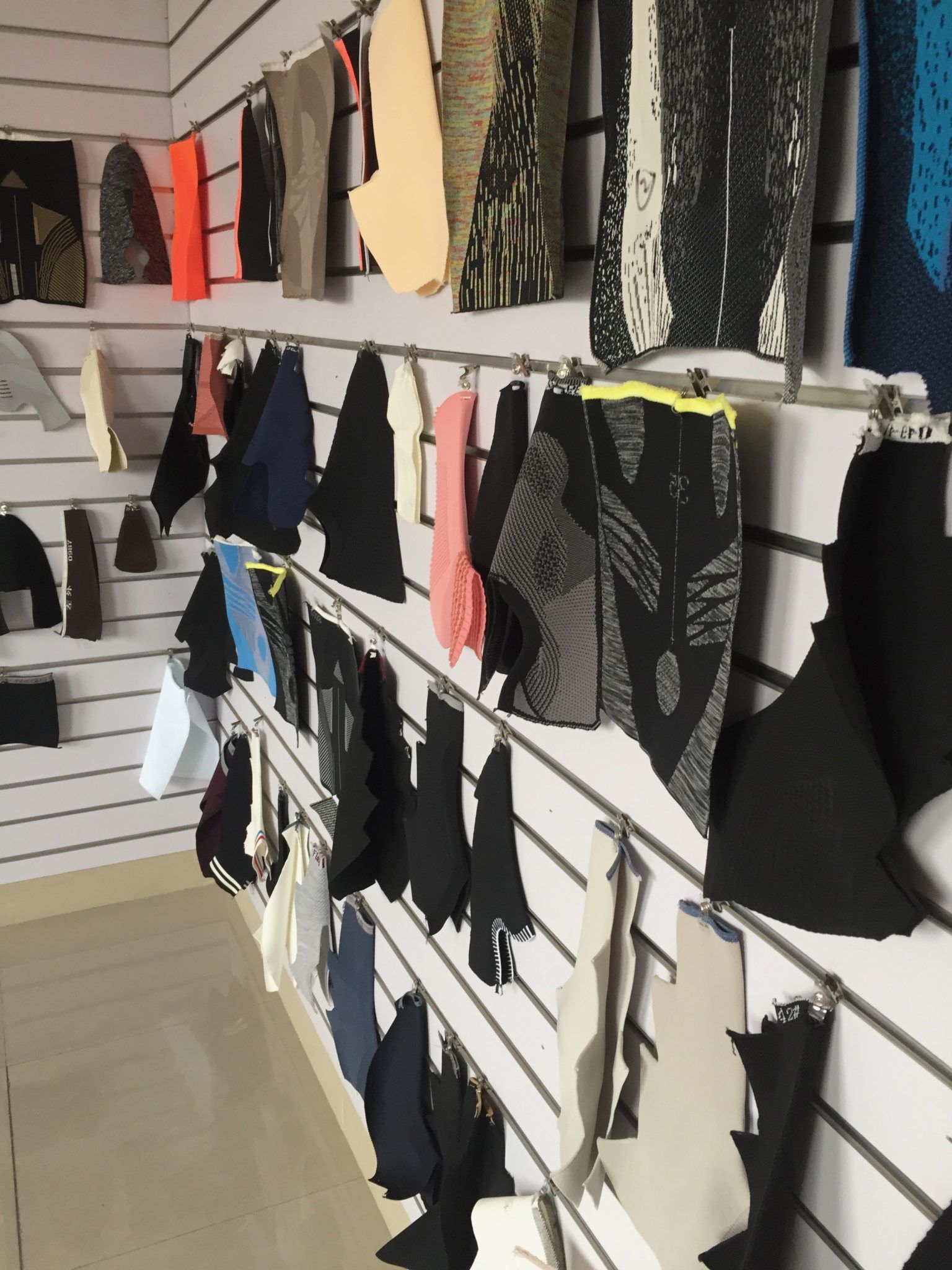
We recently had a chance to tour a busy shoe knitting factory. This small factory has about 60 machines running. The boss has plans to set up 50 more machines this year. Each machine can knit one upper in 10 minutes and the machines run 24 hours per day. A pair of uppers cost between US$3.00 to $8.00.

New Course
How to Select Shoe Materials

14 Shoe material lessons.
Over 4 1/2 hours of video instruction.
In-depth study of leather, textiles, synthetics and plastics.
Material Design Guide Text Book included.
Learn more
enroll now $399

Posted on

The Nike Rules for Shoe Designers

Nike Rules for Shoe design

This internal memo is from the early days of Nike. While not exactly about shoe design, these are 10 Nike rules we as shoe designers can learn from and aspire to. The Nike motto of “Just Do It” is a great marketing slogan but for the shoe design team inside Nike, they made these 10 rules. Of course inside Nike rules are meant to be broken!

1. Our business is change.

2. We’re on offense. All the time.

3. Perfect results count — not a perfect process.
Break the rules: Fight the law.

4. This is as much about battle as about business.

5. Assume nothing.
Make sure people keep their promises.
Push yourselves push others.
Stretch the possible.

6. Live off the land.

7. Your job isn’t done until the job is done.

8. Dangers
Bureaucracy
Personal Ambition
Energy takers vs. energy givers
Knowing our weaknesses
Don’t get too many things on the platter

9. It won’t be pretty.

10. If we do the right things we’ll make money damn near automatic.


https://www.youtube.com/watch?v=Min8JQyyzyI

The Shoe Dog explains what these rules really mean and how they can help you as a footwear designer. 

New Online Course!
Shoemaking for Designers & Brand Builders

Created for footwear newcomers and professionals alike, this course delivers the basic shoemaking knowledge you need to get your career and brand started faster and with fewer costly mistakes. Course Details Enroll Now $99
Online shoemaking course Shoemaking
TextbooksBuy Now
Shoemaking
SuppliesBuy Now
Shoemaking
CoursesCourse Details
Previous slide Next slide
Posted on

¿Cuánto dinero cuesta, realmente, hacer un zapatilla?

How Adidas Makes Shoes

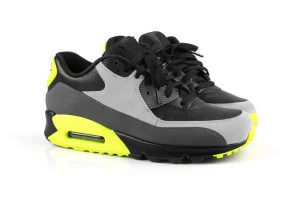
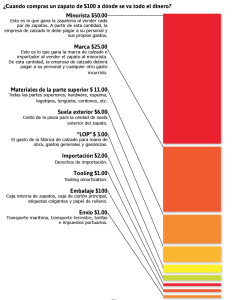
Venga, ¿cuánto dinero cuesta, realmente, hacer una zapatilla? Seguramente Nike debe ganar mucho dinero con sus deportivas tan llamativas. ¿Por qué un par de zapatillas cuestan 100 dólares?, ¿cuál es el coste real de una zapatilla deportiva?

Te explicamos cómo es en realidad el precio del calzado.

How much does it cost to make a Sneaker?

Coste para hacer una zapatilla

Comenzando por unas zapatillas sencillas, el precio de un minorista en EE. UU. Es de 70 dólares. La tienda minorista compra el modelo de la marca de calzado al por mayor a precio de mayorista; el cual, es aproximadamente 35 dólares. Si se trata de un gran minorista, se puede obtener un descuento de entre el 3 y el 5%, o el transporte gratuito.

Y ahí lo tenéis, así de sencillo, la tienda minorista obtiene el 50% del precio de manera inmediata. Pero, también tendrán que pagar a los vendedores, la electricidad, la publicidad y pagar el alquiler de la tienda. También, puede que tengan que poner los últimos pares con descuento. Si la zapatilla se vende muy poco, se tendrán que rebajar muchos pares; cuando llegues a ver algo al 40% de descuento, significa que la tienda no está generando ninguna ganancia, de hecho, después de cubrir los gastos generales, resulta una pérdida para la tienda.

Entonces, ¿cuál es el beneficio que obtiene una marca de zapatillas como Nike? Recuerda que la marca de calzado no es el dueño de la fábrica. De todas las principales marcas de zapatillas, únicamente New Balance tiene su propia fábrica. Entonces, ¿qué pagó la marca por esas zapatillas de 70 dólares?

El coste real

El coste real de hacer una zapatilla de 70 dólares es de aproximadamente 15 dólares.
Una vez que la marca compra el modelo a la fábrica, este deberá ser transportado. La mayoría de los zapatos son enviados por transporte marítimo. El coste de transporte marítimo de China a Estados Unidos es de aproximadamente 0,50 dólares por par. Un contenedor de 12 metros de largo, del tamaño aproximado de un remolque de camión, puede albergar alrededor de 5.000 pares de zapatos. Si multiplicamos 5.000 pares de zapatos por 0,50 del coste de transporte, da un total de 2.500 dólares.

Este precio incluye el contenedor de envío de China a la ciudad donde estemos.

Una vez que la zapatilla llega a nuestro país, deberá importarse legalmente. En el caso de unos zapatos de cuero, el gobierno de EE. UU. exige un arancel de importación del 8.5% del precio FOB (en castellano, Franco a bordo). Por lo tanto, hay que agregar 1,32 dólares al coste. Además, también hay que añadir otros 0,32 centavos para los costes de aduana, y del seguro.

Ahora que las zapatillas se encuentran en el almacén, sabemos que: 15 + 0,50 + 1,32 + 0,32 = 17,10 dólares.

Cómo se fabrican
los zapatos

¿Quieres aprender cómo se fabrican los zapatos deportivos modernos?Una mirada detrás de escena de una
verdadera fábrica de calzado deportivo
Contiene 222 páginas con más de 400 fotos en color
aprende más
Oferta especial

¿Cuánto obtiene la tienda?

Ahora es el momento de venderlo a las tiendas:
35 dólares es el precio al por mayor – 17,10, nos da un beneficio de 17,90 dólares.

 ¿Cómo se elaboran los zapatos?
Pagina 186: ¿Cómo se hacen los zapatos?

En realidad, el precio es menor a 17,10 dólares, ya que el vendedor recibirá una comisión basada en el precio mayorista; normalmente es alrededor del 7%. Esto es un aproximado de 2,45 dólares para una zapatilla de 35 dólares.

Ahora, la ganancia ha bajado a 15,45 dólares por par.

Pero espera, ¿qué pasa si se trata de un gran minorista que pudo negociar un descuento del 5%? Hay que restar otros 1,75 dólares para que la ganancia total se acerque a los 13,70 dólares.

Obviamente, de esos 13,70 dólares, la marca de calzado deberá pagar a los diseñadores, directores de producto, desarrolladores, directores de ventas, directores de marketing, anunciantes, atletas, etc.

Entonces, ¿qué es lo que hace que un zapato cueste 15 dólares?
Deberás saber la anatomía de la zapatilla. En el siguiente párrafo, hacemos un desglose aproximado del coste para hacer una zapatilla deportiva.

What is in the cost of a shoe Cost of Nike shoes

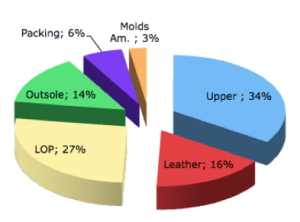
El coste de los componentes en unas zapatillas

El corte de la zapatilla 34%: todo el corte, fornituras metálicas, espuma, logotipos, lengüeta, cordones, etc.

Cuero 16%: las piezas de piel que son visibles en la zapatilla.

LOP 27%: mano de obra, gastos generales y beneficios.

Suela 14%: la base de la zapatilla.

Embalaje 6%: la caja y el etiquetado de las zapatillas.

Amortización del molde 3%: En caso de haber utilizado nuevas herramientas, se podrá pagar a la fábrica por par en vez de pagar las nuevas herramientas de una sola vez.

Patronaje de calzado y diseño de hormas

una guía para principiantes sobre las técnicas fundamentales de la fabricación del calzado. 200 páginas con más de 500 fotos en color
aprende más
Oferta especial

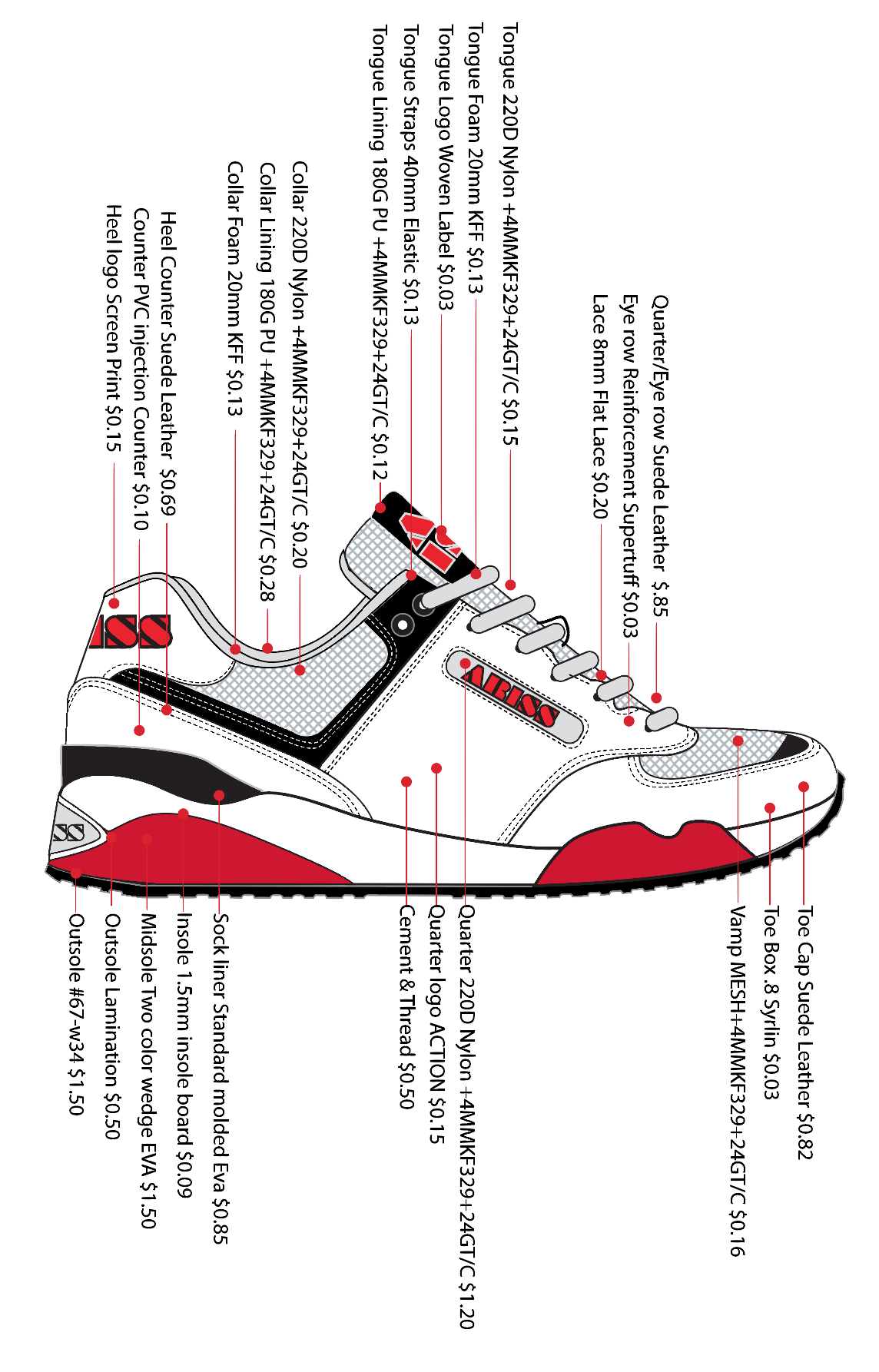
Escandallo

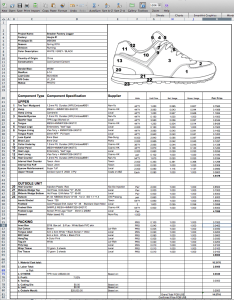
Una vez confirmado el diseño de las zapatillas, la fábrica tomará las fichas técnicas y detallará el coste individual de cada uno de los componentes. A esto se le conoce como escandallo, u hoja de cálculo de coste.

Esta hoja incluirá cada componente de la zapatilla, incluyendo la caja, el papel de relleno, el paquete de gel de sílice, las etiquetas, etc. Todo lo contenido en la caja de zapatos deberá incluirse.

Cada artículo se enumera con su coste por unidad y lo necesario para fabricar cada pieza. También se agrega el porcentaje de desperdicio. El porcentaje de desperdicio o pérdida en el corte, es la cantidad de material sobrante una vez que todas las partes son cortadas.
Sí, también hay que pagar por las partes que se desechan. Por ejemplo, para el tejido de malla, el desperdicio es muy pequeño, menos del 5%. En el caso del cuero utilizado para un zapato de una marcapremium o de lujo, la fábrica no puede utilizar ninguna parte de piel que contenga cortes o las cicatrices del animal. En este caso, el desperdicio puede ser de hasta el 20%.

Después de incluir el porcentaje de uso y de desperdicio, se verá el coste total por pieza.

Una vez detallada cada pieza, los técnicos de coste podrán verificar el precio del material para cada parte y medir el uso de viable para la fabricación. Este trabajo puede llevar mucho tiempo, pero si la tirada de producción es de 500.000 pares, cada centavo cuenta. Un técnico de coste hábil puede ahorrar miles de dólares, incluso más que su propio salario.

shoe Factory Costing Sheet

Escandallo de las zapatillas

Las piezas de las zapatillas se enumeran a la izquierda con una breve anotación del material utilizado.

En el lado derecho se escriben los cálculos del coste que hace la fábrica por cada par de zapatillas. En este caso, el primer componente es la puntera. Está hecho de serraje, a un precio de 1,25 dólares por pie cuadrado.

El zapato requiere aproximadamente 0,95 pies cuadrados para hacer el par. Al cortar la pieza de la puntera, el 10% se desecha, haciendo que el coste de la pieza de la puntera sea de 0,8177 dólares por par.

Esta hoja de coste es una herramienta fundamental para el desarrollador y el diseñador de calzado, especialmente si diseñan un modelo que deba cumplir con un precio previamente marcado.

descargar cuatro libros de zapatería

“Cómo se hacen los zapatos”

“Guía para el diseño de materiales de calzado“

“Cómo empezar tu propia empresa de calzado“

“Patronaje de calzado y diseño de hormas”

aprende más
Oferta especial

Posted on

How to Become a Shoe Designer: 10 Steps

One of the most often asked questions we get at Shoemakers Academy is “where do I start?” We meet so many aspiring shoe designers looking to learn, improve, and advance their skills in order to find gigs and careers in footwear design. You want to design shoes for a big brand like Nike, Adidas, Converse, Puma, or Vans. You have dreams of making it big. You are not sure where to start. This article is for YOU.  
You can do it!

You can draw shoes

I’m going to be totally honest with you, landing a shoe design job at a top brand is difficult, but if you work hard and don’t give up you can get into the business. Don’t be afraid to start your professional shoe design career with a small company or work as a freelance designer. I landed my first shoe design job as a freelancer after spending four months unemployed. While searching for a job I spent over 50 hours a week drawing shoes.

10 steps toward your goal to be a shoe designer:

Learn to draw shoes…

1. Learn to draw shoes and everything else:
If you want to be a professional shoe designer, of course, you need to learn how to draw shoes. This will be your language, you need to know it well. Your shoe drawings are how you communicate your ideas. You have to be good, and your drawings need to show your passion and creativity to others. In a design meeting, the drawing that captures the imagination but also shows real possibilities will be the design that makes it all the way to production!

You need to master concept sketching and some rendering skills. Do you think hand drawings are old-fashioned? Think again. Check out the Render Demo series of books and videos. Pro tip: Make sure to spend time drawing outsole bottoms and midsoles. A designer that can draw outsoles will always be in demand. Work hard to draw shoes that are fresh, creative, and break the rules of shoemaking, however, you also must show that you know and understand the rules of shoemaking.

2. Go to school:
There are more and more school programs for shoe design and fashion design. Is a 4-year design school a must for shoe designers? Maybe not, but the skills and experience gained from a 4-year college or design school will really give you an edge. There are many great programs for Industrial Design or ID. Industrial Design is what you are looking for, NOT engineering. ID programs include classes on materials, drawing, human factors, etc…  In design school, you will work with many creative people and you will definitely be challenged. Design school will help you to become a shoe designer. 
We have new courses for all levels for shoemakers and designers. See Courses


You Can Design Shoes!

Aspiring shoe designers start here! How Shoes are Made is your entry into the world of modern shoe making. Tour a real shoe factory and learn the process from design to manufacturing.
Learn more
Download $19.99

Find a footwear mentor…

3. You will need a shoemaking mentor:
I have been very lucky in my shoemaking career. Along the way, I have met and worked with many great people. If you are not afraid to ask questions, and patient enough to listen, you will learn a ton from mentors and coworkers. I guarantee that while working in the shoe trade you will meet people from all around the world with many different experiences. I count a Canadian, an Englishman, and many Korean and Chinese men and women as my great friends and mentors in the shoe trade.

4. Learn computer drawing software: Start with Adobe Illustrator
There are many drawing programs you can use. Adobe Illustrator is easy to learn and is a great tool for refining and detailing your designs. While Illustrator is not a 3D CAD program, it’s still critical for you to master. If you are an engineer, use 3D modeling software. As a designer, you should start with Adobe Illustrator for drawing shoes. 

5. Build a great shoe design portfolio to get a foot in the door:
There are many ways to get noticed and get started but a great shoe design portfolio is your launching point. In this day and age, an online portfolio is a must. With an online portfolio, you can show hundreds of drawings. Let people see what you can do! Other tools? Surfing LinkedIn.com can get you some contacts. Reach out to footwear professions online, ask for a portfolio review. There may not be an open job, but feedback on your shoe designs can help!

PRO TIP:
Check out Nike’s online career website at jobs.nike.com. Nike and Converse combined currently have more than 1700 open positions. More than 200 of them contain the word “Footwear.” They also offer paid summer internships around the world in many fields of study.

Start Building Your Brand

A must-have for anyone serious about launching a footwear company. 4 text books, shoe business documents and downloadable content not available anywhere else! The Shoe Company Start-Up Pro Pack is all you need to get your shoe business off the ground.
Learn more
Download Today

Study

6. Study the classic sneakers:
Study the classics. Not the masterworks of Italian painters but classic shoes. Learn the modern history of shoes. There are many good books out there. Get to know the classic silhouettes from the big brands. Don’t be afraid to stand on the shoulders of the shoe giants! Study fashion shoes, sports shoes, and brown shoes. All of these types have unique shoemaking lessons!

7. Fill your mind with great designs:
To be a great shoe designer you need to look well beyond shoes. There is a multitude of great industrial designs out there. Fill your mind with images – Ferrari, Prada, Frank Gehry, Philippe Starck, Apple, Porsche, etc. There are many websites where you can see brilliant modern designs for products aside from shoes. Fill up your brain, and let your eyes drink up this design stew.

8. Books   Books   Books:
I have collected dozens of design, design history, manufacturing, architecture, branding, and packaging design books. Surround yourself. If I have a design problem I can’t solve, I just dive in and start flipping pages. The answer is always inside, you just need a new way to let it out. There are many good shoe design books for beginners.

9. Cut up old shoes:
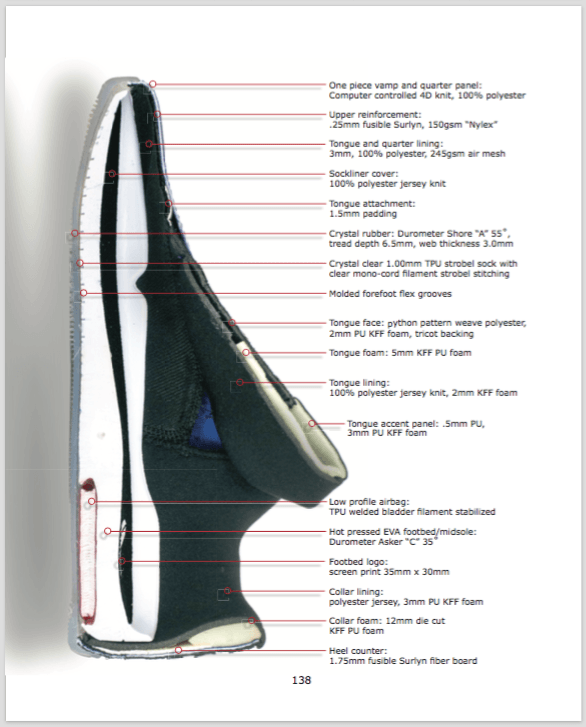
You need to see how shoes are put together. Learn the hows and whys of shoe assembly. Brands like Nike and Adidas have masterminds of shoemaking at work, you can learn a lot by looking inside their shoes. You can see “inside” a variety of shoes that we have cut up and analyzed (including Nike and Vans) in our book, the Shoe Material Design Guide. A great drawing of a shoe that cannot be manufactured will never make it off the page. A stunning new shoe design that challenges your development team can be a winner. Invest in this book, it’s highly recommended.

Take chances

10. Fortune favors the bold: 
Take chances! Your shoe designs should pursue perfection no matter what kind of shoe it is. Do something new and different. Work hard to understand shoe design challenges, then attack from a new direction. Find a new material for your shoe design, use an old material in a new way. Visit the shoe factory and see what they can do, see what they can’t do. Don’t take no for an answer!

You can be a shoe designer. It takes a passion for product design and imagination to see something that can be. For me, this is the best part of being a shoe designer, seeing the future in my mind and working to create it.

New Course!
Shoemaking for Designers & Brand Builders

Created for footwear beginners and career changers alike, this course delivers the basic shoemaking knowledge you need to get you career in the shoe trades started.
Learn more
On sale $99