Posted on

How much does it cost to make a sneaker?

Shoe Production Price

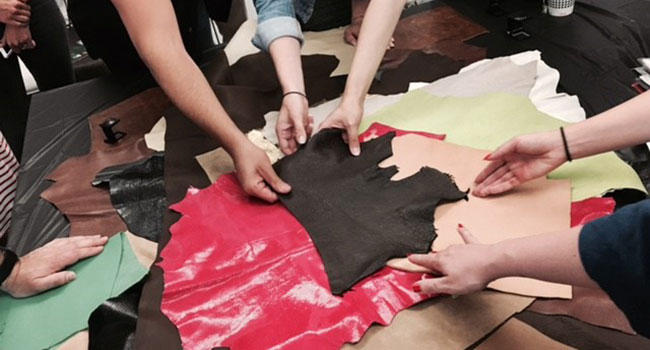
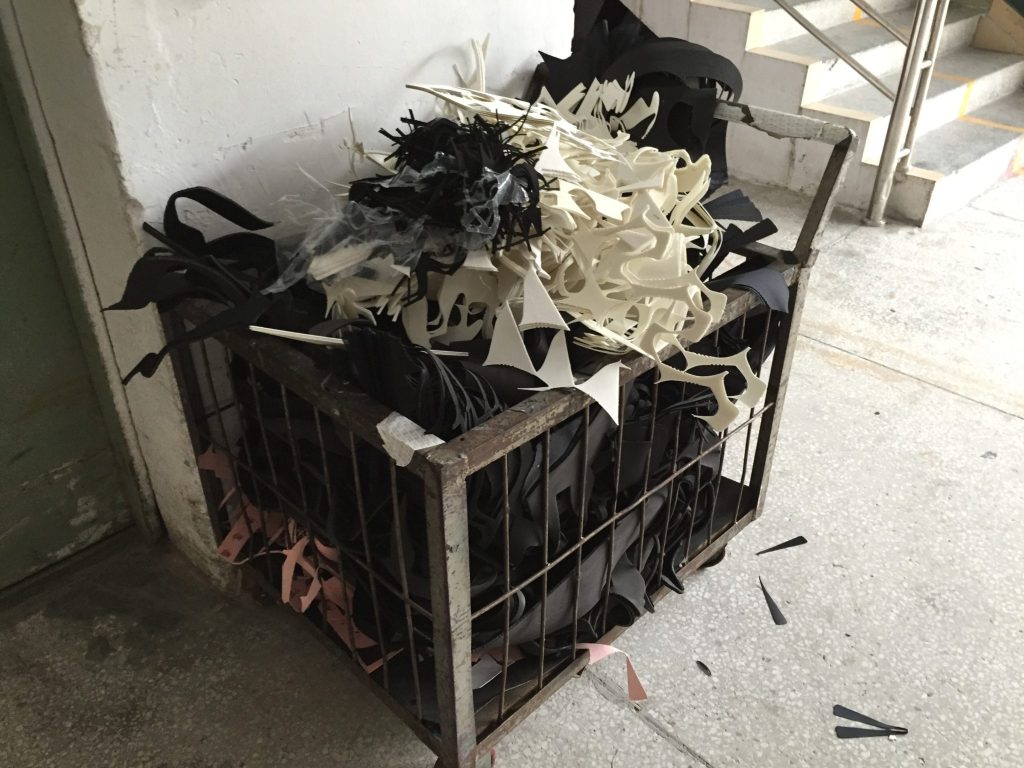
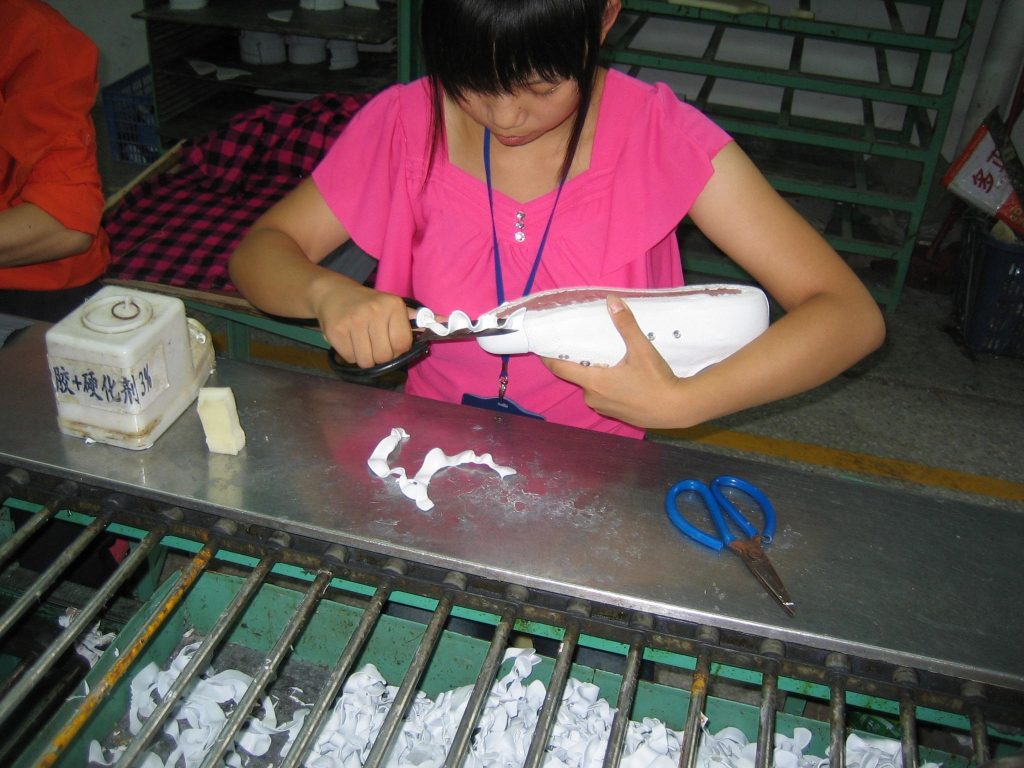
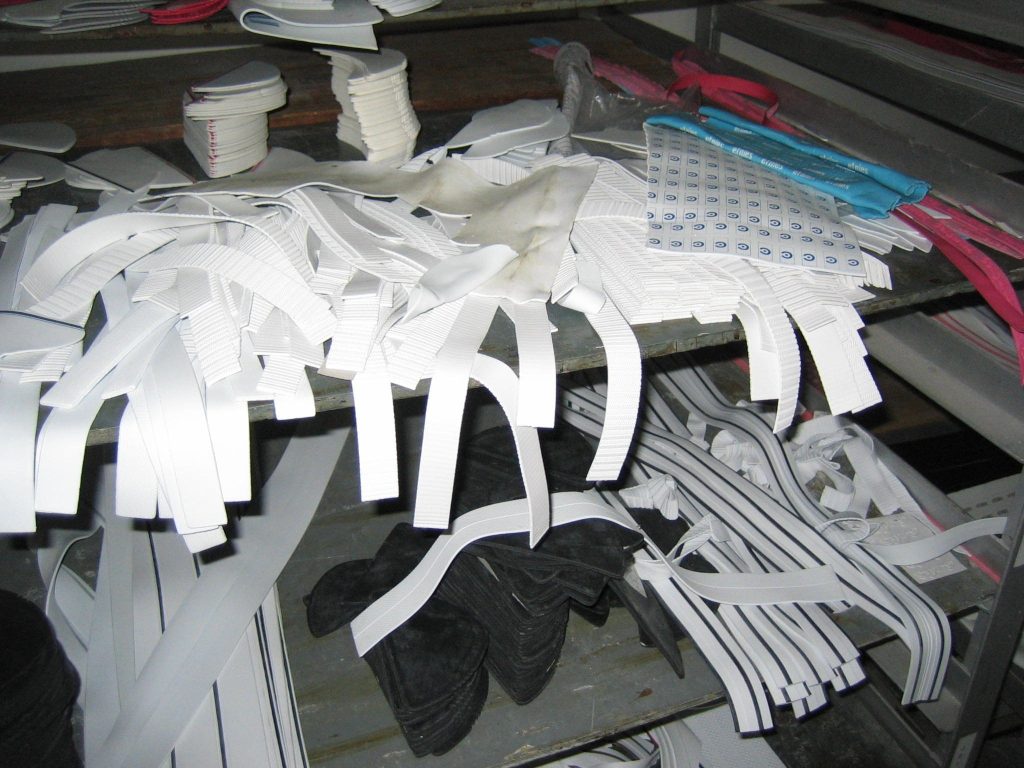
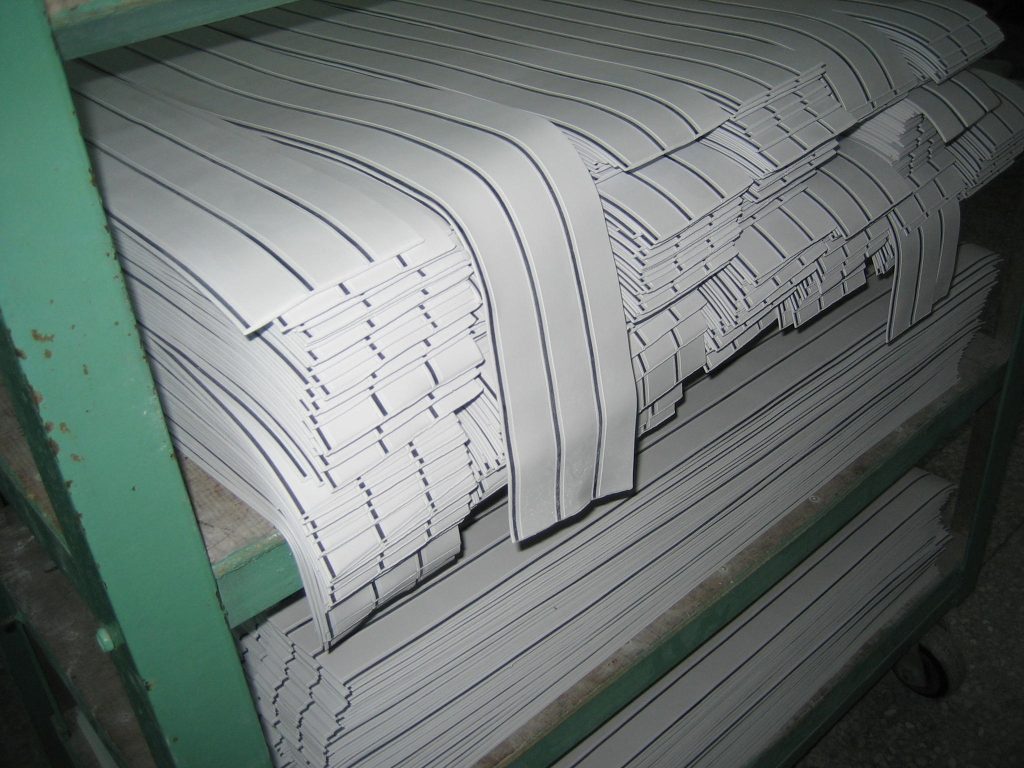
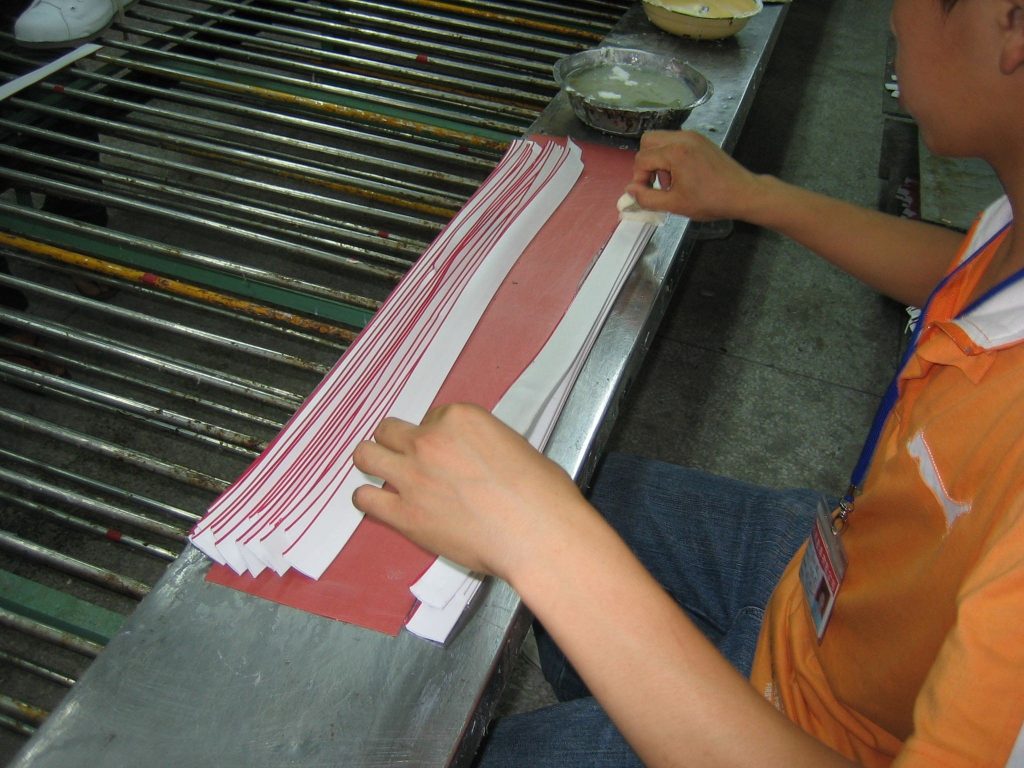
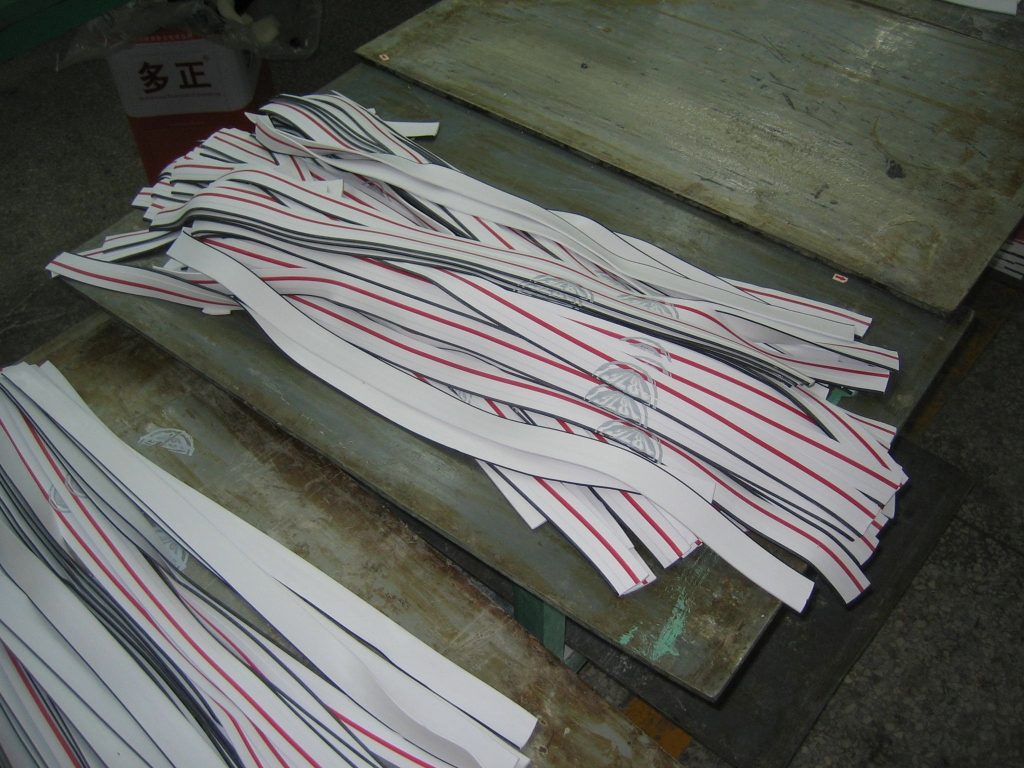
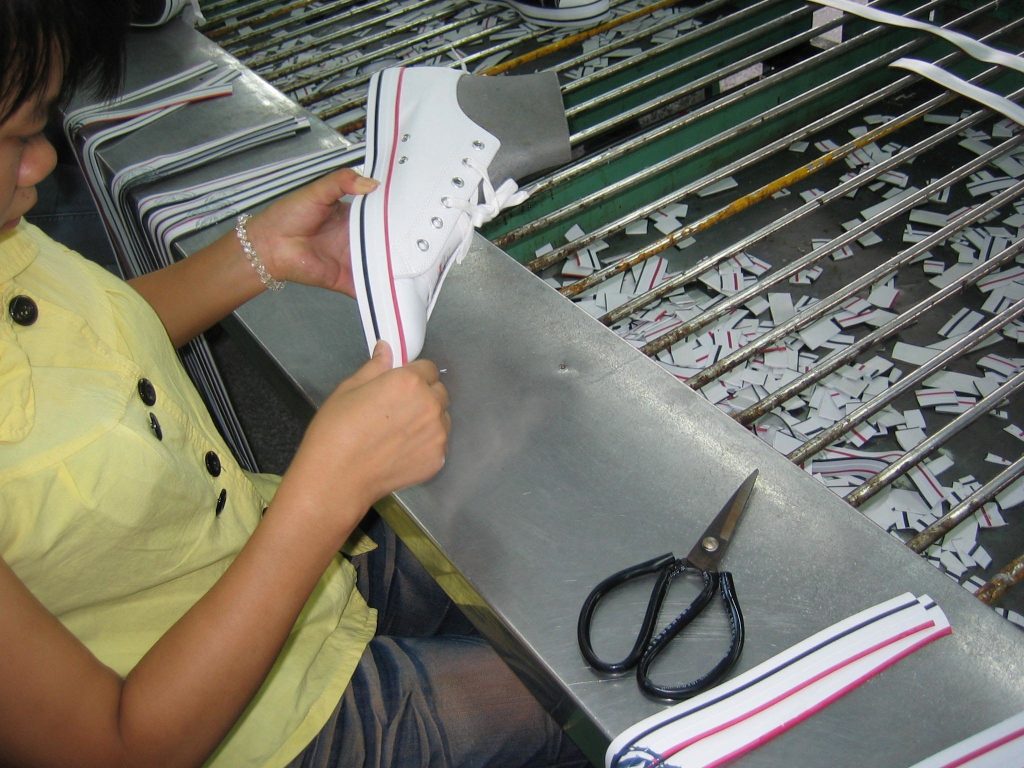
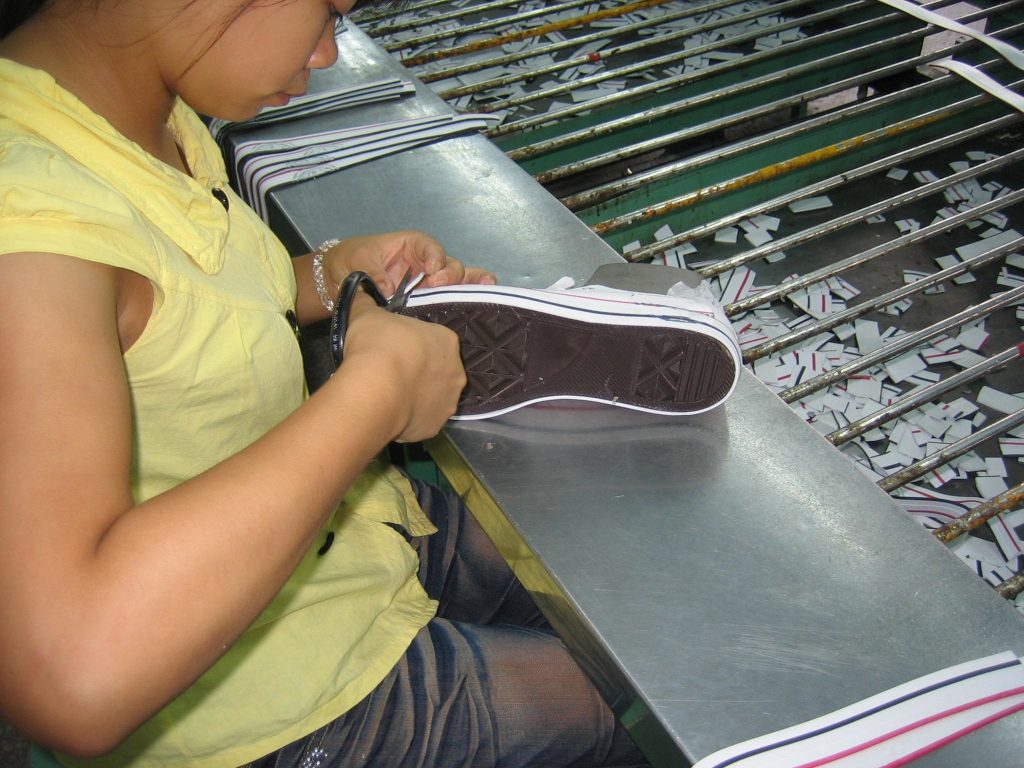
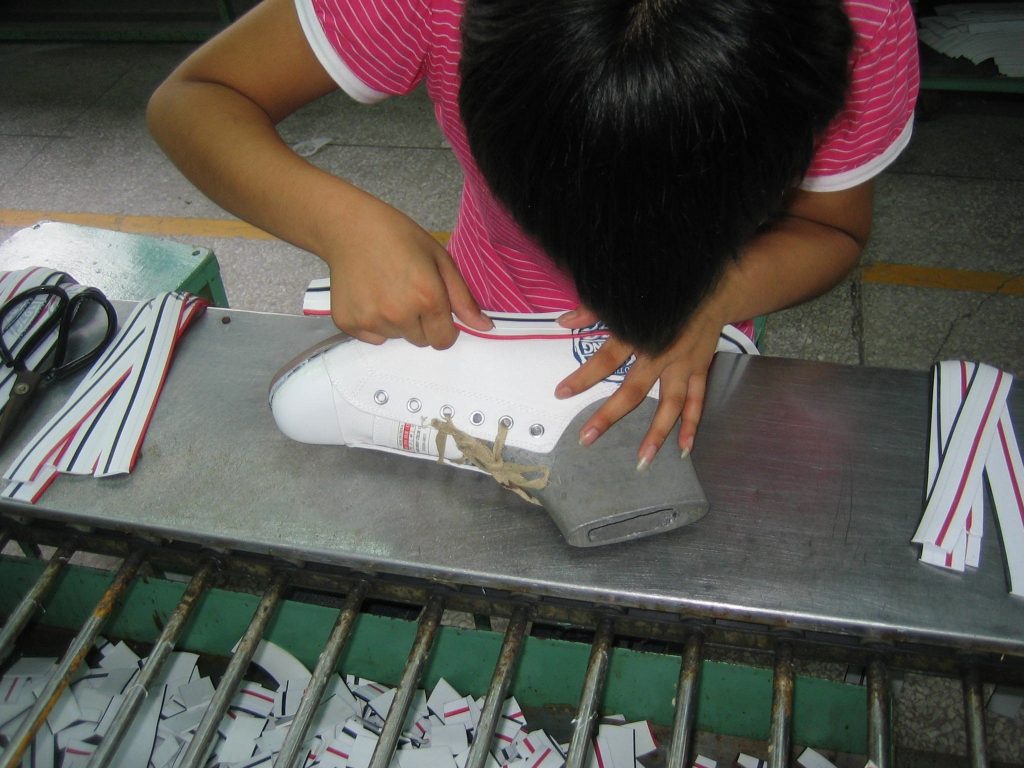
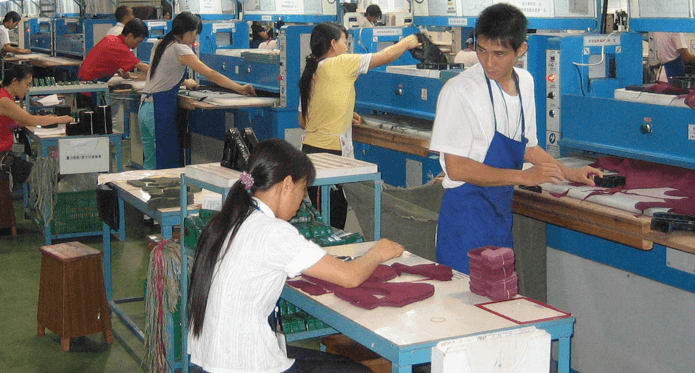
Shoe Parts being cut

Come on, how much does it really cost to make a pair of sneakers? Nike must be making big bucks on those flashy sneakers. Why does it cost $100.00 to buy a shoe? What’s the actual cost of a sneaker?
Here is how shoe pricing really works.


If you are looking for information about the costs to design, develop and build shoes READ MORE HERE


The cost to make a pair sneakers
How much does it cost to make a Sneaker?

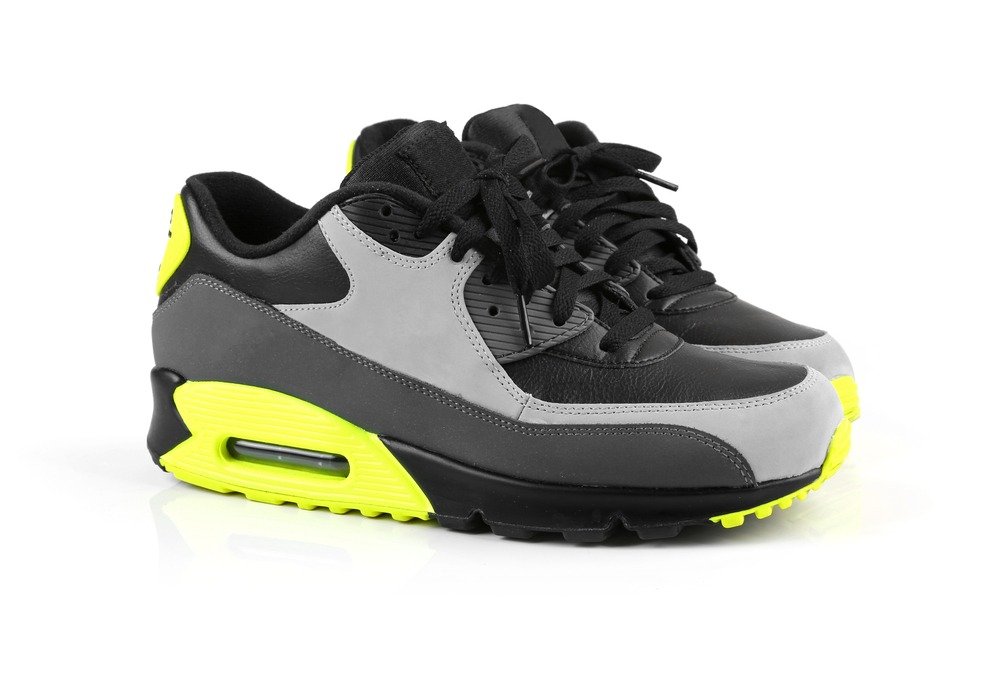
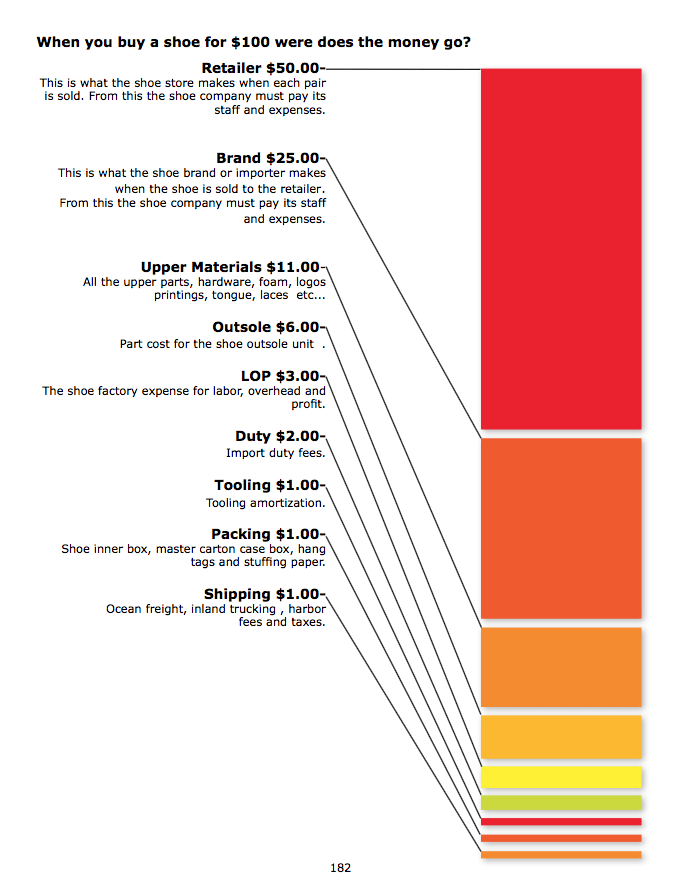
Starting with a basic sneaker: US retail price $70.00.

The retail store buys the shoe from the shoe brand in bulk at the wholesale price, which is about $35. If this is a big retailer they may get a 3-5% discount or free freight.

There it is!  BAM!  The retail store takes 50% of the price right away.  But, then they have to pay the employees, keep the lights on, advertise, and pay the rent. The store may also have to put the last few pairs on sale. If the shoe is a slow seller, many of them may go on sale. When you see a “40% off sale” that means the store is not making any money, in fact, after covering the overhead, it is a loss for the store.

Okay, what share does a shoe brand like Nike get? Remember, the shoe brand does not actually own the shoe factory. Of all the major sneaker brands, only New Balance has its own shoe factory. So, what did the brand pay for that $70.00 shoe?

New Online Course
How much does it cost to
make a shoe?

Step-by-step how to create and analyze footwear costing sheets. 5 shoe cost calculation lessons. Over 1 1/2 hours of video instruction. Course Details enroll now $149

How To Make Shoes
DIY Kits Complete!

We put it all together for you. DIY Build Kits include your choice of material, size, color, step-by-step written instructions. Learn how to assemble shoes Check It Out! you can do it!

The real cost to make shoes

The real cost to make a $70.00 shoe is about $15.00.
Once the brand buys the shoe from the factory, the shoe needs to be shipped. Most shoes are shipped by ocean freight. Ocean freight from China to the USA is about $.50 per pair. A 40-foot shipping container, the size of a semi-truck trailer, holds about 5000 pairs of shoes. 5000 X $.50 = $2500.00

That price will get a shipping container from China to California.

Once the shoe arrives in the USA it must be legally imported. In the case of a leather sneaker, the US government requires an import duty of 8.5% of the F.O.B. price. So, add $1.32 to the cost. Also, add another $.32 for customs and insurance.

Now the shoe is in the warehouse: $15.00 + $.50 + $1.32 + .32 = $17.10

What is the shoe store profit?
How much does it cost to make a Sneaker?

Next, it’s time to sell it to the stores:
$35.00 wholesale price – $17.10 = profit of $17.90

Actually, the profit is less than $17.90. The salesman gets a commission based on the wholesale price, usually about 7%. That’s about $2.45 on a $35.00 dollar shoe.


Now the profit is down to only $15.45 per pair.

But wait, what if this is a big retailer that negotiated a 5% discount? Take off another $1.75 to make the total profit about $13.70.

Of course, from that $13.70 the shoe brand has to pay the designers, product managers, developers, sales managers, marketing managers, advertisers, athletes, etc…

So, what makes a shoe cost $15.00? You need to know the anatomy of the shoe. Here is a rough break down of the cost to make a sneaker.

The cost of shoe parts
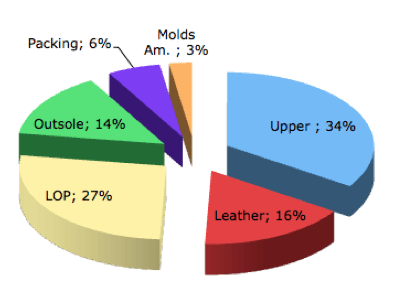
Shoe Production Price

Shoe Upper 34%: All the upper parts, hardware, foam, logo printings, tongue, laces, etc…

Leather 16%: The leather outer of the shoe

LOP 27%: Labor, Overhead, and Profit

Outsole 14%: The shoe bottom unit

Packing 6%: Shoebox, case box, and hang tags

Mold Amortization 3%: If there is new tooling it can be paid to the factory per pair instead of buying the new molds all at once.

Step by Step Guide
Footwear Brand Building

Learn in-depth about the costs to make a shoe and the rules for importing footwear. Check out How To Start Your Own Shoe Company. 195 pages, 330 color photos. Buy Now On Sale $39.99

The footwear costing sheet

Once the shoe design is confirmed, the factory will take the specification sheets and detail the cost of each line item. This is the costing sheet.

The costing sheet will include every part of the shoe, including the packing box, stuffing paper, the silica gel pack, hang tags etc. Everything in the shoe box must be listed.

Each item will be listed with the cost per unit and the usage to make that part. The waste percentage will also be added. The waste percentage, or cutting loss, is the amount of scrap material left over once the parts are cut.

Yes! You have to pay for the scrap that is thrown away. For mesh fabric the loss is very small, less than 5%. But in the case of fine leather for an expensive shoe, the factory can’t use any leather with cuts or scars from the animal. The cutting loss can be up to 20%!

After listing the usage and waste percentage you will finally see the total cost per part.

With each part listed, the costing technicians can check the material price for each part and measure the material usage. This is time-consuming work, but if the production run is 500,000 pairs, pennies can add up fast.  A diligent costing technician can save many thousands of dollars and more than their entire salary.

Shoe costing sheet
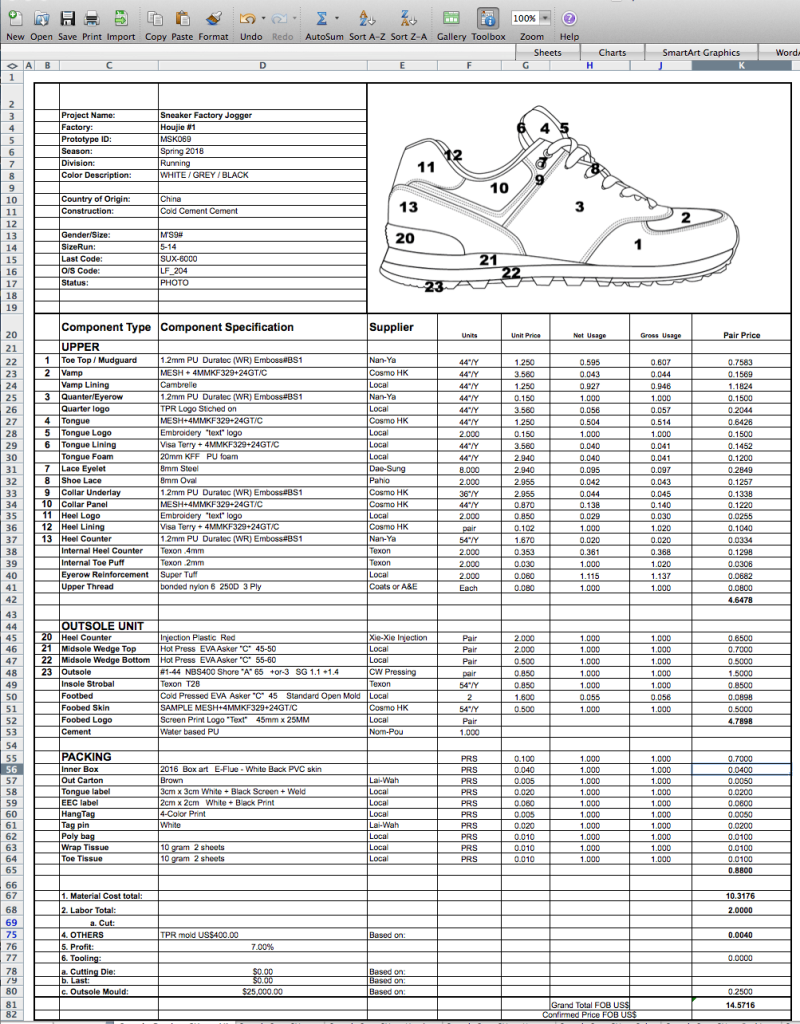
How much does it cost to make a shoe

The shoe parts are listed on the left with a brief note of the material spec.

To the right side is the factory costing calculations per pair. In this case, the first component is the toe cap. It’s made of suede at a price of $1.25 per square foot.


The shoe requires .950 sq. foot to make the pair. When the leather is cut, 10% is lost to waste. The total for the pair of suede toe caps is $.8177.
A costing sheet is a critical tool for the shoe developer and designer if they are designing a shoe to meet a price.

Start Your Shoemaking Career

Expand your skills and knowledge in modern shoe design, manufacturing, and sourcing with our online masterclass. We offer over 125 footwear lessons for all levels, taught by experienced professionals. Access 24 hours of on-demand video instruction and bonus materials including five shoemaking textbooks. See Course Details ALL ACCESS PASS
Posted on

The sneaker course: design, pattern making, and prototyping

The sneaker course: design, pattern making, and prototyping

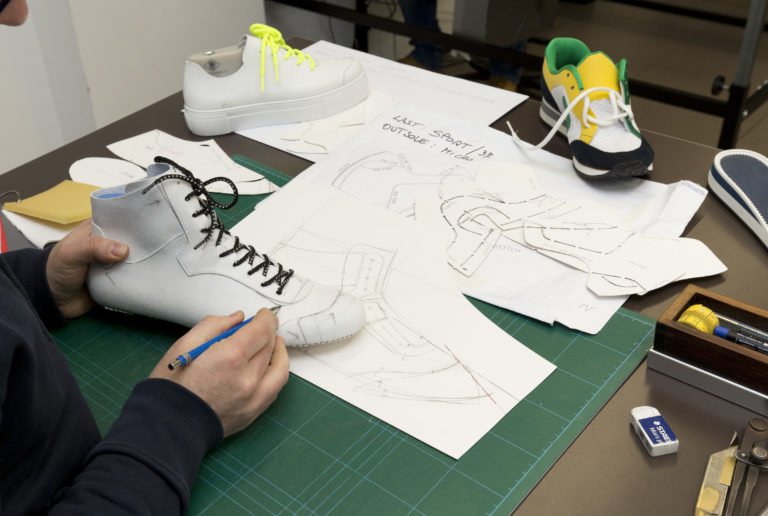
Starting in the summer of 2019, Arsutoria Shoemaking School is launching a new month-long course in sneaker design.

The sneaker course: design, pattern making, and prototyping.
This 4-week course is offered in Milan, Italy. You will also learn the history of the sneaker, production in the Far East, sneaker marketing and branding, patternmaking for fashion and athletic products, hand drawing and rendering with markers, making of sneaker prototypes in the laboratory, and the new trend of knitting.

For information and applications check out
The sneaker course: design, pattern making, and prototyping

Posted on

The Arsutoria Shoemaking Workshop in Los Angeles

Learn To Make Shoes

Classic Sneaker Build Class

When: Saturday September 21st & Sunday September 22nd
  10:00am – 4:00pm
Where: The Gavica Studio   
5277 Alhambra Ave Los Angeles CA

Your instructors will be Professional Sneaker Customizer
 Erik Gavica and Wade “The Shoe Dog” Motawi.
We will get you started on your own personal shoemaking journey.

Shoemaking Beginners Start here!
 All of the shoemaking equipment is provided.

Just bring your creativity. Ages 15 to 115 are welcome!

Sign Up for Your Course

The Arsutoria Shoemaking Workshop in Los Angeles

Many aspiring shoemakers dream of visiting Italy to study shoemaking from the masters of the trade but finding the time and the money to do this can be difficult. Luckily for us, our friends at the Arsutoria school in Milan, Italy are coming to the USA. If you live near Los Angeles, New York, or Boston, you can join a weeklong shoemaking workshop taught by veteran shoe masters.

My friend Paolo Marenghi, a senior instructor at the Arsutoria school in Italy, invited me to visit his class in Los Angeles. The five-day course covers pattern making, fitting, sourcing, costing, and lasts. Paolo teaches in conjunction with two other super shoe dogs, Roy Russo, and Roberto Grasso. Between these three pros, you have access to over 80 years of shoemaking experience and expertise.

Paolo, Roy, and Roberto bring you 40 hours of informative instruction. I enjoyed the class and found the instruction practical for a modern shoemaker. The course is beneficial for beginners and professionals alike. Whether you are a shoe designer, footwear developer, sourcing specialist, or footwear buyer, you will enjoy the Arsutoria course! The classroom is sure to be full of your peers in the shoe trades.

For more information on the traditional shoemaking workshops in the USA Visit

The Arsutoria Shoemaking Workshop in Los Angeles

“A five days course in Los Angeles dedicated to those who wish to know more on how dress and casual shoes are made. The course covers topics such as shoemaking of different constructions, materials, and components used, international sourcing strategies and analysis of product costing. With the support of FFaNY (Fashion Footwear Association New York) and TwoTen Footwear Foundation.”

www.arsutoriaschool.com
Posted on

ADIDAS Commits to Only Using Recycled Plastic

Ocean Recycled Plastic in Sportwear and Shoes

The largest sportswear manufacturer in Europe and second only to Nike worldwide, ADIDAS, has recently pledged to reduce plastic use.  By 2024, ADIDAS will use only recycled plastic in all its shoes and sportswear along with its offices, distribution centers, warehouses, and retail outlets.

Find all the information here in this CNN Money article

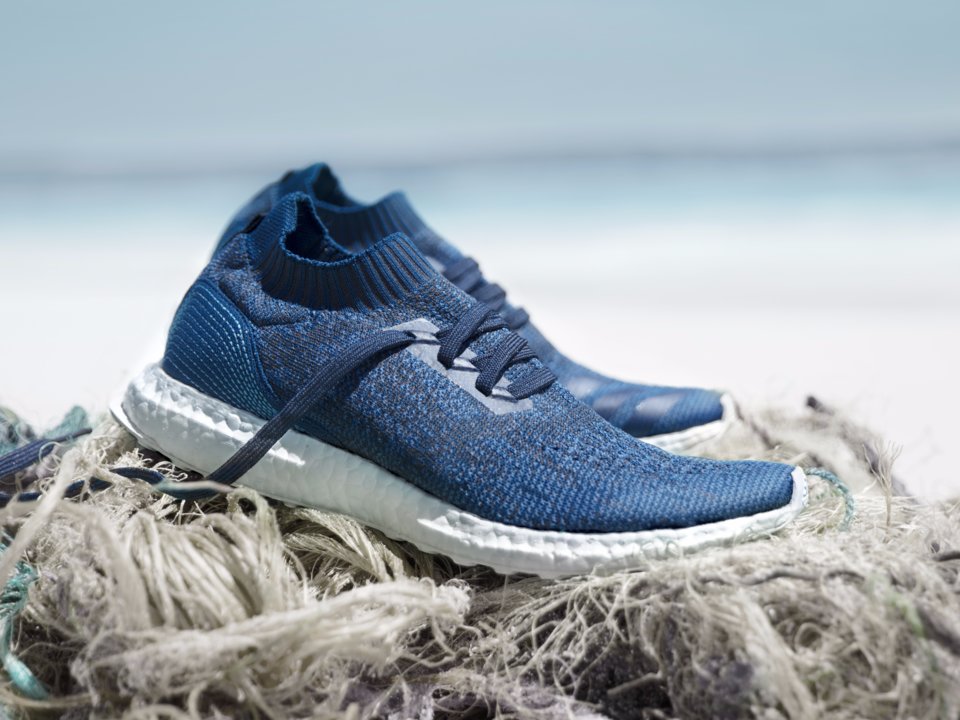
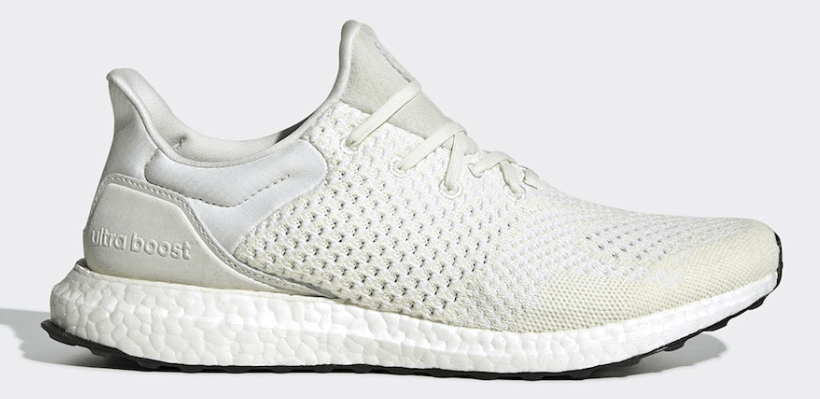
The German company is also expecting a sharp increase in sales of its Parley shoes. Introduced in 2017, in partnership with Parley A.I.R Strategy, this collection of Ultraboost shoes turns ocean plastic waste into thread that is woven into running shoe laces, heel webbing, heel lining, and sock liner covers.  Adidas expects purchases to jump to 5 million pairs this year compared to 1 million in 2017.

Parley Ocean Recycled Plastics

If you want to learn more about sustainable shoes, material selection, sustainable footwear design, and sustainable production, check out this article on sustainable footwear design & production and Chapter 26 in the book  The Shoe Material Design Guide.

Posted on

How to Spot Fake Air Jordans

Fake Nike How To Spot Fake Nike Shoes: 10 Ways To Tell Real Nikes, How to Spot Fake Nikes, how to spot fake Jordan's, sneaker legit check

Legit Check Air Jordans
Counterfeit vs. Real 

You can find fake Nike shoes in stores all around the world. A counterfeiting ring smuggled thousands of counterfeit Nike Air Jordan sneakers into New York and New Jersey! Five people are each expected to receive 20 years in prison for trafficking copy Air Jordans.

How can you tell if Jordans are fake?

Today we have two pairs of the Air Jordan 1 and we will have a good look at the small details that tell the big story of counterfeit Nikes. We will study the real Air Jordan shoe purchased directly from Nike and the counterfeit shoe imported from South China. You will learn how to tell if a Nike shoe is real or fake. The secret to making a real sneaker legit check is…quality shoemaking.

The price is right?

When shopping for real Nike shoes you should expect to pay real Nike prices. If you find a rare Air Jordan or a unique color at a price that is too good to be true… then it IS too good to be true. Low prices and beat up boxes are your first clue that you have a fake, counterfeit, or illegally smuggled-in B-grade Nike shoe.

Make any mail-order or E-Bay purchases with trusted retailers. Remember, slightly used does not mean the shoes were real Nikes to start with.

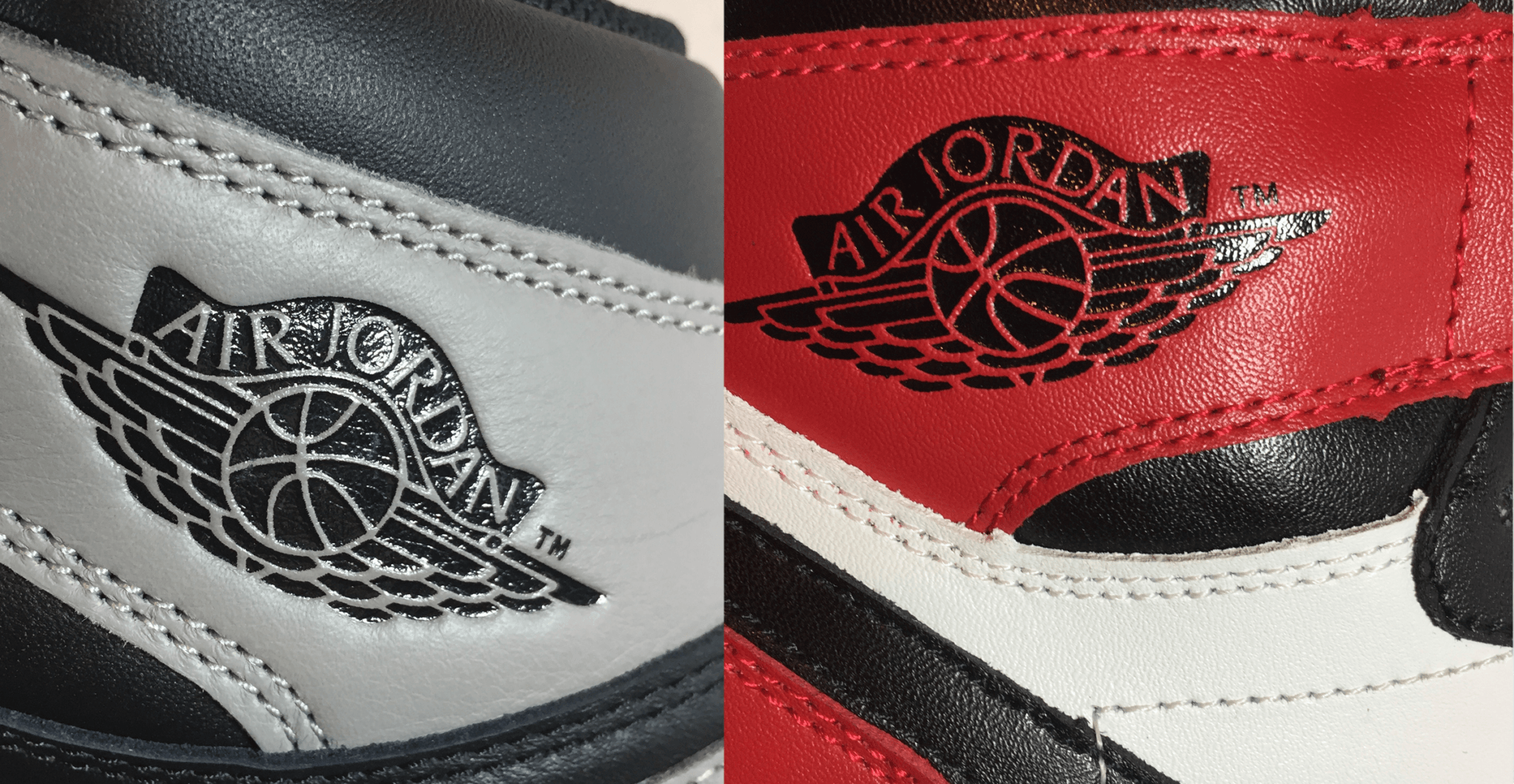
Look for the alignment guides, the red shoe is the fake Nike.

Studying the real Air Jordan and the fake Air Jordan side-by-side, you can see the factory making copies did a nice job on the logo. The artwork on the fake shoe is correct, but the real Jordan 1 logo is still embossed a little deeper into the leather. In this case, it’s hard to tell the difference until you look at the pattern of the cut parts. The real Nike does not have any stitching guides to help the stitchers locate the panels during assembly. The red logo panel of the fake Nike is loaded with these little assembly guides. These assembly guides are not a sign of poor shoemaking and are very common, just not on the real Air Jordan.

Fake Nike Back Tab
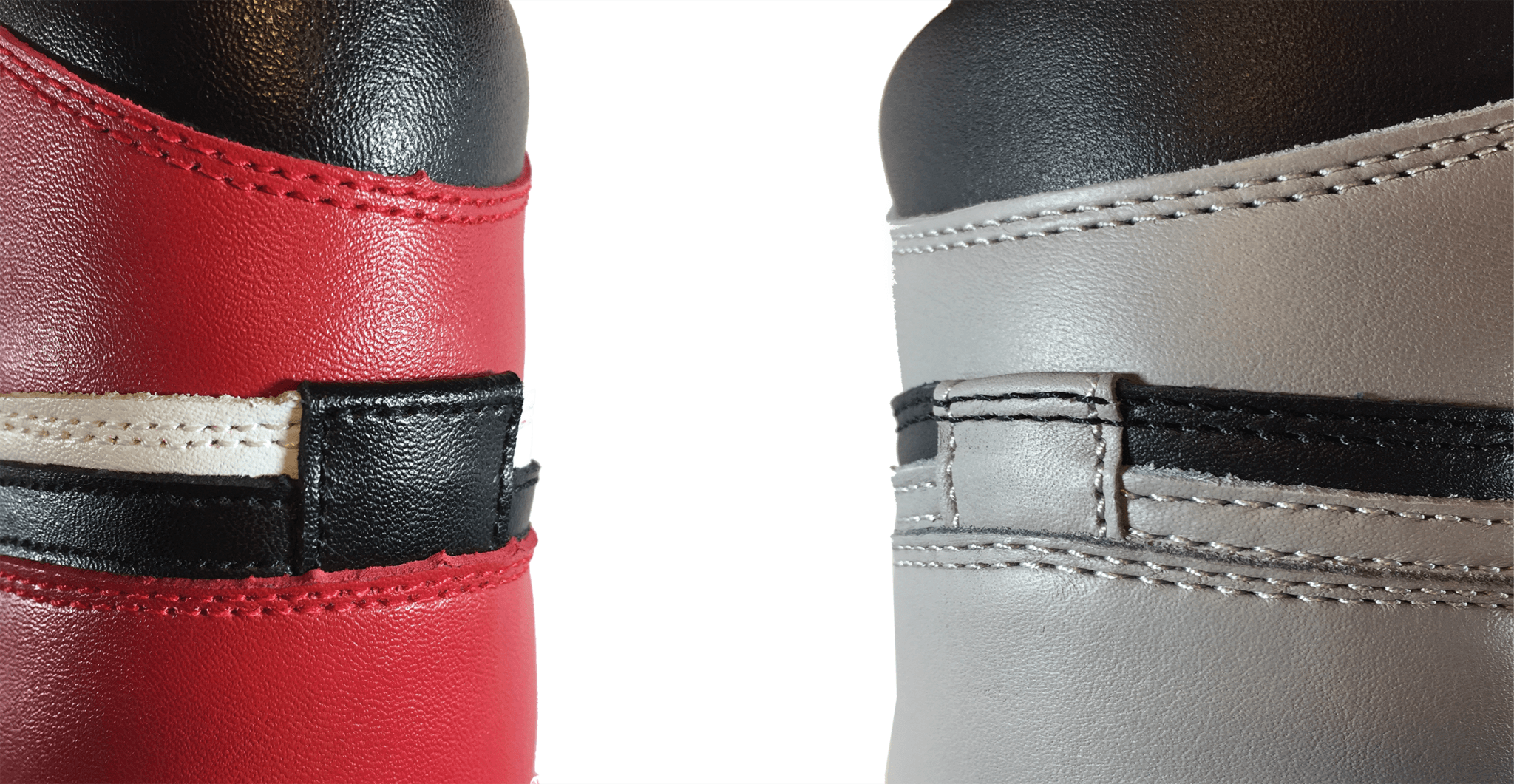
Two stitch lines on the grey Nike, that’s the real deal!

The Jordan 1 heel strap stitching:

The Air Jordan 1 has a tiny heel tab that covers the back seams of the quarter panel and the Swoosh. You can see the back tab on the real (grey) Nike has two stitch lines as the quarter top lines cross over. Also, the black thread contrasts with the grey leather. On the fake Jordan 1, a single stitch line crosses the tab and they used black thread on black leather. The stitching on the fake matches the leather instead of contrasting it with the leather. Again this detail is not an indication of low-quality shoemaking, it is just not how the original was made.

You can also see the centering guides on the red leather parts of the fake Jordan 1. The original Jordan does not show any assembly guides.

Sole on Fake NIke shoe
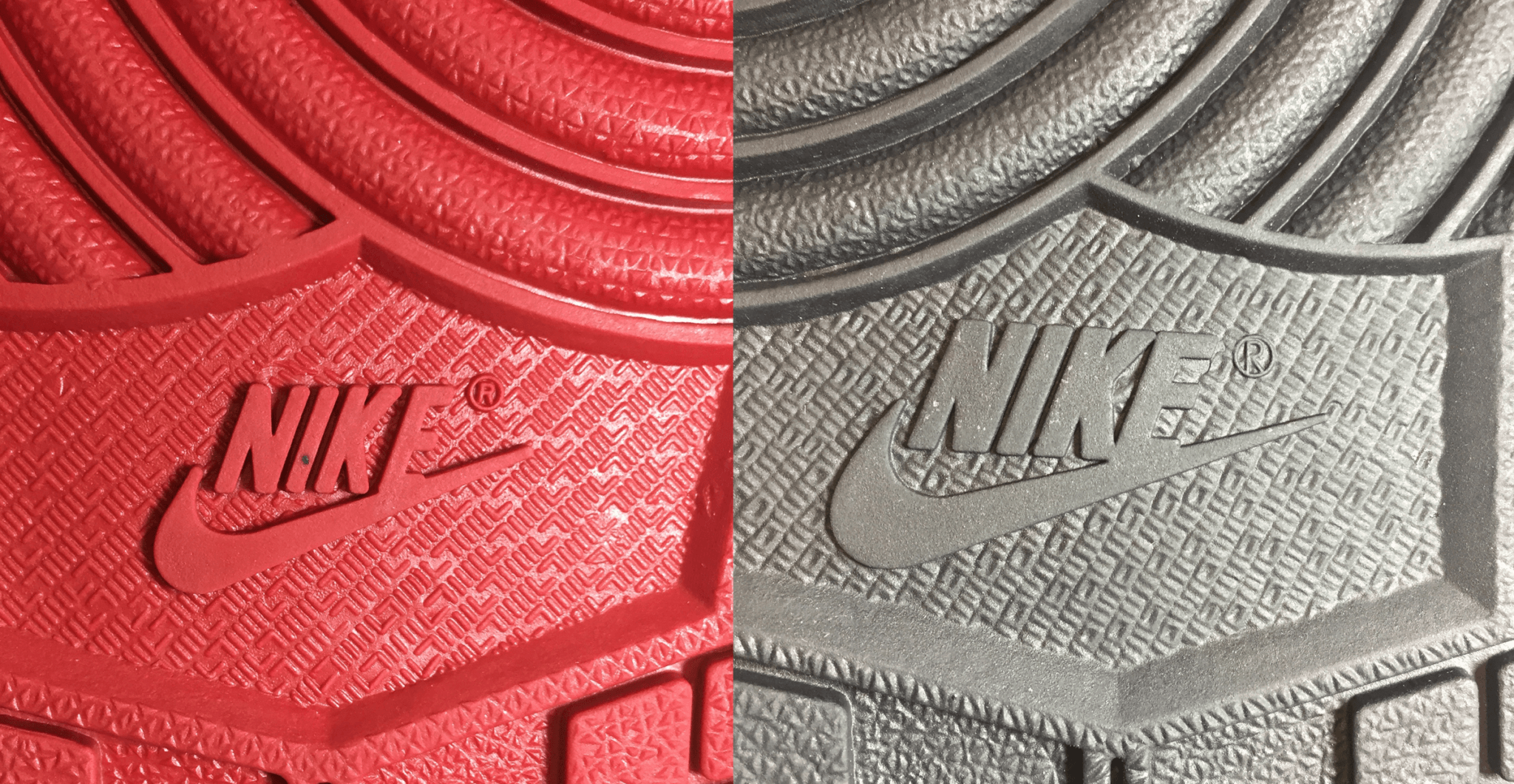
Look at the “K”, if it is not touching the swoosh, it’s not real.

If you look closely at the Nike logo on the outsole you can see the fake artwork is wrong. The width of the letters is too narrow. Another obvious mistake is that the “K” of the fake Nike logo is not touching the tail of the Swoosh. Additionally, when you look closely at the tread patterns you can see the fake (red) tread has glossy spaces between the tread features where the grey does not.

Counterfeit nike shoes
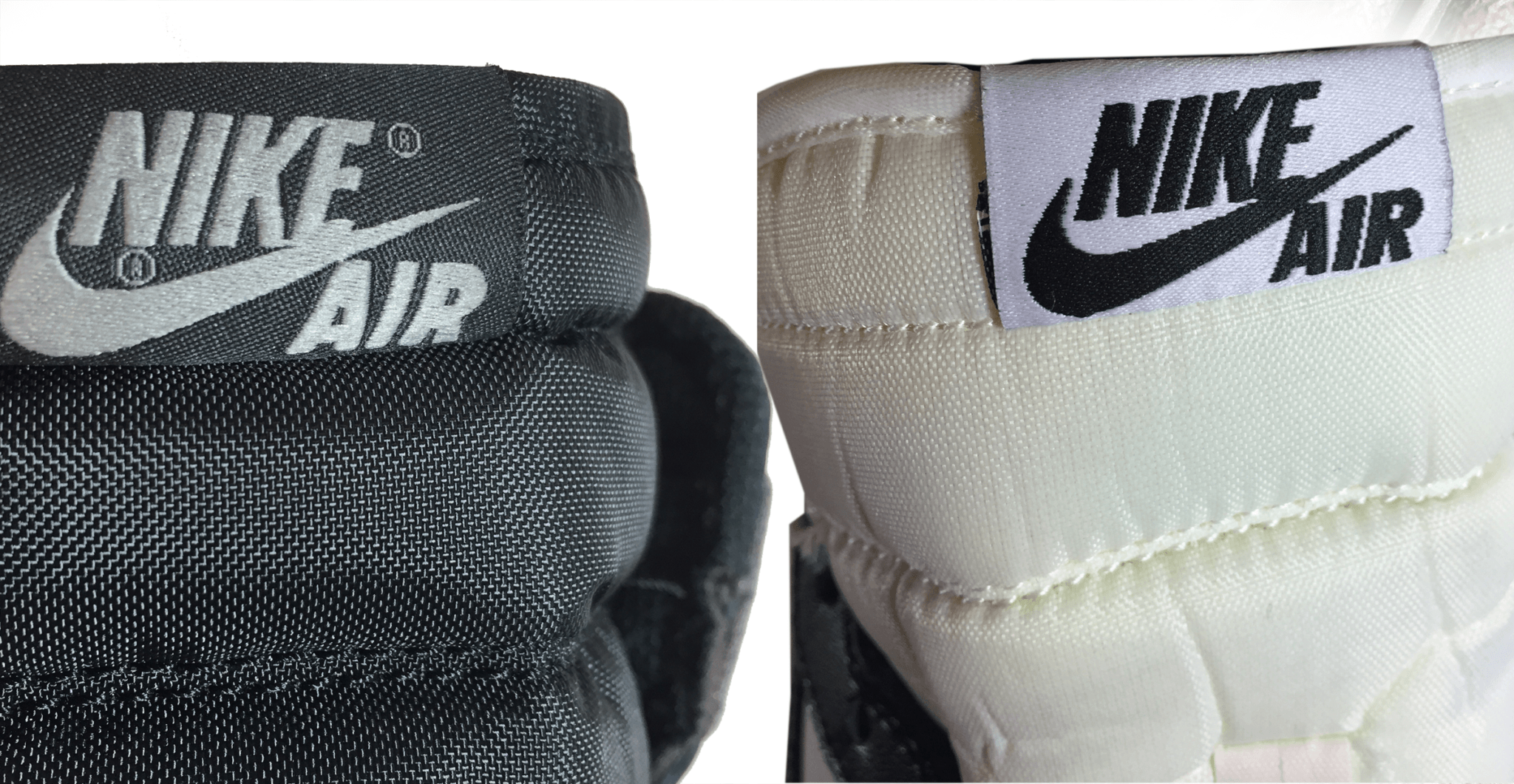
Yes, two trademark logos are correct!

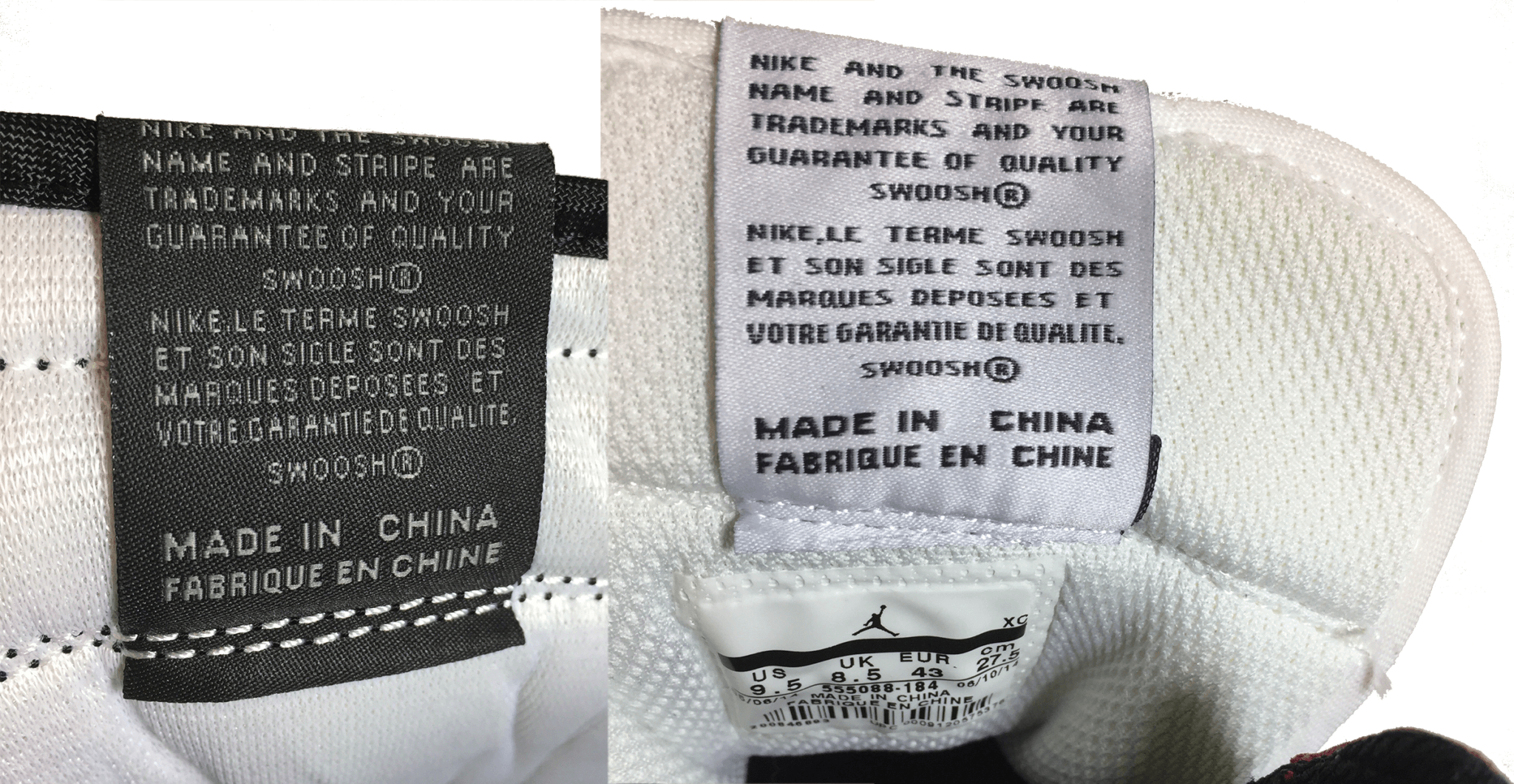
Next, get a good look at the woven label attached to the tongue top. The fake Jordan is missing the registered trademark circle “R”.  I know it’s strange, but Nike likes to have the circle “R” twice on the woven label. On the backside of the woven logo label (below), you will see the trademark information in English and French. The fake has the wrong lettering style and the tag is stitched on crooked. Crooked parts are a sure sign of poor shoemaking.

DIY Shoemaking
Make your own shoes

We put it all together for you. DIY Build Kits include your choice of material, size, color, step-by-step written instructions. Learn shoe making techniques Check It Out! you can do it!

The Jumpman size tag

Counterfeit nike shoe


The black tag is the real Nike woven label.

Inside the shoe, you will see the size label with the Jordan Jumpman logo (above). The fake shoe has the tag welded to the back of the tongue. On the real Jordan 1, the tag is sewn down on the inside.

Counterfeit nike shoes


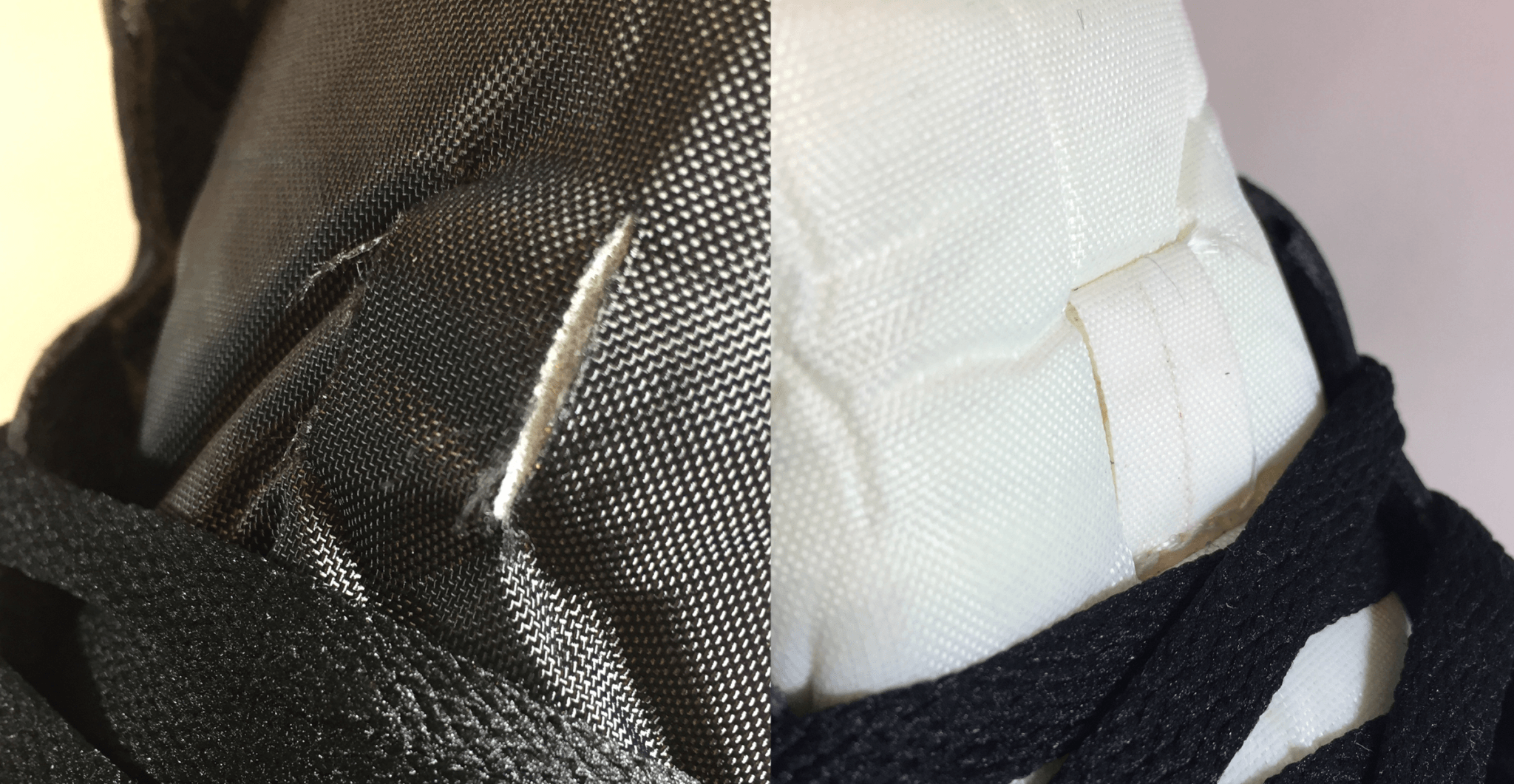
The cut lace keeper on the left is legit.

The Jordan 1 tongue lace keeper:

The lace keeper is a small point but a dead giveaway when looking for fakes. The real Nike shoe has simple cuts in the tongue fabric to act as the lace keeper. This construction looks pretty low rent for a $120 basketball shoe, but this is how the original was made. The counterfeit Nike has a small piece of fabric added as the lace keeper.

See inside More Nike Shoes

We have made a proper sneaker legit check on a pair of Vans Old Skool sneakers. Check it out here.

Legit Check Vans Old SKool

See a Real vs. Fake Air Max 90

How To Make Shoes
DIY Kits Complete!

We put it all together for you. DIY Build Kits include your choice of material, size, color, step-by-step written instructions. Learn how to assemble shoes Check It Out! you can do it!
Posted on

Nike Supreme Air Force 1 Mid ​: Real vs. Fake

How To Tell If Your Nike Air Force 1 Mid x Supreme NBA is Real Or Fake

How To Tell If Your Nike Air Force 1 Supreme NBA is a Fake, The official Sneaker Factory legit check.


Nike Air Force 1: Real or Fake?

How to Spot Fake Nike Air Force 1’s

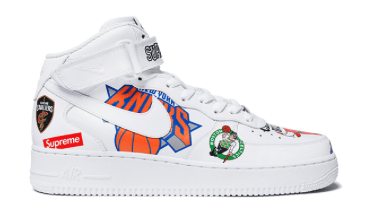
Today we have two new pairs of the Nike Air Force 1 Mid Supreme NBA White. One pair is a real Nike 100% authentic purchased from StockX. The other pair of Supreme NBA White was recently purchased in China. The real Nike Air Force 1 Mid from StockX set us back US$343.95. The fake Nike Air Force 1 Mid Supreme NBA cost RMB $300, or about US$45. Now it’s time to see which Nike is counterfeit and which one is real.

Real vs. Fake : What to look at first?

Can I buy real shoes at fake prices? 
Simply put, NO.  If the price seems too good to be true- the shoes are fake.

What if the footwear packaging is missing?
If the sneakers do NOT have the packaging included…watch out!

What about shoe production quality? 
Real Nike shoes can have some quality issues. Look closely for small flaws.
A real Nike may have some flaws but more than one or two issues is a danger sign for fake shoes.

StockX to the rescue

The StockX sneaker marketplace saves you the worry and trouble of authenticating shoes. When you purchase shoes from StockX you receive a guarantee that their staff has carefully checked them over to confirm the shoes are real. The Stockx team are real pros, They know how to make a sneaker legit check. When your shoes arrive they will have a StockX badge and sales slip. Hang on to these! When you are ready to sell, these will be very valuable. Visit their online shop: https://stockx.com

How to spot a fake Supreme Sneaker?

We have two pairs of the Nike Air Force 1 Mid x Supreme NBA in white. Before we cut them open we are going to make a few quick observations.


How to Tell Real Shoes Like Airforce Ones From Fakes. Can you see the fake Nike Supreme?

Color Matching

Nike Supreme Air Force 1 Mid

How to Spot Fake Nike Air Force One Sneakers? Look at the colors! Right off the top, we see the fake Nike Air Force 1 Mid’s have a major problem with color matching. Check out the collar lining. The real Nike collar lining is white with a smooth, turned out seam. The fake Supreme NBA is yellowish (off white) with a lumpy seam.

Fake shoes are usually made with local market materials, meaning quality and color matching may be poor. Authentic Nike shoes will only be made with high-quality materials and the material color matching will be perfect.


Have a look at the heel view of the top collar. The real shoe has a smooth, round curve. The fake Nike is a completely different shape.


Counterfeit Nike Logos and Labels

Logo and labels are often a weak point in counterfeit Nike sneakers. When you make a Nike sneaker legit check you must study the logos carefully. Our pair of knock-off Nike Supremes has all the common faults. The Chicago Bulls logo on the vamp has some problems. The nostril holes on the fake are mis-shapen. Also, on the fake shoe, you can see an air vent hole has been filled in with ink.

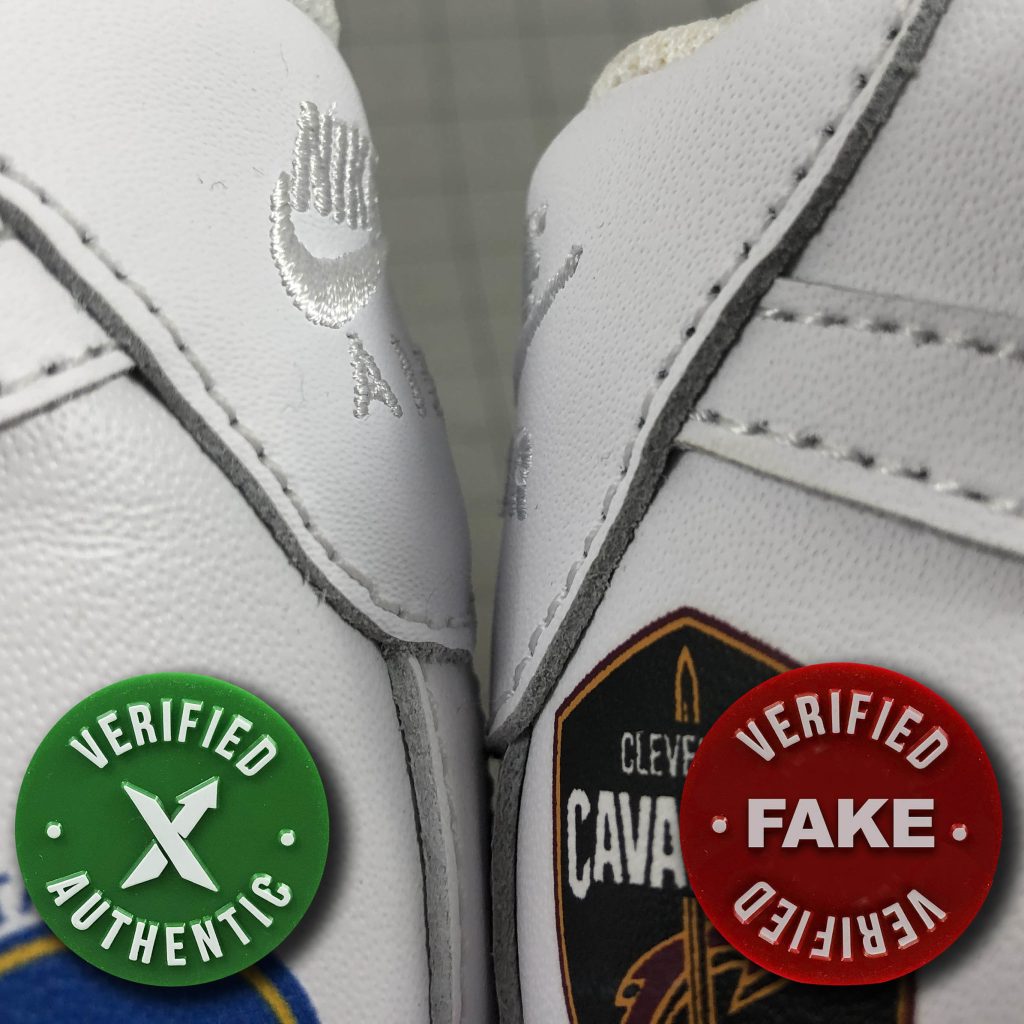
The Supreme embroidery logo on the top strap of the fake sneaker actually looks okay, but the edge stitching around the strap is a bit rough. The Nike swoosh logo on the strap ends have very different stitching patterns. The fake has perimeter stitching, while the authentic Nike has solid cross stitching. Note the rough stitching on the strap perimeter.

Lorem ipsum dolor sit amet, consectetur adipiscing elit. Ut elit tellus, luctus nec ullamcorper mattis, pulvinar dapibus leo.The tongue logo label on the fake is close, but not perfect. The bottom leg of the Nike ”E” is buried in the tail of the swoosh. The ”Supreme” logo is a little thin when compared to the real logo.

Look closely at the Boston Celtics logo on the lateral side mudguard. The ink color on the leprechaun’s vest is not correct and on the fake Nike, you don’t see any clovers. Now take a closer look at the basketball. The printing design on the ball is incomplete. Look above the basketball, you can see the stitching on the eyestay is rough and does not follow the pattern edge.

Construction Quality

Notice the centering mark on the tip of the toe cap. The real Nike shoe does not have the centering mark. When comparing the strap ends you will see that they are different. The fake Supreme Air Force 1 has a mismatched end cap, you can see the plastic is not fitting correctly. The real strap end has smooth, even stitching, while the fake has rough stitching.  You can see rough stitching all over the fake shoe.

The Fake Nike has thicker leather.

Fake vs real Sneakers Leather Quality 

Both the real shoes and fake shoes are made with plastic coated “Action” leather. The fake shoe actually has thicker leather. You can see the blue chrome tanned leather edge on both shoes. The edge of the fake’s leather is much darker.    

Inspect Shoes
Like a Pro

Learn how to inspect and authenticate shoes like a professional. We give the Nike Air Jordan 1, Vans old SKool and Yezzy a complete quality control shake down. Piece by piece we will study every part. Don’t get burned! Learn more On Sale $39.99

Nike Air Force 1 outsole tooling

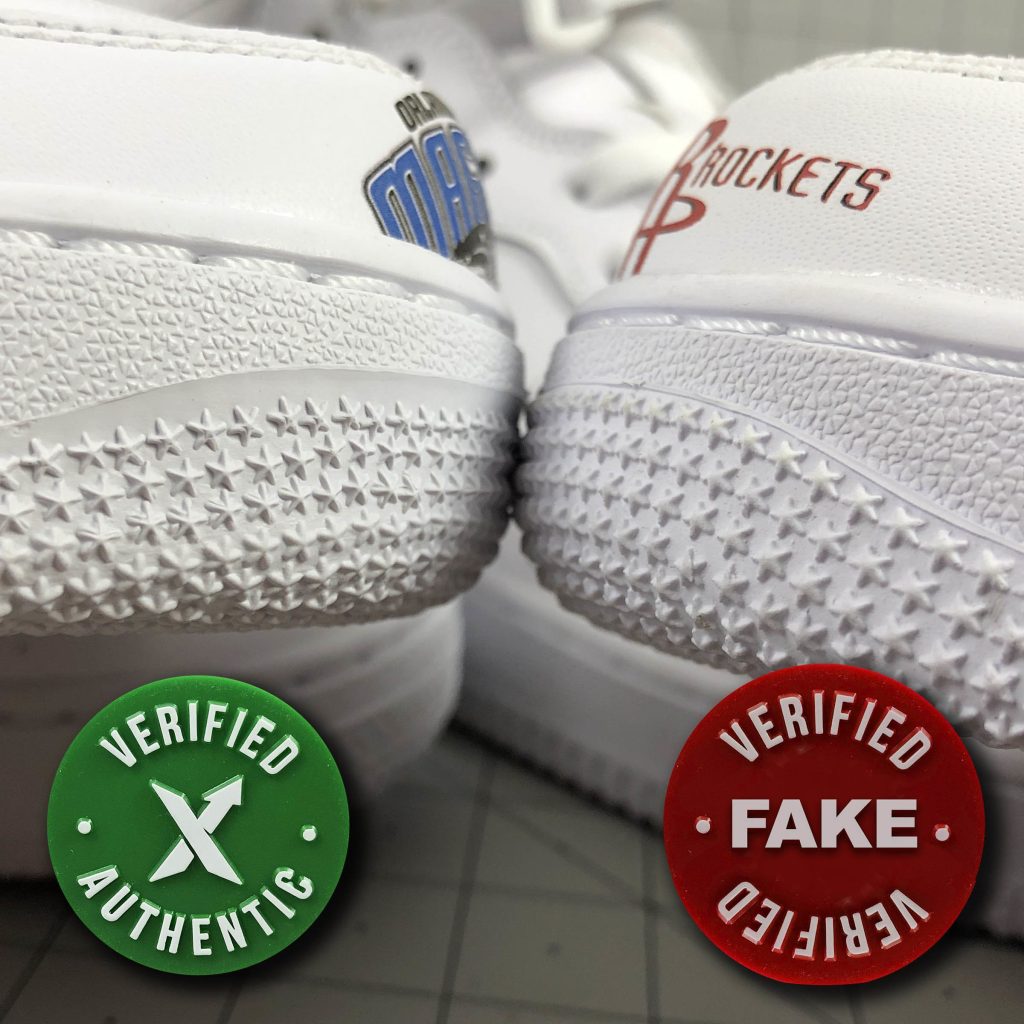
The Nike Air Force 1 outsole is a classic design but the tooling is modern. Nike manufactures shoes in China and Vietnam. Rather than move outsoles and tooling from country to country, Nike will own several sets of tooling. The Nike Air Force 1 outsole has a distinctive star pattern. What I find interesting is the fake outsole unit has a cleaner, more organized, texture pattern. If you zoom in on the fake you can see a cleaner mold parting line and a slightly sandblasted texture. The real Nike sole unit lacks the sandblasted texture and has a uniquely chaotic star pattern. The heel logo on the counterfeit Nike is close to the original but has some problems. The fake “Air” logo is further from the parting line. The design line has a wider gap between the “R” and the end. You can also see the “I” on the fake Nike is a bit narrow compared to the real logo.

Fake Nike Footbeds

The two footbeds are interesting to compare side by side. The real Nike footbed has a size sticker. You can also see a portion of the Supreme logo’s red box which is in stark contrast with the footbed fabric. 
The footbed of the fake Nike is actually thicker, and when comparing the cut edges, the copy footbed has a cleaner, trimmed edge. Lastly, the bottom design. The last notation and size mark are clearly different. On the underside of the footbeds you can see the pattern made by the gluing machine. The real and fake footbeds have different stripe or gluing patterns. The Glue pattern is great fake “tell”.  

New Course
Sneaker Authentication

13 Authentication lessons.
3 hours of video instruction.
In-depth study of footwear inspection techniques.
Authentication Text Book included.
Learn more On Sale $199

How do I rate this fake Nike?

Overall, this shoe is an okay fake. Not a great fake and not the worst we have seen. The material quality is okay, the outsole assembly is pretty good, and the assembly stitching quality is poor. The fake Nike shoes have visible over-gluing and paint touch-ups. The embroidery logos and woven labels are of high quality but the screen printed logo coloring and artwork are substandard.

Does this fake have a “tell”?

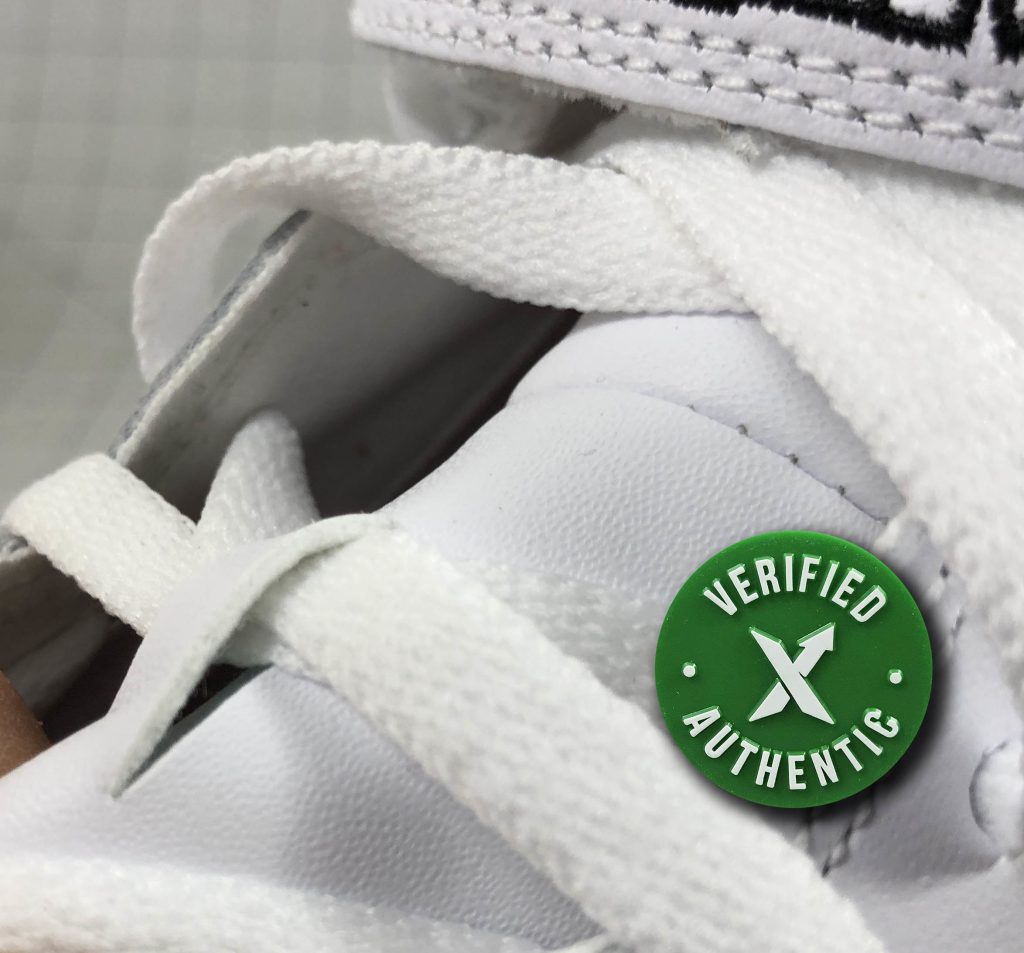
After a few minutes of study, we did find a tell. This is a tiny detail but if you are looking closely it’s a dead give away. Look carefully at the cut lace keeper on the PU tongue face. On the real Nike Supreme Air Force 1 you can see the lace keeper is a single layer of PU with white backing.  Look carefully at the fake Nike, in this case, you can see a layer of blue-tinted PU foam glued to the back of the lace keeper!    

Read More: How to Spot Fake Air Jordans

Read More: Nike Air Max 90: Counterfeit vs. Real

Are these Vans Real?

Learn how to authenticate shoes. We give the Vans Old Skool a complete shake down. Piece by piece we will study every part. Don’t get burned! Learn more On Sale $199
Posted on

NOT A SHOE EXPLOSION! Zion Williamson and the broken Nike PG 2.5

NOT A SHOE EXPLOSION! Zion Williamson and the broken Nike PG 2.5

NOT A SHOE EXPLOSION! Zion Williamson and the broken Nike PG 2.5

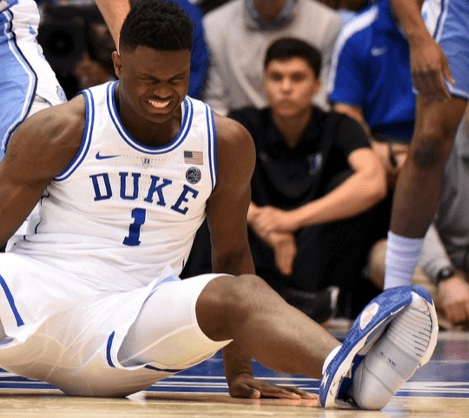
Very rarely do we get to see first hand the failure of an athletic shoe on national television. Last night, basketball superstar Zion Williams, the 6 ft 7 in 285 pound Duke player, was injured in a fall as his Nike PG 2.5 shoe failed. As a footwear professional, I hate the popular headline “Nike sneaker explosion injures Duke star Zion Williams.”

injured Duke star Zion Williamson

This shoe failure is not an “explosion.” There is nothing in a modern sports shoe that can “explode.”

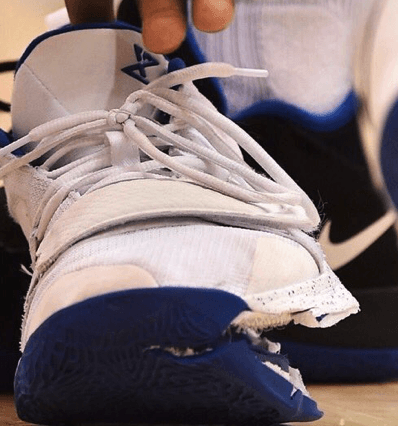
What I  see from the photos is that Zion Williams applied enough pressure on the on the side wall of the Nike 2.5 to break the Strobel stitching. In photos, you can clearly see the shoe separated at the Strobel seam. The outsole rubber is also torn and the side wall of the EVA midsole has ripped.

I would not look at the EVA and rubber parts as a cause of the failure. The side wall of the midsole can provide some strength, but EVA is a cushioning material. The Nike PG 2.5 failed because of tension as Williamson’s foot pushed through the Strobel seam.

NOT A SHOE EXPLOSION! Zion Williamson and the broken Nike PG 2.5

Looking at the photos of the broken Nike PG 2.5, it’s hard to tell what part of the Strobel seam failed. The Strobel seam has three parts to consider:

1. The Strobel sock or Strobel board
2. The upper material
3. The stitching thread

Broken Seams

When looking at any failed footwear seam you must consider several factors:

  1. Is the shoe material subject to the “perforation effect?”
    Too many stitches and stitches too close together can weaken the material.
  2. Was the seam allowance wide enough?
    Similar to the perforation effect, if the stitching is too close to the edge of the shoe the material can fail?
  3. Is the thread strong enough?
  4. Are there enough stitches per inch ?
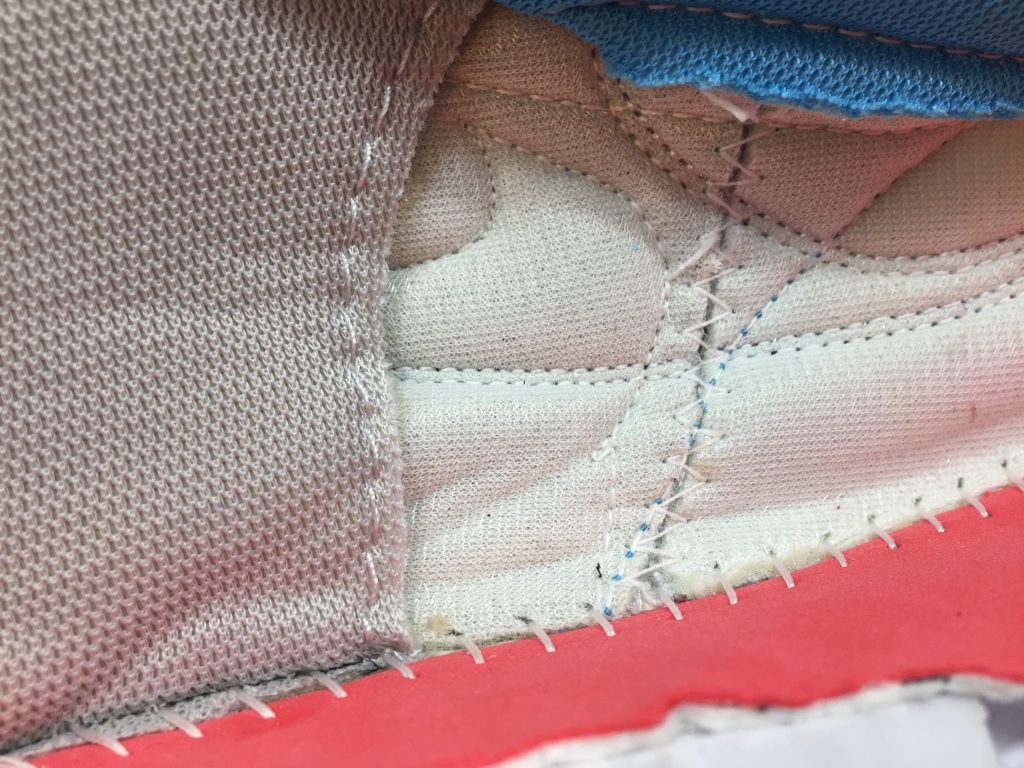
Strobel Stitching inside a Nike PG 2.5 shoe
Strobel Stitching inside a Nike shoe

I do have one final thought in this case. I would like to know if the footbed was glued in to stop it from sliding inside the shoe and also if Williamson’s socks and the top surface of the footbed have enough friction to hold his foot in place? If the shoe was poorly fit to his foot, and his foot was allowed to slide inside, this may have been a contributing factor.

As this story develops I look forward to hearing more about what happened. Of course, we all wish Zion Williamson a speedy recovery.

Posted on

How Vans Shoes are Made: Vulcanized Construction

How Vans shoes are Made

Do you want to know how Vans shoes are made? The Vans classic slip on and skate shoes are made by the vulcanized shoemaking process. The Van Doren brothers, Paul and James, started The Van Doren Rubber Company in 1966. Over the next 40 years, they opened factories in California and later contracted factories in China and Vietnam to make the classic Vans vulcanized shoes.

“vulcanize: The process of heating raw rubber to cure it. This process creates crosslinks inside the rubber compound bonding it together. Before the rubber is vulcanized it is stretchable, gummy, and easy to tear. After being vulcanized the rubber is tough, stretchable, and ready to wear.”
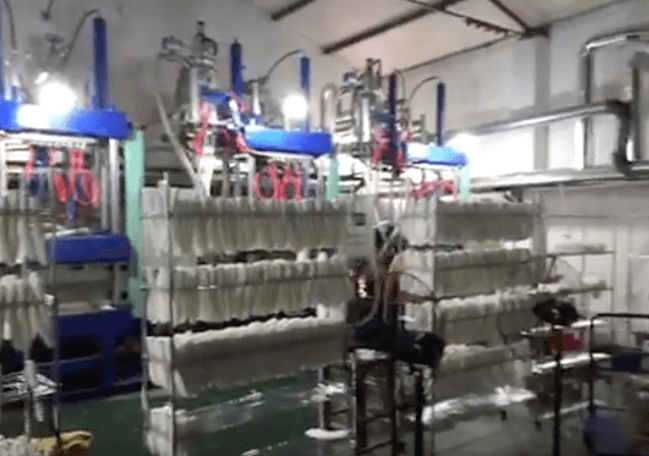
How Vans Shoes are Made: Vulcanized

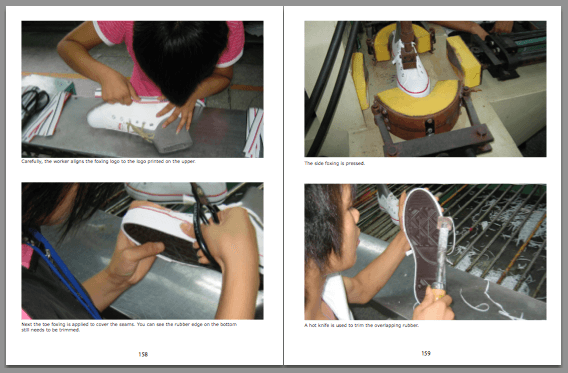
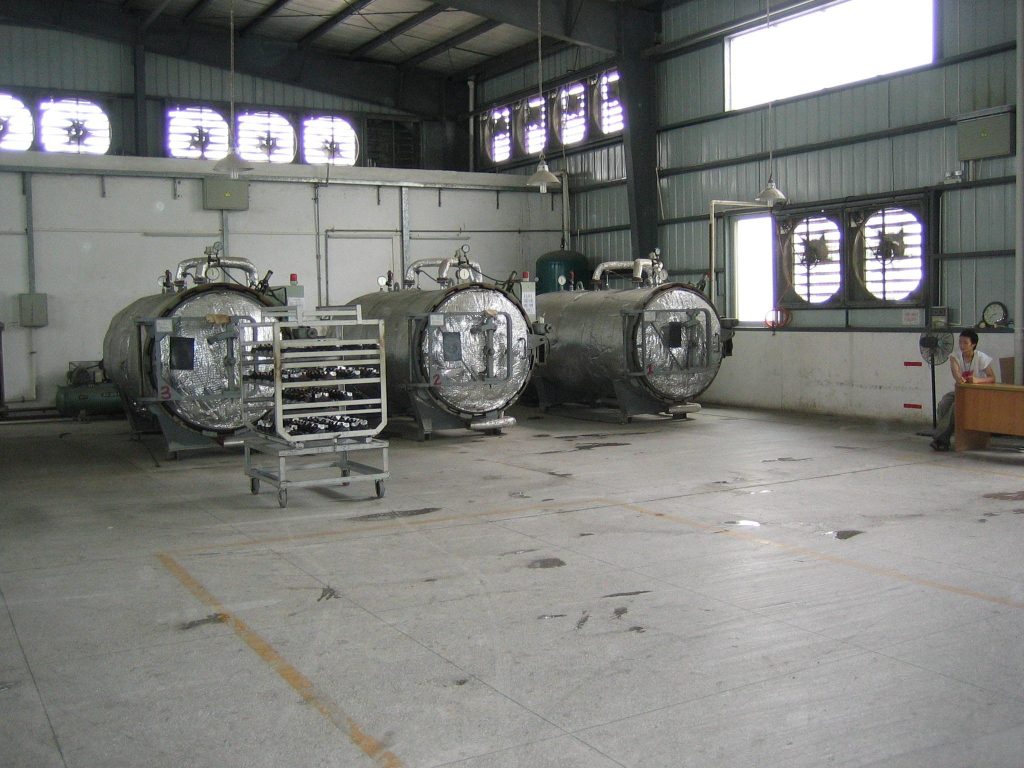
In the Vans vulcanized shoemaking process, the rubber shoe outsole parts are assembled onto the lasted upper before the rubber is completely cured. With the sole attached, the entire shoe must be heated in a vulcanizing oven. The shoe must be heated to around 110˚C/230˚F for 80 minutes. The heat required to vulcanize the rubber sole will melt nylon and polyester fabrics, making them unfit for vulcanized shoes. Also, certain types of foam, like EVA and PE, will get damaged by the heat. This can limit the material choices for footwear designers. Uppers must be made of heat-resistant materials like suede, leather, and cotton canvas with metal hardware.

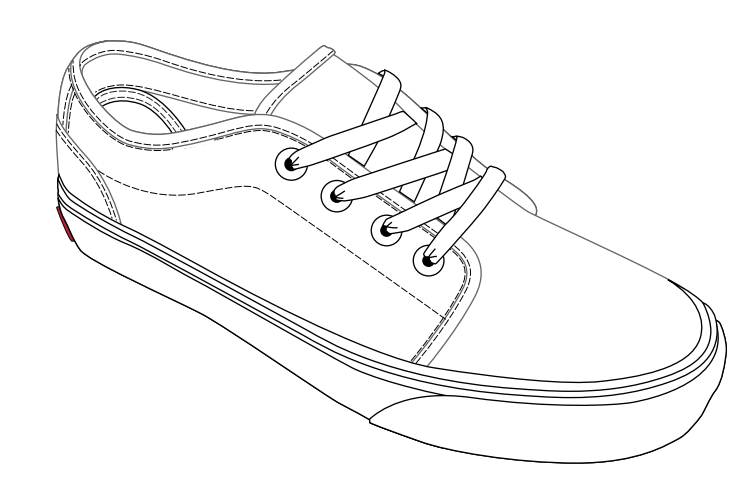
Vulcanized shoe construction

Vulcanizing equipment

The vulcanized shoemaking process must be done in a specific factory equipped with lots of special machines. The shoemaking equipment required for vulcanizing is very different from the equipment needed to make cold cement shoes. A shoe factory will usually specialize in one process or the other, you will rarely find both vulcanized and cold cement processes inside the same factory.

The upper stitching and construction of a Vans vulcanized shoe are nearly the same as a cold cement shoe, with an exception being the inside reinforcements for the toe and heel counters are made of thin rubber sheets instead of plastic. Again, due to the high temperature required for the vulcanized rubber, any kind of plastic, PVC logos, or trim treatments must be avoided when designing a vulcanized shoe. The lining of a Vans shoes is made from lightweight cotton canvas.

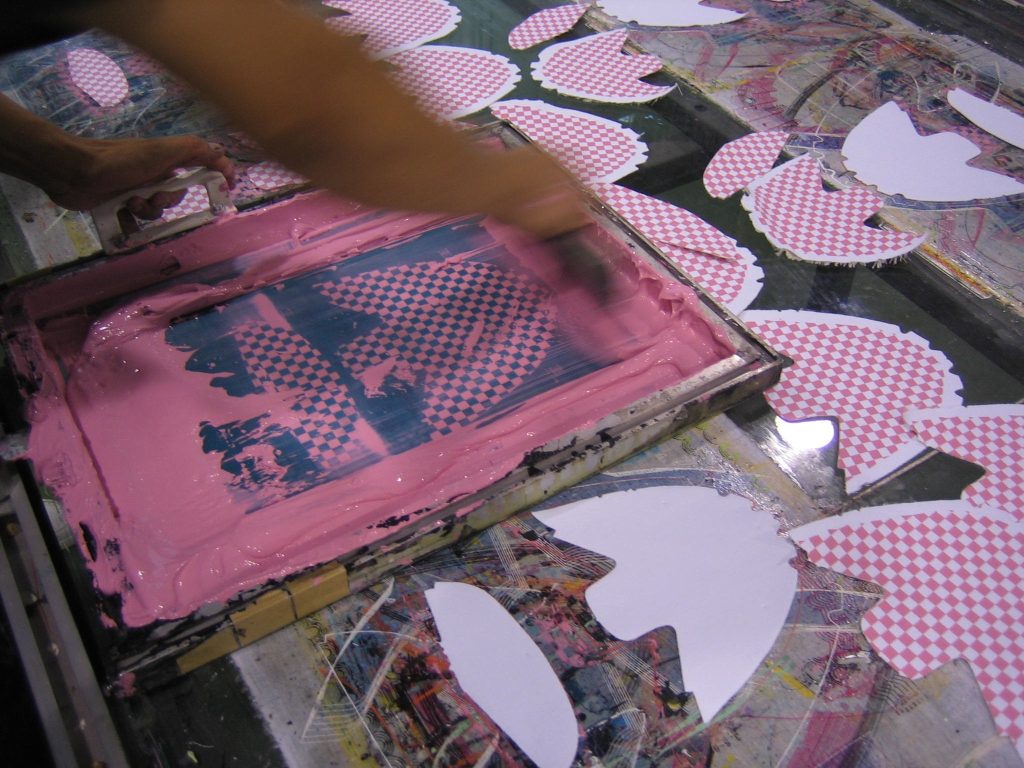
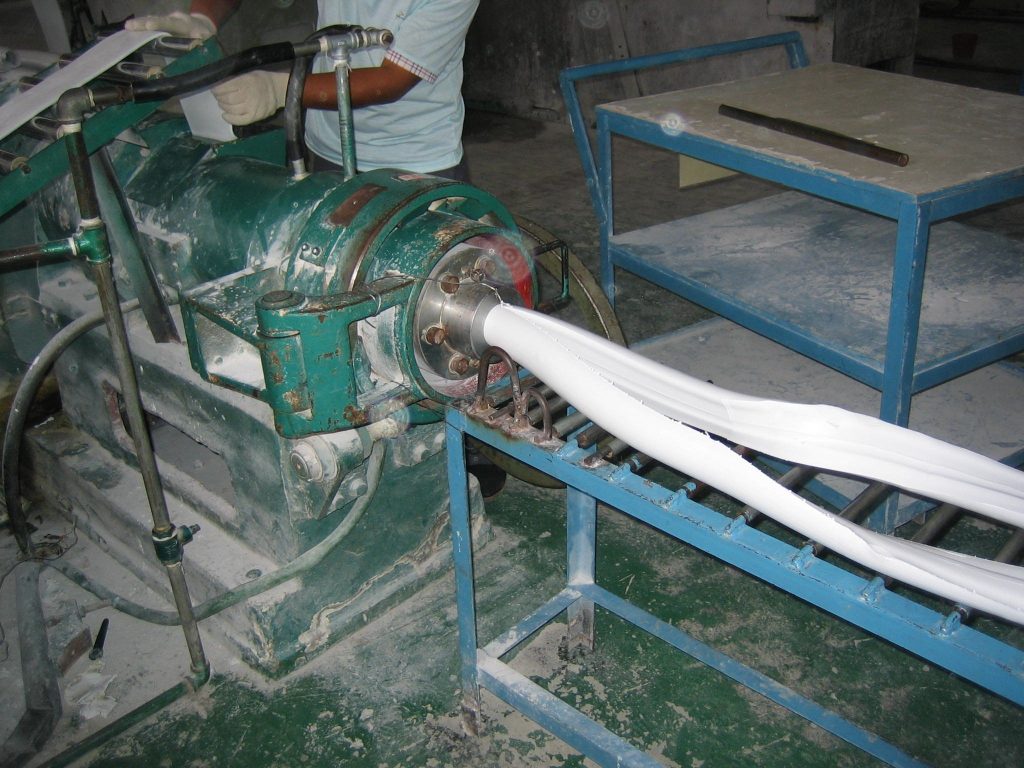
While the uppers are being stitched, the rubber components for the vulcanized sole unit must be prepared. The rubber components have a shelf life of only a few days. If the rubber parts are made and set aside, the rubber will begin to oxidize, partially cure, and leading them to not cure properly when the shoes are being vulcanized.

https://www.youtube.com/watch?v=lZwW86sYnlQ

The Shoe Dog would like to tell you about how vulcanized shoes are made.
Have a look!  

The Shoe Dog would like to tell you about the difference between vulcanized construction and cold cement process. 

https://www.youtube.com/watch?v=XpGKmKqcjPg 

how are skate shoes madeWant to learn more about how vulcanized shoes are made and other shoe construction techniques?

Check out Chapters 12 in the book How Shoes are Made. We will cover all the popular shoe construction methods. You will learn shoe construction terms, sneaker construction, and common shoe construction terminology.

How Shoes are Made.


The #1 Textbook For Shoe Designers

Aspiring shoe designers start here! How Shoes are Made is your entry into the world of modern shoe making. Tour a real shoe factory and learn the process from design to manufacturing. Buy Now Download $19.99
Posted on

A New Midsole Material for Sport Shoes

what is used to construct shoe outsoles

As a New Midsole Material Launches has Adidas Boost Foam met its match?

Adidas and BASF turned heads with the introduction of the futuristic Boost Foam technology. The unique midsole material has performance advantages and a distinctive look. Boost foam is actually a new formulation of a common plastic, TPU. TPU or Thermoplastic poly-Urethane Boost is “blown” meaning the chemical engineers at Adidas and BASF have figured out a way to introduce air bubbles into the plastic making a new TPU foam.

The challenge of making Boost TPU foam midsoles

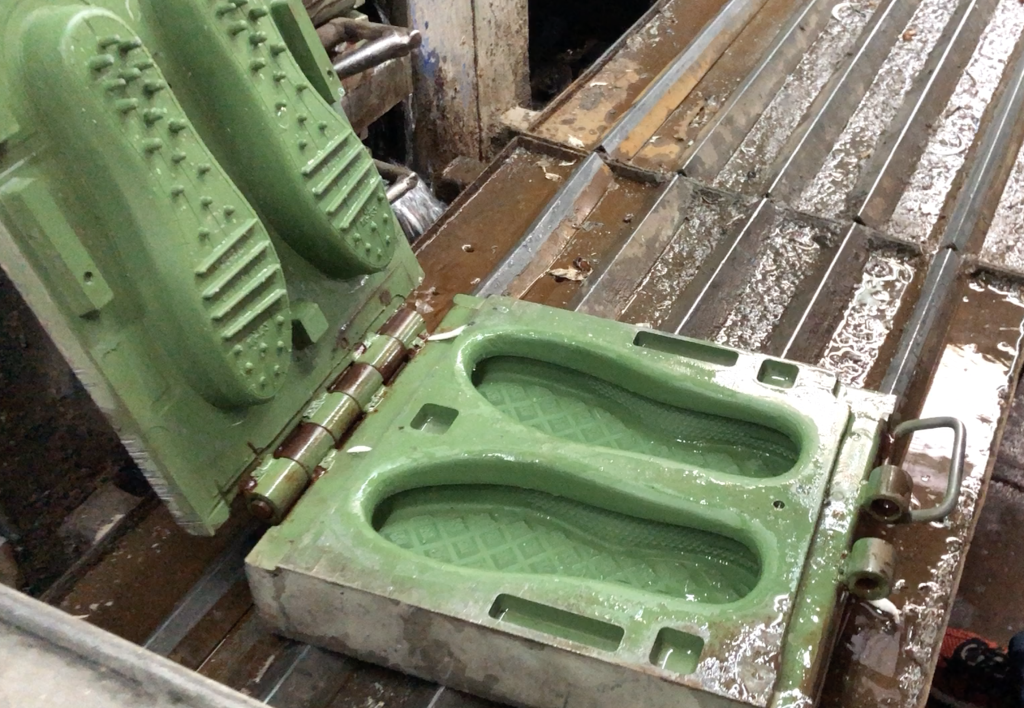
Steam Expansion Equipment to make Adidas Boost.

The texture, while distinctive, makes all Boost midsoles look alike. This distinctive look is great for marketing launches but designers need the ability to make shoes look different year to year.

Boost foam also has a color issue. The TPU foam cannot be molded in color so the midsoles must be painted. Painting midsoles adds cost to the product and even flexible paint can be scratched off or chipped off the foam surface.

The Boost midsole also requires special steam expansion equipment not found in the standard shoe factory.

A new midsole foam better than Boost?

New foam uses standard equipment

Today we visited an EVA pressing factory with a new compound in development. This new midsole foam is a mixture of EVA and TPU. This new foam has the resilient, wrinkle-free feeling of Boost foam but it can be made with standard EVA forming machines. The foam maker is hush hush about the exact compound but he tells us the new foam is about 30% TPU and 70% EVA.

This new midsole compound is lighter than standard EVA and can be molded in any color like standard EVA midsole foam. This new EVA TPU foam is a little more expensive than standard EVA but costs much less than Adidas TPU Boost foam.

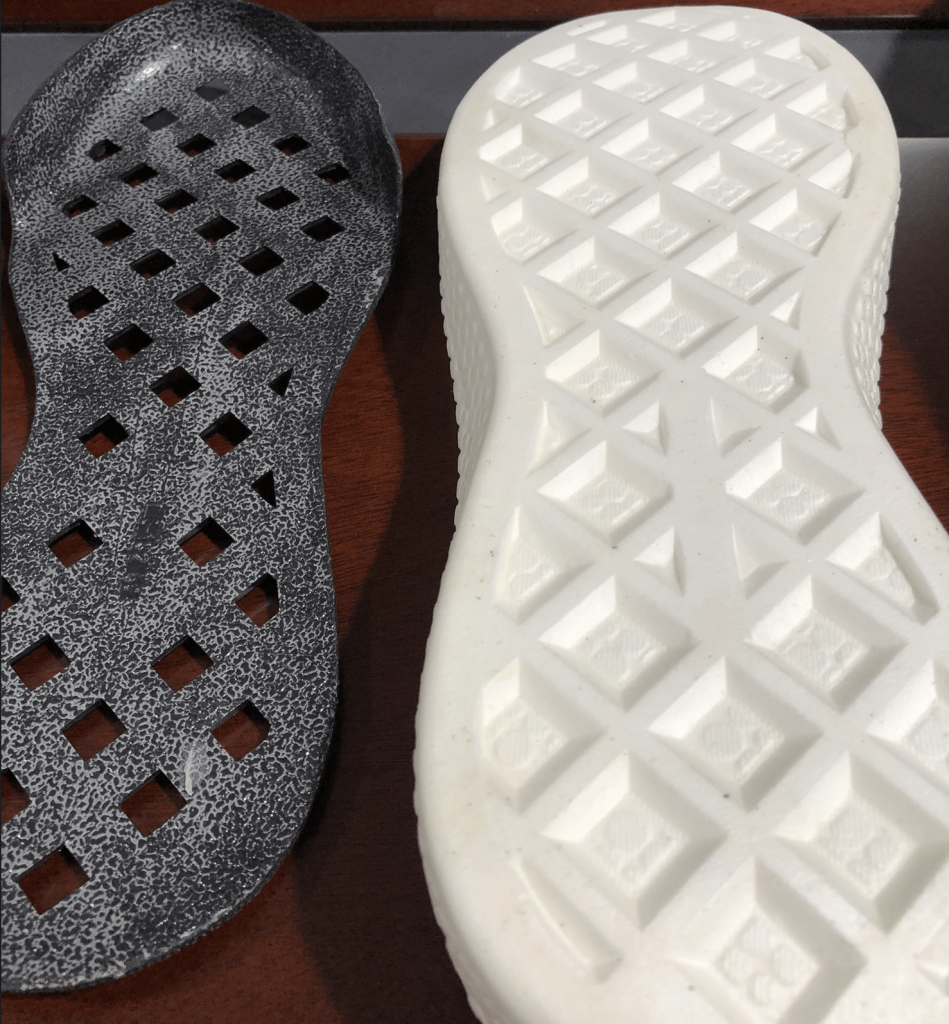
new Midsole Foam
New foam with co-molded rubber bottom
Posted on

Nike vs Adidas Business Wars

Nike vs Adidas Business Wars

If you are interested in the battles between Nike and Adidas you will love the podcast Business Wars: Nike vs Adidas. This 7 part podcast series produced by Wondery is an awesome look into the birth of Adidas and its decades-long clash with the brash upstart from America, Nike.

The podcast covers the humble beginnings of both Nike and Adidas. While Adi Dassler and Phil Knight started their companies on different continents some 40 years apart, their brands would battle for hearts, minds, athletes, singers, teams, and even entire sports leagues.

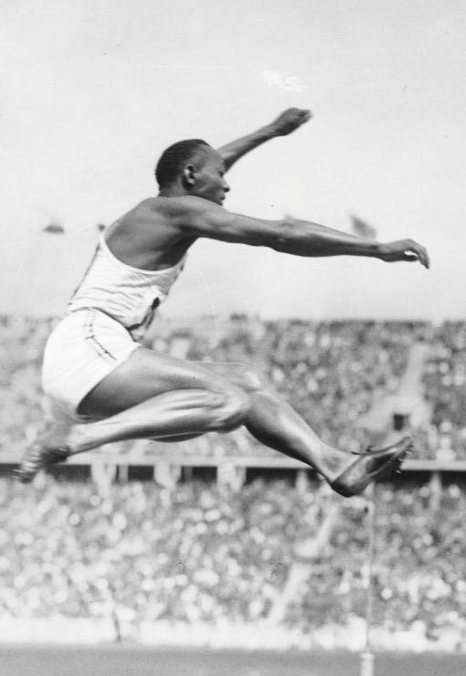
Jessie Owens in his Adidas shoes!
Jessie Owens in his Adidas

It’s an amazing saga! From the triumphs of Adidas and Jessie Owens to the battle for Kanye West and Kobe Bryant, you will get the whole Nike vs Adidas story!

Check out the podcast series Business Wars: Nike vs Adidas.