Posted on

Design & Production of Sustainable Shoes

Sustainable shoe production

Designing and producing sustainable shoes can be difficult but is an important factor to consider in today’s world of increasing climate change and climate change activism. We must think ahead and start with the design and material selection, to reduce our carbon footprint as consumers and manufacturers in the shoemaking industry.  The modern mass-produced shoe, made of textiles, leather, plastic, and rubber parts all glued and sewn together is not environmentally sustainable.

The global footprint of shoemaking

The modern shoe is very difficult to recycle. The shoe factory workers secure the upper parts with stitching, and firmly bond the outsole parts with PU cement. Used shoes and sneakers are almost impossible to break down into useful components for recycling. The manufacturing of these components themselves consumes vast amounts of water and energy while creating mountains of post-industrial and post-consumer waste.

Your choices for sustainable shoe production

With that qualification said, footwear designers, shoe developers, product managers, and factories can make choices to help reduce the negative environmental and social impacts of shoe production. There are no magic shoe materials or production techniques that can make a shoe entirely green, sustainable, or ethical. Depending on your own environmental and social priorities, there are many options available.

We will consider different aspects of shoe production that can make your shoes more or less environmentally sustainable:

1.  Sustainable shoe material selection
2.  Environmentally friendly footwear production processes
3.  Waste reduction in footwear manufacturing

Organic vs. man-made textiles

If your priority is drinking water preservation, then using man-made textiles is a better choice than cotton and other natural textiles. Both cotton and man-made fibers require large quantities of water for dyeing processes. Fortunately, the water in an industrial facility can be recovered, recycled, and reused in a closed-loop system. In Southern China, local governments have forced textile dyeing houses to relocate into industrial estates with controlled water purification facilities.

The process of growing cotton, especially organic cotton, consumes enormous quantities of water that is not reused in a closed-loop. Some studies estimate that more than 700 gallons (2,700 liters) of water is required to make the cotton for one cotton t-shirt! Yes, once we use water in the cotton fields, it does return to nature, but it is no longer available to drink or grow food crops.

On the flip side of cotton and natural fibers, is the production of man-made polymer-based fabrics such and nylon or polyester. The amount of water required to make these fibers is radically less, but the energy requirement is higher, and there is a greater danger of water contamination from petrochemicals.

The Ultimate Shoe Material Textbook

Start with an in-depth study of material types available for modern shoemaking. Learn the technical details of material specifications. 195 pages and 300 color photos.

Buy Now

on sale $39.99

Natural vs. man-made “leather”

Natural leather from animal hides also requires large amounts of water. According to studies done by a major leather producer, raising animals and processing their hides requires over 264 gallons (1,000 liters) of water to produce two square feet of leather. Two square feet of leather is enough to make just one pair of shoes. Raising animals and then processing leather into hides has a two-fold effect on the environment. The contaminated and harmful agricultural run-off plus water containing hazardous tanning byproducts. Water aside, the treatment of animals is a significant concern for vegan customers while the production of human-made imitation leather is not regularly considered a moral hazard.
As with fabrics, the human-made alternatives to natural leather have their environmental costs. Human-made synthetic materials are very often layers of polyester fabric, foams, and fibers that are fused together. These layers are nearly impossible to separate once the shoe has reached the end of its lifespan. Producing synthetic materials also consumes energy, and the danger of water contamination from petrochemicals is high.

Natural vs. synthetic rubber

Again, the choice of rubber compounds comes down to a choice of your environmental priorities. Natural rubber production leads to increased deforestation in Southeast Asia and reduces the amount of land available for food cultivation. Synthetic rubber production requires a combination of Styrene and Butadiene. Both are petrochemicals refined from crude oil. The production of these compounds requires significant energy inputs, and both are byproducts of oil production.
Although there are many material options, each comes with either an environmental or a social cost. When you make sustainable shoes, you need to decide where your priorities lie.

Shoe materials with recycled content

Another way to reduce the overall environmental impact of footwear production is to specify some of the many footwear materials made with recycled content. When reviewing materials for sustainable shoes, it is important to understand the difference between post-consumer and post-industrial waste. Many industrial processes create waste or scrap inside the factories. However, the supply factory will recover and reprocess these materials into the finished materials. For instance, the injection molding supplier will regrind, and re-mold wasted materials. Fabric factories will chop and re-purpose textile fibers. For many factories, this is a simple and smart way to save money. Factories will collect other post-industrial waste and send it out for reprocessing into various other products.

Shoemaking Material Kit

All the hard find parts for your DIY shoemaking project are here in one place. Lasting board, strobel material, lining mesh B&W, collar foam and all the reinforcing parts you need for one pair.
Learn more
On sale $39.99

ethically made running shoes eco friendly shoesPost-consumer recycled content is produced when the raw materials are recovered from the waste stream after use. These products may cost more, as the materials may require complicated sorting, cleaning, and reprocessing. The amount of post-consumer content in a product depends on the physical properties required. Usually, higher physical test standards will demand lower post-consumer content. Fabrics are now available with 10% to 70% recycled content.

Textile factories now make many woven and knit fabrics made with post-consumer recycled PET plastic fibers. Shoe lasting-board suppliers now produce Strobel materials with both post-industrial and post-consumer waste. Paper fiber-based lasting boards often contain over 50% post-consumer waste.

Additionally, foam factories can now supply shoe footbeds and linings made with post-consumer and post-industrial recycled foam materials and new biodegradable additives are available that allow plastic to degrade in decades rather than centuries.

New Online Course
How to Select Shoe Materials

14 Shoe Material lessons. Over 4 hours of video instruction. In-depth study of leather, textiles, synthetics, and plastics for footwear. Material Design Guide Textbook included.
Course Details
enroll now $399

Posted on

Introducing Soléi Sea sandals

Solei Sea is a new sandal company that proves COVID-19 does not have to limit your ambitions. Solei Sea is the brainchild of four life long friends who's jobs were sidelined by the Covid crisis. Kristina, Andrea, Jamie and Ali set their minds to create this new women's owned business venture and nothing is holding them back!

Partner Success Story – Shoemakers Academy and Solei Sea

Today, I invite you to visit SoleiSea.com.

Solei Sea is a women-owned business, started in May 2020. The sandal brand is the brainchild of four lifelong friends whose jobs were sidelined by the Covid crisis. Kristina, Andrea, Jami, and Ali set their minds to creating this business venture, and nothing is holding them back!

The partners at Soléi Sea come from years of successful wholesale and retail experience with limited knowledge in shoemaking and manufacturing. They read our entire series cover-to-cover, starting with How Shoes are Made and How to Start Your Own Shoe Company. The team contacted Shoemakers Academy for help with their shoe design, development, and product sourcing.

Build Your Marketing Plan

Together, these women worked through online courses at Shoemakers Academy and simultaneously built their footwear product plan, marketing plan, and clarified their brand image. With their plans in hand, they consulted with “The Shoe Dog” and his team to help build their business.

Shoemakers Academy organized product development, production, and a quality control process to help Soléi Sea launch its footwear company. The Soléi Sea product line went from an idea to delivery in record time. Their first ocean container full of Soleis left China en route to the USA after only six months!

You can learn more about this sandal brand and its products by visiting www.soleisea.com.

Shoemaking
TextbooksBuy Now
Shoemaking
SuppliesBuy Now
Shoemaking
CoursesCourse Details
Previous slide Next slide

Start Your Own Brand Today!

Do you want to start your own shoe business? Are you in need of help getting your ideas off the ground, or have you encountered issues along the way that are holding you back? Shoemakers Academy offers various services and has contacts in design, development, manufacturing, QC, importing, and marketing in both the USA and China. Click here to learn more about our consulting services, or drop us a note at TheShoeDog@ShoemakersAcademy.com. We would love to help you too!

Posted on

Online Footwear Design

Franck Boistel the Sole Explorer

Franck Boistel the Sole Explorer

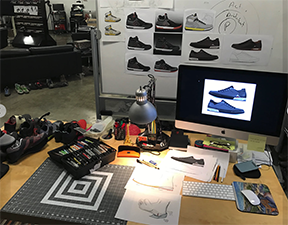
My friend, Franck Boistel, is an incredible shoe designer with over 25 years of experience designing all types of footwear. To be a pro, you must learn from a pro!

E-mail: Instafronck@gmail.com

What: Franck’s footwear design workshop
When: New sessions starting throughout the year
How: E-mail Instafronck@gmail.com for details

WHY: Franck is excited to share his experience and the unique way he designs footwear products. Details from Franck below.

From Franck Boistel – Sole Explorer:
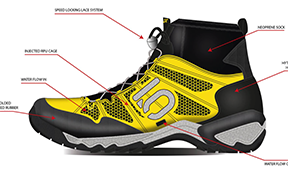
We will talk about visualizing before designing, how to get inspired, ways to prepare your sketch, what tools to use, how to render, how to tape up an upper, how to make technical specs ready for the factory and all aspects of footwear design as well as how to prospect and be great and feel great in a design studio environment and working efficiently with your teammates. I look forward to talking with you!

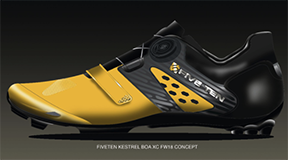
I have 25 years of experience in designing cutting edge footwear in the action sports, fashion, lifestyle, outdoor categories, from concepts to production, for men, women, and children.
Specialties: Trend Forecasting – Footwear design for men, women, and children – Footwear and Industrial Design in
Lifestyle, Action Sports, Fashion, Outdoor, Tactical and Casual categories.

Franck Boistel has brought the world some of the most
recognized footwear styles in action sports, fashion,
outdoor, and lifestyle categories. His designs contributed to the
success of the companies he has worked for, as he accumulated best sellers. Franck is a talented, skilled, and creative footwear Designer and Art Director with a French twist.
– The Shoe Dog


Sole Explorer Online Shoe Design Workshop

Shoe Design Lesson 1
Introduction to shoe design, I will tell you about me and my design itinerary as a designer. We will talk about everything that comes before you even start to think of a design Inspiration.
Questions and answers session.

Shoe Design Lesson 2
How to prepare before sketching footwear
Visualize your shoe design
Shape
Mood boards for shoe design projects

Shoe Design Lesson 3
Footwear design sketching phases, and choosing your tools properly.

Shoe Design Lesson 4
Taping an upper according to your sketch. An important phase of the design of a shoe, especially if it is a complicated one. Preparing to present your sketch.

Shoe Design Lesson 5
Working on all views of your shoe design. We will go over what is necessary to achieve all views of the design in preparation of footwear technical specs.

Shoe Design Lesson 6
Rendering your shoe design. You may need to render your sneaker design to be ready to show your client or your team the final version of your shoe design. I will show you a simple way to render your designs without spending too much time on photoshop. A technic I developed by myself.

Shoe Design Lesson 7
Footwear Technical specs. All you need to know to prepare the tech specs ready for factory.

Shoe Design Lesson 8
Design Studio – Attitude at work – How to work with your team and how to overcome frustrations that may comes with designing and working with different departments within a company.

Shoe Design Lesson 9
Questions and answers session. After having discussed and participated in all 9 lessons, you will have questions. This final session is to make sure you understood the lessons and answering any questions you may still have on any of the topics that I went over during the time of the courses.

Shoemaking
TextbooksBuy Now
Shoemaking
SuppliesBuy Now
Shoemaking
CoursesCourse Details
Previous Next
Posted on

How can I tell if my Vans are fake?

How to find fake vans

Legit Check: Vans Old Skool
Counterfeit vs. Real 

How do you know if vans are fake?Does zumiez sell real vans?
See inside authentic and counterfeit Vans sneakers.


10 ways to spot fake Vans Sneakers

How do you know if Vans are fake? Today we have two pairs of Vans Old Skool sneakers: a real pair of Vans shoes purchased directly from the Vans Outlet and a counterfeit pair imported from South China. We will examine the small details that show the big story of counterfeit Vans, and you will learn how to tell if a Vans shoe is real or fake. The secret to a Vans sneaker authentification check is in the quality of the shoemaking and the vulcanized construction.

Is the price right?

When shopping for authentic Vans shoes you should expect to pay real Vans prices. If you find Vans at a price that is too good to be true… then it IS too good to be true. Low prices and beat up boxes are your first clue that you have a fake, copy, cloned, counterfeit or illegally smuggled-in B-grade Vans shoes.

Make any mail-order or E-Bay purchases from trusted retailers. Remember, slightly used does not mean the shoes were real Vans to start with.

Legit Check Your Vans Sneakers: What to look for?

Is the Vans stripe real or fake?

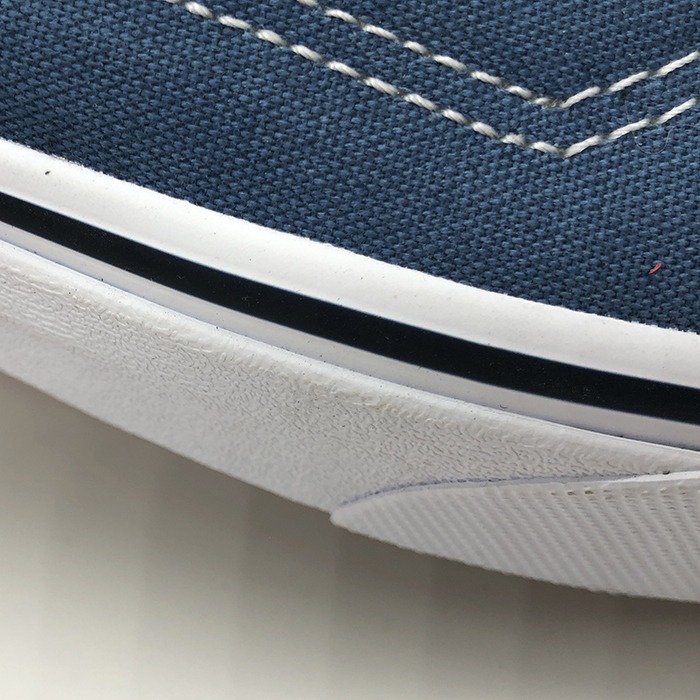
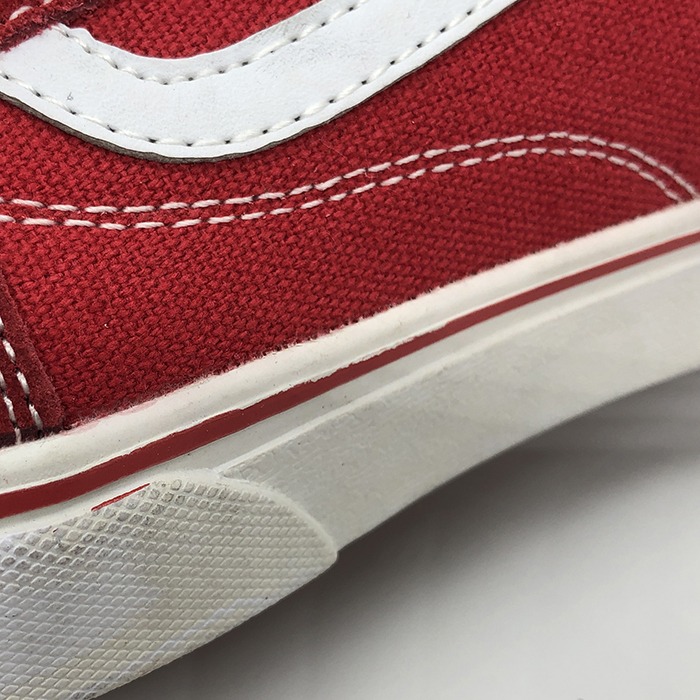
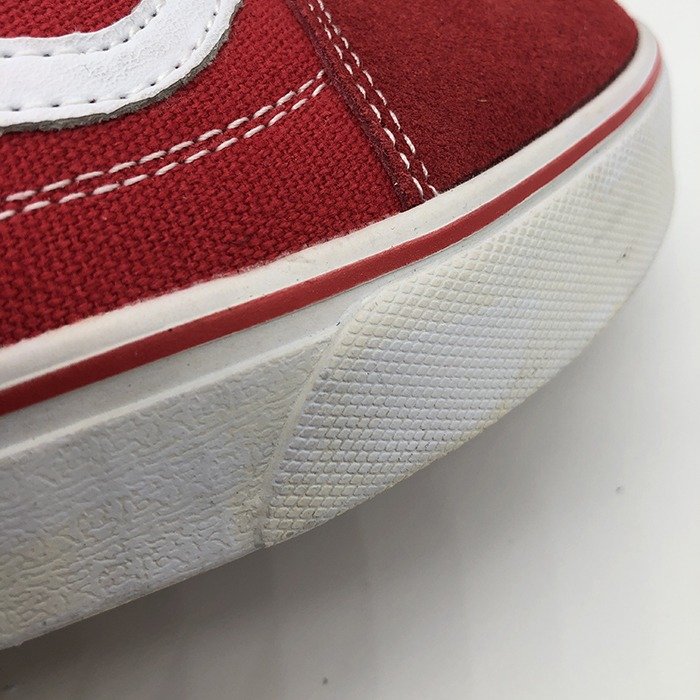
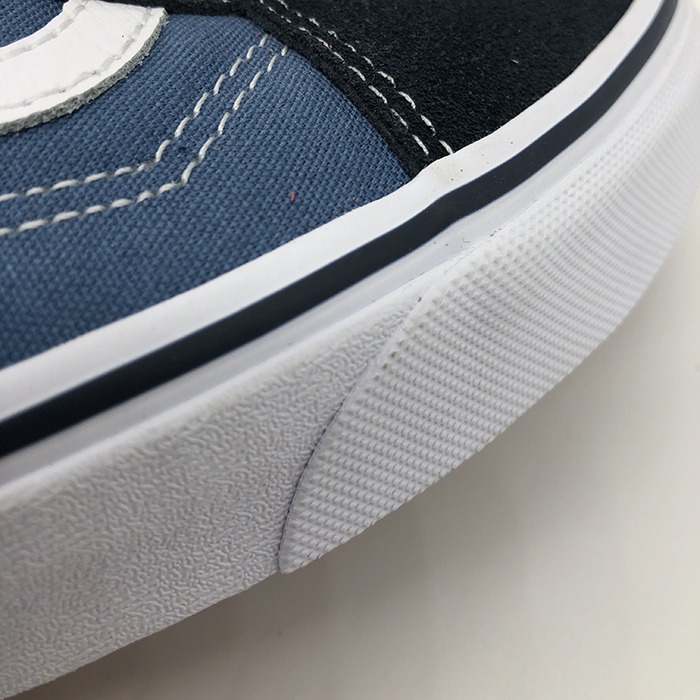
The first thing to look at is the sole stripe. The stripe on the rubber foxing tape is a trademark styling cue for the Vans classic. Study the stripe carefully; the authentic Vans shoe stripe is molded-in color. Vans makes the stripe with solid colored rubber that has clean and straight edges. The fake Vans have a painted stripe. You can see the paint job here is not perfect, and you can even see a dab of paint slopped onto the toe foxing.

Real Vans outsole foxing tape.

You can see where the toe tip rubber part is attached to the shoe on the authentic pair of Vans. Meanwhile, the counterfeit Vans sole has a very different surface texture, and the toe foxing is molded directly to the sole unit. This is very suspicious! This outsole may not have been made by vulcanization. On the real Vans shoe, you can see the tiny gap where these two parts come together. The authentic Vans toe tip is glued on, NOT molded together as one piece like the counterfeit Vans shoe.

Authenticate Shoes
Like a Pro

Learn how to authenticate shoes. We give the Nike Air Jordan 1 complete shake down. Piece by piece we will study every part. Don’t get burned!
Learn more
On Sale $39.99

Look inside authentic Vans shoes

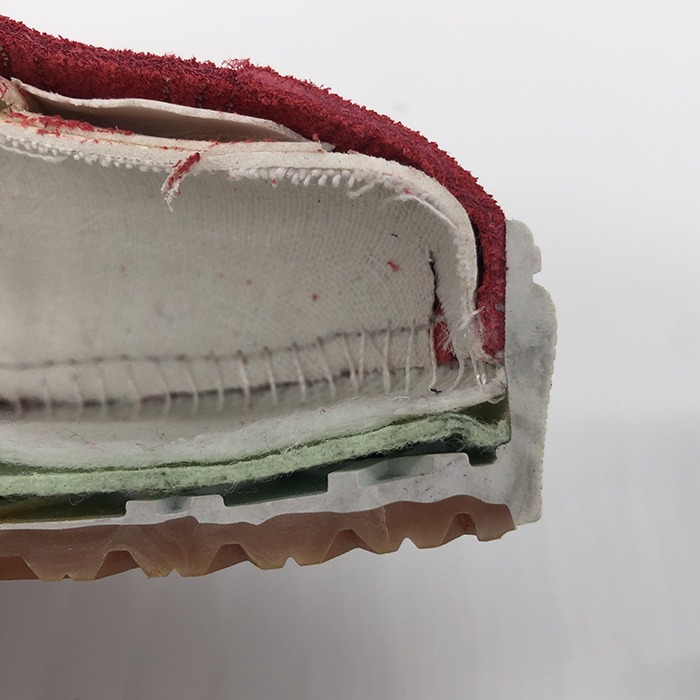
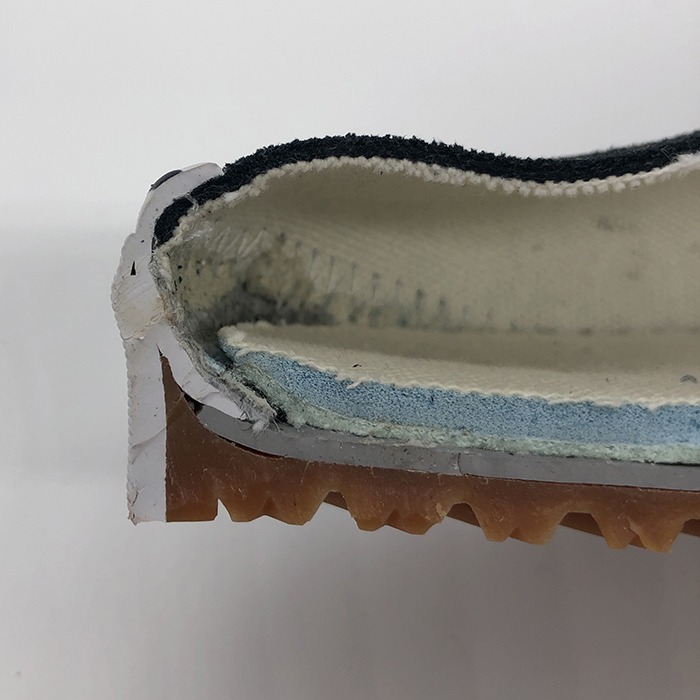
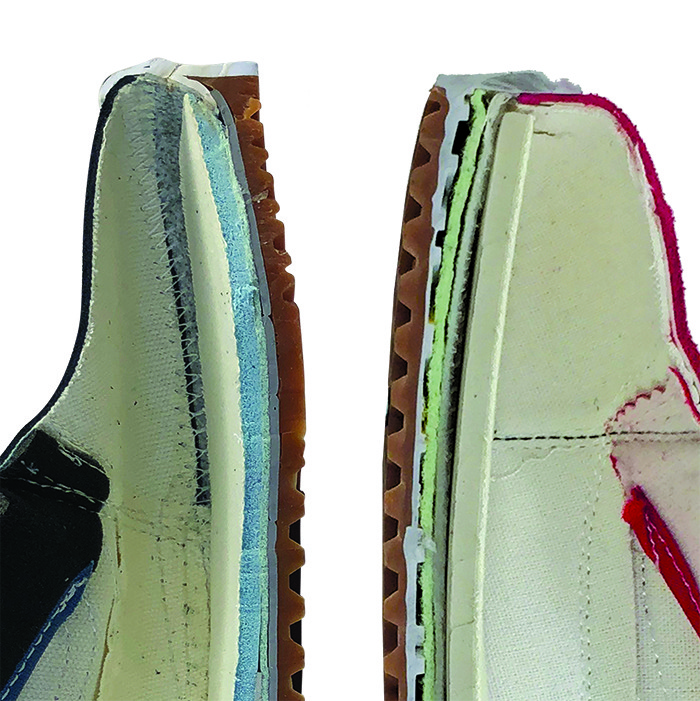
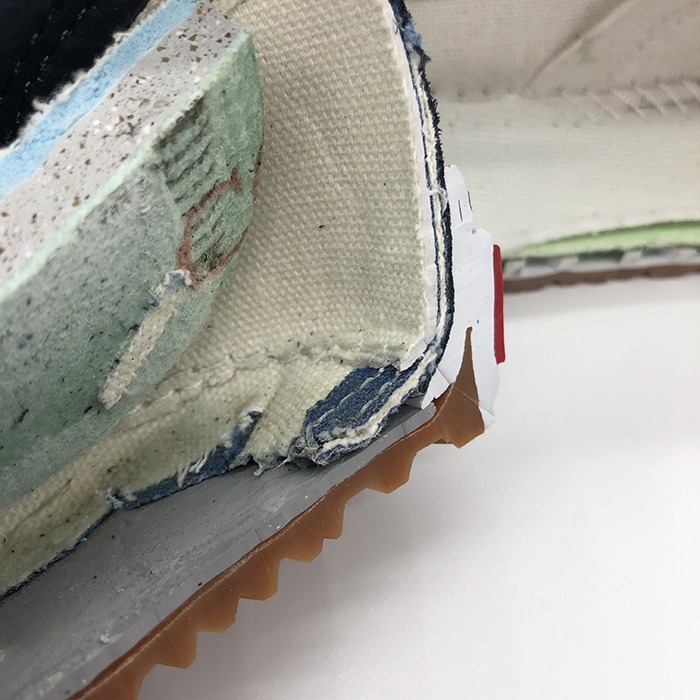
It is time to start cutting! Looking inside the real and fake Vans, you can see some huge problems! The counterfeit Vans are not made by the vulcanization process. The counterfeit Vans outsole is a one-piece rubber cupsole. The factory producing the copy Vans shoe is using the cold cement assembly process. The real Vans waffle sole is made from several assembled parts that have been bonded by vulcanization. (You can read about vulcanization here and in our book How Shoes Are Made.)

In this cutaway section of the Vans shoes, you see blue and grey sponge rubber inside the real Vans shoe. Inside the fake Vans, you see a green lasting board, white Strobel layer, and EVA footbed. Wrong!

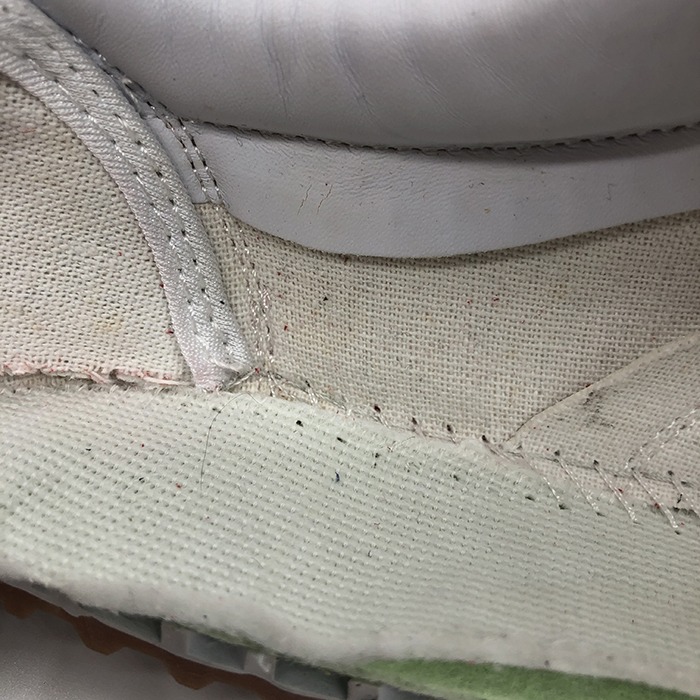
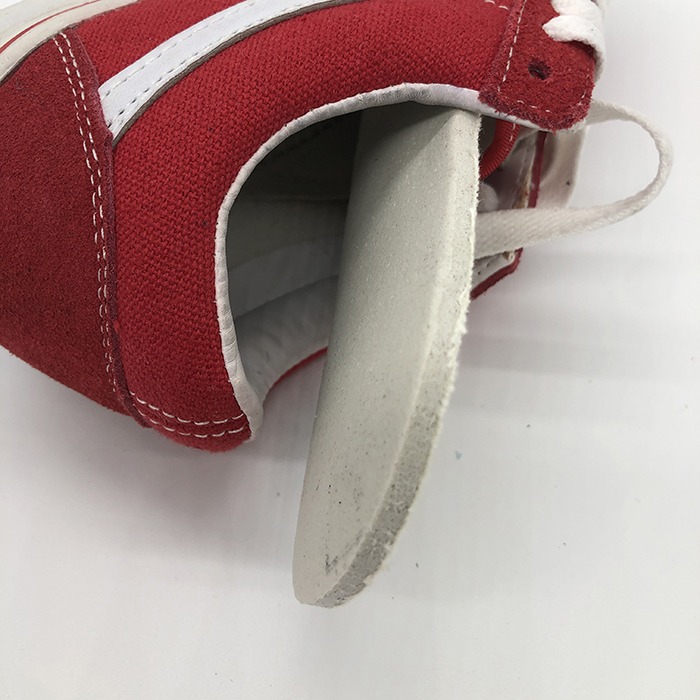
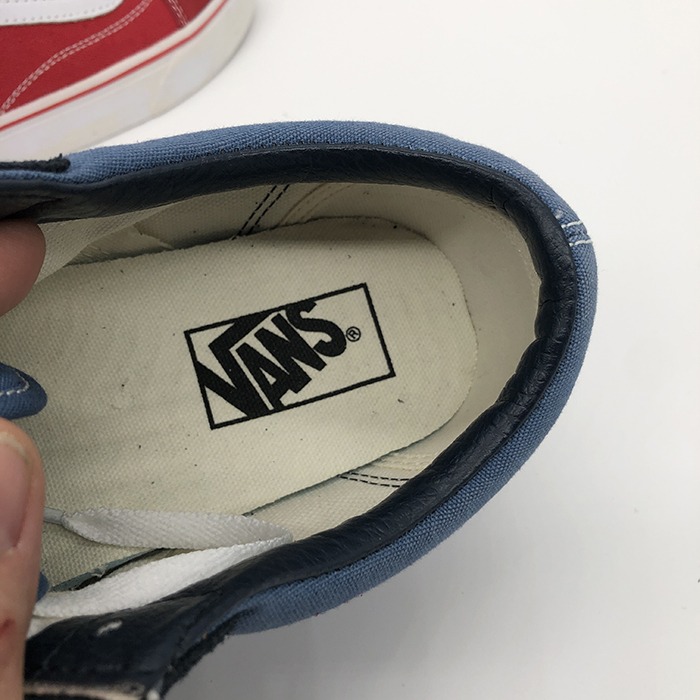
Inside the heels of the shoes, you can see the fake shoe is made by Strobel construction. This process is not bad; it’s just not how Vans classics are made! You don’t have to cut open your shoes to check this feature – The real vans shoe will have the footbed glued in securely. The counterfeit Vans may have a removable EVA footbed. In this case, a flat, die-cut piece of EVA.

You can learn more about counterfeit Vans shoes here:
The Counterfeit Report: Vans Shoes

Are these Vans Real?

Learn how to authenticate shoes. We give the Vans Old Skool a complete shake down. Piece by piece we will study every part. Don’t get burned!
Learn more
On Sale $199

Look inside authentic Vans shoes

It is time to start cutting! Looking inside the real and fake Vans, you can see some huge problems! The counterfeit Vans are not made by the vulcanization process. The counterfeit Vans outsole is a one-piece rubber cupsole. The factory producing the copy Vans shoe is using the cold cement assembly process. The real Vans waffle sole is made from several assembled parts that have been bonded by vulcanization. (You can read about vulcanization here and in our book How Shoes Are Made.)

In this cutaway section of the Vans shoes, you see blue and grey sponge rubber inside the real Vans shoe. Inside the fake Vans, you see a green lasting board, white Strobel layer, and EVA footbed. Wrong!

Inside the heels of the shoes, you can see the fake shoe is made by Strobel construction. This process is not bad; it’s just not how Vans classics are made! You don’t have to cut open your shoes to check this feature – The real vans shoe will have the footbed glued in securely. The counterfeit Vans may have a removable EVA footbed. In this case, a flat, die-cut piece of EVA.

Are These Jordans Real?

Learn how to authenticate shoes. We give the Nike Air Jordan 1 complete shake down. Piece by piece we will study every part. Don’t get burned!
Learn more
On Sale $199

Posted on

Running Shoe Lasts

Running Shoe Last Design

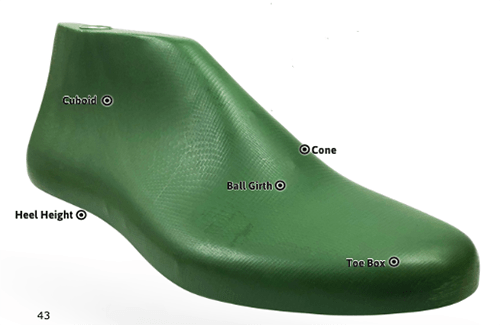
The running shoe last is designed to create a lightweight, close-fitting, flexible shoe with enough heel lift for impact-absorbing cushioning. This last has a low medial sidewall that flares up to create extra toe space. This gives the shoe extra flexibility and helps hold the foot back into the shoe for a snug fit without pinching the runner’s toes.

The running shoe last is designed to create a lightweight, close-fitting, flexible shoe with enough heel lift for impact-absorbing cushioning. This last has a low medial sidewall that flares up to create extra toe space. This gives the shoe extra flexibility and helps hold the foot back into the shoe for a snug fit without pinching the runner’s toes.
The running shoe last is designed to create a lightweight, close-fitting, flexible shoe.

Feather Edge

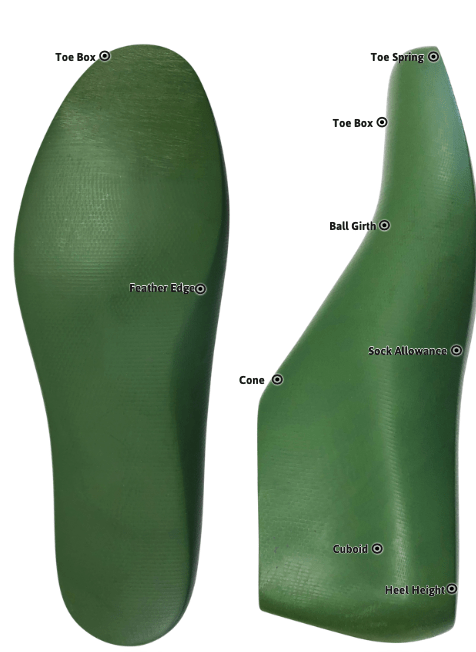
The feather edge of this running shoe last is relatively hard. This last
can be used for both Strobel and board lasting constructions. Most running shoes are Strobel lasted to be lightweight and flexible. However, some running shoes designed for heavy runners and extra stability may be combination lasted with a 3⁄4 length lasting board under the heel.

Toe Spring

The toe spring of this running shoe last is a standard 15mm. The midsole tapers forward of the ball girth line creating more rise in the front of the shoe. The running shoe is flexible, so the minimal toe spring is just enough to stop the upper from wrinkling.

Toe Box

The toe box is the full height at the tip and
stays flat above the toes. The last contour rises smoothly into the cone to create a gradual slope.

Ball Girth

The ball girth of this shoe is standard for a 9D, 241mm. This creates a close-fitting upper that holds the foot securely. The girth dimension is critical to hold the foot back while allowing it to flex naturally.

Cone

The cone of a running shoe last must fit close, holding the foot back into the heel pocket of the shoe.

Sock Allowance

Running shoes will have a sock allowance. About 4mm to 5mm is enough for a fully padded EVA footbed with fabric top sheet.

Cuboid

The cuboid of a running shoe last is wide at the feather edge but tapers to be dramatically thinner above the ankle. This creates a snug-fitting collar to hold the foot down into the shoe.

Heel Height

The typical running shoe last heel lift is 15mm, the standard for an athletic shoe. This provides space under the heel for cushioning. The heel contour of the last is fully formed to create a secure pocket for the foot

The running shoe last is designed to create a lightweight, close-fitting, flexible shoe with enough heel lift for impact-absorbing cushioning. This last has a low medial sidewall that flares up to create extra toe space. This gives the shoe extra flexibility and helps hold the foot back into the shoe for a snug fit without pinching the runner’s toes.
Running Shoe Last Design
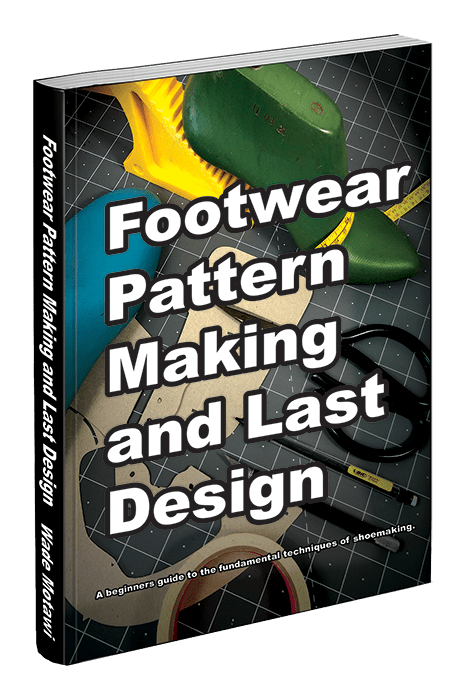
Footwear Pattern Making and Last Design

Footwear Pattern Making and Last Design
A beginner’s guide to the fundamental techniques of shoemaking. 

Do you want to learn how to make shoe patterns? Do you know how to design a last for a high heeled fashion shoe versus a sneaker or dress shoe? In Footwear Pattern Making and Last Design, we will teach you the shoe last design process and detail the basic techniques of footwear pattern making.

Shoemaking
TextbooksBuy Now
Shoemaking
SuppliesBuy Now
Shoemaking
CoursesCourse Details

Previous
Next

Posted on

The Shoe Last is First

Footwear Pattern Making and Last Design Written and Edited by Wade and Andrea Motawi
The shoe last is the starting point of every shoe design and has been called “the heart of the shoe.” The last is the center of the entire shoemaking process. The shoemaker starts with the last and builds the shoe outward.
This is an excerpt from Chapter 1 : Footwear Pattern Making
and Last Design

The shoe last is the starting point of every footwear design and has been called “the heart of the shoe.” The last is the center of the entire shoemaking process. The shoemaker starts with the last and builds the shoe outward.

The shape of the last determines the fit, performance, ergonomics, and styling of a shoe.
It is also what makes a shoe suitable for playing basketball, climbing mountains, or running a marathon. A great footwear design is nothing if the last is not appropriate to the shoe’s function.

Footwear Pattern Making and Last Design
Plastic sandal Last

The shoe last

The last is a roughly foot-shaped form made of molded plastic, carved wood, cast aluminum, or 3D printed plastic. Why is the last called the last? The word ‘last’ comes from the old English word ‘laest,’ which means ‘footprint.’ The first shoe lasts were used by the Greeks and Romans. We know from ancient writings that lasts were used to make shoes around 400 BCE!

Then as now, the last is critical to the shape and the fit of a shoe. The last is used in all phases of the shoemaking process. The last sets the size, silhouette, and outline of the shoe. The last plays a central role from the design phase through the development process and on the production assembly line.

Footwear Pattern Making and Last Design
High heel last

Footwear design with the last

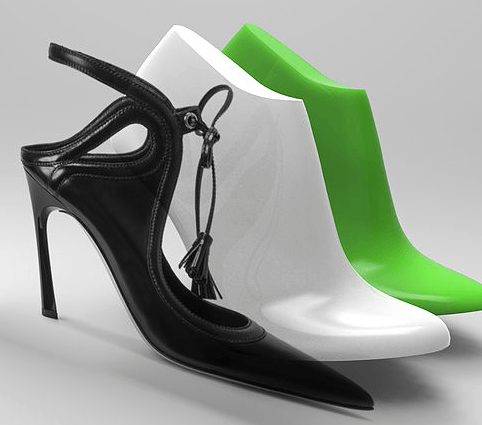
The footwear designer will often draw a new design directly onto the surface of a last or draw the design on paper using the 2D last silhouette as a guide. The shoe designer must follow the outline shape of the last bottom to draw an accurate outsole design.

Footwear Pattern Making and Last Design

Footwear development and the shoe last

When a shoe design is passed to the development team, the pattern maker will need the last to transform the design drawings into the 2D shapes that will fit the 3D last. The pattern maker can use the physical last or a CAD model of the last to create the shoe pattern. The last is used to test fit all the cut parts and any molded parts required for the design.

The last is used during shoe production.

The shoe last in footwear production

When a shoe is in production, the stitched pattern will be stretched over the last to create the final shape. This operation is called “lasting.” There are several different lasting techniques used to pull the patterns into shape. These include force lasting, board lasting, string lasting, toe lasting, heel lasting, hand lasting, and machine lasting. Once the pattern is tight to the last, the outsole can be attached. The last holds the soft upper in place, whether the sole is sewn on or cement-bonded.

Footwear function and fashion

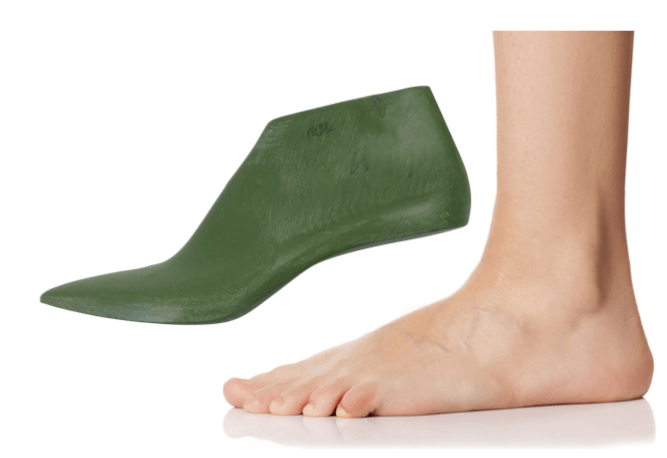
The modern shoe last is not a replica of the human foot. The shoe last is a generalization of the
human foot with care taken to account for natural articulation and volumetric changes as the foot moves and flexes. A high quality running or walking shoe will have a thoughtfully developed last. A large shoe brand will have the help of shoemakers, podiatrists, and kinesiologists to develop biomechanically ideal shapes.

The modern shoe last is not a replica of the human foot. The shoe last is a generalization of the
human foot with care taken to account for natural articulation and volumetric changes as the foot moves and flexes.
Shoe last vs Human foot

How the shoe last differs from the human foot?

The last surface is smooth and firm with graceful transitions. The human foot has an irregular shape with a variety of soft and wrinkled surfaces.

Most shoe lasts do not have individual toes. The sandal last will have a slot for the toe-post location. The new toe shoe trend requires lasts with toes, but these are rare. The vast majority of shoe lasts do not have toes.

The heel pitch that lifts your heel off the floor does not exist in the human foot. The toe spring of the last also does not exist in human anatomy but aids in walking and helps the shoe flex with the foot without wrinkling. The girth measurements around the foot are larger in a shoe last than the foot to account for the volumetric changes as the foot flexes when walking under load.

Shoe lasts are also slightly longer than the foot. This extra length allows the foot to move inside the shoe when walking or running. The general outline shape of the last and its extended length allow it to address the great variety of human feet. The last length ahead of the toe tip gives the designer a chance to sculpt the shoe according to fashion trends.

Shoe last sizes and dimensions change or “grade” in a systematic arithmetic way. Lasts are also symmetrical, the right side being a mirror image of the left. The human anatomy obeys no such rules for size and symmetry.

In about 80% of the population, the foot of your dominant hand can be 1/8 to 1/3 of an inch shorter than the foot of your non-dominant hand. Thus, right-handed people will have a slightly larger left foot.

Finally, lasts are designed by human minds to follow the whims of fashion and human-
made functional parameters. The foot itself has evolved over millions of years to provide walking propulsion and weight-bearing functions in natural environments. Evolution has not prepared the biology of the human foot for hot asphalt, factory floors, or modern office floors.

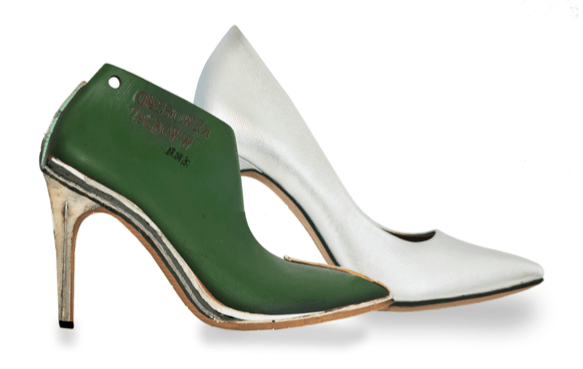
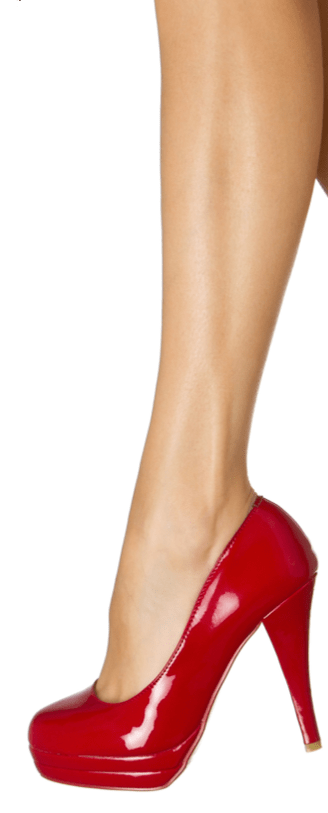
A last’s shape is also critical to the fashion or style of the shoe. The skillful work of the best Italian prima donna designer is wasted if the pattern is made on a last designed for a mountaineering boot.

The last is the unseen structure for the sculptural art of today’s high fashion footwear designers. When “style is king,” the consideration for human anatomy is sometimes set aside.

Shoes, patterns, and lasts have been created to transform the human foot into an instrument for sports, a tool for work, a mode of transportation, and even an object of desire.

Design High Heel shoes

A last’s shape is also critical to the fashion or style of the shoe. The skillful work of the best Italian prima donna shoe designer is wasted if the pattern is made on a shoe last designed for a mountaineering boot.

The shoe last is the unseen structure for the sculptural art of today’s high fashion footwear designers. When “style is king,” the consideration for human anatomy is sometimes set aside.

Shoes, shoe patterns, and shoe lasts have been created to transform the human foot into an instrument for sports, a tool for work, a mode of transportation, and even an object of desire.

Shoemaking
TextbooksBuy Now
Shoemaking
SuppliesBuy Now
Shoemaking
CoursesCourse Details

Previous
Next

Posted on

descarga de tres libros de zapatería

descarga de tres libros de zapatería

¡El conjunto completo de libros de zapatería! ¡Haz despegar tu carrera como zapatero!

descarga de tres libros de zapatería
“Cómo se hacen los zapatos”, 200 pages
“Guía para el diseño de materiales de calzado“, 199 pages
“Cómo empezar tu propia empresa de calzado“, 170 pages

Descarga instantánea, ¡comienza a leer ahora!


Cómo se hacen los zapatos

Una mirada al interior de una verdadera fábrica de calzado deportivo.
Peso del producto : 721 g
Tapa blanda : 227 páginas
ISBN-10 : 0998707058
ISBN-13 : 978-0998707051
Editorial : Wade’s Place (5 abril 2018)
Dimensiones del producto : 21.59 x 1.37 x 27.94 cm
Idioma: : Españo


Cómo empezar tu propia empresa de calzado

Una guía de inicio para diseñar, fabricar y comercializar zapatos.
Tapa blanda : 175 páginas
ISBN-10 : 0998707082
Peso del producto : 562 g
ISBN-13 : 978-0998707082
Dimensiones del producto : 21.59 x 1.07 x 27.94 cm
Editorial : Wade’s Place (8 junio 2020)
Idioma: : Español


Guía para el diseño de materiales de calzado

La guía de los diseñadores de calzado para seleccionar y especificar materiales.
Peso del producto : 590 g
Tapa blanda : 199 páginas
ISBN-10 : 1735883301
ISBN-13 : 978-1735883304
Editorial : Wade’s Place (11 octubre 2020)
Dimensiones del producto : 21.59 x 1.19 x 27.94 cm
Idioma: : Español

Cómo se fabrican
los zapatos

¿Quieres aprender cómo se fabrican los zapatos deportivos modernos?Una mirada detrás de escena de una
verdadera fábrica de calzado deportivo.
Contiene 222 páginas con más de 400 fotos en color.
¡Comprar ahora!
Oferta especial

Patronaje de calzado y diseño de hormas

Una guía para principiantes sobre las técnicas fundamentales de la fabricación del calzado. 200 páginas con más de 500 fotos en color.
¡Comprar ahora!
Oferta especial

Descargar cuatro libros de zapatería

“Cómo se hacen los zapatos”

“Guía para el diseño de materiales de calzado“

“Cómo empezar tu propia empresa de calzado“

“Patronaje de calzado y diseño de hormas”

¡Comprar ahora!
Oferta especial

Posted on

Manufactura e importación de calzado


¿Cómo hacer zapatos para tu nueva marca de zapatos?

Con los diseños en mano, ahora es el momento de encontrar una fábrica… ¿Verdad? Pues no. Con tus nuevos diseños de calzado en mano, tómate un tiempo para ENSEÑARLOS. Deja que tus amigos y familiares echen un vistazo, enséñaselo a tus vecinos; pueden darte una nueva visión y confianza para seguir adelante. Sobre todo, cuando muestres tus diseños, estarás practicando tu argumento de venta. Es un buen momento para que algunas personas de la industria echen un vistazo. Prueba con un agente de ven- tas de una tienda de calzado de tu zona. Si tiene contactos en el negocio del calzado, habla con ellos.

Una vez que hayas pulido tu argumento de venta, necesitarás capital para comenzar. Las fábricas, los agentes, las tiendas de maquinaria, las aerolíneas, los proveedores de materiales, y las compañías de envío requerirán el pago, y en algunos casos será antes del servicio. Asegúrate de tener capital disponible. Revisaremos los requisitos de capital un poco más tarde, pero debes estar preparado para aumentarlos. Crear un plan de negocio detallado para demostrar que estás listo para construir y operar una empresa.

¿Estás preparado para buscar una fábrica de calzado?

El personal de ventas de la fábrica de calzado trabajará arduamente para ver que cumplas con los requi- sitos. Querrán asegurarse de que seas una persona seria, y que tanto el proyecto como tú, tengáis potencial. Asegúrate de tener un argumento de venta, y que tus planes comerciales estén completos antes de comenzar a reunirte con las fábricas.

Checklist para reunirse con fábricas

Entrar a una reunión con confianza en ti mismo, y un plan de negocio trabajado, te ayudará a presentar la imagen profesional que deseas proyectar para tu empresa. Asegúrate de tener la siguiente información:

1. Briefing del proyecto: una lista con exactamente lo que quieres lograr. Modelos y colores, etc. 
2. Diseños: Dibujos completos y detallados, con todos los colores, materiales y construcciones.
3. Diseños de suelas: completos, en dibujo 2D.
4. Precios: se debe calcular el precio objetivo (target price) FOB, mayorista y minoristas.
5. Calendario: fechas de lanzamiento retail.
6. Capital: una estimación real, y el plan para conseguirlo.

Encontrar la fábrica para tus zapatos

Encontrar una fábrica para un nuevo proyecto de calzado puede ser muy difícil. Si eres nuevo en el comercio de calzado y no tienes ningún vínculo personal, será difícil encontrar una fábrica que acepte tu proyecto. Pero no te preocupes, hay al- gunas estrategias que puedes seguir para colocar tu proyecto en la fábrica correcta.

Obtenga más información

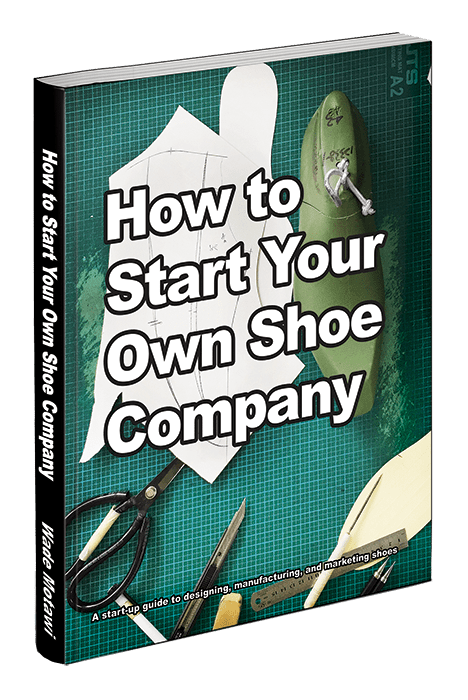
Cómo empezar tu propia empresa de calzado Una guía de iniciación al diseño, la fabricaciõn y la comercialización de calzado.

Cómo empezar tu propia empresa de calzado

Una guía de iniciación al diseño, la fabricaciõn y la comercialización de calzado.

Contactos del diseñador,
búsqueda en internet,
redes de negocios, y redes sociales.
Agentes de calzado y empresas comerciales,
trabajar con un agente.
La mejor fábrica para tu proyecto.
¿Cuál es el mejor tamaño de fábrica?
Comprar con calidad.
¿Las fábricas ayudan a marcas nuevas?


Descargar cuatro libros de zapatería

“Cómo se hacen los zapatos”
“Guía para el diseño de materiales de calzado“
“Cómo empezar tu propia empresa de calzado“
“Patronaje de calzado y diseño de hormas”
¡Comprar ahora! Oferta especial
Posted on

Inside a Fake Air Jordan 1

see Inside a Fake air Jordan 1 How To Spot Fake Nike Shoes: 10 Ways To Tell Real Nikes, How to Spot Fake Nikes, how to spot fake Air Max, legit check App
The Sneaker chop Inside a Fake air Jordan 1 see Inside a dismantled air Jordan 1 Fake
Let’s see inside a Fake Nike

A Fake Nike Sneaker Deconstructed!

Here at the Sneaker Factory, we love to see how shoes are made! We even wrote a book called How Shoes are Made. To really see how Nike makes shoes, it’s best to slice into a few pairs and see what’s going on inside. So, today we are slicing open a fake Nike Air Jordan!

Is Something Missing?

While the shoe looks decent for a Fake Nike Air Jordan, once you slice into it, you can see it’s missing something very important…the Air. This fake Nike from China is made with a simple EVA die-cut midsole. Likewise, the factory took care to profile the EVA, so the forefoot is thinner than the heel. This is a common sneaker production process, just not the one a real Nike Air Jordan would have.

A Closer Look Inside the Air Jordan 1

After we deconstructed this Nike Air Jordan 1, we took some time to detail all the parts inside and out. First off, this fake Nike Air Jordan is missing the Airbag and PU midsole, but the remaining parts are close to the original Nike Spec. Furthermore, the internal components are not exactly the same quality, but you can see the configuration is nearly right. The Air Jordan is not a complicated shoe to assemble. I guess this is what makes it a popular shoe to counterfeit.

Inside a cut nike air Jordan 1 Inside a cut nike air Jordan 1
The Nike Spec


See More Deconstructed Sneakers

Build Your DreamsAir Jordan DIY Kit
Last & Outsole

Stop searching! We have the classic Air Jordan style last and outsole in stock. Ready for your Air Jordan 1 restoration and DIY shoe projects. We have your size in-stock! Buy Now On sale $119

New Online Course
Sneaker Authentication

13 Authentication lessons.
3 hours of video instruction.
In-depth study of footwear inspection techniques.
Authentication textbook included.
Course Details enroll now $199
Posted on

Sneaker Factory Pro Pack 2023 Upgrade

Shoe Company Start-Up Pro Pack Download

The new 2023 Start-Up Pro Pack includes:

A must-have for anyone serious about launching a new footwear company! The Shoe Company Start-Up Pro Pack Download is all you need to get your shoe business off the ground. For 2023 we have upgraded the Sneaker Factory Pro Pack to include the newest book in our catalog, Footwear Pattern Making and Last Design.

The Start-Up Pro Pack will show you how shoes are made, how to select materials, and how to start a shoe brand. You will learn how to write product briefs, how to find a shoe designer, how to raise money, find a factory, import and market your shoes, and much more. Your success starts here! Four books, totaling 785 pages with over 1355 color photos!

Two options for Purchase

You can purchase the download edition for $79.99 or Purchase the printed version for $169.99 + shipping. As a special gift, the print version includes the complete Pro-Pack download. You can start reading today while you print books are mailed to you.

Instant download, start reading now!

What’s included in the Sneaker Factory Pro Pack? Everything!

1.   Print & Download Editions of How Shoes are Made, 224 pages.
2.   Print & Download Editions of Shoe Material Design Guide, 200 pages.
3.   Print & Download Editions of How To Start Your Own Shoe Company, 176 pages.
4.   Print & Download Editions of Footwear Pattern Making and Last Design, 200 pages.
4.   Cut-paper factory shoe pattern and Downloadable PDF and live vector .ai formats.
5.   Real factory shoe pattern in downloadable PDF and live vector .ai formats.
6.   Sample shoe specification drawing, 8 pages. PDF and .ai formats.
7.   Factory blueprint for an EVA & rubber running shoe outsole unit. PDF and a live vector file.
8.   Complete line item shoe specification in .xls format.
9.   3D print files for size 9 shoe last in STL format.
10.  Die-cut files to make a cardboard shoe last.
11.  Shoe size run calculator in .xls format.
12. Start-up shoe company profit margin calculator in .xls format.
13. The graded pattern for Arris running shoe. PDF and .ai formats.
14. The graded pattern for women’s T-Strap high heel shoe. PDF and .ai formats.

How Shoes are Made
Series: How Shoes are Made (Book 1)
Paperback: 224 pages
Publisher: Wade’s Place; 3rd edition (April 5, 2018)
Language: English
ISBN-10: 1519389574
ISBN-13: 978-1519389572
Product Dimensions: 8.5 x 0.5 x 11 inches

Shoe Material Design Guide
Series: How shoes are Made (Book 2)
Paperback: 200 pages
Publisher: Wade’s Place; 1 edition (December 26, 2017)
Language: English
ISBN-10: 099870704X
ISBN-13: 978-0998707044
Product Dimensions: 8.5 x 0.5 x 11 inches
Shipping Weight: 1.5 pounds

How To Start Your Own Shoe Company
Series: How shoes are Made (Book 3)
Paperback: 176 pages
Publisher: Wade’s Place; 1 edition (February 20, 2017)
Language: English
ISBN-10: 0998707015
ISBN-13: 978-0998707013
Product Dimensions: 8.5 x 0.4 x 11 inches
Shipping Weight: 1.2 pounds

Footwear Pattern Making and Last Design
Series: How shoes are Made (Book 4)
Paperback: 200 pages
Publisher: Wade’s Place; 1st edition (June 25, 2020)
Language: English
ISBN-10: 0998707074
ISBN-13: 9780998707075
Product Dimensions: 8.5 x 0.4 x 11 inches
Shipping Weight: 1.2 pounds3

Shoe Business Builder Pro Pack Bundle

A must-have for anyone serious about launching a footwear company. 4 text books, shoe business documents and downloadable content not available anywhere else! The Shoe Company Start-Up Pro Pack bundle is all you need to get your shoe business off the ground.
Learn more
Download Today