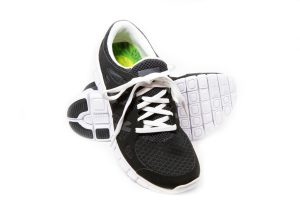
Long Beach, California | Wednesday, October 24, 2018 FDRA and the Footwearists are excited to announce the launch of the Footwear Design Summit—the first and only summit focused on helping development leads and shoe designers explore and understand new software, technology, trends, and tools changing how we design shoes in a speed-to-market world.
Wade Motawi the footwear designer behind Shoemakers Academy.com and the popular shoemaking books How Shoes Are Made, Shoe Material Design Guide and How To Start Your Own Shoe Company will be speaking on the subject of design for manufacturing.
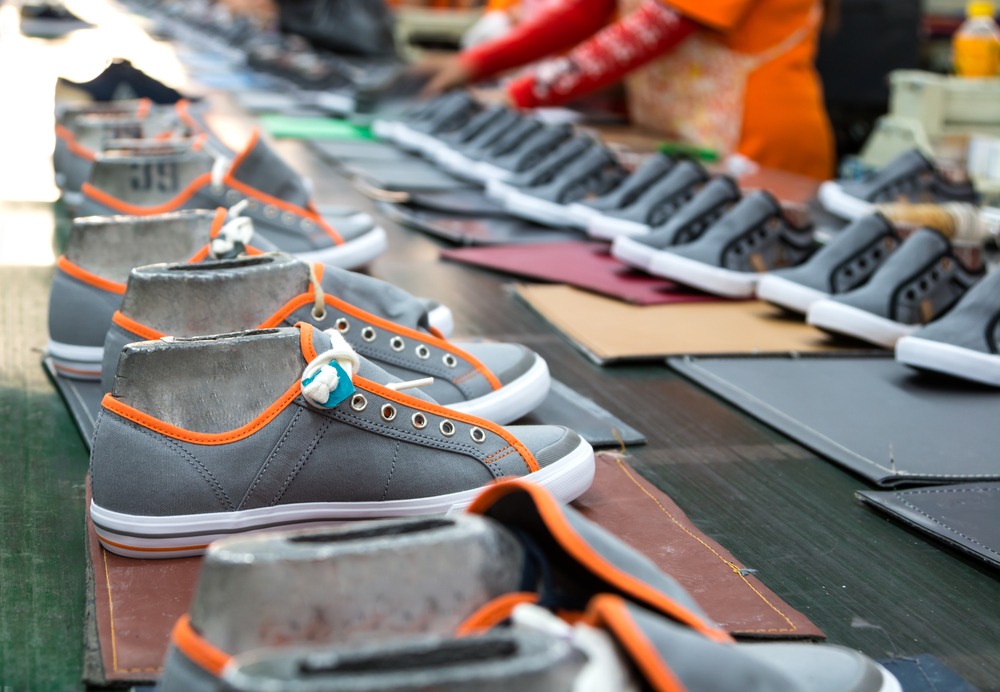
What tooling do I need to start shoe production? The tooling required for production varies greatly depending on the design of the shoe. A simple moccasin style shoe requires almost no tooling, just a single cutting die, but a complicated high-tech running shoe will require dozens of different tools to make production quantities.
Here’s a basic list of the Shoe Tooling for Mass Production of a modern athletic shoe.
Shoe lasts
Development and Last Making
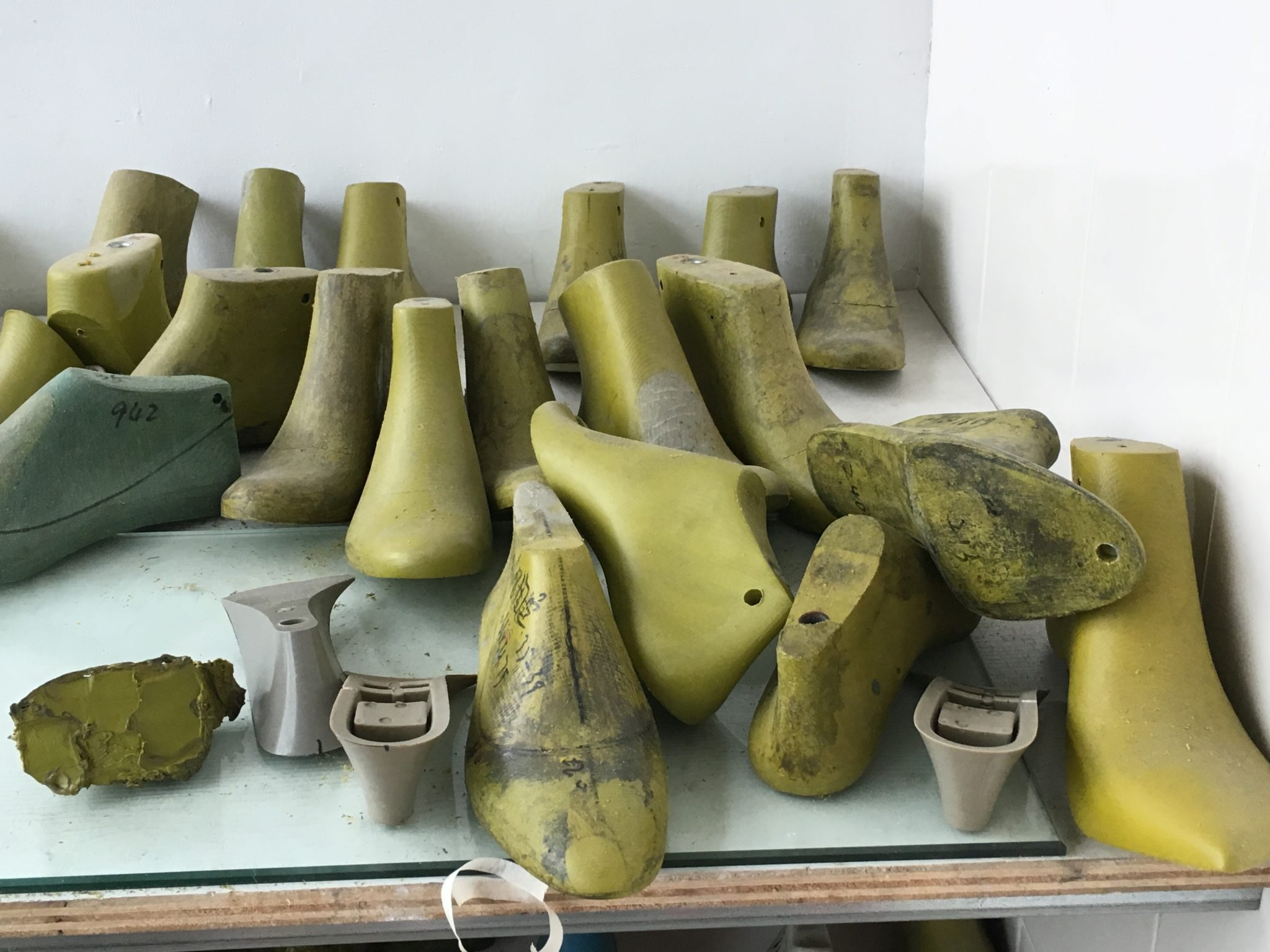
Lasts made of metal or plastic are required to produce shoes. One last for each shoe size and both left and right are required. A full-size grade for normal shoe production requires 14 sizes and you’ll need about 750 lasts in total to support mass production of 1500 pairs per day. Last Options: Shoe factories have a stock of lasts on hand. If you get lucky, you may find a last that is suitable for your shoe design without having to make a new set. You can often develop a new last by visiting the last shop or factory. They will have a library of lasts you can select from to start.
Production cutting dies
Cutting dies getting a coat of paint
Each shoe design requires its own set of cutting dies. Each shoe part needs its own cutting die. Again, if you have 14 sizes of shoes, you will need 14 sets of cutting dies. A set of cutting dies may have a dozen different pieces. The number of pieces depends on how complicated the shoe pattern is. The factory will need cutting dies for all the hidden reinforcement pieces too.
Pattern cutting die options: To save the cost of opening new cutting dies for small orders, shoe factories are investing in automatic cutting machines. These cutting machines use water, laser, or vibrating blades to cut shoe pattern shapes by computer control. The new CNC cutting machines have vacuum conveyor belts and can cut thousands of parts per hour.
Outsole tooling for shoes
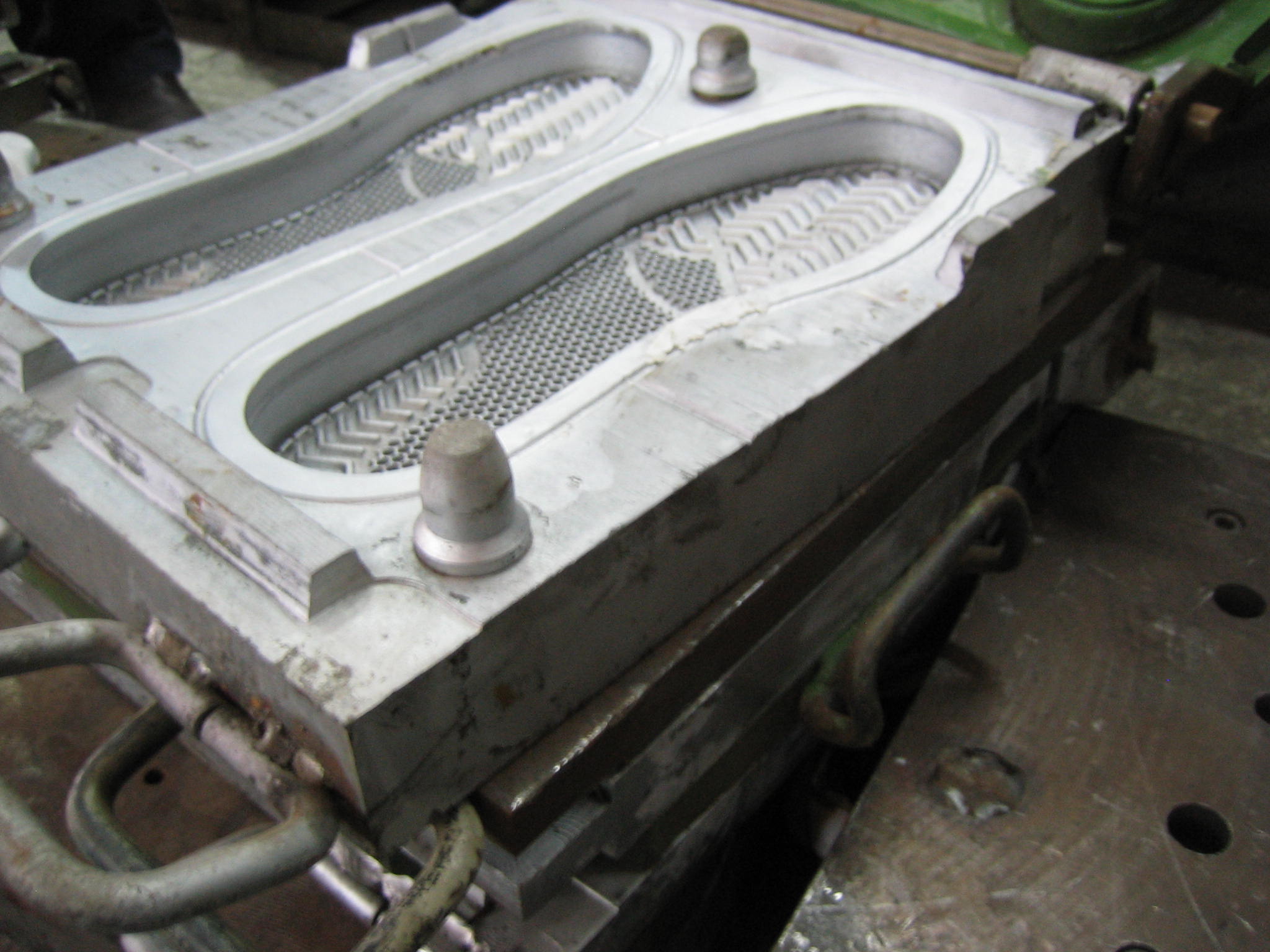
Outsole tooling is like a big waffle iron
Depending on the construction of your outsole unit you may need another set of tooling. Once again, the set would include 14 sizes, left and right. A cupsole is the simplest outsole and can have the left and right outsole built into the same mold. More complicated two-part soles will require molds for the EVA parts. Plastic shanks will require injection molds, etc…
Outsole tooling options: In China, many factories have “open” molds. These sole molds are free to use by any customer. The designs may not be cutting edge but you can’t beat the price. Many of these open molds are made with removable logo plates so you can add your own logos.
Logo Tooling
Shoe Logo Tools
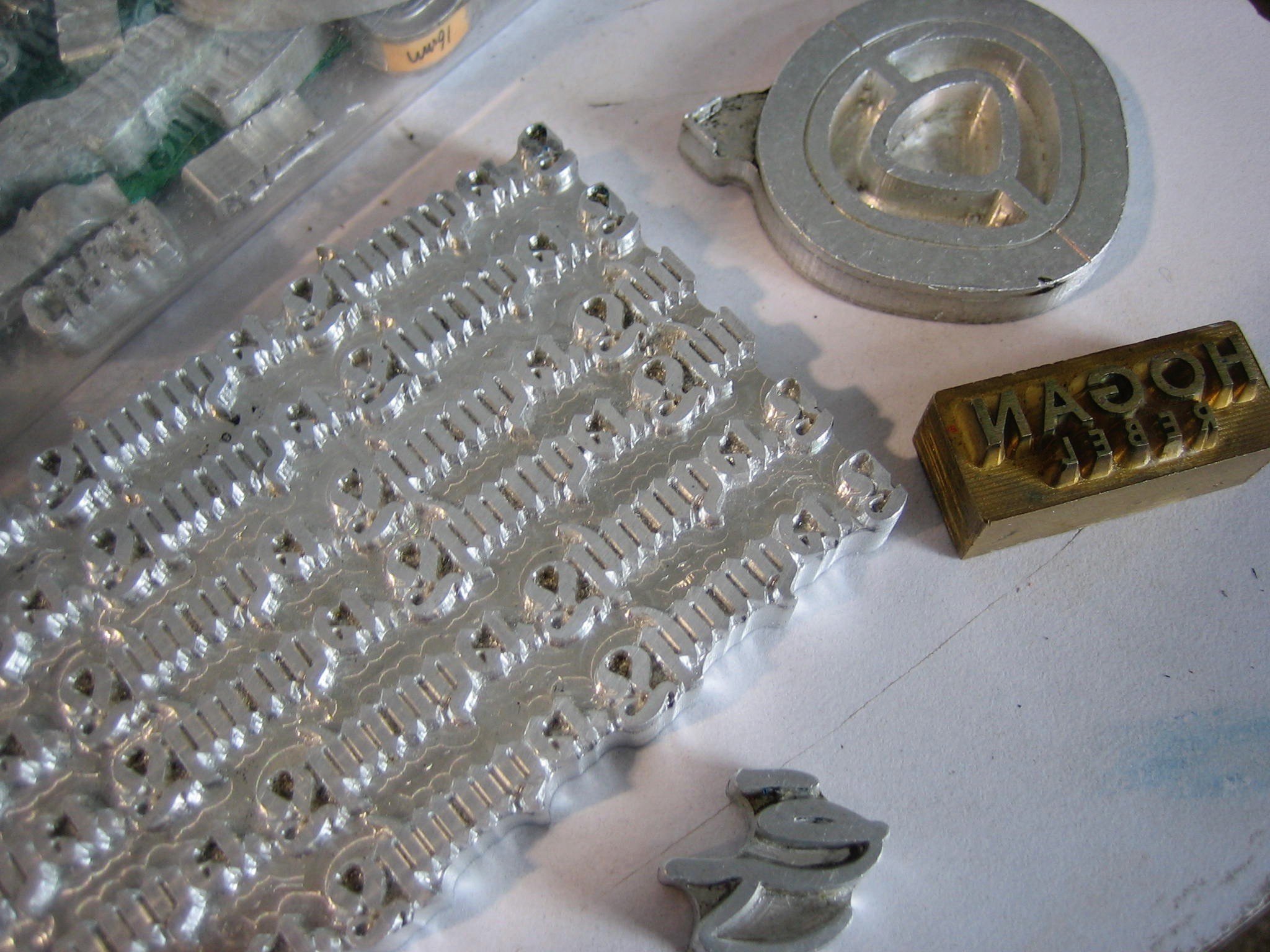
Aside from the major tooling requirements for lasts, outsoles, and cutting dies, a shoe design may require some welding, embossing, or rubber logo micro injection tooling. To make a size run of shoes with logos you may need two or three logo sizes depending on the design.
The cost of shoe tooling
Sneaker rubber outsole tooling being made
The tooling can add up pretty quickly! 14 midsoles, 14 outsoles, 14 sets of cutting dies, injection shanks, a dozen logo molds for uppers and you could easily have $85,000 worth of molds before you even start the production run, and that’s not including the last. Lasts may cost $3 to $7 each, and multiply that cost by 750 pieces.
A set of cutting dies may cost $3000-$5000. The factory will generally add the cutting die charge into the price of the shoe if you place a sizeable order. If you order less than 5000 pairs you will likely see a bill for lasts and cuttings dies.
The tooling expense explains why you often see the same outsoles and lasts used on several models. Many small companies use “open” molds. The open molds are outsole designs that have removable logo plates. While the designs may not be exactly what you are looking for and the last may not fit exactly as you want…They are open, available, and free to use.
In the footwear manufacturing process, the sample size shoe pattern is always confirmed first. Afterward, the pattern master will make the pattern pieces for all the remaining shoe sizes. This process of adjusting the pattern for each shoe size is called shoe pattern grading. A complete, graded, production pattern for a typical sports shoe will require over 200 individual shoe pattern parts. Each pattern part will require its own cutting die.
Shoe pattern grading is done according to the last sizes. While each shoe last will have its own specific contours and unique outline shape, the size grading increments are standardized. For men’s shoes, the length of the last changes 4mm per USA half size and 4mm per European size (full sizes only). The US standard size 9 last is 276mm long, and the size 9.5 is 280mm long.
The shoe lasts’ other critical dimensions also change per size, but at different rates. For example, the ball girth is graded at 3mm per size, and the ball width (measured across the bottom of the last) measures 66% of the total ball girth. For men’s size 9, the ball girth is 234mm and the ball width is 156mm. Also, while the shoe length increases 4mm per half size, the collar height and back height increase only 1mm per size.
The shape of each shoe component will change per size depending on its location. The tongue length will increase quickly according to the last length, while the width grades slowly according to the girth.
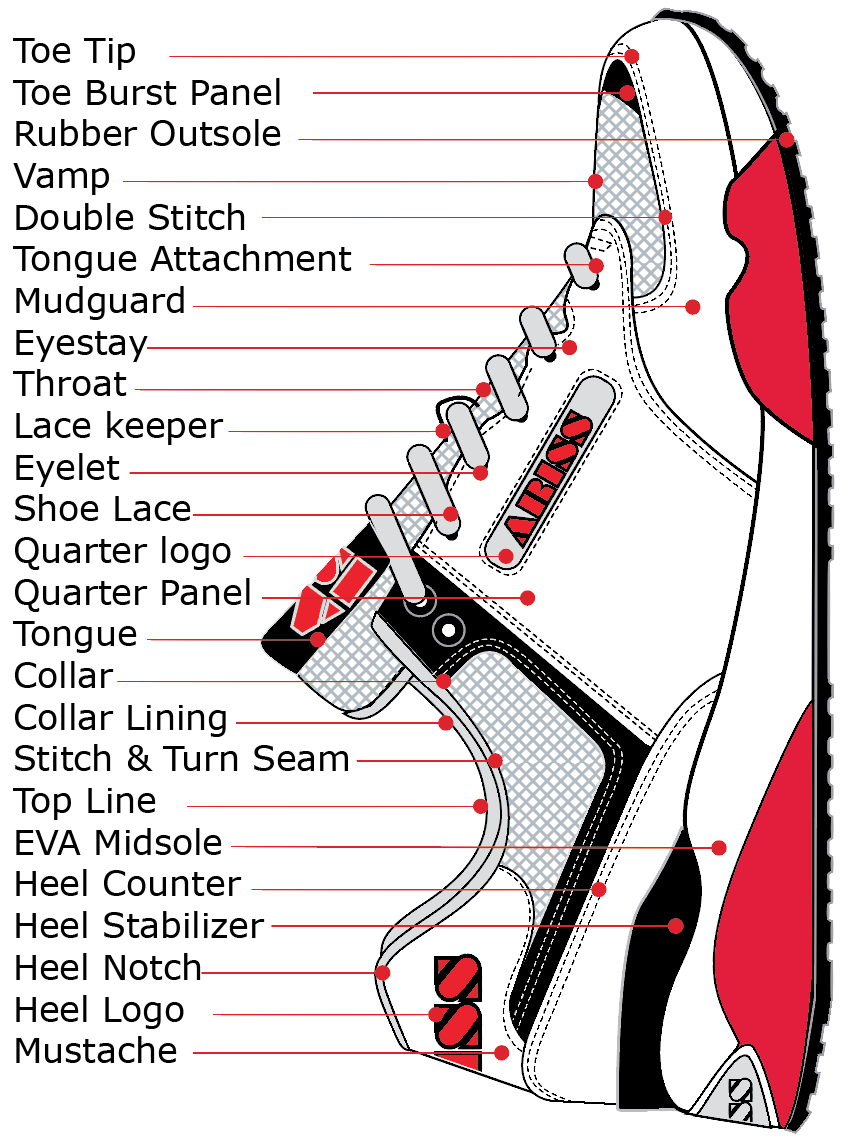
The heel mustache’s width will increase more than its height as the sizes get bigger. The back counter parts also increase quickly in width according to the last length while the height grade is small.
Not all the features of a shoe pattern are graded. For example, the pattern overlaps and lasting margins are not graded. Pattern grading in a modern shoe factory is done by a computer. The middle size, or sample pattern, is digitized by the pattern assistant. Next, the computer takes over grading the pattern according to the last dimensions already stored in the program. In the old days, a pantograph machine was used to trace the pattern. The geometry required for the arms to adjust according to the length and width of the pattern parts was done by hand.
Once the pattern is graded, the pattern master will check it by hand. The pattern master then instructs the sample room to make the trial patterns. The trial patterns are checked for visual proportions and outsole fitting. Once the patterns are approved, the cutting dies will be made.
Radio frequency welding (RF welding) and compression molding are widely used to make modern athletic shoes. Both processes are used to create logos, design details, and even the shoe structure. In this article, we will review how Nike™ and Adidas™ are using these techniques.
Compression molding and RF welding both use heat and pressure to remold shoe materials. Welding can create unique design effects and save labor costs.
Welding Materials:
Man-made and natural materials can both be used but they require different tooling and RF welding techniques. Man-made materials such as mesh, PU, and foam can melt, mold, fuse, and stretch. Natural materials, such as leather and canvas, have some stretchability but will not remelt or fuse without the use of a synthetic backing material.
The factory will use EVA, PU, PE, and PVC foams to make the backing layers. These foams all accept the compression and with the right head and pressure, they will not rebound after RF welding.
Metallic Silver TPU
Synthetic Suede
Synthetic Suede Matched Mold
Pressed Suede
Silicon filled
RF Welding Tooling:
Logo welding equipment is usually Computer Numerical Control (CNC) cut from a soft, conductive, and rust free metal. Usually brass. Larger pressing tools can be CNC cut from flat aluminum sheets. Pressing tools that require a flat surface to press against can be made one-sided. The one-sided welding tool is limited in the dimensions it can create. A two-sided or “matched welding tool” can create 3D pockets and larger features. After molding, these pockets can be filled with foam or silicon.
Whole Shoe Welding Tool
Welding tooling
Logo Tool
Small Brass tooling
Matched Mold
Logo tooling
Welding equipment:
Two classes of equipment are used to weld and emboss. The radio frequency or RF welder uses focused energy to locally heat the shoe materials and the machine comes in many sizes. A small, tabletop unit is great for logos, while a square meter sized machine is best for clothing and entire shoes.
Let’s look at some popular shoes and discuss how they are made.
Shoe logo welding machine
Shoe welding machine
Heat pressing Machine
Nike Air Zoom Pegasus ’92
This sneaker uses a combination of RF welding and compression molding to create a unique upper design. Nike has laminated a thin layer of soft, 4mm PU foam between a semi-elastic lining and a jersey knit polyester outer shell. The upper is a single u-shaped piece of material. A ribbed embossing tool is used to crush the PU, creating the design. The factory makes the Swoosh and Air Pegasus logo in a separate molding operation.
The factory die-cuts the swoosh logo from flat TPU stock. A small RF welding machine is used to mold the logo’s 3D shape while simultaneously melting and bonding it to the fabric surface. The Air Pegasus logo is made by a similar process with higher heat to create the details. The Air Pegasus logo is made from metallic TPU film.
The tongue is completed by screen printing the logos and then welding the edge design. The tooling required to build this shoe is not expensive when compared to the outsole cost but must be CNC cut from brass.
Nike Flywire 3.0
The Nike Flywire shoe is made by welding die-cut TPU parts directly to knit mesh. To make this style, the flat, die-cut parts are loaded onto a flat plate. A second flat plate is loaded on top and pressed with high heat and tons of force. The TPU melts into the fabric surface for a permanent bond.
TPU parts can be die-cut or laser cut for more complicated shapes.
Upper with Pressed TPU
Cut parts ready for welding
laser cut TPU parts shoe parts
Adidas Stan Smith Premium Leather
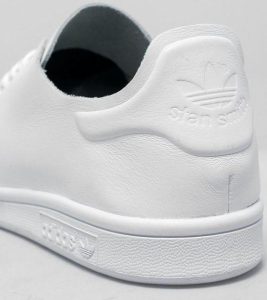
I really like what Adidas has done with this version of the classic Stan Smith. The Adidas designers have taken advantage of the Stan Smith’s toe cap pattern design to make a molded, one-piece heel, without any breaks. In this shoe design, Adidas shows the mold-ability of PU coated action leather. The heel logo detail is made by compressing the leather panel with a matched mold. When using a matched mold, the inner surface follows the outer surface to stretch the leather. After molding, the factory will fill the empty space with silicone gel or foam padding.
Shoe Material Design Guide
Footwear material selection.
Do you want to be a professional shoe designer? You must learn how to select and specify footwear materials correctly. The Shoe Material Design Guide details all the shoe materials you will need to make modern athletic, classic casuals and high fashion footwear.
Each chapter covers a specific shoe material type. You will learn how each material is made, the options available to you, and how to specify the material correctly. Inside you will find chapters on leather, textiles, synthetics, laces, glue, reinforcements, hardware, logos, midsoles, outsoles, and more!
See exactly how each material is used inside real production shoes. We have included annotated cross sections of over 30 different shoe types. Look inside basketball shoes, running shoes, track spikes, hiking boots, work boots, high heels, cowboy boots and many more!
You will also find information on topics such as material testing, sustainable production, exotic materials and more. Written as a companion to our best selling How Shoes Are Made, The Shoe Material Design Guide digs deeper into the world of footwear materials and design. Softcover, 330 color photos, 28 chapters, 195 pages.
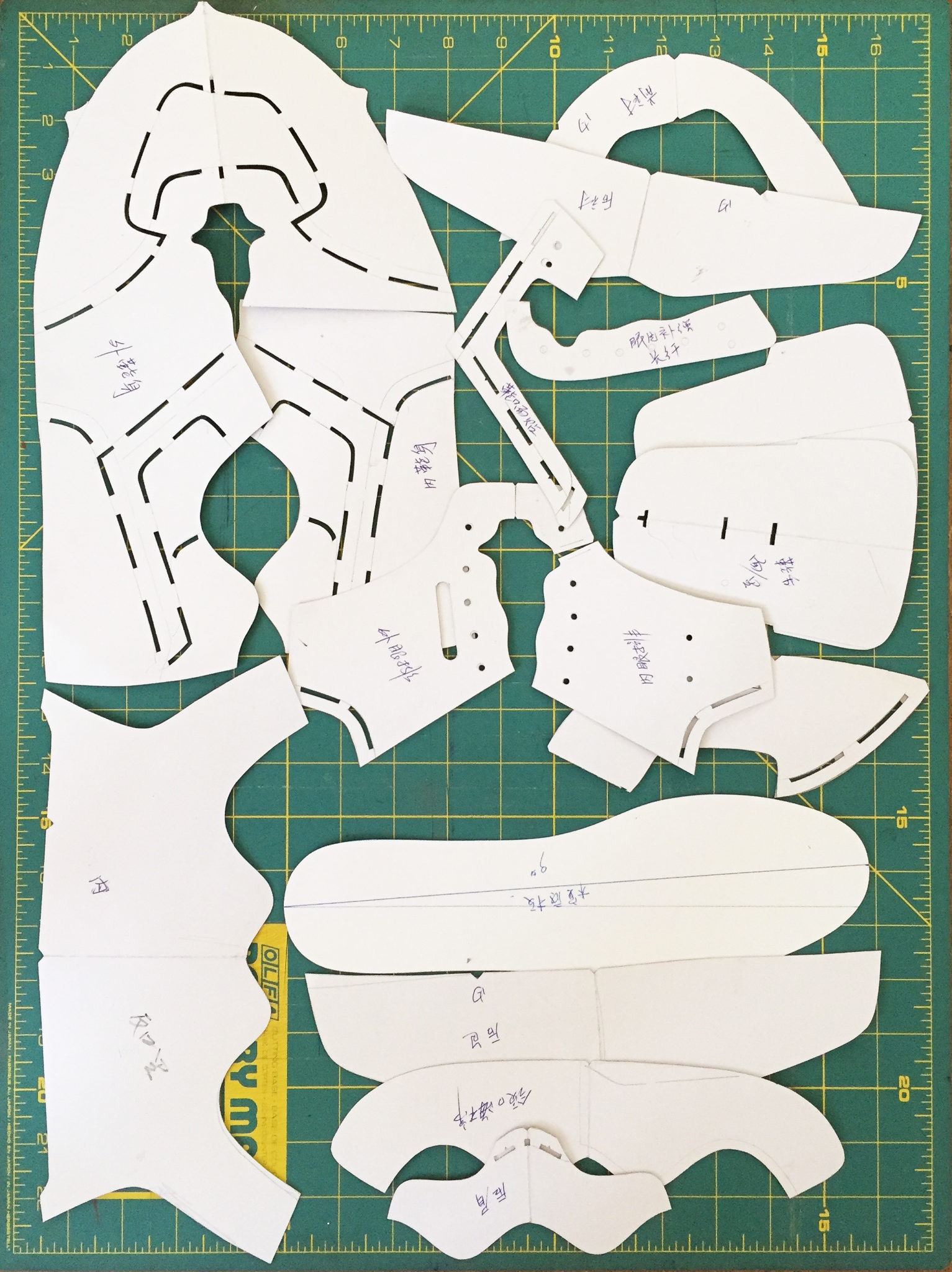
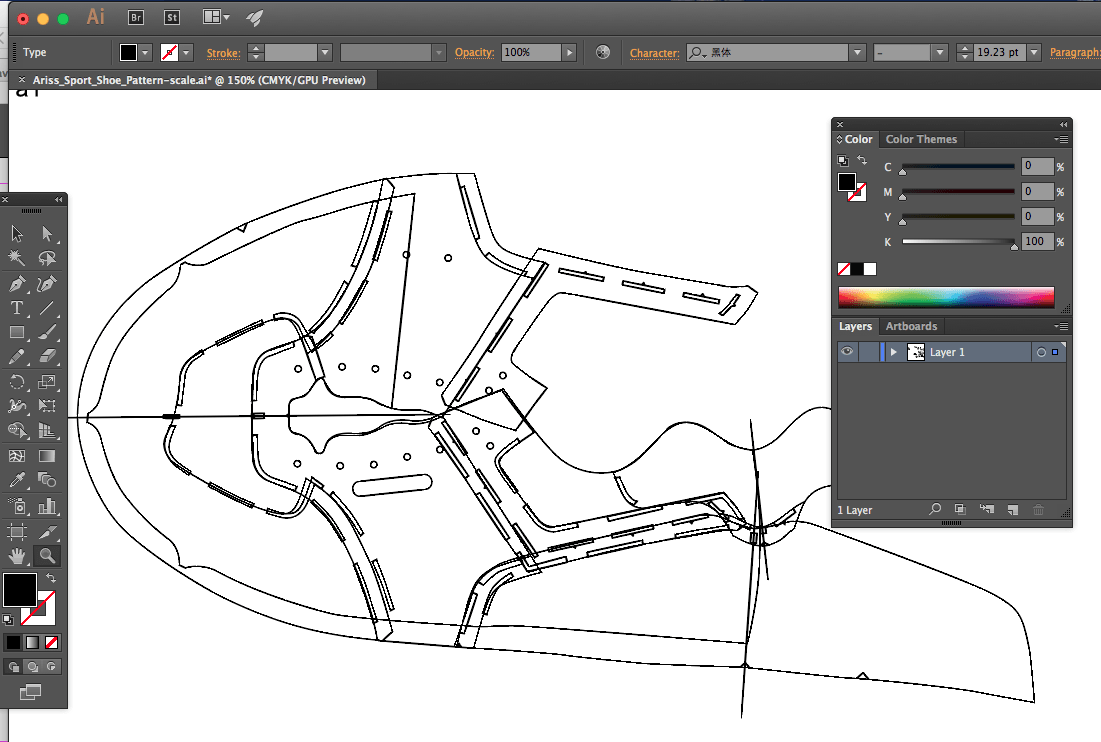
A shoe pattern consists of all the component parts needed to make a shoe. The pattern pieces are cut in 2D and once the pattern parts are assembled the shoe upper is lasted to set the 3D shape. You can learn more about lasts and lasting in the articles about shoe lasts and shoe lasting.
Pattern = Parts
The pattern is the template for all the shoe parts. To make a shoe you will need many pattern parts cut from many different materials. Even a simple shoe design may require more than 30 cut pattern parts. More parts are required inside the shoe than outside the shoe to make the inner lining and reinforcing parts. Once on the shoe assembly line, the workers follow the sewing pattern for the shoes to create the uppers.
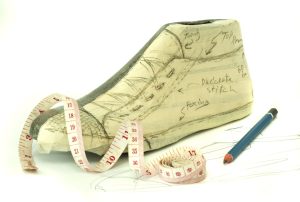
When a new shoe is being developed, the pattern maker, or pattern cutter, will create a forme from the last. The forme is simply the 3D surface of the last laid flat to paper. Once the forme is created, the 2D pattern can be drawn. See more on how to make your own shoe pattern.
Taped Last Method
A shoe pattern maker may use the taped last method to cut the shoe pattern. In this technique, the pattern maker will layer masking tape onto the last, then draw the design directly onto the surface. Once the design is finished, the entire taped panel can be removed or the design can be cut off the last piece-by-piece. There is no right or wrong way, for the pattern master it is a matter of preference.
Shoe flat pattern Complete Shell pattern
Computer Created Patterns
Today, we have CAD CAM software that a designer can use to “draw” the pattern onto the computer model of the last. This is a more advanced way to create patterns but there is still an art to holding the last in your hand and marking the design by eye.
Shoe pattern cutting is a special skill. While it is not hard to cut your own patterns step-by-step, it takes years to truly master the craft of pattern making. There are many books on the subject of pattern cutting.
If you want to learn more about footwear patterns and pattern making check out the book Footwear Pattern Making and Last Design from our How Shoes Are Made series. Also, here is a good one by Frank Jones.
Te estarás preguntando ¿puedo poner en marcha una empresa de calzado? La siguiente pregunta que debes hacerte es ¿qué necesito para empezar una marca de calzado? Cuando decimos: iniciar una empresa de calzado, realmente nos referimos a una empresa que diseña, comercializa, compra, e importa zapatos. Y no en una fábrica que hace zapatos.
Como empresas de calzado, tenemos en mente a marcas como Nike y Adidas, pero en realidad, estas empresas no poseen el equipo para fabricar las zapatillas que venden. De las principales compañías de calzado deportivo, solo New Balance posee tiene fábricas propias. Hay que destacar que, New Balance importa gran cantidad de los componentes de calzado del extranjero, e incluso algunos modelos de zapatillas de China.
Entonces, ¿qué necesitas para empezar tu empresa de calzado?
¿Cómo crear tu propio diseño de calzado?
Necesitarás algo especial, único, y original para captar la atención de la gente. Se fabrican miles de millones de zapatillas, ¿por qué querrán los tuyos?
¿Cómo crear tu propio diseño de zapatilla?, ¿cuentas con diseños, o necesitas contratar a un diseñador? Necesitarás dibujos en plano de tus modelos de calzado para comunicar las ideas con la fábrica. No tengas miedo de contratar este tipo de servicios. El mundo del calzado tiene muchos diseñadores freelance que realmente pueden dar vida a tus ideas. Sin buenos diseños, tu nueva empresa no irá a ninguna parte. ¿Cómo encontrar un diseñador de calzado?
Ahora retrocede un poco y piensa si tus diseños responden a esta pregunta: ¿esto representa mi nueva empresa de calzado?
Plan de ventas y distribución para tu nueva marca de calzado:
Lo complicado no es hacer las zapatillas, sino encontrar clientes para tus diseños. Deberás determinar esto ANTES de realizar un pedido a la fábrica. Las grandes marcas de calzado cuentan con pedidos en mano antes de producir los nuevos modelos.
¿Cuál es mercado de venta previsto para tus zapatos?
Antes de comenzar una empresa de calzado, necesitarás saber hacia dónde se dirigen los diseños, y de dónde vendrán. Determinar esto puede depender del estilo de la zapatilla, o tu plan de marketing. ¿Fabricar en Asia, o en Europa? Las zapatillas de deporte casi siempre se fabrican en Asia, en cambio, los zapatos de cuero se pueden hacer en Asia, pero los zapatos de cuero de alta gama, o los más clásicos, se fabrican en Europa. ¿Cómo empezar un negocio de calzado en línea?
¿Quién es tu cliente objetivo?
Averigua quién es el usuario final de tus zapatos. ¿Ejecutivos de negocios?, ¿roqueros con tatuajes?, ¿estudiantes jóvenes? Conocer a tus futuros clientes te permitirá establecer el precio, el aspecto, y los materiales para tu nuevo modelo. ¿Qué tipo de calzado quieres hacer? Informales, de alto rendimiento deportivo, enfocado en moda, o una idea totalmente nueva.
¿Tiene nombre tu marca de calzado?
Según tu cliente objetivo, es el momento de seleccionar un nombre para tu empresa de calzado. Tendrás que registrar el nombre tu empresa, ponte en contacto con la organización estatal que tramite este importante paso y registra tu empresa de calzado, obtén una licencia de vendedor y un número de identificación fiscal. No te olvides de verificar si tus nombres están disponibles en la web. Si no puedes obtener un buen nombre de dominio web que se acerque al nombre de tu empresa de zapatos, puede resultarles difícil a tus clientes encontrarte. Recuerda, el nombre de la empresa de calzado no tiene que ser el nombre de la marca. Existen muchas empresas que poseen varias marcas.
Investiga, y sigue investigando sobre el mercado del calzado:
Haz una visita a tus minoristas con el objetivo de investigar el tipo de calzado que tus futuros competidores venden, y el precio que cobran por cada producto. Estudia el diseño, cómo emplean los logotipos, los materiales que utilizan, y cualquier característica que puedas ver. Pregúntate ¿qué hará que mi marca de zapatos sea única? Si no puedes responder esta pregunta, PARA. Existen miles de empresas de calzado, el mundo no necesita otra marca más.
Encontrar un agente de compras de calzado, o una fábrica de zapatos, puede resultar difícil. Busca en internet, o pregúntame; existen muchas empresas que pueden ayudarte a comenzar. Visita las principales ferias de calzado, siempre hay un área configurada con fábricas que buscan nuevos clientes. El sitio web www.alibaba.com puede ser una mina de oro para encontrar fábricas.
¿Cuentas con algún capital inicial para tu nueva empresa de calzado?
Dependiendo de qué tipo de calzado tengas pensado hacer, necesitarás una buena cantidad de dinero para comenzar. Para iniciar tu nueva marca, deberás considerar pagar un mínimo del 50% cuando realices tus pedidos, y el 50% restante cuando se envíen los pedidos. Por no mencionar los costes de las herramientas y de desarrollo.
¿Cuánto dinero necesitarás para comenzar la primera producción de zapatos?
¿Necesitas contratar un diseñador? Esto puede costar entre 2.000 y 5.000 dólares, dependiendo del alcance de tu proyecto. Para viajar a Asia o Europa, 4.000 dólares aproximadamente; esta cantidad puede fácilmente ser mayor. ¿Quizá dos viajes? Un modelo básico puede costar casi 20 dólares por par (con impuestos de envío e importación incluidos). La cantidad de orden mínima (MOQ) por modelo / color es de alrededor de 500 pares. Si multiplicamos 20 dólares x 500, nos da un total de 10.000 dólares por solo un artículo, y se debería llenar el contenedor, que tiene capacidad para 6.000 pares aproximadamente.
¡Y todavía no hemos hablado de las hormas y las herramientas!
Todo suma rápidamente, así que puedes comenzar tu propia marca de calzado, pero no esperes hacerlo solo. Necesitarás mucha ayuda, es un trabajo a tiempo completo.
¿Cuánto cuesta el desarrollo y la preproducción del calzado?
La respuesta depende del tipo de zapato que quieras hacer. Los zapatos picados con pala vega (en inglés,wingtip) hechos de piel, requieren de muy pocas herramientas. Una elegante zapatilla de baloncesto de alta tecnología con piezas moldeadas puede costar cerca de 10.000 dólares por cada talla de suela, entresuela, inyectado, y herramientas para los grabados. Multiplica este número por 12 tallas, es mucho dinero. Antes de comenzar una empresa de calzado, necesitas pensar de dónde vendrá el dinero. Desarrollo y fabricación de horma para zapatos de tacón alto
Ten en cuenta que las fábricas de calzado necesitan volumen para poder ganar dinero. Las órdenes pequeñas no pueden cubrir el tiempo y los gastos de desarrollo. Por ejemplo, el proceso de desarrollo para una orden de 500 pares es el mismo que para una orden de 25,000 pares. Los pedidos mínimos se basan en la cantidad de material mínima. La cantidad mínima de pedido (MOQ) para un material como el serraje puede ser de 1000 pies cuadrados. Esto es suficiente cuero para fabricar aproximadamente 500 pares.
¿Cuántos pares de zapatos se hacen cada día?
Para cada nuevo modelo que se trabaje, los operarios necesitan recibir formación sobre cómo hacerlo. Una producción de 500 pares equivale a un día de trabajo en una línea de montaje. Para una zapatilla básica, unos operarios que trabajen de manera fluida pueden fabricar en torno a 1.500 o 2.000 pares al día. El pedido de 500 pares se terminará antes del almuerzo. Una fábrica grande puede aceptar pequeños pedidos para un cliente importante; en SneakerFactory hemos trabajado para empresas que producen 5 millones de pares al año, si pedimos a la fábrica que haga un pedido pequeño lo harán como un favor, pero generalmente, evitan trabajar pedidos pequeños.
En la otra mano, algunas fábricas trabajan pequeños pedidos; tienen menos mano de obra, pero cobrarán más. Todos los materiales se comprarán en el mercado local, y las herramientas tendrán que ser moldes abiertos previamente, no contarás con una gran selección.
¿Cuánto cuestan las muestras de desarrollo de calzado?
Para una fábrica de calzado, cada nuevo cliente tiene la oportunidad de ser el próximo Nike, o el próximo fracaso. El director de ventas de la fábrica tiene la tarea de averiguar cuál de esos serás. A lo mejor eres una empresa nueva; o, por el contrario, perteneces a una compañía ya existente que tiene experiencia vendiendo calzado o ropa. Una marca de calzado ya establecida en el mercado no tendrá problemas para obtener muestras gratuitas. El desarrollo del patrón puede ser sin coste alguno, pero las herramientas siempre se facturarán; las herramientas de un muestrario podrían costar en torno a 1.500 dólares para una suela de goma, o hasta 5.000 dólares para una entresuela de goma y EVA. Con lo cual, un nuevo cliente puede que necesite pagar las muestras.
De nuevo, cada fábrica tiene una política diferente, podrías pagar el 200% del precio FOB real más todos los gastos de envío. En resumen, si una zapatilla básica cuesta 15 dólares, la muestra serían 30 dólares, y el envío en torno a 50 dólares más.
Aprende más sobre hacer zapatos:
¿Quieres aprender cómo las grandes marcas fabrican zapatos? ¡Ahora lo puedes saber! Cómo se hacen los zapatos te mostrará cómo los zapatos de hoy en día cobran vida. El libro va más allá de solo un recorrido por una fábrica de zapatos, y más allá que el típico libro sobre la fabricación de zapatos. Este es el manual de diseño de calzado perfecto para los diseñadores de calzado. Desde dibujar diseños hasta el desarrollo de muestras y su fabricación, aprenderás cómo se hace todo. Escrito por profesionales experimentados en la fabricación de calzado, Cómo se hacen los zapatos te dará una mirada real dentro del mundo del diseño, desarrollo y producción en masa de calzado. 220 páginas con más de 400 fotografías en color y dibujos. 26 capítulos que explican el diseño de calzado, la creación de patrones de calzado, el desarrollo de muestras, la selección de materiales para el calzado, el cosido del corte superior, el diseño de las suelas y las herramientas, las hormas de los zapatos, los escandallos, las inspecciones de calidad, y mucho más. ¡Es sin duda una lectura obligatoria para los jóvenes diseñadores de calzado, o para cualquier fanático del calzado! Pagos seguros vía Visa, MasterCard y PayPal. ¡Más de 3.500 copias vendidas!
¿Puedo empezar una empresa de calzado?
Te estarás preguntando ¿puedo poner en marcha una empresa de calzado? La siguiente pregunta que debes hacerte es ¿qué necesito para empezar una marca de calzado? Cuando decimos: iniciar una empresa de calzado, realmente nos referimos a una empresa que diseña, comercializa, compra, e importa zapatos. Y no en una fábrica que hace zapatos.
Como empresas de calzado, tenemos en mente a marcas como Nike y Adidas, pero en realidad, estas empresas no poseen el equipo para fabricar las zapatillas que venden. De las principales compañías de calzado deportivo, solo New Balance posee tiene fábricas propias. Hay que destacar que, New Balance importa gran cantidad de los componentes de calzado del extranjero, e incluso algunos modelos de zapatillas de China.
Entonces, ¿qué necesitas para empezar tu empresa de calzado?
¿Cómo crear tu propio diseño de calzado?
Necesitarás algo especial, único, y original para captar la atención de la gente. Se fabrican miles de millones de zapatillas, ¿por qué querrán los tuyos?
¿Cómo crear tu propio diseño de zapatilla?, ¿cuentas con diseños, o necesitas contratar a un diseñador? Necesitarás dibujos en plano de tus modelos de calzado para comunicar las ideas con la fábrica. No tengas miedo de contratar este tipo de servicios. El mundo del calzado tiene muchos diseñadores freelance que realmente pueden dar vida a tus ideas. Sin buenos diseños, tu nueva empresa no irá a ninguna parte. ¿Cómo encontrar un diseñador de calzado?
Ahora retrocede un poco y piensa si tus diseños responden a esta pregunta: ¿esto representa mi nueva empresa de calzado?
Plan de ventas y distribución para tu nueva marca de calzado:
Lo complicado no es hacer las zapatillas, sino encontrar clientes para tus diseños. Deberás determinar esto ANTES de realizar un pedido a la fábrica. Las grandes marcas de calzado cuentan con pedidos en mano antes de producir los nuevos modelos.
¿Cuál es mercado de venta previsto para tus zapatos?
Antes de comenzar una empresa de calzado, necesitarás saber hacia dónde se dirigen los diseños, y de dónde vendrán. Determinar esto puede depender del estilo de la zapatilla, o tu plan de marketing. ¿Fabricar en Asia, o en Europa? Las zapatillas de deporte casi siempre se fabrican en Asia, en cambio, los zapatos de cuero se pueden hacer en Asia, pero los zapatos de cuero de alta gama, o los más clásicos, se fabrican en Europa. ¿Cómo empezar un negocio de calzado en línea?
¿Quién es tu cliente objetivo?
Averigua quién es el usuario final de tus zapatos. ¿Ejecutivos de negocios?, ¿roqueros con tatuajes?, ¿estudiantes jóvenes? Conocer a tus futuros clientes te permitirá establecer el precio, el aspecto, y los materiales para tu nuevo modelo. ¿Qué tipo de calzado quieres hacer? Informales, de alto rendimiento deportivo, enfocado en moda, o una idea totalmente nueva.
¿Tiene nombre tu marca de calzado?
Según tu cliente objetivo, es el momento de seleccionar un nombre para tu empresa de calzado. Tendrás que registrar el nombre tu empresa, ponte en contacto con la organización estatal que tramite este importante paso y registra tu empresa de calzado, obtén una licencia de vendedor y un número de identificación fiscal. No te olvides de verificar si tus nombres están disponibles en la web. Si no puedes obtener un buen nombre de dominio web que se acerque al nombre de tu empresa de zapatos, puede resultarles difícil a tus clientes encontrarte. Recuerda, el nombre de la empresa de calzado no tiene que ser el nombre de la marca. Existen muchas empresas que poseen varias marcas.
Investiga, y sigue investigando sobre el mercado del calzado:
Haz una visita a tus minoristas con el objetivo de investigar el tipo de calzado que tus futuros competidores venden, y el precio que cobran por cada producto. Estudia el diseño, cómo emplean los logotipos, los materiales que utilizan, y cualquier característica que puedas ver. Pregúntate ¿qué hará que mi marca de zapatos sea única? Si no puedes responder esta pregunta, PARA. Existen miles de empresas de calzado, el mundo no necesita otra marca más.
Encontrar un agente de compras de calzado, o una fábrica de zapatos, puede resultar difícil. Busca en internet, o pregúntame; existen muchas empresas que pueden ayudarte a comenzar. Visita las principales ferias de calzado, siempre hay un área configurada con fábricas que buscan nuevos clientes. El sitio web www.alibaba.com puede ser una mina de oro para encontrar fábricas.
¿Cuentas con algún capital inicial para tu nueva empresa de calzado?
Dependiendo de qué tipo de calzado tengas pensado hacer, necesitarás una buena cantidad de dinero para comenzar. Para iniciar tu nueva marca, deberás considerar pagar un mínimo del 50% cuando realices tus pedidos, y el 50% restante cuando se envíen los pedidos. Por no mencionar los costes de las herramientas y de desarrollo.
Patronaje de calzado y diseño de hormas
una guía para principiantes sobre las técnicas fundamentales de la fabricación del calzado. 200 páginas con más de 500 fotos en color
aprende más
Oferta especial
¿Cuánto dinero necesitarás para comenzar la primera producción de zapatos?
¿Necesitas contratar un diseñador? Esto puede costar entre 2.000 y 5.000 dólares, dependiendo del alcance de tu proyecto. Para viajar a Asia o Europa, 4.000 dólares aproximadamente; esta cantidad puede fácilmente ser mayor. ¿Quizá dos viajes? Un modelo básico puede costar casi 20 dólares por par (con impuestos de envío e importación incluidos). La cantidad de orden mínima (MOQ) por modelo / color es de alrededor de 500 pares. Si multiplicamos 20 dólares x 500, nos da un total de 10.000 dólares por solo un artículo, y se debería llenar el contenedor, que tiene capacidad para 6.000 pares aproximadamente.
¡Y todavía no hemos hablado de las hormas y las herramientas!
Todo suma rápidamente, así que puedes comenzar tu propia marca de calzado, pero no esperes hacerlo solo. Necesitarás mucha ayuda, es un trabajo a tiempo completo.
¿Cuánto cuesta el desarrollo y la preproducción del calzado?
La respuesta depende del tipo de zapato que quieras hacer. Los zapatos picados con pala vega (en inglés,wingtip) hechos de piel, requieren de muy pocas herramientas. Una elegante zapatilla de baloncesto de alta tecnología con piezas moldeadas puede costar cerca de 10.000 dólares por cada talla de suela, entresuela, inyectado, y herramientas para los grabados. Multiplica este número por 12 tallas, es mucho dinero. Antes de comenzar una empresa de calzado, necesitas pensar de dónde vendrá el dinero. Desarrollo y fabricación de horma para zapatos de tacón alto
Ten en cuenta que las fábricas de calzado necesitan volumen para poder ganar dinero. Las órdenes pequeñas no pueden cubrir el tiempo y los gastos de desarrollo. Por ejemplo, el proceso de desarrollo para una orden de 500 pares es el mismo que para una orden de 25,000 pares. Los pedidos mínimos se basan en la cantidad de material mínima. La cantidad mínima de pedido (MOQ) para un material como el serraje puede ser de 1000 pies cuadrados. Esto es suficiente cuero para fabricar aproximadamente 500 pares.
¿Cuántos pares de zapatos se hacen cada día?
Para cada nuevo modelo que se trabaje, los operarios necesitan recibir formación sobre cómo hacerlo. Una producción de 500 pares equivale a un día de trabajo en una línea de montaje. Para una zapatilla básica, unos operarios que trabajen de manera fluida pueden fabricar en torno a 1.500 o 2.000 pares al día. El pedido de 500 pares se terminará antes del almuerzo. Una fábrica grande puede aceptar pequeños pedidos para un cliente importante; en SneakerFactory hemos trabajado para empresas que producen 5 millones de pares al año, si pedimos a la fábrica que haga un pedido pequeño lo harán como un favor, pero generalmente, evitan trabajar pedidos pequeños.
En la otra mano, algunas fábricas trabajan pequeños pedidos; tienen menos mano de obra, pero cobrarán más. Todos los materiales se comprarán en el mercado local, y las herramientas tendrán que ser moldes abiertos previamente, no contarás con una gran selección.
¿Cuánto cuestan las muestras de desarrollo de calzado?
Para una fábrica de calzado, cada nuevo cliente tiene la oportunidad de ser el próximo Nike, o el próximo fracaso. El director de ventas de la fábrica tiene la tarea de averiguar cuál de esos serás. A lo mejor eres una empresa nueva; o, por el contrario, perteneces a una compañía ya existente que tiene experiencia vendiendo calzado o ropa. Una marca de calzado ya establecida en el mercado no tendrá problemas para obtener muestras gratuitas. El desarrollo del patrón puede ser sin coste alguno, pero las herramientas siempre se facturarán; las herramientas de un muestrario podrían costar en torno a 1.500 dólares para una suela de goma, o hasta 5.000 dólares para una entresuela de goma y EVA. Con lo cual, un nuevo cliente puede que necesite pagar las muestras.
De nuevo, cada fábrica tiene una política diferente, podrías pagar el 200% del precio FOB real más todos los gastos de envío. En resumen, si una zapatilla básica cuesta 15 dólares, la muestra serían 30 dólares, y el envío en torno a 50 dólares más.
Aprende más sobre hacer zapatos:
¿Quieres aprender cómo las grandes marcas fabrican zapatos? ¡Ahora lo puedes saber! Cómo se hacen los zapatos te mostrará cómo los zapatos de hoy en día cobran vida. El libro va más allá de solo un recorrido por una fábrica de zapatos, y más allá que el típico libro sobre la fabricación de zapatos. Este es el manual de diseño de calzado perfecto para los diseñadores de calzado. Desde dibujar diseños hasta el desarrollo de muestras y su fabricación, aprenderás cómo se hace todo. Escrito por profesionales experimentados en la fabricación de calzado, Cómo se hacen los zapatos te dará una mirada real dentro del mundo del diseño, desarrollo y producción en masa de calzado. 220 páginas con más de 400 fotografías en color y dibujos. 26 capítulos que explican el diseño de calzado, la creación de patrones de calzado, el desarrollo de muestras, la selección de materiales para el calzado, el cosido del corte superior, el diseño de las suelas y las herramientas, las hormas de los zapatos, los escandallos, las inspecciones de calidad, y mucho más. ¡Es sin duda una lectura obligatoria para los jóvenes diseñadores de calzado, o para cualquier fanático del calzado! Pagos seguros vía Visa, MasterCard y PayPal. ¡Más de 3.500 copias vendidas!
Can you make a shoe last at home? Yes, you can make a shoe last at home! In this article, we will review the basic techniques you can use to make a shoe last. If you have a custom shoe project in mind for yourself, or need a shoe last for a DIY or school project, you can use these techniques.
There are several ways that you can make a last for your shoe projects. 1. Carve the shoe last from wood or foam. 2. Build the last from stacked wood or cardboard. 3. Make an Alginate™ foot casting in a box mold. 4. Make a shoe last inside a foot form with plaster gauze. 5. Use a 3D printer to make a shoe last.
Carve the shoe last from wood
If you have some woodworking skills, patience, and access to equipment, you can carve a custom last from wood. The wood-carved last is the most traditional way to make a shoe last. Starting with a block of wood that is free of any knots or split grain, draw the side profile and bottom shape. Then, using a band saw or hand tools, cut the general shape of the footwear last. From this point, use chisels, sanding machines, and files to refine the shape. This process is very time-consuming. If you have access to CNC equipment at a MakerSpace or a school woodshop you may choose to do the rough cutting using the machinery and then finish by hand.
Last Design Textbook
Learn how lasts are made, the shoe last design process, the hidden geometry, special features, functions, and size grading principles.
Buy Now
On Sale $39.99
Build a shoe last with stacked wood or cardboard
Using stacked cardboard is an easy way to make a shoe last with only a hobby knife and cardboard scraps. This will take some time, but if you have a printer it is easy.Download the stacked file PDF here. It is simple to do. First print the pages, then glue them to cardboard and cut them out.
If you have access to a laser cutting machine you can use this machine to save time and make a very clean last. Once you have the cardboard stacked and glued together, a few coats of varnish or resin can harden the surface and make the cardboard last easier to handle.
Build a shoe last with Alginate™ cast in a box mold.
Alginate™ is a flexible casting material used in the dental and biomedical field. It is easy to use and non-toxic. To make an Alginate™ casting you will need about two pounds of the material. It’s easy to get Alginate for your shoe lasting project from Amazon. To make the last casting you will need a box, wood is best but you can also use cardboard. Alginate is water-based so you need to be careful that your mold box does not turn into a soggy mess. Preparation is easy but you are going to need a helper. A pair of rubber gloves are not required but will help you reduce the mess. Build your foot casting box. Make the box fit close to your foot but make sure to leave an inch or 30mm around your foot, your helper will need this space to apply the Alginate.
To prepare you should apply Vaseline or another petroleum jelly all over your foot, this will make it easier for you to slide your foot out at the end. For men – you must shave the hair off your foot! Removing your foot will be painful if you skip this step. A plastic bag can also be wrapped around your foot but I would not recommend this as it will make your casting wrinkled.
To apply the Alginate, first, pour some into the bottom of your box, then cover your foot. Alginate sets very quickly. In just a few minutes the Alginate will be firm. You can now gently start flexing your foot to remove it from the mold. Go slow and be careful not to tear the mold.
The top edge may tear but don’t worry.
Once you have the mold you can pour plaster or resin into the mold. To remove the last you will need to cut away the Alginate.
After some hand finishing, you can use your foot casting to make your DIY shoe project.
Cast a shoe last in a mold made from plaster gauze.
Plaster gauze is another great way to make a casting of your foot. You will need a helper for this project as it can get a bit messy. The process is simple. First, prepare your foot by shaving off the hair and then apply Vaseline petroleum jelly to stop the plaster from sticking.
Wet the plaster and apply it to the foot, you should be seated with only a little weight on your foot. Don’t wrap the plaster too high as getting the casting off can be a bit tricky.
Once the plaster is on, it will take a while to set up. You will feel some heat but it’s not dangerous. When you feel the plaster getting firm it is time to remove the casting. You will need to carefully trim down the side of the plaster casting. A small pair of scissors with tape on the point can be used.
Go slow and trim just a little at a time until you can slip your foot out. It is a good idea to save a patch or two of the plaster gauze to make any repairs.
Once you have the mold you can pour resin into the mold. To remove the last you will need to cut away the plaster casting.
After some hand finishing, you can use your foot casting to make your DIY shoe project.
Build a shoe last with a 3D printer
If you have access to a decent-sized 3D printer you can print this last full size in about 5 hours. We have a really slick MakerBot Model Z18 on hand so we tested the file. We printed the sneaker last with 0% fill, 2 shells, and scaled to 275mm long for USA men’s size 9. With 0% fill the last is fragile but perfect for filling with expandable foam, casting resin, or plaster for a more durable last.
Shoemaking Material DIY Super Kit
All the hard to find parts for your DIY shoemaking projects are here in one place. Kit includes lasts, soles, materials, tools, and pattern making textbook. Your shoe size is in stock.
Buy Now
On sale $200
EVA midsoles are the most common cushioning materials in modern sports shoes. Used to make running shoes, basketball shoes, and almost any other sports shoe, EVA is lightweight, resists compression set, forms easily, and is available in nearly every color. EVA is now the most widely used midsole material for shoes. Die-cut EVA can be found inside the cheapest discount sneaker, while molded EVA can be found in $200.00 high-end basketball shoes.
How is EVA foam made
EVA (Ethylene-vinyl acetate) also known as PEVA (poly-ethylene-vinyl acetate), is the copolymer of ethylene and vinyl acetate. When two plastic types join in the same polymer chain, the polymer is called a copolymer.
The weight percent of vinyl acetate plastic usually varies from 10% to 40%, with the remainder being ethylene plastic. The amount of vinyl acetate greatly affects the character of the material. Higher quality EVA will have a higher percentage of vinyl acetate while EVA with very little vinyl acetate can be hard, brittle, and feel like cardboard. Ethylene-vinyl acetate is simply a soft plastic, it’s the foaming process or “blowing” of EVA that makes it perfect for a shoe midsole.
EVA foaming and “blowing” is the introduction of air bubbles into plastic. In the mixing process, a blowing agent is added to the EVA mixture. Azodicarbonamide is the most common blowing agent in EVA production. When heated, the solid azodicarbonamide breaks down or decomposes into a gas. When trapped inside a semi-liquid plastic EVA compound, the gas expands to create tiny bubbles. The plastic is now foam.
Expansion Press or Injection Machine
The classic way to foam EVA is to use an expansion press. The EVA compound is mixed into a putty-like consistency then rolled into flat sheets. These sheets are then loaded into square molds about two meters square and 10 cm deep. These molds are stacked in a huge press then heated under pressure. As the EVA heats, it gradually expands to fill the mold. If more raw material is placed into the mold the EVA will be harder, less EVA and more blowing agent will make softer EVA. Once the EVA is cooled the molds are opened, and huge sheets of EVA are released.
How to Pick Shoe Materials
Start with In-depth reviews of material types available in modern shoemaking. Learn the Technical details of shoe material specification. 195 pages or 300 color photos.
Learn more
on sale $39.99 The more modern way to expand EVA is by using an injection machine. Instead of making a large block, this process will make individual sheets. The EVA injection machine is very special. The EVA material is heated inside then pushed under pressure into a mold. This mold is about 50% of the finished part size. The mold is cooled just enough for the EVA skin to solidify. The mold opens by high-speed hydraulic ram in less than 1/4 of a second. With the pressure released, the EVA parts expand like popcorn. POP! This process is very efficient with little waste. When parts pop out of the mold, their sizes will vary. This is how EVA sandals like Crocs™ are made.
Pellet Expansion
Another way to expand EVA is by pellet expansion. In this process, raw EVA compound in a dry pellet form with azodicarbonamide is loaded into a mold. Like the injection mold process, this mold is also about 50% of the finished size. The mold is mounted on a high-speed press. The mold closes, and the pellets expand inside the cavity. The EVA is held in this critical state for a few minutes as the mold cools. Next, the hydraulic ram opens the mold at high speed and the part “Pops!” into full size. The EVA part is not yet ready to use inside a shoe. It must be reheated and formed into the exact shape.
Once the EVA is expanded into foam, midsoles for shoes and other shoe parts can be formed in one of several ways.
Cold Forming EVA Processing :
Die-cutting: The EVA sheets are cut into shapes and put inside shoes. The solid rubber cupsole for skate shoes will often have pieces of die-cut EVA inside. Cut and Buff: The classic jogger midsole is made by cutting sheets of EVA then buffing edge contours. Cold Pressing:This is a funny name for this process because the EVA is actually placed into an oven!
In the cold-press process, sheets of die-cut EVA are placed into an oven and heated until it’s soft and pliable. Then, the hot EVA sheet is placed into a pressing mold that is water-cooled. The cold mold sets the EVA shape. Almost all sport shoe footbeds are made using EVA cold pressing operations. One advantage of cold pressing is the EVA parts can have fabric bonded to the surface, perfect for footbeds.
Compression molding: CMEVA or Pylon™ is the most common process to create sport shoe midsoles. Almost all high end running shoes and basketball shoes have compression-molded EVA midsoles. This process begins with a piece of EVA that has already been expanded. This piece can be cut from an expanded foam sheet made by the expansion press method or EVA expanded by the pelleting process, either method is fine. The EVA is placed into a 100% size mold with all the design details and texture added. The mold is closed and loaded into a heated press. Inside the mold, the EVA melts allowing the air bubbles to expand, causing the EVA to fill the mold. The mold is moved to a cooling press, and then the EVA parts can be removed from the mold. These parts only need to have any mold release washed off before they can be used.
EVA Specifications :
EVA hardness can range from 5˚ to 70˚
The suitable density for an EVA midsole is between 40˚and 65˚. Softer than 40˚will not be stable and will be susceptible to compression set. Higher than 65˚ will not be very comfortable. The standard EVA density for running, basketball, and casual shoes is around 55˚.
EVA density is measured with a durometer tester.
EVA in shoe production:
The EVA midsole is combined with the shoe outsole away from the main shoe assembly line. In a process called stock fitting, the outsole sub-assemblies are completed. Before stocking fitting, EVA parts may be washed to remove mold release and bonding surfaces may be buffed to cement adhesion.
EVA midsoles may be painted, plastic shanks fitted, rubber parts bonded, and logos added during stock fitting. The stock fitting line will have heat tunnels for drying primer and cement. This line will be very short, maybe 1/3rd the size of the main assembly line, but will have presses to ensure strong bonding of the sole parts.
New Course!
Shoemaking for Designers & Brand Builders
Quieres aprender cómo las grandes marcas fabrican zapatos? ¡Ahora lo puedes saber! ¿Cómo se fabrican los zapatos? te mostrará cómo los zapatos de hoy en día cobran vida. El libro va más allá de solo un recorrido por una fábrica de zapatos, y más allá que el típico libro sobre la fabricación de zapatos. Este es el manual de diseño de calzado perfecto para los diseñadores de calzado. Desde dibujar diseños hasta el desarrollo de muestras y su fabricación, aprenderás cómo se hace todo. Escrito por profesionales experimentados en la fabricación de calzado, ¿Cómo se fabrican los zapatos? te dará una mirada real dentro del mundo del diseño, desarrollo y producción en masa de calzado. 220 páginas con más de 400 fotografías en color y dibujos. 26 capítulos que explican el diseño de calzado, la creación de patrones de calzado, el desarrollo de muestras, la selección de materiales para el calzado, el cosido del corte superior, el diseño de suela y las herramientas, las hormas de los zapatos, los escandallos, las inspecciones de calidad, y mucho más. ¡Es sin duda una lectura obligatoria para los jóvenes diseñadores de calzado, o para cualquier fanático del calzado! Pagos seguros vía Visa, MasterCard y PayPal. ¡Más de 3.500 copias vendidas!
¿Cómo se elaboran las zapatillas Nike? La mayoría de las deportivas Nike están hechas con el proceso de montado de pegado en frío. Si quieres aprender a diseñar calzado, tienes que conocer este proceso tan básico de fabricación de calzado. El pegado en frío está a la orden del día y es muy utilizado en el montaje de calzado.
Las zapatillas de las marcas Vans y Converse utilizan una construcción vulcanizado con alto calor, mientras que la construcción de zapatos de montado en frío de Nike permite la utilización de materiales más modernos como el plástico ultra ligero, la espuma, o la malla, debido a la baja temperatura que se necesita para unir el corte superior a la suela de la zapatilla; todos los zapatos deportivos de alto rendimiento (para correr, baloncesto, etc.) que fabrica Nike se fabrican utilizando el proceso de pegado en frío; incluyendo los modelos de baloncesto Air Jordan, desde el modelo Jordan 1 hasta el Jordan 30+. Así es como Nike fabrica todo su calzado de alto rendimiento.
Proceso de montado frío:
En el proceso de montado en frío, el corte superior del zapato se puede preparar con el strobel inferior; ya que en este estilo de sneaker tan común, la suela exterior cubre el borde del cosido strobel, por lo que la plantilla puede utilizarse para hacer una zapatilla más ligera y flexible.
Después, se le agrega vapor al corte superior para ablandar los materiales y se inserta la horma dentro de la zapatilla. Una vez que la horma está bien ajustada dentro del corte de la sneaker, una segunda máquina aplica presión en el borde del talón. Una vez que la horma haya sido colocada dentro de la zapatilla, y se hayan ajustado bien fuerte al diseño unos cordones temporales, el corte exterior de la zapatilla se enfría para hacer que los componentes se contraigan y queden aun más ajustados a la forma de la horma.
En este paso, la zapatilla puede tener una pieza de plástico o de tela colocada en la parte superior de la lengüeta para proteger la superficie de posibles daños o roces durante las operaciones de unión.
Mientras el corte superior se ajusta a la horma, se prepara la suela. En este caso, la suela de goma se combina con un componente de espuma EVA para la amortiguación que ya está pegada en el interior. Esto se hace en un proceso previo, separado de la línea de montaje, que se conoce guarnecido de los materiales; en inglés, stock fitting.
Ahora que el corte superior está ajustado firmemente a la horma, y la suela está terminada, ambas piezas se ensamblan. Antes de juntar las dos piezas, la suela recibe una capa de imprimación especial, y una capa de pegamento, conocido también como cemento. La suela, también recibirá su imprimación especial diseñada para los materiales de EVA y goma; al igual que el corte superior de la zapatilla, que también se prepara con su propia imprimación teniendo en cuenta el material del que esté compuesto, para finalmente aplicar el cemento.
Cuando el cemento y la imprimación se hayan secado completamente en los túneles de calor, las dos piezas se unen a mano. El trabajador especializado en este proceso alinea el corte de la zapatilla con la suela, después, coloca la zapatilla que acaba de montar en una prensa hidráulica.
Presión, frío y deshormado
La zapatilla tiene 3 operaciones de presión diferentes, y por lo general se realiza todo con una sola máquina. Se prensa por la parte superior a la vez que se presiona también la puntera, los laterales, y el talón. Esto asegura que haya un correcto ensamblado entre el corte superior y la suela exterior. Una vez prensado la zapatilla, es muy habitual colocarla dentro de un túnel de frío para poder asentar el pegamento previamente aplicado.
Después pasar por túnel de frío, se utiliza una máquina para empujar la horma fuera de la zapatilla, y así evitar cualquier arruga en la parte superior del modelo ya terminado.
Ahora que la deportiva está completa, es el momento de insertar la plantilla; esta puede ser de EVA moldeada, con una cubierta de tejido, o una plantilla plana de espuma ya cortada. La plantilla plana previamente cortada, generalmente se pega en el interior del modelo, mientras que las plantillas moldeadas van sin pegar, con lo cual, van colocadas en el interior.
Finalmente, la nueva zapatilla deportiva se encuentra lista para la inspección de control de calidad; un vistazo rápido para detectar cualquier hilo suelto, temas relacionados con la limpieza final del producto, y posibles problemas de embalaje.





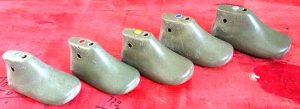 The shoe lasts’ other critical dimensions also change per size, but at different rates. For example, the ball girth is graded at 3mm per size, and the ball width (measured across the bottom of the last) measures 66% of the total ball girth. For men’s size 9, the ball girth is 234mm and the ball width is 156mm. Also, while the shoe length increases 4mm per half size, the collar height and back height increase only 1mm per size.
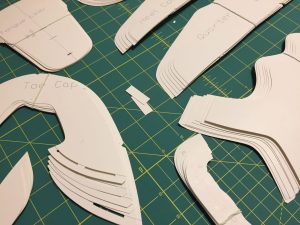 The shape of each shoe component will change per size depending on its location. The tongue length will increase quickly according to the last length, while the width grades slowly according to the girth.
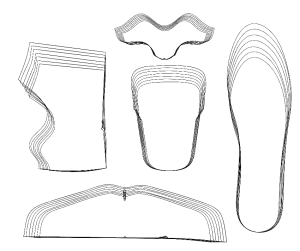 Not all the features of a shoe pattern are graded. For example, the pattern overlaps and lasting margins are not graded.
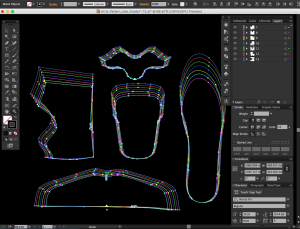 Once the pattern is graded, the pattern master will check it by hand. The pattern master then instructs the sample room to make the trial patterns. The trial patterns are checked for visual proportions and outsole fitting. Once the patterns are approved, the cutting dies will be made.
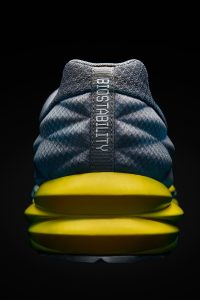 Radio frequency welding (RF welding) and compression molding are widely used to make modern athletic shoes. Both processes are used to create logos, design details, and even the shoe structure. In this article, we will review how Nike™ and Adidas™ are using these techniques.


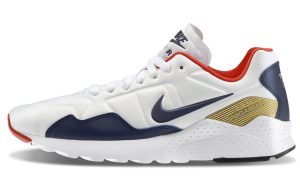 This sneaker uses a combination of RF welding and compression molding to create a unique upper design. Nike has laminated a thin layer of soft, 4mm PU foam between a semi-elastic lining and a jersey knit polyester outer shell. The upper is a single u-shaped piece of material. A ribbed embossing tool is used to crush the PU, creating the design. The factory makes the Swoosh and Air Pegasus logo in a separate molding operation.
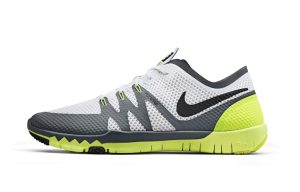 The Nike Flywire shoe is made by welding die-cut TPU parts directly to knit mesh. To make this style, the flat, die-cut parts are loaded onto a flat plate. A second flat plate is loaded on top and pressed with high heat and tons of force. The TPU melts into the fabric surface for a permanent bond.


 See exactly how each material is used inside real production shoes. We have included annotated cross sections of over 30 different shoe types. Look inside basketball shoes, running shoes, track spikes, hiking boots, work boots, high heels, cowboy boots and many more!

 ¿Cómo crear tu propio diseño de calzado?
 Plan de ventas y distribución para tu nueva marca de calzado:
 ¿Quién es tu cliente objetivo?
 ¿Cuentas con algún capital inicial para tu nueva empresa de calzado?
 ¿Quieres aprender cómo las grandes marcas fabrican zapatos? ¡Ahora lo puedes saber! Cómo se hacen los zapatos te mostrará cómo los zapatos de hoy en día cobran vida. El libro va más allá de solo un recorrido por una fábrica de zapatos, y más allá que el típico libro sobre la fabricación de zapatos. Este es el manual de diseño de calzado perfecto para los diseñadores de calzado. Desde dibujar diseños hasta el desarrollo de muestras y su fabricación, aprenderás cómo se hace todo. Escrito por profesionales experimentados en la fabricación de calzado, Cómo se hacen los zapatos te dará una mirada real dentro del mundo del diseño, desarrollo y producción en masa de calzado. 220 páginas con más de 400 fotografías en color y dibujos. 26 capítulos que explican el diseño de calzado, la creación de patrones de calzado, el desarrollo de muestras, la selección de materiales para el calzado, el cosido del corte superior, el diseño de las suelas y las herramientas, las hormas de los zapatos, los escandallos, las inspecciones de calidad, y mucho más. ¡Es sin duda una lectura obligatoria para los jóvenes diseñadores de calzado, o para cualquier fanático del calzado! Pagos seguros vía Visa, MasterCard y PayPal. ¡Más de 3.500 copias vendidas!
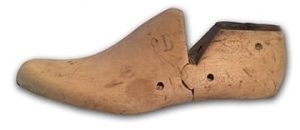 If you have some woodworking skills, patience, and access to equipment, you can carve a custom last from wood. The wood-carved last is the most traditional way to make a shoe last. Starting with a block of wood that is free of any knots or split grain, draw the side profile and bottom shape.
 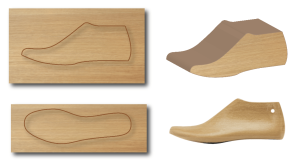 Then, using a band saw or hand tools, cut the general shape of the footwear last. From this point, use chisels, sanding machines, and files to refine the shape.
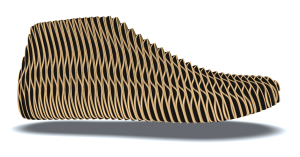 Using stacked cardboard is an easy way to make a shoe last with only a hobby knife and cardboard scraps. This will take some time, but if you have a printer it is easy.


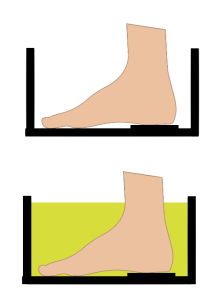 Build your foot casting box. Make the box fit close to your foot but make sure to leave an inch or 30mm around your foot, your helper will need this space to apply the Alginate.
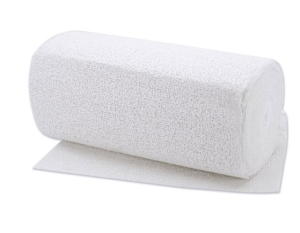 Plaster gauze is another great way to make a casting of your foot. You will need a helper for this project as it can get a bit messy. The process is simple. First, prepare your foot by shaving off the hair and then apply Vaseline petroleum jelly to stop the plaster from sticking.
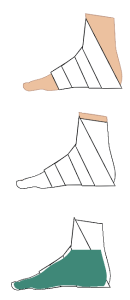 heat but it’s not dangerous. When you feel the plaster getting firm it is time to remove the casting. You will need to carefully trim down the side of the plaster casting. A small pair of scissors with tape on the point can be used.
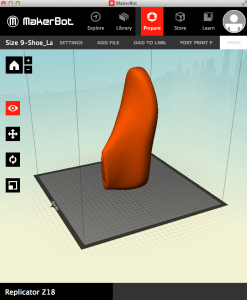 If you have access to a decent-sized 3D printer you can print this last full size in about 5 hours. We have a really slick MakerBot Model Z18 on hand so we tested the file. We printed the sneaker last with 0% fill, 2 shells, and scaled to 275mm long for USA men’s size 9. With 0% fill the last is fragile but perfect for filling with expandable foam, casting resin, or plaster for a more durable last.
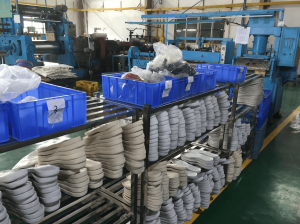 EVA midsoles are the most common cushioning materials in modern sports shoes. Used to make running shoes, basketball shoes, and almost any other sports shoe, EVA is lightweight, resists compression set, forms easily, and is available in nearly every color. EVA is now the most widely used midsole material for shoes. Die-cut EVA can be found inside the cheapest discount sneaker, while molded EVA can be found in $200.00 high-end basketball shoes.
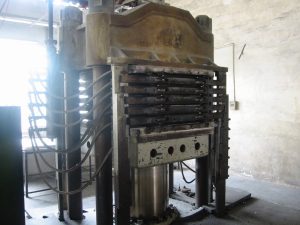 The classic way to foam EVA is to use an expansion press. The EVA compound is mixed into a putty-like consistency then rolled into flat sheets. These sheets are then loaded into square molds about two meters square and 10 cm deep. These molds are stacked in a huge press then heated under pressure. As the EVA heats, it gradually expands to fill the mold. If more raw material is placed into the mold the EVA will be harder, less EVA and more blowing agent will make softer EVA. Once the EVA is cooled the molds are opened, and huge sheets of EVA are released.
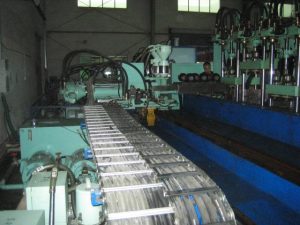 The more modern way to expand EVA is by using an injection machine. Instead of making a large block, this process will make individual sheets. The EVA injection machine is very special. The EVA material is heated inside then pushed under pressure into a mold. This mold is about 50% of the finished part size. The mold is cooled just enough for the EVA skin to solidify. The mold opens by high-speed hydraulic ram in less than 1/4 of a second. With the pressure released, the EVA parts expand like popcorn. POP! This process is very efficient with little waste. When parts pop out of the mold, their sizes will vary. This is how EVA sandals like Crocs™ are made.
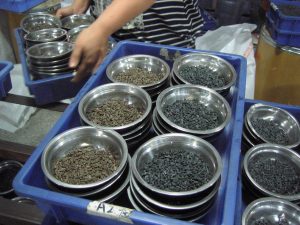 Pellet Expansion
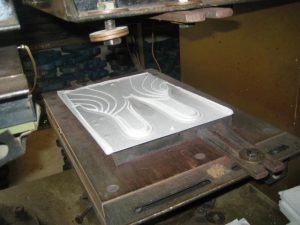 Cold Pressing: This is a funny name for this process because the EVA is actually placed into an oven!
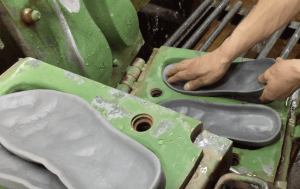 Compression molding: CMEVA or Pylon™ is the most common process to create sport shoe midsoles. Almost all high end running shoes and basketball shoes have compression-molded EVA midsoles. This process begins with a piece of EVA that has already been expanded. This piece can be cut from an expanded foam sheet made by the expansion press method or EVA expanded by the pelleting process, either method is fine. The EVA is placed into a 100% size mold with all the design details and texture added. The mold is closed and loaded into a heated press. Inside the mold, the EVA melts allowing the air bubbles to expand, causing the EVA to fill the mold. The mold is moved to a cooling press, and then the EVA parts can be removed from the mold. These parts only need to have any mold release washed off before they can be used.
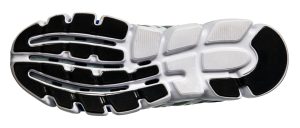 EVA hardness can range from 5˚ to 70˚
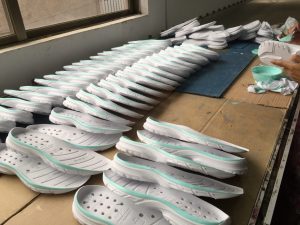 The EVA midsole is combined with the shoe outsole away from the main shoe assembly line. In a process called stock fitting, the outsole sub-assemblies are completed. Before stocking fitting, EVA parts may be washed to remove mold release and bonding surfaces may be buffed to cement adhesion.