Posted on

How Can I Find a Shoe Manufacturer?

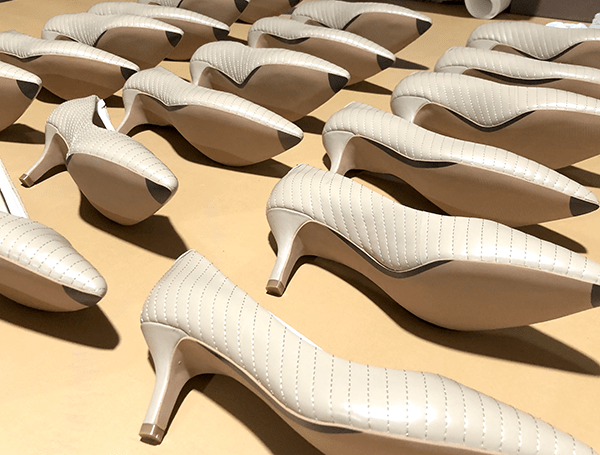
high heels shoe factory how to start a shoe line with no money

Congratulations!

You have developed a new shoe design, or your brand is growing, and you are ready to source a new shoe factory to manufacture your brand in China .

So, how do you find and vet a shoe factory across the ocean from your home office? Here’s how to get started.

How to find a shoe factory?

Whether your initial introduction came from a friend, Alibaba, or various search methods (all valid places to start), there are some telling questions to start with when vetting a factory. I recommend getting off WeChat and onto email, where it’s easier to search and organize your conversations and start with the following:

Top 10 questions to ask a prospective shoe factory

  1. What is your Minimum Order Quantity per style and color?
  2. What is your current lead time for production?
  3. Do you own the factory, or are you a trading company?
  4. Do you work with any outside inspection companies? Which ones?
  5. Can we send a local developer for a factory visit? When can they come? 
  6. Do you have experience manufacturing the type of shoe we are developing?
  7. How long have you been in operation?
  8. Please provide a reference from a current customer.
  9. How many assembly lines are in your factory?
  10. What other shoe brands do you produce?

Is this a good shoe factory?

From their email reply, you can glean lots of information. For example, how fast did they reply? What is the quality of their English communications? Do you have the money and product demand to reach their order minimums? How long is the lead time? Is it much faster/slower than other factories you have interviewed, and does it seem realistic? Remember, if something seems too good to be true, be wary; there’s a good chance it’s not true.

Shoe Factory or a Footwear Trading Company?

Are you looking for a factory to work with or a Trading Company? (Not sure what the difference is? Check out this article on What is a Trading Company.) If you work directly with the factory, you will have more control over your product, and that’s important if you have a unique design. Question 4, regarding outside inspection, will give you an idea of how open they are to having outside inspectors come to their factory. An outside inspector will perform a professional inspection on all goods and give you the report before you pay the factory for the goods. I always send in an inspection company of my choice and will not work with a factory that doesn’t allow this. Lastly, today’s pandemic climate does not allow foreigners to travel in and out of China. However, if you have someone you know on the ground in China, it is optimal for them to go and check out the operation.

Step by Step Guide
Footwear Brand Building

Learn more about the cost to make a sneaker and the rules for importing shoes by checkout How To Start Your Own Shoe Company. 195 pages, 330 color photos. Buy Now On Sale $39.99

Do I need a backup shoe factory?

Try to keep your selected vendors to a minimum. Two or three at a time, max. Send them your sample shoe and product specifications and allow them time to ask questions as they make a sample. It could take as long as 60 days for sample production and costing information to arrive back at your office.

If the samples don’t look good, you should be very wary of the attention to quality and detail that the factory will apply to your production.

It’s always a good idea to have a backup plan. Once your brand becomes established and proven to have some success in sales and reorders, it’s time to branch out. If you grow your supply chain properly, you won’t get stuck placing orders with manufacturing partners not meeting your needs.

Shoe production MOQ

A small start-up brand that can barely place orders at minimum quantity does not have much leverage or bargaining power with a manufacturing facility. Established factories are busy, and they want big orders. Starting from scratch with a new brand takes lots of extra work on the factory’s end, and they are not always willing to take on ‘the little guy.’ As a result, your orders may fall to the back of the production schedule and get delayed when a bigger, more established brand needs a rush order. Finding a factory to believe in you, your product, and see the value your business will bring them in the future is not easy.

Do I need a big shoe factory?

Why ask how many assembly lines? The “assembly line” is the standard unit of measurement for a factory. A one-line or two-line factory is a “micro” factory. They can make 2000 pairs per day. You can get good service from a small factory. Is this small factory financially sound?

Does the factory have 20 lines or 50 assembly lines? The “mega” factory may be looking for “space filler” customers. You may find yourself in a huge factory with excellent equipment, but your brand’s support staff may be junior employees in training. It can be a challenge to find a factory that is the right size for your project.

New Online Courses
for Brand Builders

#1 Shoemaking Basics for Designers & Brand builders
#2 How to Select Shoe Materials
#3 Creating Footwear Specifications
Course Details Enroll now

Local or export factories?

Why do you care if they are making other brands? If you visit a large factory and you see they are making for Nike or Adidas, you can be confident they will have a strict QC process. If, on the other hand, you visit a tiny factory in western China that is making Nike shoes, you can assume you are seeing a counterfeiting operation. You want to be in a factory with quality brands rather than discount brands. The quality requirements of “local” brands and export brands are very different, you are looking for an “export” grade factory.

Professional Footwear Inspections

Do you need more sourcing tips and professional inspection techniques? Check out the book How To Spot Fake Sneakers. It is a step-by-step guide to quality control and professional sneaker inspection. Textbook includes the 50-Point Essential Check List for Professional Footwear Inspection not offered anywhere else.


Can I trust a factory I found on Alibaba?

The answer is maybe.
You must be careful. Be on the lookout for danger signs. Here are a few of them:
Will the factory send you the paper pattern for your design? If not, run.
Will the factory send you the 3D CAD file for your outsole design? If not, run.
Will the factory let you know the name of the outsole mold factory or the contact information for the material supply factory? If not, run.

Factory sourcing help

“The Shoe Dog” can help! At the SneakerFactory we have years of experience placing brands with quality factories that are reputable and won’t rip you off. Let us work as your “shoemaking coach” or consultant to help you reach your product sourcing and development goals faster.

New Online Course
Shoemaking for Designers
& Brand Builders

Created for footwear beginners and career changers alike, this course delivers the basic shoemaking knowledge you need to get you career in the shoe trades started. Course Details enroll now $99
Posted on

Pivot & Run – Part 2

South African Running

Launch a running shoe brand

The Dream and the Challenge: Part 2

Develop a running shoe for South African runners designed by South African runners.

“What is the perfect running shoe for South Africans?” The Pivot & Run shoe would need a firm structure for long-distance running, fatigue-reducing underfoot comfort, and high energy return for long efficient strides.  

How to Get your Shoe Brand Started

Meet Roger, Alex, and Grant – the brand builders with the vision to create the perfect running shoe for South African distance runners. But with little knowledge of the actual cost and technicalities of shoemaking, they knew they needed expert help to turn their dream into a reality.

A Running Shoe Shoemaking Coach

Enter Wade, “The Shoe Dog,” and his team at Shoemakers Academy. With their technical and manufacturing experience, they helped the Pivot team organize their product design brief and move forward quickly. Decidedly, their next step was to open their outsole tooling and then directly onto sample production.

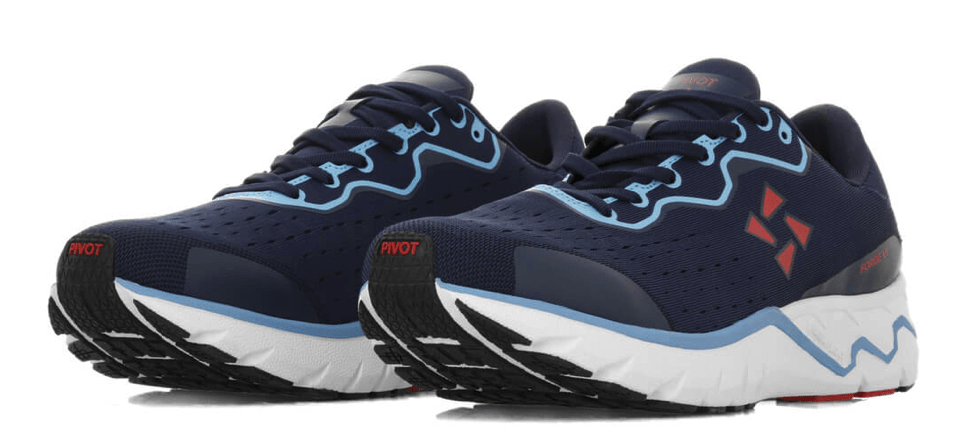
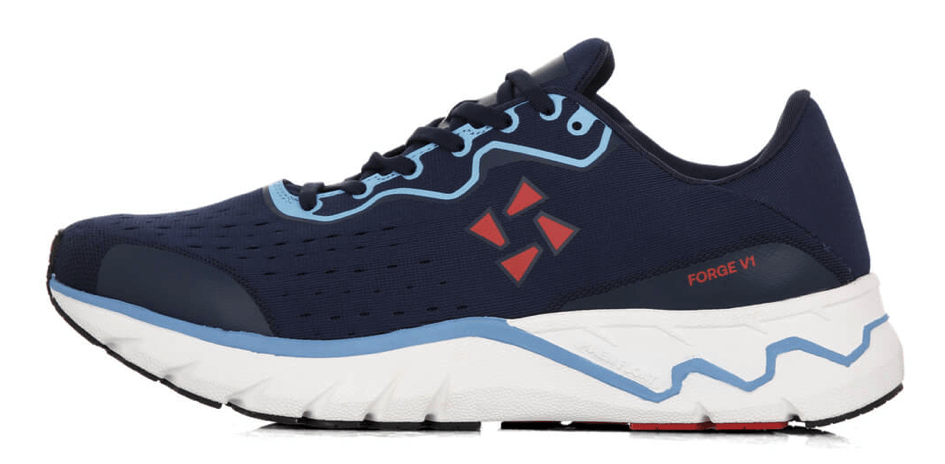
In just 18 months, the Pivot & Run Forge V1 Running shoe went from concept to launch – a remarkable feat given the challenging conditions of the Covid pandemic.

“Wade was readily available, easy to talk to, and had problem-solving ideas and answers to help with the tough questions.” -Alex

The product knowledge and research of the Pivot team, combined with the technical and manufacturing experience of Shoemakers Academy and their partners at DMC Sourcing, was the complete package. Working together, Pivot & Run saved countless hours of development time and thousands of dollars worth of trial and error mistakes. 

Lockdown to Launch in 18 months

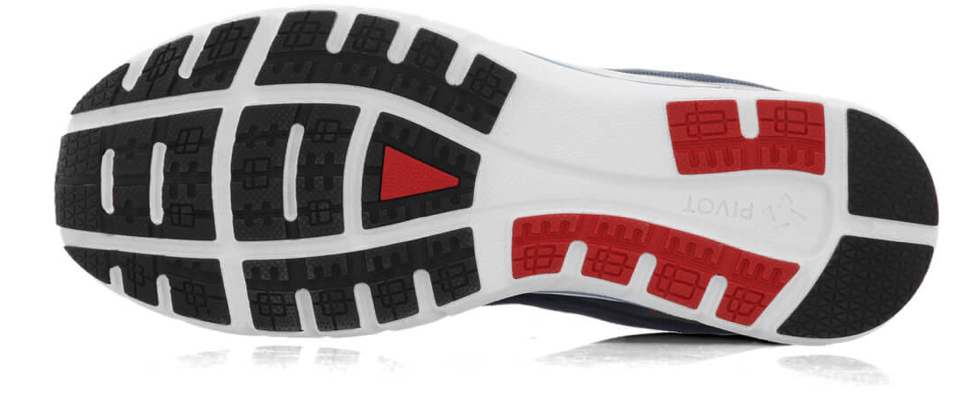
Pivot & Run was able to create innovative new technology to meet their specific product performance goals. The Shoemakers Academy team had strong factory connections in Asia, which helped them refine their design and complete their specialized running outsole tooling without leaving home.

When the development samples arrived, the Pivot team hit the road running to perfect their design and launch their brand to retail.

Pivot & Run shoes are now available in the South African market and selling well to runners of all levels.

If you’re looking to start your own shoe brand, the Shoemakers Academy has everything you need to get started on the right foot!

Visit Pivot & Run online

https://pivotandrun.co.za

New Online Courses
for Brand Builders

#1 Shoemaking Basics for Designers and Brand Builders
#2 How to Select Shoe Materials
#3 Creating Footwear Specifications Course Details Enroll now

Are you looking to reach your shoe design and brand-building goals faster and with fewer headaches?  “The Shoe Dog” can help.

Reach out for some 1-on-1 coaching. “The Shoe Dog” is available to coach you and your team. Our textbooks, online courses, and coaching options will help you build your skills faster and build a better product. If you’re looking to save money by making fewer common development mistakes and go deeper into footwear design, manufacturing, and brand-building, we can help. Check out these online video shoemaking courses taught by an industry professional and developed for all levels of aspiring shoemakers and brand builders. 

We love to hear from our shoemaking community. What is your biggest shoemaking challenge? Email us at: TheShoeDog@ShoemakersAcademy.com 

New Online Course
Shoemaking for Designers
& Brand Builders

Created for footwear beginners and career changers alike, this course delivers the basic shoemaking knowledge you need to get your career in the shoe trades started.
Course Details
enroll now $99

Posted on

How Does a Factory Make Shoes?

Learn more about to make shoes in the new book

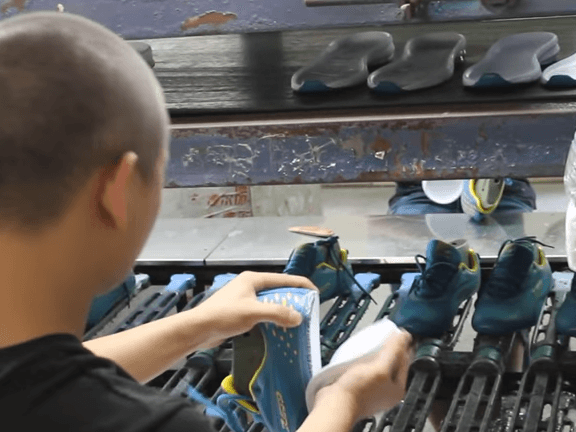
When you walk into a modern shoe factory anywhere in the world, you will see the same footwear manufacturing processes. In China, America, Brazil, and Italy the art of shoemaking is the same. You will see that the giant 20,000 shoe city in China and the high-end London handmade shoe shop actually have a lot in common.

All the major shoe companies use the same basic techniques for making modern athletic, fashion, hiking, hunting, or casual shoes. For example, Nike, Adidas, and Reebok all use the same techniques and, in many cases, the same factories.

How many processes does it take to make a shoe?

The answer is hundreds if not thousands! Here are the basic operations:
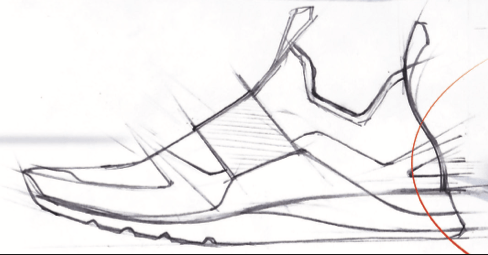
1. Design the shoe.
2. Develop the shoe. (Make the design into a functional shoe.)
3. Order the shoe materials.
4. Prepare the shoe materials by cutting, printing, and laminating.
5. Sew the materials together.
6. Last the uppers.
7. Assemble the outsoles.
8. Pack the shoes.

Eight easy shoemaking steps! Steps one and two can take over a year. Steps six through eight can take 10 minutes. Let’s learn more.

The #1 Textbook For Shoe Designers

Aspiring shoe designers start here! How Shoes are Made is your entry into the world of modern shoe making. Tour a real shoe factory and learn the process from design to manufacturing. Buy Now Download $19.99

How to make shoes

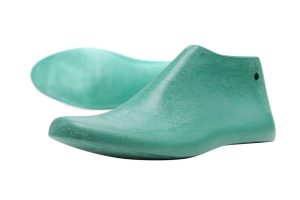
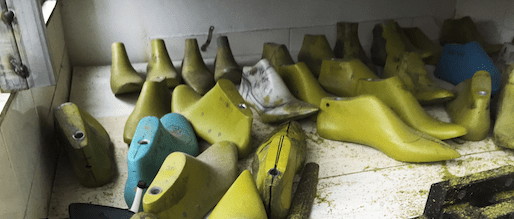
The first thing you need to make a shoe is called the LAST. The shoe last is a wood, plastic, or metal form that gives the shoe its shape. You would think the last would follow the shape of the human foot…

shoe lasts

and it does…sort of. Each shoe style requires its own last to set its shape and size. In addition, every shoe size requires a left last and a right last. So, to make a standard 14 size size-run, you will need at least 28 lasts. If you want to use a modern, high-speed assembly line and make 2,000 pairs of shoes a day, you will need about 700 pairs of lasts!

The shell pattern

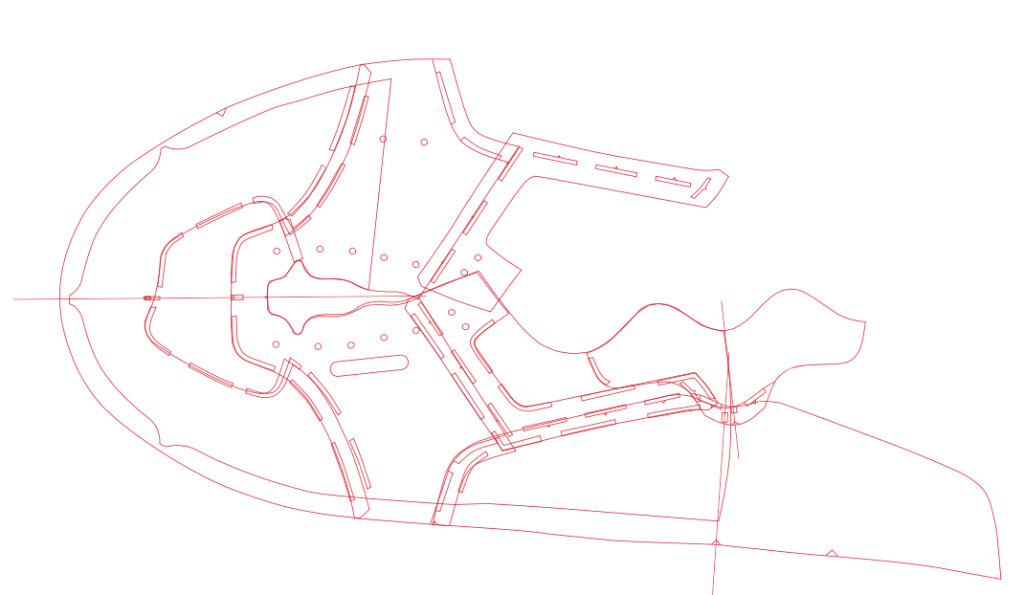
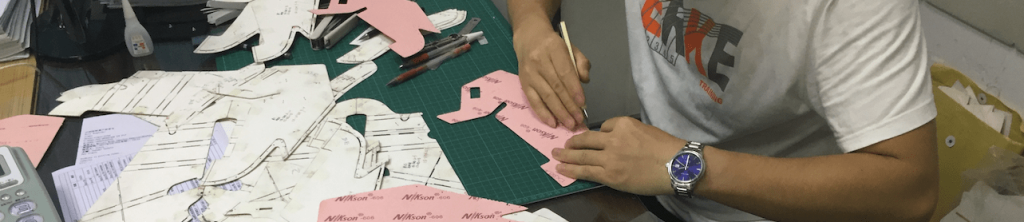
Once you select the last for the specific style of shoe you are making, you will need to make a SHELL PATTERN to follow this last. The shell pattern is simply the flat shape that can be stretched over the last into a 3-dimensional shape. This is the shoemaker or patternmaker’s art. 

The technical term is “SPRINGING the pattern.” With the shell pattern complete, the designer and pattern master can make the design for the shoe parts.

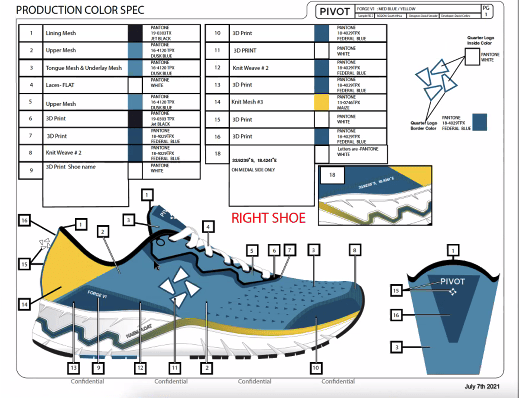
Flat Pattern for running shoe


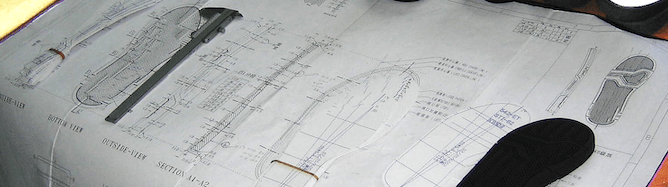
(image: Shoe Design Pattern and Outsole Blueprint, and downloadable 3D Print File for a Shoe Last )

This is how a factory makes shoes

Once the shoe pattern is designed, the factory will cut the pattern parts for the shoe upper. This is the job of the shoe factory’s cutting department. The factory will use giant cookie cutters, computer-controlled knives, laser, water, or hand cutting to make all the parts. Again, the cutting department must cut each part of the shoe, inside and out, padding, and reinforcements. If a shoe has 20 parts, the factory will need 20 cutting dies x 14 sizes. It is not unusual to have thousands and thousands of cutting dies.

New Online Courses
for Brand Builders

#1 Shoemaking Basics for Designers and Brand Builders
#2 How to Select Shoe Materials
#3 Creating Footwear Specifications Course Details Enroll now

The footwear stitching department


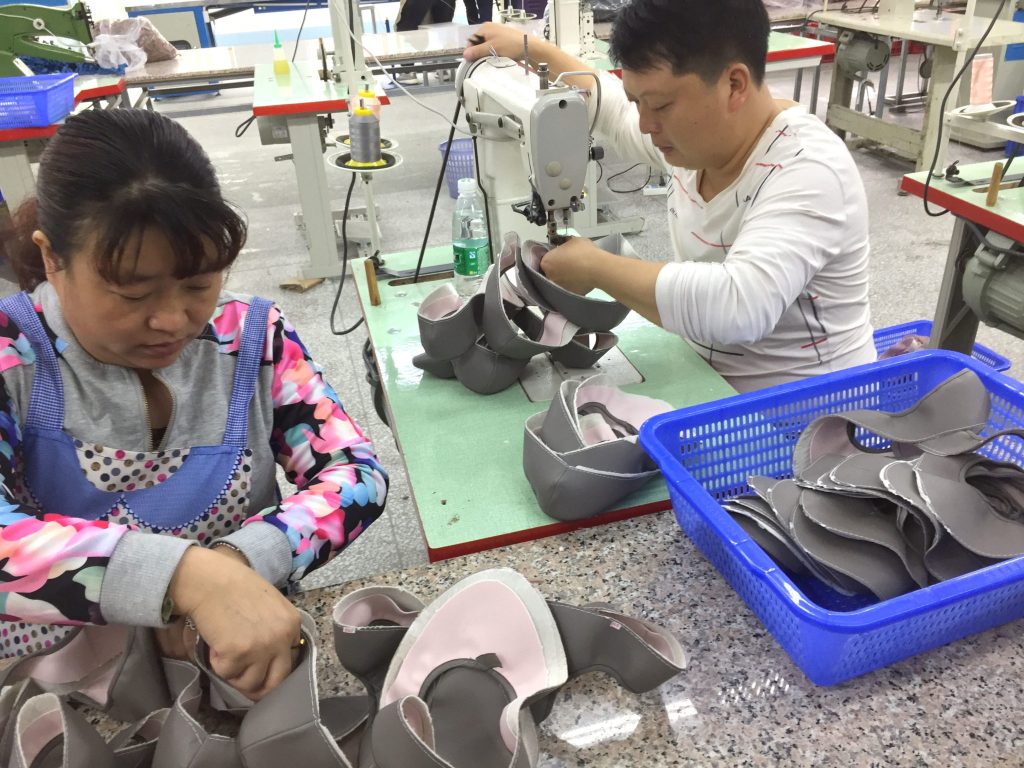
These workers stitch and assemble the upper parts

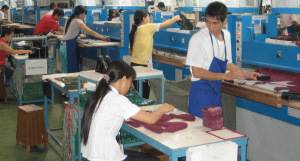
Once all the parts are cut and organized into kits, the stitchers can go to work. This part of the factory is called the stitching department or stitching line. A single stitching line may have 50 to 100 workers depending on the complexity of the shoe. Generally, two stitching lines can support one assembly line. First, the stitchers put together the shoe’s outer shell, inside lining, and tongue parts. The stitchers will also add reinforcements, hardware, lace loops, collar foam, and heel counters. Next, the stitching department will handle the heel and toe forming operations. The final stitching operation is to attach the pattern part that closes the bottom of the finished upper. This is called the Strobel sock. The Strobel stitch is the caterpillar-like stitching that runs along the bottom edge when you look inside a sports shoe.

With the stitching complete, it is time for FINAL ASSEMBLY. This is done on the ASSEMBLY LINE. Not to be confused with the stitching or stock fitting lines. Final assembly is when the shoe upper is joined with the outsole.

Shoe lasting operations

Hand lasting

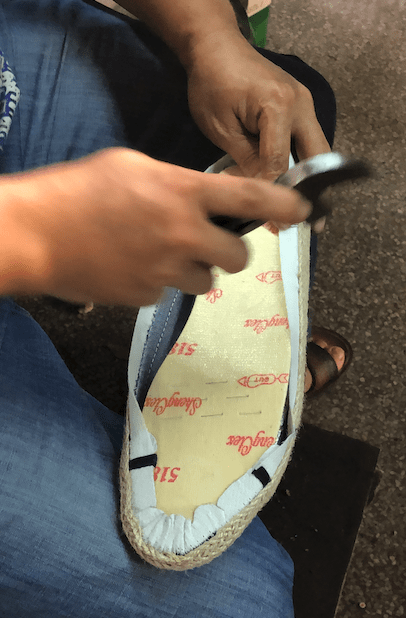
This first step is called lasting. At this point, this shoe is loose and floppy and is not shaped like a shoe or a human foot. Shoe lasting is the process when you pull this upper over a form (the last) that allows it to stretch and take the shape of a real shoe. The last can be made of wood, plastic, or metal, depending on the kind of shoe you are making and the cementing process. In addition, the upper may be steam heated to aid the lasting process. There are many different ways to last a shoe.  (See the articles: Shoe Lasting and Shoe Lasts to learn more.)

Add the shoe outsole

Once you have the upper lasted, it’s time to apply the bottom. This can be done in several ways: contact cement, vulcanizing, nailing, or sewing operations.  (See the article: Cold Cement vs. Vulcanized Shoe Construction) In the case of cementing, the lasted upper (with the last still inside) and the outsole units are primed and cemented together. A pressing operation ensures a good bond. Once the last is removed, the shoe is laced up, cleaned, and checked by quality control operators before packing.

Start Building Your Shoe Business

A must-have for anyone serious about launching a footwear company. 4 text books, shoe business documents and downloadable content not available anywhere else! The Shoe Company Start-Up Pro Pack is all you need to get your shoe business off the ground. Learn more Download Today
Posted on

Pivot & Run

Develop a running shoe

Brand Building: Part 1

Marathoners Dream Shoe Project Hits the Wall (…and breaks through).


The birth of Pivot & Run, a running shoe brand, started with a dream of three runners, Roger, Alex, and Grant, in Capetown, South Africa. The 2020 Covid pandemic and the subsequent lockdown were the driving forces behind their decision to launch their brand. The runners’ goal was to design and develop a running shoe that is ideal for South African runners.

Launch a running shoe brand

Will the Forge V1 be the right shoe to launch their new shoe brand? By the end of their long-run Pivot & Run will have the answer.

Pivot & Run Brand Story

After conducting extensive research and talking to beginner runners and marathoners, the team identified the perfect design concept for their shoe. Their shoe needed a firm structure, fatigue-reducing underfoot comfort, and a high level of energy return to support long-distance running and efficient strides.

The Dream and the Challenge:

Develop a running shoe for South African runners, designed by South African runners.

First, they hit the road. Talking and running with beginner runners and marathoners alike to better understand, “What is the perfect running shoe for South Africans?” 

The Marathoners’ Dream Project “Hits the Wall”

Standing in their Capetown running shoe store, Roger, Alex, and Grant closed their eyes and imagined their dream shoe on the wall next to Nike and Adidas. It would work, it would sell, South African runners would love it. They could see the finish line.

Excited about the shoe’s potential, the runners hit a wall when they realized that developing and manufacturing sneakers was beyond their expertise. They searched for answers to their questions on Google, but they were still at a standstill. They had several questions such as “How do we find a factory to make our shoes?”, “How do we know if they are a good factory that can make the high-quality product we are looking for?”, “What if the shoe factory tries to rip us off or steal our idea?” and “How do we communicate with an overseas shoe factory?” They needed help to create their new sole technology, and they needed to find a factory they could trust to make high-quality shoes.

Breaking Through the Wall – How to Get Your Shoe Brand Started

However, their luck changed when they discovered “The Shoe Dog” and Shoemakers Academy, which provided them with the information and expert guidance they needed to get their brand started faster and with fewer headaches. The Shoe Company Start-Up Pro Pack Bundle they purchased contained invaluable information that saved them countless hours of time and frustration. The package included information on shoe design, development, and manufacturing, profit and margin spreadsheets, pros and cons of materials, cost sheets, spec sheets, marketing tips, necessary business forms, duty and tariff rates, communication tips, checklists, professional inspection techniques, and much more.

Finding a Shoemaking Coach

They worked on their shoe design but needed a pro to accurately transfer their ideas on paper. Someone to help them create technical drawings for their midsole technology. Could they afford the technical details they wanted in their shoes? Would their design be profitable? They had very little idea what it was going to cost to make their dream shoe. The friends needed information on footwear cost engineering which they were able to find here (in this online course).  

Roger decided that they needed to get there faster – they needed to work closer with a shoe-making coach like “The Shoe Dog” to help with their brand development.

Want to read more about their journey? Go to PART 2 of the Pivot & Run brand story.

Interested in starting your own shoe brand? Start here…

Shoe Company Start-Up Pro Pack Download
  • The Shoe Company Start-Up Pro Course Pack is a must-have for anyone serious about launching a footwear company.
  • All you need to get your shoe business off the ground.
  • The complete at-home course teaches you how shoes are made, how to select materials, and how to start your brand.
  • You learn how to write product briefs, find a shoe designer, raise money, find a factory, import and market your shoes, and much more.
  • Plus, a real cut-paper pattern and factory outsole blueprint AND 10 more valuable files you cannot get anywhere else (like our profit margin calculator).
  • Your success starts here! Four softcover textbooks and 4 PDF ebooks, all full-color 8 1/2″ x 11″, with over 1300 color photos.

New Online Courses
for Brand Builders

#1 Shoemaking Basics for Designers and Brand Builders
#2 How to Select Shoe Materials
#3 Creating Footwear Specifications Course Details Enroll now
Posted on

What are Nike shoes made of?

What materials are Nike shoes made of?
What materials does Nike use to make shoes?

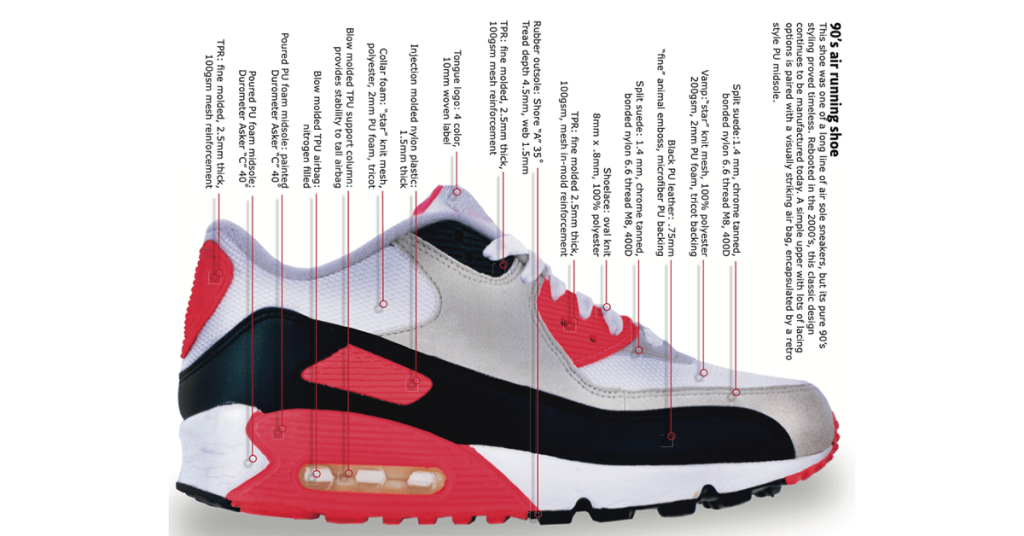
What raw materials does Nike use to make shoes? Here at the Sneaker Factory, we have examined many Nike shoe styles to find out exactly what is inside. We have sectioned The Air Jordan 1, the Nike Vapor Fly, Nike ZoomX Vaporfly Next%, the Air Max 90, Kobe 4, and other popular Nike models to see what is inside. So, what materials will you find inside a Nike shoe?

Nike Shoe Materials

Most Nike shoes use a mix of leather, fabric, foam, and rubber. The Nike classics and deluxe model basketball shoes will have real leather parts. Nike running shoes and modern performance baseball shoes are generally made with lightweight fabric uppers in place of heavier leather.

By weight, rubber is the main component; by volume, foam is the main component.

Does Nike use special shoe materials?

Nike builds their shoes with very high-quality materials, but they are not exactly “special.” Yes, some Nike models, such as the Nike ZoomX Vaporfly Next%, have unique weaves of upper mesh, but any shoe brand can purchase the Pe-bax™ foam midsole material in the Next%.

DIY Shoemaking
Make your own shoes

We put it all together for you. DIY Build Kits include your choice of material, size, color, step-by-step written instructions. Learn shoe making techniques Check It Out! you can do it!

The Ultimate Shoe Material Textbook

Start with an in-depth study of material types available for modern shoemaking. Learn the technical details of material specifications. 195 pages and 300 color photos. Buy Now on sale $39.99

Are shoes made of plastic?

Are Nike shoes made of plastic? The answer is yes. Almost every part of a Nike shoe is plastic. The EVA (Ethylene Vinyl Acetate) foam inside Nike shoes is soft, flexible plastic filled with air bubbles. Additionally, the nylon and polyester fabrics in Nike shoes are composed of fine plastic fiber threads woven together. The PU foam inside the Nike shoe is plastic, and even the thread used to hold the shoe together is plastic!

The rubber inside the shoe is a mix of real rubber and “synthetic rubber.” Synthetic rubber is an artificial elastomer synthesized from petroleum byproducts. So yes, the rubber inside a Nike shoe is made of plastic.

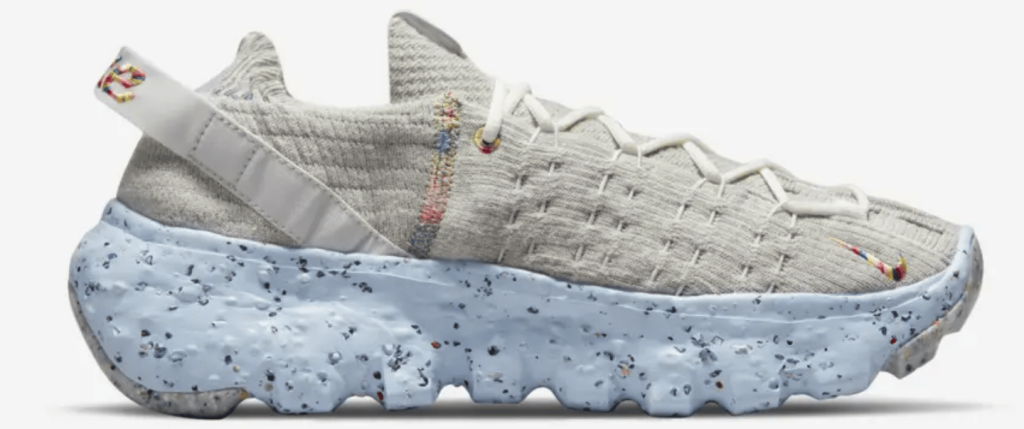
Yes, this shoe is made of 100% plastic.

Foam in Nike shoes

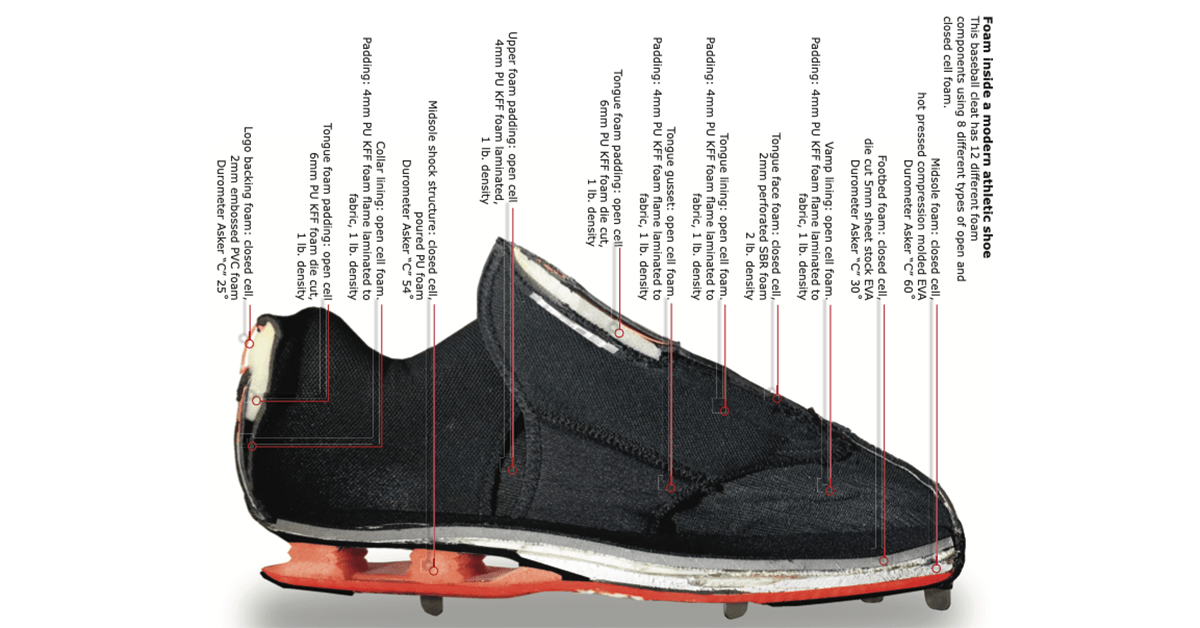
Inside every Nike shoe, you will find several foam types. Both open and closed cell foams provide comfort, cushioning, and structure to a shoe. Nike midsoles are made with closed-cell EVA foam, closed-cell PU foam, and closed-cell Pe-Bax foam. Some outsole bottoms of lightweight Nike shoes are made from closed-cell “blown” rubber foam. Nike sneaker footbeds are made from closed-cell EVA foam and “crystalized” PU foam.

This Nike shoes has six different types of foam inside!

Inside the uppers of most Nike shoes, you will find open-cell PU “sponge” foam. The soft collars and plush tongues of Nike running and basketball shoes are nearly all constructed with open-cell PU foam.

New Online Course
How to Select Shoe Materials

14 Shoe Material lessons. Over 4 hours of video instruction. In-depth study of leather, textiles, synthetics, and plastics for footwear. Material Design Guide Textbook included. Course Details enroll now $399
Posted on

Creating Sustainable Footwear: 5 Common Mistakes to Avoid

Creating Sustainable Footwear 5 Common Mistakes to Avoid

Creating Sustainable Footwear Goals

Creating sustainable products is a challenge for everyone on the footwear product team. Footwear designers, developers, marketing managers, and product managers all play a role in creating more sustainable products. Everyone must work together to ensure the product meets sustainability goals.

1. Don’t become trapped by unrealistic sustainability goals

Creating sustainable footwear is a huge challenge. Aim high but remember that sustainability is a process, and every little bit helps. Not every part of a shoe has a workable “green” alternative. If your team can add one sustainable feature, material, technology, or process per season, you are doing great!

2. Don’t tackle product sustainability alone

Creating more sustainable footwear is a team effort. The shoe designer must balance the shoe’s aesthetic quality with sustainable material choices while the product developer examines the hidden materials and processes. For example, it’s the footwear developer’s responsibility to find a water-based glue that will work. Meanwhile, the shoe designer’s challenge is to combine the limited material choices into a pleasing and saleable design.

The footwear product manager needs to make sure the sustainable choices do not break the product budget. There is a limit to the price premium customers will pay for sustainable alternatives. Roughly 80% of people will pay 5% more for the sustainable choice. When that choice costs 15% more, only 40% of customers are willing to purchase the more sustainable option.


The Ultimate Shoe Material Textbook

Start with an in-depth study of material types available for modern shoemaking. Learn the technical details of material specifications. 195 pages and 300 color photos. Buy Now on sale $39.99

3. Don’t get stuck on a sustainable “LOOK”

While improved sustainability should be a goal for every shoe company, that does not mean the product aesthetic must tell the sustainable story. Yes, a sexy and sleek high-heel shoe can (and should) have sustainable components, but, most likely, you will not achieve this elegant look with a chopped-up, recycled rubber outsole and organic cotton upper.

High-performance sport or luxury shoes may have sustainable features and internal components, which the product marketing team completely ignores. If it’s not part of your brand image, it’s okay to avoid sustainability in your marketing.

4. Don’t compromise safety or performance for sustainability

Do not compromise the integrity of high-performance products to meet sustainability goals.
What does that mean? High-performance products have demanding material specifications for both product function and product safety. There may not be an alternative “green” material that does the job.

5. Don’t forget to read between the lines on your sustainability choices

Be careful, Some “sustainable materials” are not all they seem to be or may have unintended consequences when used. For example, organic cotton production and its high water requirements may not be a great choice for footwear when compared to standard, non-organic cotton growing. Studies suggest it takes twice the amount of water to grow organic cotton. With clean water in short supply, we need to look at close loop water usage.

Ocean plastic or “near ocean plastic” production sounds like a great idea, but…read the material descriptions carefully. Plastic removed from the ocean is a hash of many different plastic compounds. This mixed plastic material is reground and remelted, then remixed with virgin plastic to make a material suitable for reuse. The catch here is the final amount of actual ocean plastic may measure only 2% of the finished product by weight. Yes, 2% is great, but add in the extra energy inputs needed to make the “recycled” material, and it may not be so great anymore. So, what is “near ocean plastic?” Near ocean can mean plastic recovered within a few miles of the ocean. Think of coastal cities like New York, Houston, Miami, and Los Angeles. Everything recycled in these cities would be “near” the ocean. Does this really help keep the oceans clean?….maybe.

New Online Courses
for Brand Builders

#1 Shoemaking Basics for Designers and Brand Builders
#2 How to Select Shoe Materials
#3 Creating Footwear Specifications Course Details Enroll now

Do continue to make your shoes sustainable

As you can see, making your shoes more sustainable is a goal you should keep working toward. But, you need to approach sustainability carefully to ensure your efforts are indeed beneficial and not counterproductive to protecting the environment. Maybe your product can not be sustainably manufactured? This does not mean your company must sit on the sustainable sidelines. Use your sustainability budget to plant trees, install solar, buy green power, or purchase carbon offsets.

It’s our planet. We all need to participate.

New Online Course
How to Select Shoe Materials

14 Shoe Material lessons. Over 4 hours of video instruction. In-depth study of leather, textiles, synthetics, and plastics for footwear. Material Design Guide Textbook included. Course Details enroll now $399
Posted on

How much does it cost to build a sneaker?

Shoe Design : How to make your shoe design a SLAM dunk.

How much does it cost to make a sneaker?
How much money do you need to start a shoe business?
How much does it cost to start a shoe company?
How much money do I need if I want a shoe factory to build my dream sneaker?

Your shoe development cost questions are answered here!

Costs of Footwear Design & Development

Costs for building your sneaker are from $5000 to $15000

Let’s review the phases to build a sneaker and what it costs per phase:
Sneaker Design $0 to $5000
Sneaker Development $2000 to $3000
Sneaker Pre-Production Tooling $3500 to $7500
Sneaker Production Equipment $20,000 to $50,000

Cost of the shoe design: $0 to $5000

The Start-Up Shoe Brand Business Plan


Are you ready to start your own brand-building journey? Do your shoe business dream seems unattainable?

To build a sneaker, you will need a design. How much does it cost to design a sneaker?
If it is your design, then great the answer is $0!

If you need to hire a designer, the cost can run from $500 to $5,000. The cost is dependant upon the experience of your designer and if you need an upper design and an outsole design. Some shoe designers charge a flat fee for an entire shoe, some charge you piece by piece for the outsole and uppers. A great design is critical to your success as a new brand, so take your time and work hard to get this phase right. (Be aware, you may need to pay more if you want to get that Hot Shot Designer with shoemaking experience .)

Cost to develop a shoe last: $0 to $750

design a shoe last

If you select a shoe last that is “off the shelf” and available in the factory, the cost will be $0.

If you send the factory a shoe and ask them to create a similar last, the development fee may be $100 to $200. For example, a copy Nike Air Force One last will most likely cost about $200. If you want a full custom last based on a casting of your foot you can expect to pay closer to $750.

New Online Course
How much does it cost to
make a shoe?

Step-by-step how to create and analyze footwear costing sheets. 5 shoe cost calculation lessons. Over 1 1/2 hours of video instruction. Course Details enroll now $149

Costs to create a pattern from your shoe drawing:$250 to $500

Cost to create a pattern from your shoe drawing

Depending on the complexity of your design, the shoe factory will ask for up to $500 to create your shoe pattern. For your money, you will get two or three sample rounds which are often necessary to get the pattern just right. You will use these pattern trials as your fitting samples. The cost of air shipping the sample goods from the factory is extra. In many cases, once you place a production order, the shoe pattern cost will be refunded to you.

Cost to create an outsole blue print: $150 to $600

Cost to create an outsole blue print

Creating the outsole drawings is a highly technical skill. The cost will vary. Once you place a production order the cost will be refunded to you.

The factory will transfer your design drawings into their CAD system and make a 2D drawing for you to approve. After you approve the 2D drawing, the CAD technician builds the 3D CAD model and makes sure it fits your upper pattern design. The outsole factory will laser scan the upper to create the top net of the outsole.

Cost to build a solid model of your outsole design: $100 to $400

Cost to build a Solid model of your outsole design

Once you have the drawing approved, the factory will CNC cut or 3D print a full-size model for your study. This is called a woodcut or a REN. You can paint this and attach your upper to give you a real idea of what your dream sneaker will look like. Once you approve the model, the factory can make a “temporary” mold. With the temporary mold, you can make up to 10 pairs of poured foam outsoles for fitting tests, or marketing videos. These parts are great for photoshoots but will not last very long.

Sample Pairs: $50 to $100 per pair

New Online Courses
for Brand Builders

#1 Shoemaking Basics for Designers and Brand Builders
#2 How to Select Shoe Materials
#3 Creating Footwear Specifications Course Details Enroll now

Phase Two: Sneaker Pre-Production

shoe cutting dies

Tooling cost to build a cast metal foam midsole mold: $1475 one pair
Tooling cost to build a cast metal rubber pressing outsole mold: $1475 one pair
Custom logo EVA footbed mold: $475
Injection molds for plastic or rubber upper parts: $500 to $5000 depending on your design
Upper material cutting dies: $150
Pre-production samples: $50 to $100 per pair.

Phase Three: Sneaker Production tooling

Depending on your design and size run
Midsole mold: $1475 Per size : 7 to 14 per your requirement
Outsole mold: $1475 Per size : 7 to 14 per your requirement
Custom logo EVA footbed mold: $475 : 3 to cover a size run
Injection molds:$500 to $5000 Per size: 1 to 4 to cover a size run

This is roughly the cost to make your dream sneaker into a real production-ready shoe.

Can the Shoemakers Academy help me get started making my dream shoe?

Yes, we can! If you are ready to get started, the team at ShoemakersAcademy.com can be your shoemaking guide. We can help you find a footwear designer or development manager and put you in touch with a factory suited to your project. We also offer small group classes virtually to help you launch your brand and troubleshoot issues that may affect your production.

Schedule a call

New Online Course
Shoemaking for Designers
& Brand Builders

Created for footwear beginners and career changers alike, this course delivers the basic shoemaking knowledge you need to get your career in the shoe trades started. Course Details enroll now $99
Posted on

Sneaker Authentication Book

Ebook sneaker Authentication guide How To Spot Fake Nike Shoes: 10 Ways To Tell Real Nikes, How to Spot Fake Nikes, how to spot fake Jordan's, sneaker legit check

How To Spot Fake Sneakers

How to Inspect and Authenticate Air Jordan, Nike, Adidas, and Vans Sneakers.

How To Spot Fake Jordan’s

Do you want to learn how to spot fake Jordan’s? Can you tell if a pair of Yeezys are real or counterfeit? Are you looking to become a sneaker authenticator? Interested in growing your footwear construction and material knowledge?

How To Spot Fake Sneakers is your complete guide to sneaker authentication and inspection.  If you follow Step-by-step inspection checklist you will quickly master the sneaker authentication process. You will learn how to run a complete shoe inspection before you buy.

As a shoe authenticator, you won’t get ripped off.

Sneaker Authentication Basics

You will start with sneaker authentication basics then advance to study sneaker construction and professional footwear inspection techniques. How To Spot Fake Sneakers includes authentication basics, product provenance, footwear construction, and sneaker inspection details. Complete information and photographs on how to inspect the Nike Air Jordan 1 and Vans Old Skool.

Authentication Textbook
Inspect Shoes Like a Pro

Learn how to authenticate sneakers. We give the Nike Air Jordan 1 a complete shake down. Piece by piece we study every part. Don’t get burned buying fakes ever again! 135 pages, 425 color photos Buy Now On Sale $39.99

Sneaker Product Knowlege

Part 2 of How To Spot Fake Sneakers contains six chapters dedicated to the in-depth study of six iconic sneakers. Each chapter details what to look for when authenticating the shoes. See the real and fake shoes side-by-side. After a study of the outside, the knives come out so you can see what’s going on inside the shoes.

Both the authentic and fake shoes are sliced so you can see just how bad counterfeit shoes are with your own eyes. Chapters include, How To Spot A Fake Nike Air Jordan, How To Spot A Fake Nike ZoomX Vaporfly, How To Spot A Fake Vans Old Skool, How To Spot A Fake Nike Air Max 90, How To Spot A Fake Nike Day Break, How To Spot A Fake Adidas Yeezy 500.

New Online Course
Sneaker Authentication

13 Authentication lessons.
3 hours of video instruction.
In-depth study of footwear inspection techniques.
Authentication textbook included.
Course Details enroll now $199

What’s inside
How To Spot Fake Sneakers

CHAPTER 1 : SNEAKER AUTHENTICATION BASICS 

The skills required to master sneaker authentication
The sneaker authentication basics 

CHAPTER 2 : PRODUCT PROVENANCE 

The product provenance guidelines
Is the price right, or too good to be true?
Who, what, and where of sneaker buying 

CHAPTER 3 : FOOTWEAR CONSTRUCTION 

What is a shoe last?
The parts of a sneaker
Strobel lasting vs. board lasting
Cold cement vs. vulcanization
Sneaker construction terminology 

CHAPTER 4 : HOW TO INSPECT A SNEAKER 

How to inspect a sneaker like a pro
Fake shoes are cheap shoes
Shoe quality grades
Common shoe quality problems
Complete shoe inspection checklist 

CHAPTER 5 : HOW TO INSPECT THE VANS OLD SKOOL 

Checking for symmetry
Inspecting shoes inside and out
Are Vans good shoes? 

CHAPTER 6 : HOW TO INSPECT THE NIKE AIR JORDAN 1 MID OG 

Packing details
Check for symmetry
Colors and materials
Are Air Jordans good shoes? 

CHAPTER 7 : HOW TO SPOT A FAKE NIKE AIR JORDAN 

Authenticating the Air Jordan
See inside a real and a fake Air Jordan
What is missing in the outsole? 

CHAPTER 8 : HOW TO SPOT A FAKE NIKE ZOOMX VAPORFLY 

Authenticating the ZoomX Vaporfly NEXT%
Critical parts are missing
Can fake shoes be dangerous? 

CHAPTER 9 : HOW TO SPOT A FAKE VANS OLD SKOOL 

Authenticating the Vans Old Skool WTF is vulcanization?
This is what a bad fake looks like 

CHAPTER 10 : HOW TO SPOT A FAKE NIKE AIR MAX 90 

Authenticating the Nike Air Max 90
Look at the small details
The parts are all there, but they’re all wrong 

CHAPTER 11 : HOW TO SPOT A FAKE NIKE DAY BREAK 

Authenticating the Nike Daybreak
A simple shoe, simply made poorly
Did Nike make a fake version of their own shoe? 

CHAPTER 12 : HOW TO SPOT A FAKE ADIDAS YEEZY 500 

Authenticating the Adidas Yeezy 500
Kanye will be angry when he sees this shoe
Premium shoes are made of premium materials 

New Online Course Sneaker Authentication

Learn how to authenticate shoes. We give the Vans Old Skool a complete shake down. Piece by piece we will study every part. Don’t get burned buying fakes ever again! Course Details Enroll now $199
Posted on

Nummulit – Urban Shoes with a Minimalist Sole

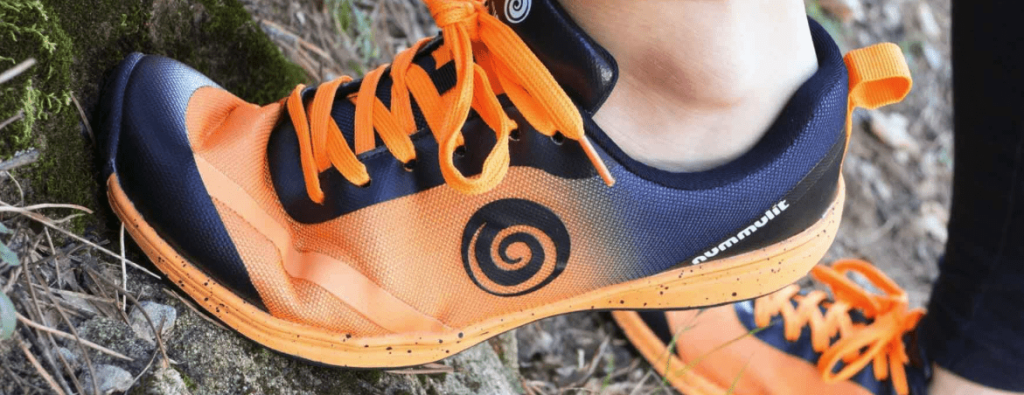
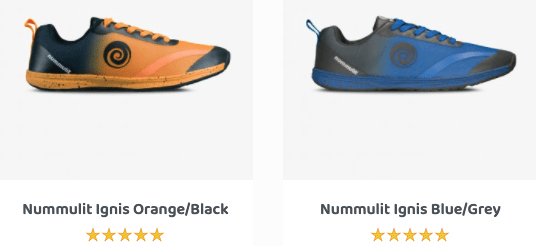
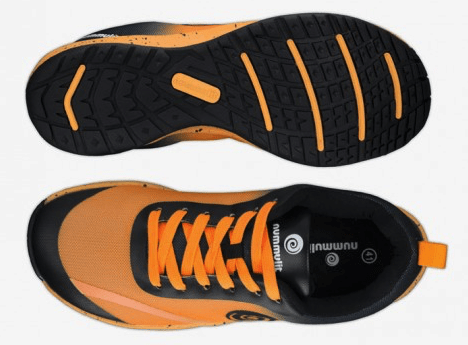
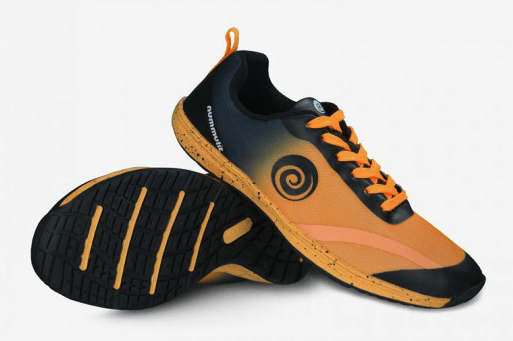
The barefoot sport shoe Nummulit Ignis provides lightness, flexibility and stability for every workout, walk or run.

Today we interview Josep Puig, owner of Nummulit Urban Shoes, and reveal his challenges and solutions in starting his niche barefoot shoe brand. Enjoy!

The barefoot sport shoe Nummulit Ignis provides lightness, flexibility and stability for every workout, walk or run.

The Shoe Dog: 
Hey Josep, thank you for speaking with me and sharing your story with our shoemaking community.

Josep: 
Hi Wade. The pleasure is mine. It is a great honor for me to share this time with you. Without the help of your books, Nummulit shoes would not have been the same. (go to www.nummulit.com/gb/ for more information)

The Shoe Dog: 
Please tell us about yourself and how you got interested in shoes.

Josep: 
I’m a big foot, I have a size 47EU. I am 41 years old and an engineer. I live with my wife and our 3 little children in Girona, Spain. Girona is a very beautiful city and well known by runners, cyclists, triathletes, and others for its quality of life and it is a quiet area with a fantastic environment for outdoor sports due to the proximity to the mountains, the sea, the lake, etc. We also have excellent facilities for indoor and track sports.

I have competed in various sports since I was little (soccer, basketball, mountain biking, running), but always as an amateur. To give you an idea of my level: my time in a half marathon is 1h40m. Due to my knee injuries, I became interested in footwear, orthotics, rehab, functional exercises, footprint studies, and posture very early in life.

Looking for solutions, I went from conventional, cushioned footwear with pronation control to orthopedic insoles and all the rest. In 2010, thanks to my brother-in-law who introduced me to the bestselling book, Born to Run, I discovered an opposite approach – barefoot or minimalist footwear. 

So, I started going barefoot most of the time and bought my first minimalist shoes, a pair of Vibram FiveFingers KSO. And for me, there is no turning back.

I haven’t studied at an official shoe school, but I’ve been training on my own for years. I’ve attended fairs and seminars, read books. I’m in touch with various manufacturers, developers, and designers from whom I have learned a lot about footwear. I have also received advice on biomechanics and foot health from my wife, who is a physiotherapist.

Step by Step Guide
Footwear Brand Building

Learn in-depth about the costs to make a shoe and the rules for importing footwear. Checkout How To Start Your Own Shoe Company. 195 pages, 330 color photos. Buy Now On Sale $39.99

The Shoe Dog: 
Great! I think our readers would like to hear more about your shoe brand, Nummulit (you can visit the website here www.nummulit.com).

Josep:
Nummulit shoes are a chameleonic way to wear minimalist shoes. Just like nummulite fossils are camouflaged among the stones of Girona, Nummulit shoes go unnoticed among conventional footwear. In this way, the brand aims to be able to wear minimalist sneakers discreetly.

We offer footwear that is comfortable from the first moment and throughout the day, respects the nature of our walking, and has a casual look.

The Shoe Dog: 
What a great niche for a shoe brand. Can you tell us more about the concept of barefoot shoes? Nummulit designs look more conventional than other barefoot shoes? Why do your shoes look the way they do?

Josep: 
Yes, the main feature of minimalist footwear is to protect the feet and not restrict movement or change the way we step.

To be minimalist, a shoe has to be very flexible, without interfering with the foot’s natural movements or limiting the feet in any direction. The sole must be thin, without any cushioning. The think sole increases sensitivity and favors a close connection between the foot and the ground, improving stability and proprioceptive sense. The last on which they are built has to be wide, so there is no pressure on the toes. Conventional footwear usually has a difference of several centimeters between the heel and the metatarsal, while in minimalist shoes, the inclination of the sole is practically zero. This is known as “zero-drop.” This helps one’s posture when walking or running and encourages the natural movement of other parts of the body such as the knees, hips, or back. In addition, minimalist footwear is very lightweight to make the most of our energy.

In general terms, it is a shoe that improves foot mobility.

To achieve this, each barefoot footwear brand offers its particular point of view. For example, some have removed internal insoles. At Nummulit, we considered that it is an element that can give comfort, be hygienic, and at the same time allow a natural walk or run. Some brands have shoes with toes, which are great, and I wear them from time to time, but I don’t feel comfortable going to the office wearing these types of shoes. All of these pros and cons have been considered and have contributed to making Nummulit shoes the way they are. 

The Shoe Dog: 
Many of our aspiring shoemakers worry about the costs of launching a new shoe brand. Can you share your experience organizing the money to get started?

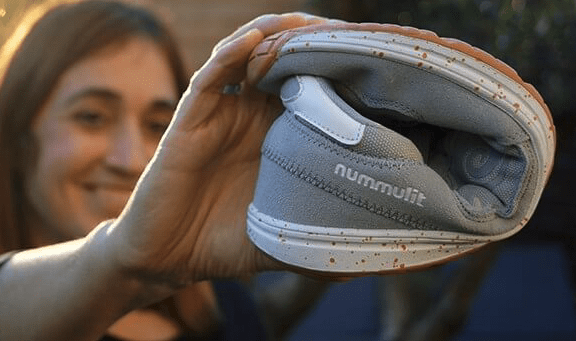
The barefoot sport shoe Nummulit Ignis provides lightness, flexibility and stability for every workout, walk or run.
Super Flexible!

Josep: 
The product cost and sale price are basic to creating any business and deciding where to position your brand in the market. I started with your book, How to Start Your Own Shoe Company, and worked through every step necessary to move the company forward (tax consulting, web costs, shipping to customers … everything). 

I built spreadsheets for every item and considered the best solution for each. For example, what taxes and customs will I pay in Europe? What online payment gateway will I use to calculate commissions? How much will the outsole molds cost? Doing this took a lot of work and time, including contacting manufacturers and service providers asking for different quotes, and so on. 

New shoemakers need to consider the minimum volumes required by the manufacturer and the costs you can afford. Also, most importantly, you must be very clear about the costs of marketing and advertising. Even if it’s simple, you need to have a marketing plan!

Once I struck a balance between the spreadsheet numbers and my available budget, it was time to start the next challenge.

New Online Courses
for Brand Builders

#1 Shoemaking Basics for Designers and Brand Builders
#2 How to Select Shoe Materials
#3 Creating Footwear Specifications Course Details Enroll now

The Shoe Dog: Josep, can you take us through a normal working day for you?

Josep: 
In the mornings, I work as a computer scientist, and in the afternoons, I dedicate my time to Nummulit:

I always start by handling new orders, then incidents (size changes, returns, customer replies). I divide my time between marketing and social media, and I continually look for solutions to delegate these tasks or to cut down on the time they take.

Other jobs need regular dedication too, like long-term strategy, company management, etc.

The Shoe Dog: 
What do you have in mind for your next steps?

Josep: 
I am clear that the next step is to increase the sizes we offer. I would also like to expand the color range and restyle our current models.

In the short term, I would like to create new models of sneakers and sportswear in the line of minimalist footwear, which are very versatile and keep with conventional aesthetics 

I’ve been asked to create children’s shoes, trail shoes, and to add particular features such as waterproofing, etc. These suggestions are great and give me very good ideas, but I have to think carefully about using my limited resources.

The Shoe Dog: 
Can you share with us your biggest challenge and how you overcame it?

Josep: 
Minimalist footwear is not very popular among manufacturers. Thus, the first thing I set out to do was to create a clear and precise design brief to communicate my ideas. This also helped me to be taken seriously despite not having a track record in the business. Once you have secured a manufacturer, you have to know how to express yourself very well because every sample you request and every mistake you make costs money. Therefore, you have to work smart to stay within budget. In addition, minimalist footwear is performance footwear, and functionality is paramount: a millimeter or so of material in one place or another completely changes the function of the shoe.

The Shoe Dog: 
Thank you for taking the time to talk to us. Any final advice to share with others thinking about launching a shoe brand?

Josep: 
Thank you so much for the opportunity to share about myself and Nummulit running shoes. Also, thank you for guiding me through the journey with your books. Final advice: Be eager and keep up your energy! These are the main ingredients needed to solve the different problems that may arise when creating your footwear company. But, without a doubt, it’s a great experience.

New Online Course
Shoemaking for Designers
& Brand Builders

Created for footwear beginners and career changers alike, this course delivers the basic shoemaking knowledge you need to get your career in the shoe trades started. Course Details enroll now $99
Posted on

What is a fitting trial for shoes? 

Do I need to run a fitting trial for my new shoes? 

A shoe fitting trial or fit trial is a footwear brand’s process to confirm a new shoe fits correctly and feels good on the user’s feet. The goal of a fitting trial is to evaluate the entire size run and determine if a shoe fits correctly and is true to its size. 

A fit trial is complementary to a wear test. In wear testing, the shoe brand will focus on the function and durability of a shoe.
(Learn more about fit testing, wear testing, and other pre-production procedures in our books
How to Start Your Own Shoe Company 
How Shoes Are Made books and ebooks.)

Big brands like Nike, Adidas, and Jordan have entire departments responsible for running fitting trials. For example, every new Nike shoe must pass a fit trial before being approved for mass production.

Proper fitting shoes will keep your return rate down and your profit margin up.

The average return rate for mail-order shoes with poor fitting is 30%! 

Yes! You need a fit trial.

A shoe fit trial must be part of your production quality assurance program. A great-looking shoe that does not fit the size mark or does not fit proportionally is not high-quality. A new last, a new outsole, or a new upper design will require a fitting trial. A proper fitting trial during the pre-production process allows the brand time to adjust the size and fit of the shoe before wear testing, size grading, marketing, and selling.

(For more information on pre-production testing and quality assurance processes check out How to Start Your Own Shoe Company and How Shoes Are Made books and ebooks.)

Setting up your shoe fit trial

When developing your shoe, the first size made is called the “model” size. The model size is usually USA 9 for men’s and USA 7 for women’s shoes. The shoe brand or the shoe manufacturing factory will have someone on staff who is the fit model. The fit model’s feet measure close to the ideal standards for an M9 or W7. You need to complete the fitting work on the sample size before the size grading and the full-size run fitting trial can begin.

Before the fitting trial: Inspect your samples.

Do you see any loose spots or wrinkles on the upper? First, remove any shoe stuffing and check that your samples are not crushed or twisted from shipping. Next, run your hand inside the shoe to feel for any rough stitching or wrinkles in the footbed. Finally, properly lace each shoe and then take the time to loosen the laces, so it’s easy for your test subjects to get their foot in the shoe and adjust it.

Running a proper fitting trial? Needs:

1. A full-size run of the test shoes.

2. A measuring tape.

3. A Brannock™ device for measuring feet.

(Learn more about the Brannock™ device and other shoe tools in How Shoes Are Made.)

4. A questionnaire to record the stated foot size, measured foot size, 

sample shoe size preference, and any footwear fitting comments. 

5. As many people as you can get to try on your shoes!

6. It is a good idea to have socks available in a standard thickness for your test subjects.

How to run a fitting trial 

Find a place and time to gather your shoes and test subjects together. Ideally, you will test one person at a time without the other test subjects listening in on the test. When your test subject arrives, record the size of the shoes they are wearing. It’s a good idea also to record the brand of shoe they are wearing as some brands are known to fit larger or smaller.

Next, measure your test subject’s feet yourself with a Brannock™ device. Make sure to note the length and width. Also, try to record the ball girth of their feet. You will need this information to help you qualify the subjective feedback when fitting the shoe. You will also need to screen your test subjects for abnormal foot shape or physical issues affecting the fitting.

Finally, select a shoe for your subject to try. Once the tester has the shoe on, ask them to stand up and give their first reaction before flexing or walking in the shoe. 

If you have a soft shoe, you can press on the toe box to feel if the subject’s toes are touching the end of the shoe. When standing, the toe tips should not be touching the inside end of the shoe.

If the shoe feels good, instruct the subject to walk and get a feel for the shoes as they flex in motion. Your test subjects may run if you are fitting a sports shoe. 

You can ask the test subject to record their feedback on a questionnaire or interview the subject. Your goal is to understand if the length, width, and volume feel right. During a fitting trial, you should be studying the shoe as the test subject flexes. Look for the following:

1. Does the shoe gap open or pinch?

2. Do you see loose spots or wrinkles?

3. Does the test subject’s heel lift out of the shoe?

4. Does the subject feel the pressure points or stitching inside the shoe.  

5. Make any comments on the length, width, and height.

6. Does the top line feel comfortable around the ankle bones and Achilles tendon?

The result of your fitting trail  

If the shoes fit great and look great for every test subject, fantastic! If you see any issues, now is the time to record the faults and work with the factory technicians and pattern makers to correct them. In the end, a properly run fitting trial will give you the confidence to move ahead in your shoe production or give you the information needed to make adjustments. 

My sample size fit test is complete. Now what?

For the next steps in the pre-production process, including size grading, wear testing, and quality control procedures check out these shoemaking books.
Start Your Own Shoe Company 
How Shoes Are Made 
Footwear Pattern Making and Last Design

Shoemaking
TextbooksBuy Now
Shoemaking
SuppliesBuy Now
Shoemaking
CoursesCourse Details
Previous Next