Posted on

How Shoes are Made: Reviews and Comments

Reviews and Comments

At SneakerFactory.net we work hard to bring you this website and blog. We encourage and appreciate your feedback and comments to help us make How Shoes are Made, How to Start Your Own Shoe Company, Shoe Material Design Guide, and our other products even better!

We hope to hear from you soon.

Kind regards,
The SneakerFactory.net team

[RICH_REVIEWS_FORM]
[RICH_REVIEWS_SHOW num=”all”]

Posted on

Drawing a Shoe Outsole Blue Print

produce a pair of air Jordans

Drawing a Shoe Outsole Blue Print:

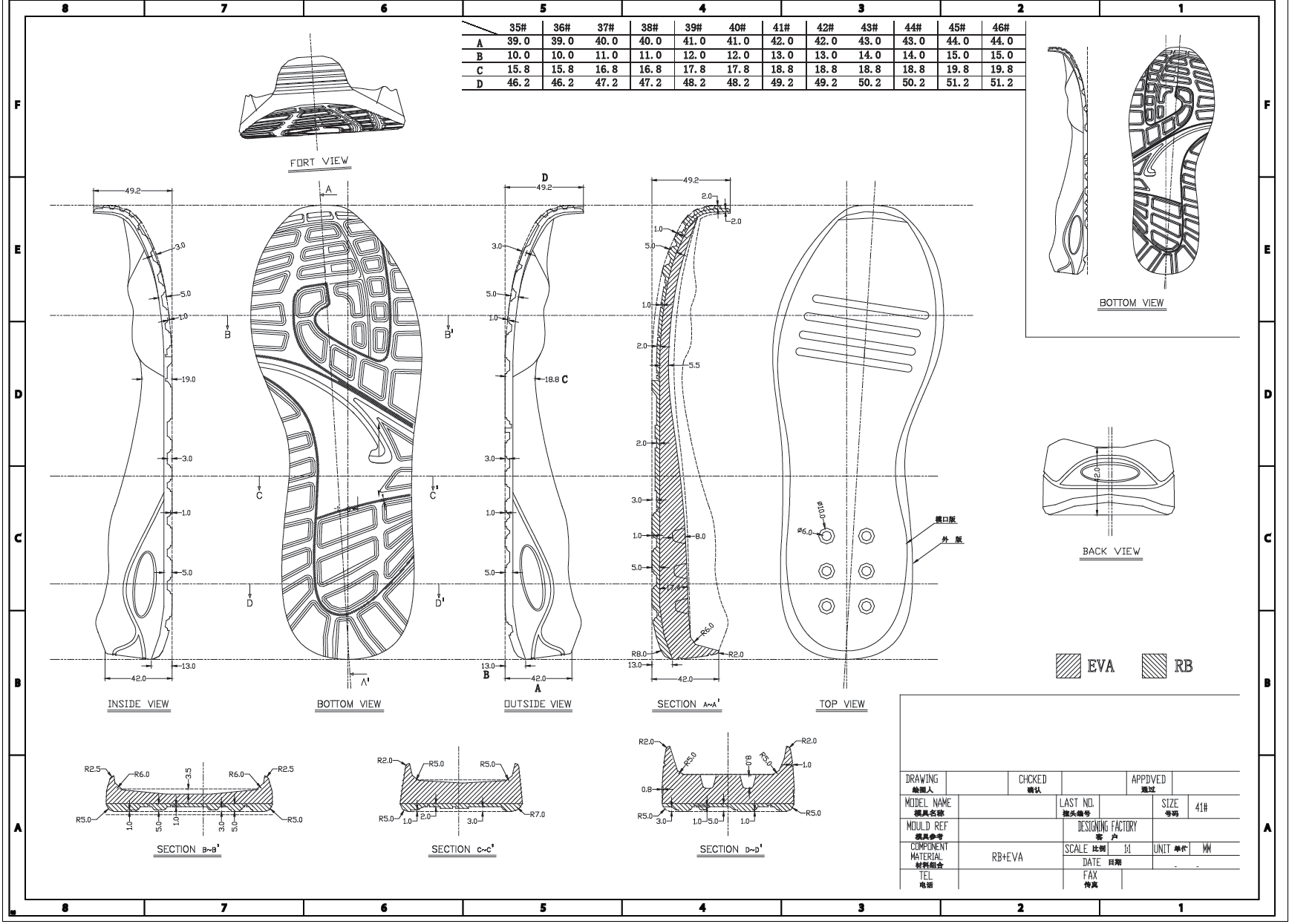
The shoe outsole blue print can be the most challenging element of the shoe to design.  A complicated outsole design can take weeks to design and months to model and  tool up.  The shoe outsole must fit the shoe upper correctly to insure the shoe fits and can be assembled neatly,   And of course all the outsole parts must fit together correctly.  Not so simple.  Many shoe technitions help bring your shoe sole to life.
The shoes Rubber sole, EVA midsole and uppers are each made by a different process and can even be made in a different factory across town.  And this must be done right.  A complete size run of 14 sizes of outsole/Midsole tools could be over  $100,000.00 to construct.
The outsole blue print shows every detail of the construction.    You can see the design details and the material notes.
Drawing-a-Shoe-Outsole-Blue-Print-4

Required Blue Print Views:

1. Shoe Medial side view
2. Sole Bottom view
3. Shoe Lateral side view
4. Outsole Cross section down the length
5. Sole unit Top view of the midsole
6. View of left side shoe  (to confirm logos)
7. Toe view of sole
8. Heel view of outsole
9. Cross section at critical points to see shoe details
10. Texture notes or detailed cross sections
11. Shoe Sole Material specs
12. Revision block to show who made drawing changes

New Online Course
How to Create Shoe Specifications

9 Shoe Spec building lessons.
2 hours of video instruction.
Create a spec step by step .
Material Design Guide textbook included.

Course Details
enroll now $199

Posted on

Are Nike sneakers the best?

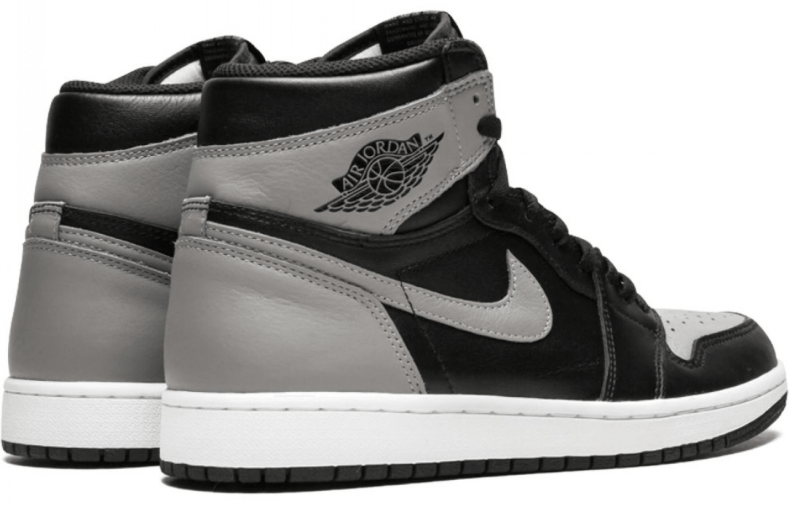
Fake Nike How To Spot Fake Nike Shoes: 10 Ways To Tell Real Nikes, How to Spot Fake Nikes, how to spot fake Jordan's, sneaker legit check

The question:
Does Nike Make the Best Sneakers?

This question is not so simple as the Nike Corporation makes thousands of different models, so they must be the best?  I did see a report that stated Nike makes over 10 million different products, This does sound crazy but they do have sales of over 39 Billion with a “B”.   Yes! They make a lot of sneakers but are they the best?

Fake Nike

Nike dominates Sneaker markets

There is no denying that Nike dominates some product footwear categories.  Any visit to your local sporting good store will show you that. But in the case of shoes best really means the best for you! In basketball and running there is no question that Nike is dominating! The sneakers collectors market is NIKE and then a distant second Yeezy branded shoes.

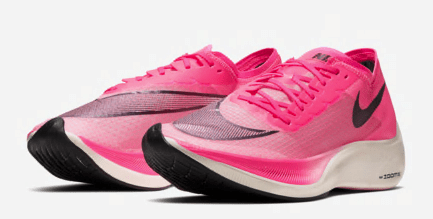
Nike Zoom Vaporfly Next% The best running shoe

Nike dominates running Technology

At this moment Nike has ignited an arms race in performance running shoes. The record-breaking marathon times of breaking times of with elite Kenyan runner Eliud Kipchoge are proof that Nike is doing something special. The discussion of banning the Nike Zoom Vaporfly Next% shows that Nike is back into the business of disrupting “the business”.

Are Nike shoes top quality?

Yes.  Both the expensive shoes and the cheap Nike shoes are made to high technical standards.   When you buy Nike you are buying a well made shoe.  This is not so special, the other big brands Adidas for example offer the same build quality.  The difference comes in the materials used. A more expensive shoes will have materials that are stronger, lighter , possibly more flexible depending on the model of the shoe.

What shoe is best for you?

But what makes are shoe really the “Best” is how it works for you!  The shoe that is best for your foot shape, flexibility, sporting activity  and personal style may not be a Nike.  Me personally, I don’t own any and I’m a shoe hound for sure, but the Nike running shoes lasts just don’t feel comfortable to my foot.

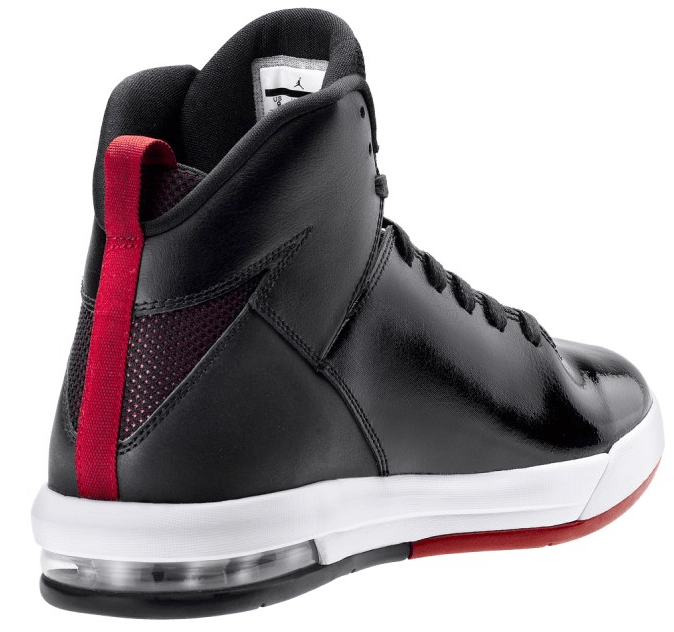
Air Jordan Imminent Back View

So you can go with confidence and get a pair of Nikes- Buy them and Love them, If they work for you!  But if you are not 100% in love, don’t be afraid to shop around.  You may just find a smaller company that makes the “Best” shoe for you!

Posted on

How Shoe Lasts are Made By Tsubo

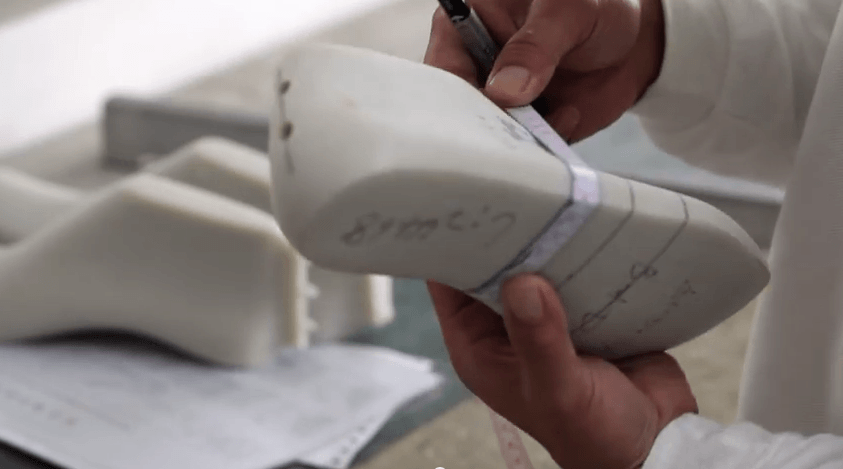
The last technician is marking and measuring

Here is another great shoe making video from the Tsubo shoe company. This shows how shoe lasts are made.  They show in a nice step by step video what it takes to make a set of production shoe lasts.  You can see the care they take in this process.  It’s very important as these lasts will be the foundation of the finished shoes.

A machine to measure a hand shaped shoe last
A machine to measure a hand shaped last

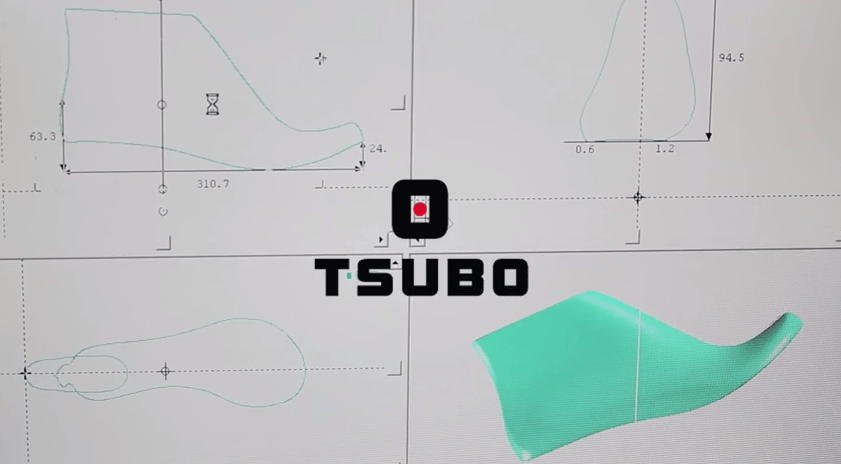
A CAD model of the shoe last is made.

Starting with a machine to measure a hand shaped last, they make a CAD file of the lasts.  This computer model of the last is then used to scale or grade the last.  Grade means to make each size of the shoe last. This is an important art as the last length and width do not scale equally.  For example a size 12 is not twice the size of a 6.
The shoe last has a template for the toe and heel

The shoe last has a template for the toe and heel
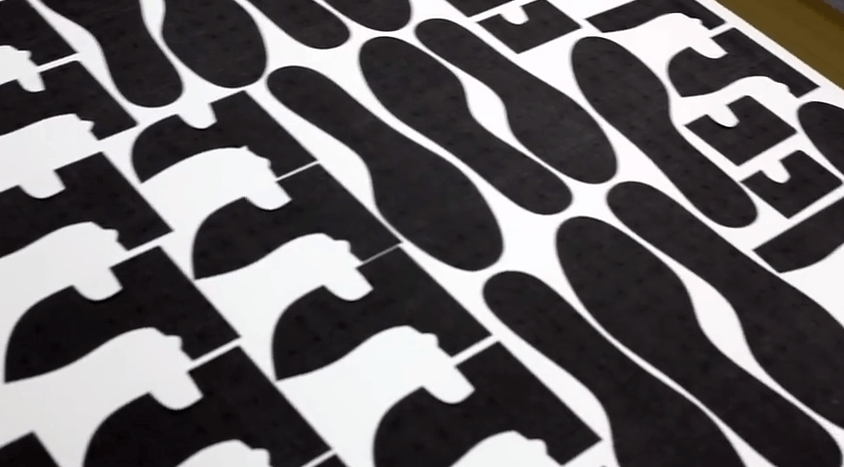
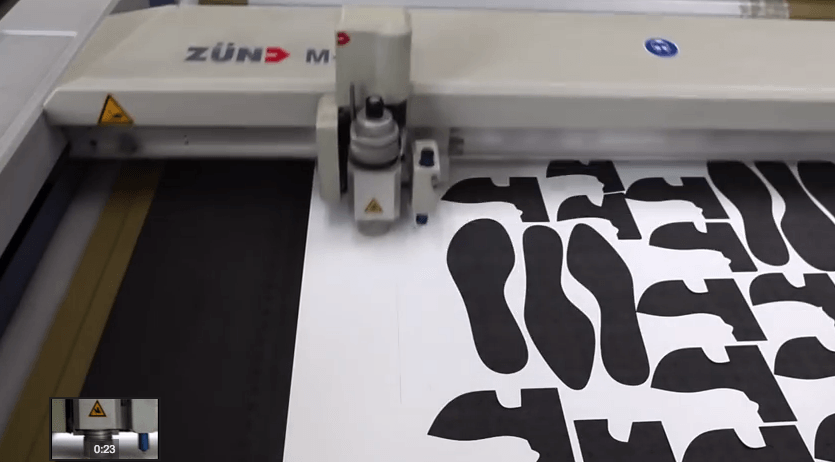
The patterns are computer cut

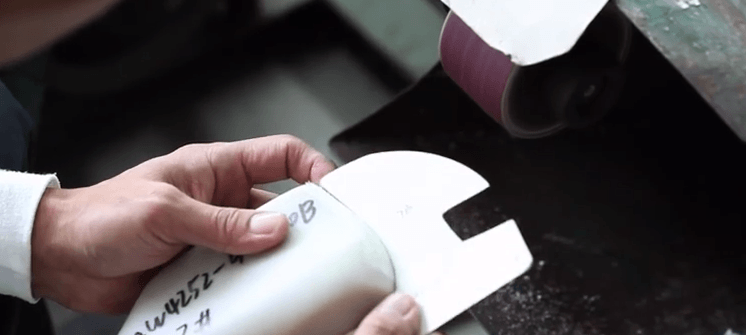
Here you can see they are cutting the pattern templates used to fine tune the shape of each production shoe last.  The templates are used to make sure the heel back curve and toe shape are correct.  The foot shaped template is called the bottom gauge.    You need this to confirm the length and width of the last.

The shoe last starts as an injection molded "blank"
The shoe last starts as an injection molded “blank”

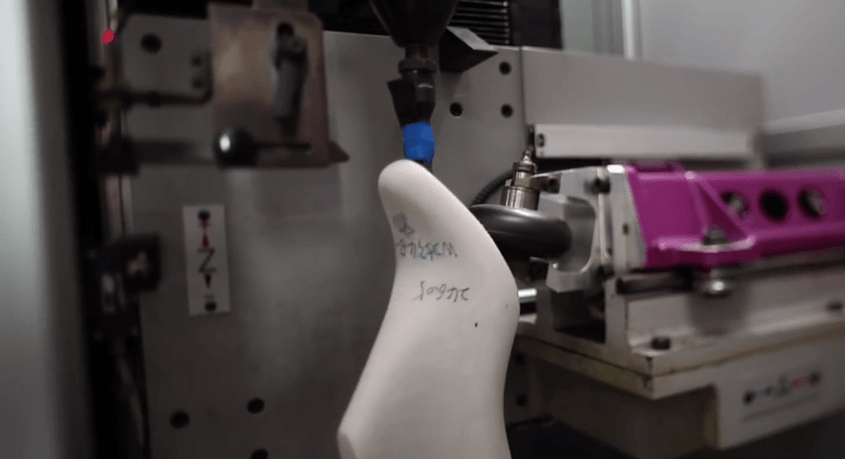
The injection molded "blank" shoe last is then turned or cut down to the right shape
The injection molded “blank” is then turned or cut down to the right shape

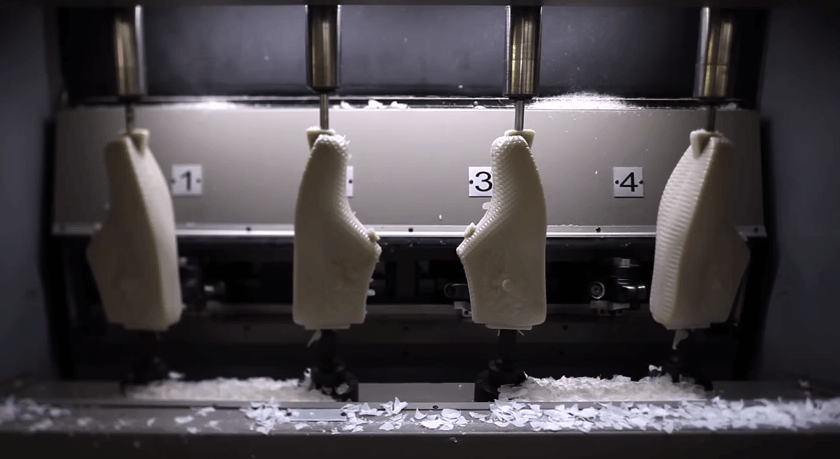
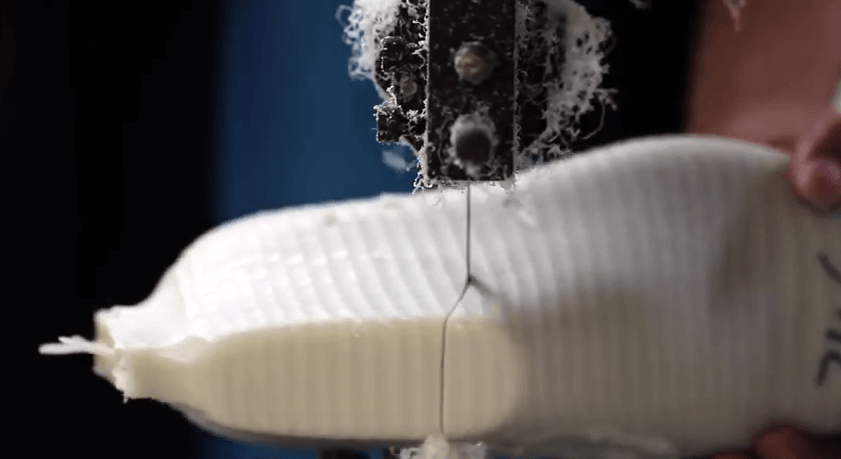
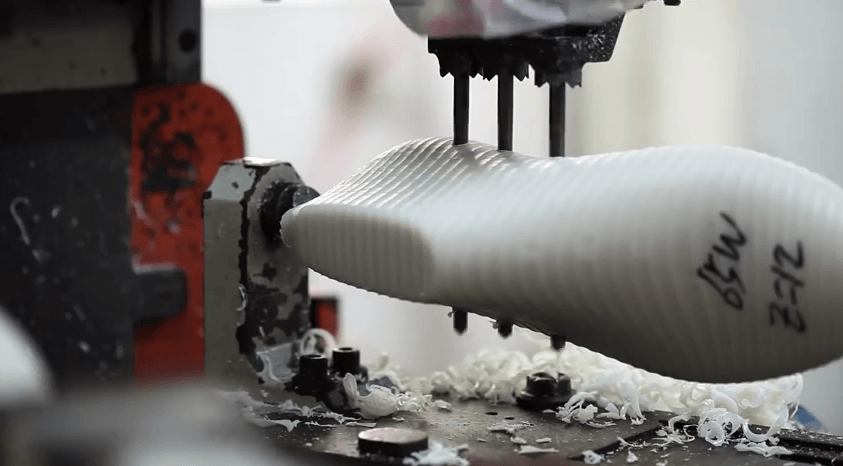
This is really how shoe lasts are made. They shape the last they start with a injection molded blank roughly the right shape.  This blank saves the factory time and money as the shape the last.  The left over cuttings can also be recycled.   The lasts are quickly rough cut then finely finished using a second machine. This takes just a few minutes

Cuts are made for a hinged last Shoe last factory
Cuts are made for a hinged last

Pins for hinged shoe last

In this video they are making plastic hinged lasts,  the hinge allows the shoe last to be slid into and removed for the upper without over stretching or damaging the shoe material.

The worker uses the template to check the shoe last
The worker uses the template to check the last

The last technician is marking and measuring

A machine to measure a hand shaped last
A machine to measure the  shaped last

You can see here the last technician is making and measuring the last to insure the width is correct and the girth measurement around the last is correct.  Any mistake can change the fit and shape of the finished shoe. Here the worker is using the heel curve template to shape the shoe last. Each last is carefully buffed to make shoe it’s smooth and can’t damage a delicate leather lining.  This final sequence is measuring the shoe last to make sure it’s 100% perfect!


Learn to Design Lasts

Learn how lasts are made, the shoe last design process, the hidden geometry, special features, functions, and size grading principles.
Learn more
On Sale $39.99

Posted on

The Making of a PU Foam Footbed by Tsubo

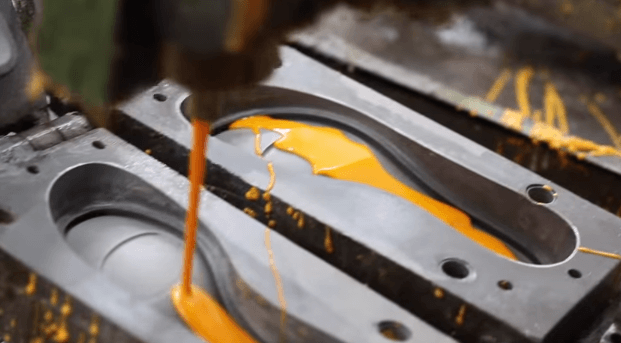
PU being poured into the footbed mold

Making a PU Footbed

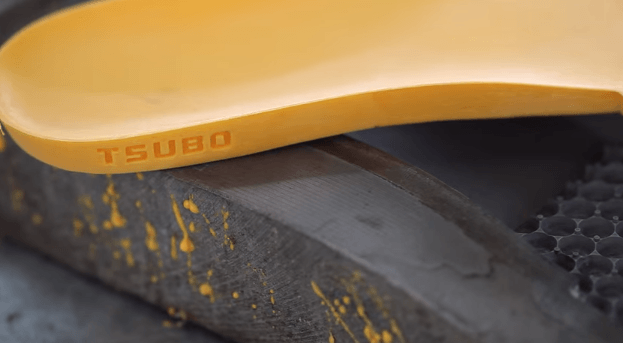
Check out this video which shows how a soft PU foam footbed for shoes is made.  This footbed is relatively expensive and heavier when compared to the standard EVA footbed, but it’s much more comfortable. Tsubo is a very high-quality shoe brand, I have a pair myself and they are great shoes!

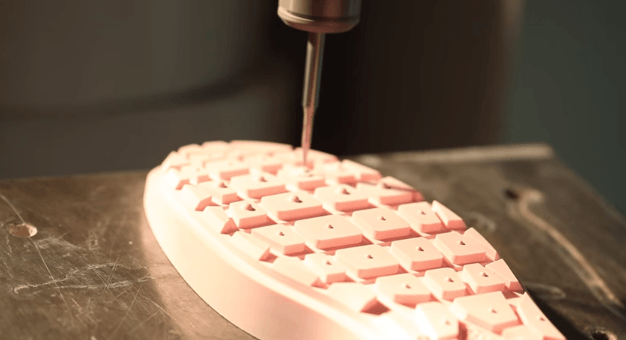
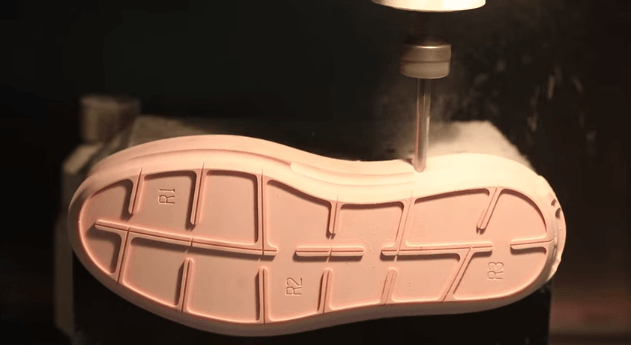
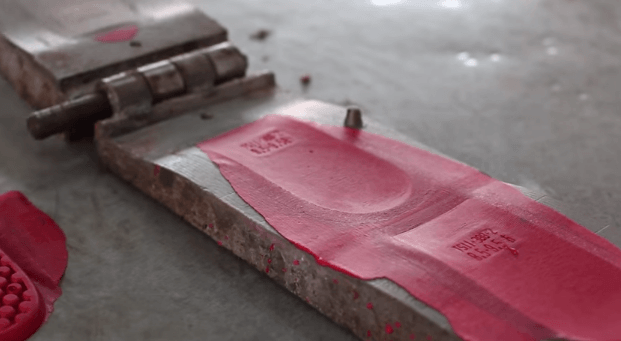
The video starts off in the CNC (Computer Numerical Control) tooling shop.  We see what looks like a shoe outsole bottom being cut. This pinkish material is called REN. REN is a medium density polyurethane plastic modeling compound that can be cut to a very high precision. It does not shrink or chip and does not have any air bubbles inside.


PU midsole being cut

PU midsole being cut

Next Step: Steel Casting Shop

Once the REN shape has been cut and finished it heads to a steel casting shop. This part they don’t show in the video, most casting shops keep this process hidden!


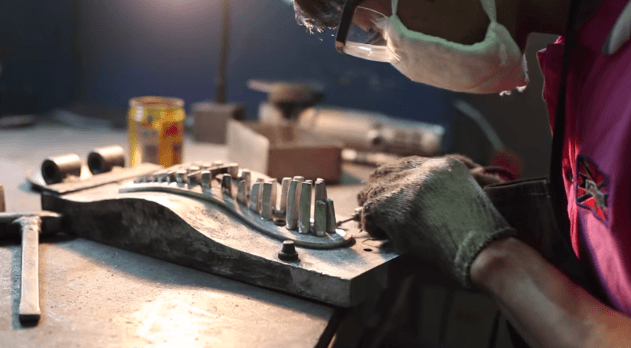
Hand finishing the PU midsole tooling

The steel PU midsole mold is ready


Hand Finishing

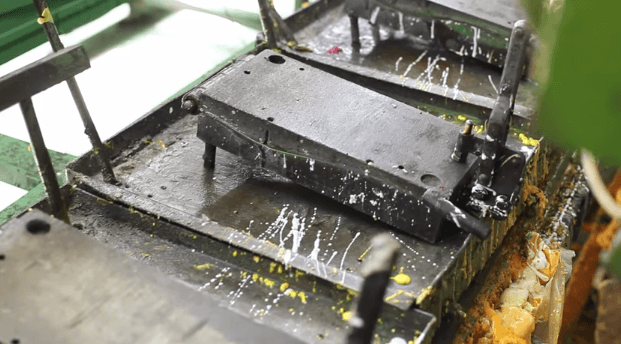
After the casting operation, the mold parts are hand finished to make sure they are smooth and most importantly they shut tightly without leaks. This happens to be a three part mold. This allows the parts to come free after molding without damaging them.


Onto the Pouring Line

The video does not really tell the whole story here at the pouring line. With the soft music playing, you miss the shocking noise of the molds slamming shut, the mold release being sprayed, the compressed air blast to clean the tools, and the rumbling of the molds as they run down the conveyor belt into the ovens and around again for another fill.

PU mold on the conveyor line

PU being poured into the footbed mold

Here you can see the mixing head shooting the liquid foam into the mold.  It’s a heavy liquid that spreads slowly into the mold.  In the video, you can see the worker rubbing some of the compound into the sidewall of the mold to make sure the logo is filled without any air bubbles.


PU molds in the line, you can see the mixing head

PU part after molding

Once again, some compound in the mold clamps is used to hold the mold closed. Behind you can see a green wall – that is the conveyor oven.  The molds travel in a large oval around and around. Inside the heater, the foam “blows” or expands filling the mold’s cavity with the PU.


Opening The Mold

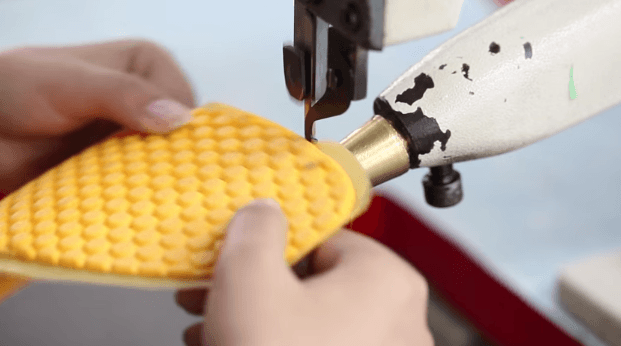
Once outside of the oven the mold is opened. You can see there is some extra material around the edge. This is okay, this ensures the part is 100% filled and lets any air bubbles escape.  This extra material is called mold flash.  In the final step, the mold flash is trimmed off.

PU footed part with some mold flash

PU footbed being trimmed


Posted on

Travel in the Shoe World

Travel in the Shoe World

In the shoe business you will have a chance to travel the world.   As a shoe designer or Footwear Product line manager you can visit with customers and factories around the world!   During my footwear career I have been lucky enough to work as a Shoe Designer, Shoe Developer, Footwear Product Line Manager, Development manager and Business manager.   I have worked all around the USA in California, Vermont, Texas, Florida, Canada, Nevada etc….  you get the idea.  There are shoe companies  in almost all of the 50 states and in every country in the world.
World wide travel?  Yes if you want to! Now there are positions in the shoemaking world that are desk bound with no travel, but from my personal experience the travel is what can make it an interesting and rewarding career.  If you enjoy traveling then a career in footwear can be great for you!

Why travel?
Market travel:  Having work for “International Companies” that sell product world wide it important to get out and see what is happening in the areas you sell.  I personally have visited Australia, Germany, Canada, England, Japan to meet with distributors, retailers and salesmen.  It’s a great chance to see and hear first hand what is happening in your markets.  The retail dealers in Australia may have a very different system than say the dealers in Germany or Japan.

You can also pick the brains of your distributors, retailers and salesmen.  You will get lots of great ideas from listening to their opinions.  You may find out your competitors are doing something  you had not seen or maybe there is a market for a very different product? or a crazy new trend.

Product design Inspiration:  Maybe the rarest of trips in the shoe world, but it does happen. Usually the design manager and staff will travel together to trend leading city. If your design office is located in Southern California it’s useful to send your designers off to New york or London so then can see what is happening!

Sales support: Usually a road trip with a sales rep during a selling tour but often this can be international travel to a major foreign market. Watching your midwest sales rep sell into a sporting goods store will be a very different experience compared to riding along with your Australian salesmen sell into Sydney’s biggest surf retailer. You will learn sales techniques, see how different stores in different territories are merchandised. Maybe build a personal relationship with your international salesmen and customers. Definitely will allow you to improve your salesmen and customer product knowledge. I have found once they know you are the designer or Product manager they can’t to tell you their new product ideas.

Face time with customers. Of course face time with your customers is a great thing. Seeing how they make their purchase decisions is key to how you present your product. A good sales rep will know the buyers style can can modify his presentation to maximize sales results.

Industry Trade shows / Industrial shows / Material shows / Sports shows:

Working a trade shoe booth of a week can be a mind numbing experience, soul crushing footsore experience but it can also be hilarious fun, insightful and inspiring!

With your eyes and ear open, note pad in hand an industry trade show is a perfect place for you to see what is happen in your industry. It’s a chance to see your competitors merchandise up close and even a chance to introduce yourself. Todays competitor could be tomorrows employer or new employee for you!

Industrial shows can be a very useful for a designer. Seeing new manufacturing techniques not shoe specific can give you many ideas for your next project. Material shows tend to be smaller, but again it’s a great place to see what’s new fast.
The NE shoe material show is put on in Massachusetts  for the East coast brands while the NW shoe material show is put on in Portland for Nike and the west coast shoe brands.

Factory Visits:
Visiting your supply factories is critical for your professional growth.  As a Designer it’s important, as a Product Manager it’s critical as a  Developer it just part of your job.  I recommend you beg borrow or steal to get a chance to see what happens in the assembly factory.

shutterstock_297691253You will see the Facility.  The most basic observations can tell you much about the care being taken for your products.   Is the shoe factory clean?  Is it organized?  Is there product on the floor, stacked neatly or piled in heaps.  What is the condition of the equipment?  Is the the factory cold and damp or moldy?

What equipment is there?  Is there a new or old machine that you can use for a new process or design.  Visit the sub contractor.   Some parts are made outside of the factory, take a drive.  See how that sub assembly is really made.  You may not be able to spy around a Nike contracted shoe factory but you can visit the some of the same suppliers.

Many shoe factories do build product for related or competing brands, so you may see something being made for one of your competitors.   Many factories will take on smaller brands to fill production space and to cultivate new customers.  No ones knows what brands will be the next Nike or Under Armor.   A large factory complete may have 10 shoes brands running at once.

Quality inspections:
Walk the shoe assembly line from beginning to end.  You will see the good and the bad.  DO IT.  It’s key that you do.  If they see that you care, they will make the effort.

Personal relationships with factory staff:
If the factory people know you and like you they will be happy to work hard for you.  If you take care to be nice and get to know the staff it will pay off.   A basket of fruit or small gifts for the sample makers will pay off the crew will make the extra effort for you.   If you are jerk….don’t expect the same results.

Manufacturing capabilities:
You can see first hand the techniques they use and equipment they have.

Manufacturing intelligence:
See what is going on inside the factories.  May factories are shared by brands you can see what is really a hot seller.

Personal Capabilities:
It’s key to get out and meet with the people you do business with particularly when doing work in a foreign country.  Once you understand how they think or their level of language skills it will make your work easier.

The X-Factor:
Some how by magic the stalled projects come to life if they know you are coming to visit!

Happenstance:
You just don’t know who you will meet or what you will see….

Posted on

What about shoes made in China?

the shoe assembly Process

Shoes made in China

So what about shoes made in China?

*I’m going to make a full disclosure here.  In my shoe making career I’ve made shoes in Korea, Taiwan, Vietnam and China with 90% of that being done in China.  My passport will attest to over 50 visits to the mainland beginning in 1996.
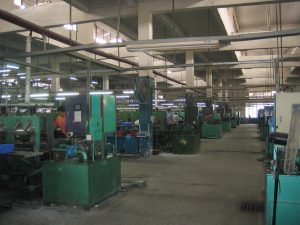
So is China a good place to make shoes?  Yes it is! But you have to be careful.  I’m not talking about personal safety.   No,  I mean as in all business dealings who are you really working with.  In China, brokers, agents, silent partners and trading companies abound.  It can be a challenge to get down to the actual factory owner, but well worth the effort.    Big shoe companies all buy directly and have lasting partnerships with the shoe factories.

Can I get a quality product from China!

Yes you can!  Nike, Adidas, Puma, Vans, Under Armor all source high quality shoes from China.  Is it easy?   Nope.  It takes continuous effort and  continuous inspections to maintain quality.  Not because the factory is trying to rip you off or cut corners but because the brands demand high volume, lower prices and efficiency.  In my experience most quality problems are not willful deceptions, more likely human factors, unintended consequences or honest mistakes.  That said when a shoes arrives with poor quality raw materials I see a QC system that was paid off or broken or inept.

The big brands actually drive the industries quality and enforcement of local labor laws.  A Nike contracted factory will have the highest quality and most rigorous inspection policies.  Are the workplace standards the same as the USA and Europe?  Not a chance, but high quality merchandise can’t really be made in a dark and dirty sweatshop.   That said there are some jobs and operations in the shoe factory that are hard, dirty and tedious.  But in my travels the shoe factory jobs are better than standing knee deep in a sodden rice paddy or breathing coal dust in a deadly Chinese mine.

Personally, it’s an ego rush to see hundreds of people busy working on a design from my own hands.  Knowing they are earning money for their families just like I earn money for my own.

Posted on

Sneaker Collecting Books

Guide to sneaker collecting

Shoemaking
TextbooksBuy Now
Shoemaking
SuppliesBuy Now
Shoemaking
CoursesCourse Details

Previous
Next

Posted on

Shoe Design Jobs: Can I get one? Yes!

Shoe Design Jobs and More!

Can I get a job in the shoe world?  Do you want a job at a shoe factory?  Probably not.  More likely you want a job at a company that designs, markets and sell shoes! You want to work for a brand like Nike, Adidas, Puma, Vans or DC shoes.  You want to be a sneaker designer to a sneaker stitcher.

So, what kinds of jobs can you get and what do you need to know?
There are many shoe making jobs which do not require sitting in front of a sewing machine in Asia. I’m going to list a few of the common jobs you would find in a typical shoe development office.

Shoe Designers:
Someone has to draw the shoes. Depending on who you ask, this is the easiest part or the hardest. The shoe designer has to draw what people want on their feet. Hmm..
To be a shoe designer, art school would be a great help. There are many great design shools with ID, merchandising and fashion design.   A degree in Industrial or Product design is a great place to start. But that said, if you can draw shoes like a bandit who needs higher education?   The designers draw the shoes, then work with the developers to make the prototypes just right. Picking color trends and knowing what is cool are critical skills.

Shoe Developers:
Not a shoe designer but critical to getting the shoes made. It’s the shoe developers job to take a nice drawing and make it into a real shoe you can wear on your feet. The developer is the guy that writes the technical specifications, checks the blue prints, and communicates with the shoe factory.
The shoe developers job is to get the shoe made and keep the free thinking designers from making a beautiful shoe that is cruel to wear. Developers are the shoe prototype engineers and schedule keepers. To be a developer you may start as a designer, an intern or assistant. Be ready to travel!

Product Managers or Product Line Managers:
The Footwear Product Manager or “PM” is the person that sets designer and developer in motion. It’s the PM’s job to figure out what to make. The PM will tell the designer what kind of shoe to make. PM’s responsibility is to work with the sales team and customers to find out what they need. The PM is also tasked with looking forward. What will people need next year? What color shoes will be trending? Experience in retail or sales is a big help. Designer and developers are often promoted to this position. A marketing degree will help.

Footwear Sample Coordinator:
A busy development office will have hundreds of shoes coming and going. The Sample Coordinator is the traffic cop that tracks where the shoes are. Are the samples still in China? When is the factory going to ship them? Does Fed-Ex need more paperwork to manage the import? The sample coordinator position is a great entry level position for learning the operations of shoe development.

Shoe Sales Representative and Sub Rep:
Selling shoes is great way to get involved. The sales force is exposed to many aspects of the shoe trade. An active sales rep can help shape the product line. On the front line selling the shoes, the salesmen know first hand what customers are looking for. A salesmen can get promoted into a Product Line Manager position.

Working at a shoe store:
Believe it or not, working in a shoe store is a great place to start for a high school or college student. Learn about shoes, meet the local sales reps and sit in with the buyers when they review the new shoe lines.